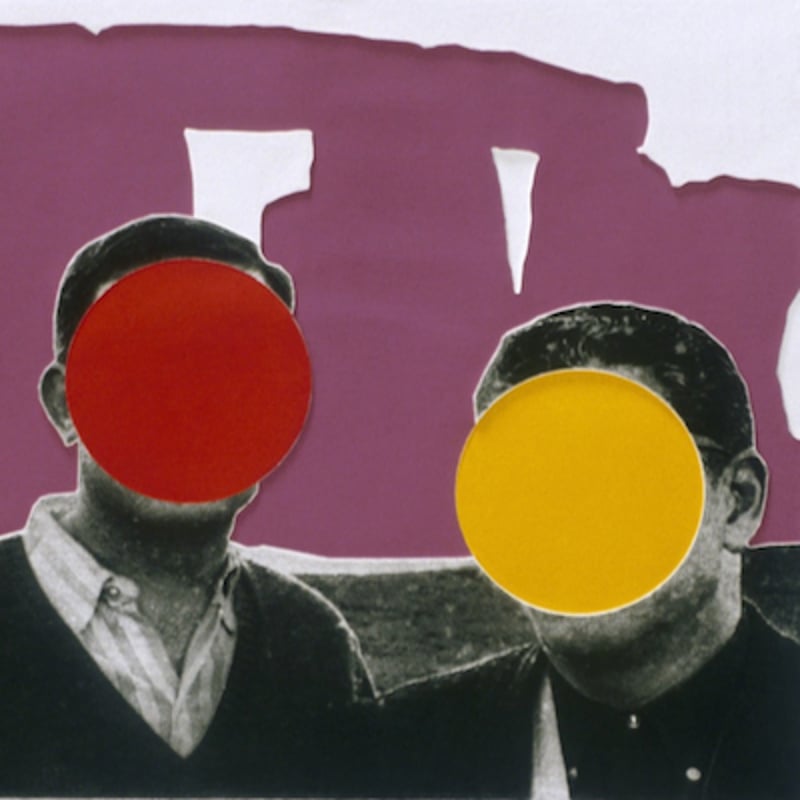
What is conceptual art?
- Show All
- Established
- Discoveries
- Show All
Artworks Related to Conceptual art
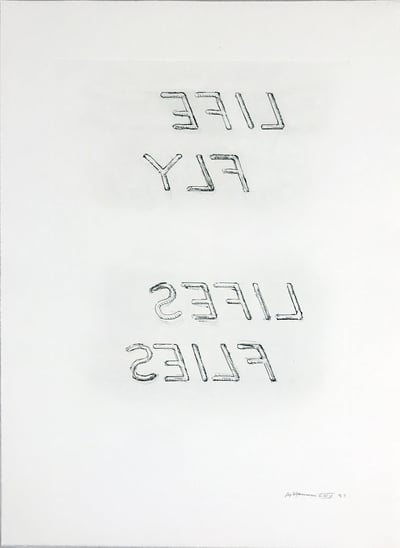
Bruce Nauman
Life fly Lifes Flies from the portfolio of Leo Castelli's 90th Birthday, 1997
Limited Edition Print
Etching
USD 3,750
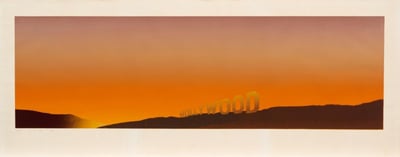
Ed Ruscha
Hollywood, 1968
Limited Edition Print
Screen-print
Currently Not Available
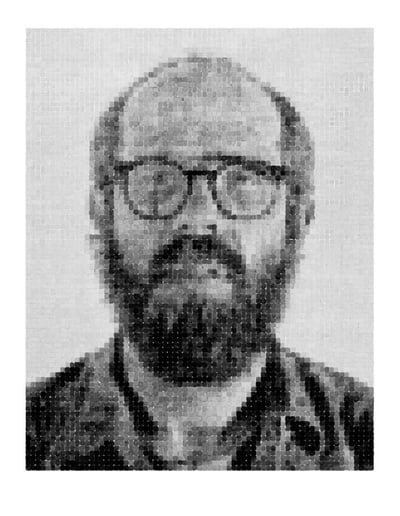
Chuck Close
Self Portrait (2), 2012
Limited Edition Print
Mixed Media
USD 6,760

Damien Hirst
Viagra Pink (S), 2014
Sculpture / Object
Mixed Media
USD 8,950
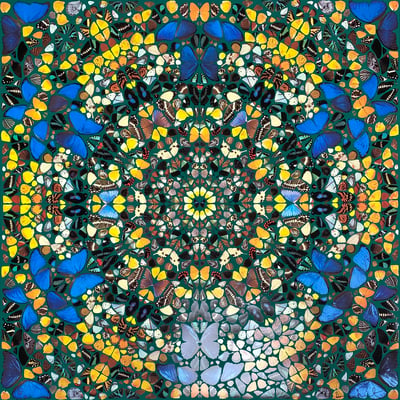
Damien Hirst
Cathedral (Non) D/D St Paul, 2007
Limited Edition Print
Screen-print
USD 30,000 - 40,000
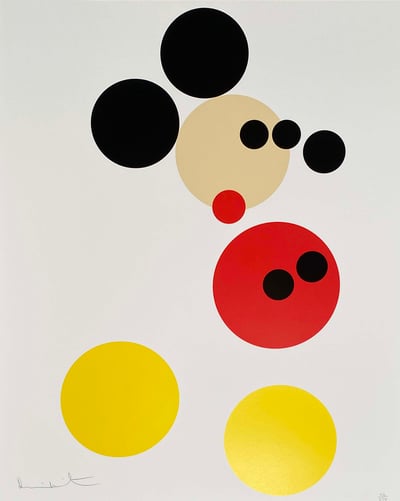
Damien Hirst
Spot Mickey, 2014
Limited Edition Print
Silkscreen
USD 40,000 - 50,000
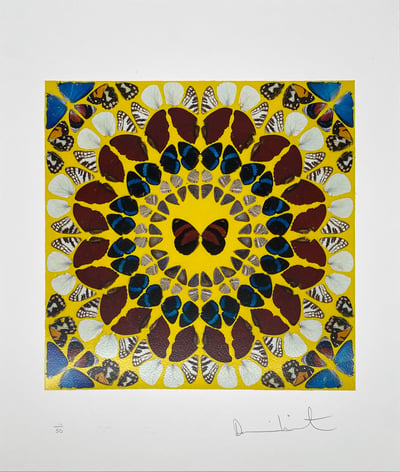
Damien Hirst
Miracle, 2015
Limited Edition Print
Giclée printing
USD 7,950
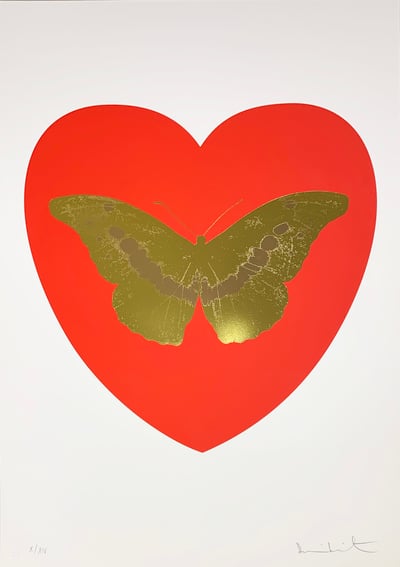
Damien Hirst
I Love You - Red/Oriental Gold/Cool Gold, 2015
Limited Edition Print
Silkscreen
USD 28,500
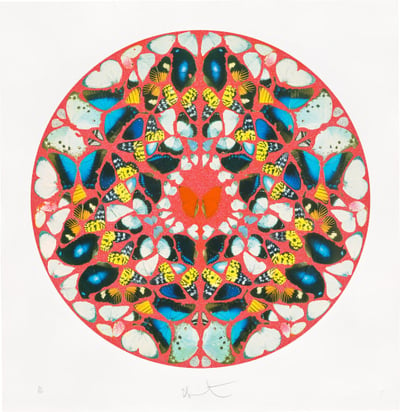
Damien Hirst
Psalm: Domine, Ne In Furore, 2009
Limited Edition Print
Mixed Media
USD 20,000 - 25,000
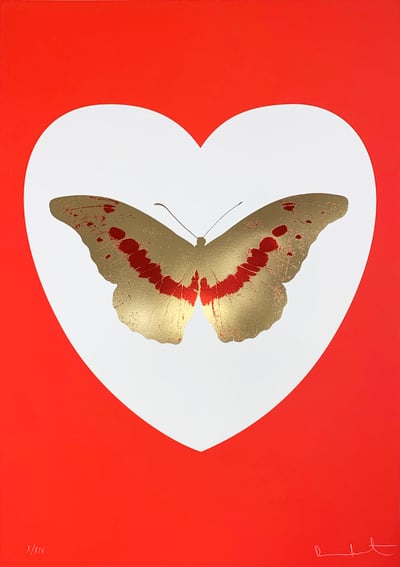
Damien Hirst
I Love You - White/Red/Cool Gold/ Poppy Red, 2015
Limited Edition Print
Mixed Media
USD 28,500
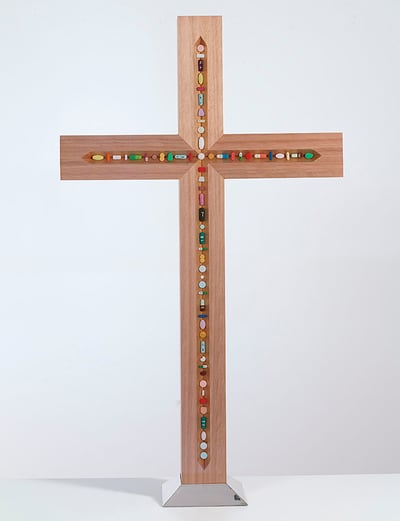
Damien Hirst
The Crucifix, 2005
Sculpture / Object
Mixed Media
USD 70,000 - 80,000
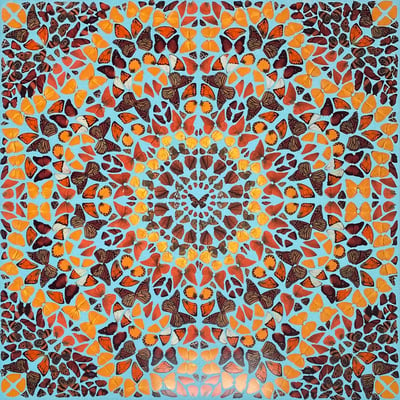
Damien Hirst
Pardon (D/D), 2012
Limited Edition Print
Screen-print
USD 35,000 - 40,000
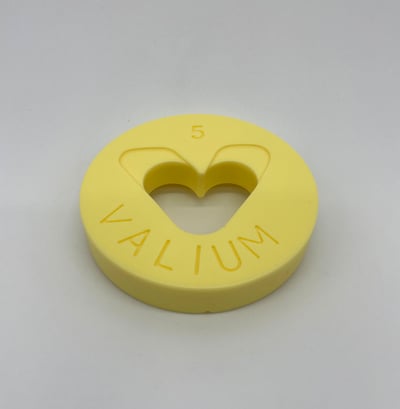
Damien Hirst
Vallium Yellow, 2014
Sculpture / Object
Mixed Media
USD 6,200

Damien Hirst
Viagra Blue (L), 2014
Sculpture / Object
Mixed Media
USD 12,240
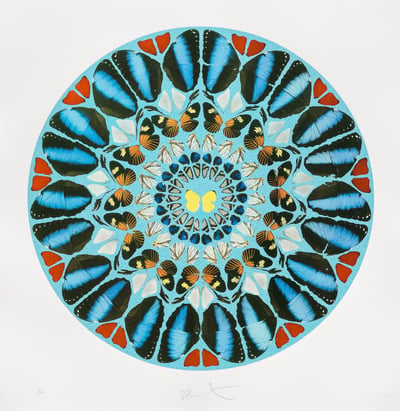
Damien Hirst
Psalm: Ad te, Domine, levavi, 2009
Limited Edition Print
Mixed Media
USD 21,000

Damien Hirst
Psalm: Domine, Dominus noster, 2009
Limited Edition Print
Screen-print
USD 23,000
Related Articles

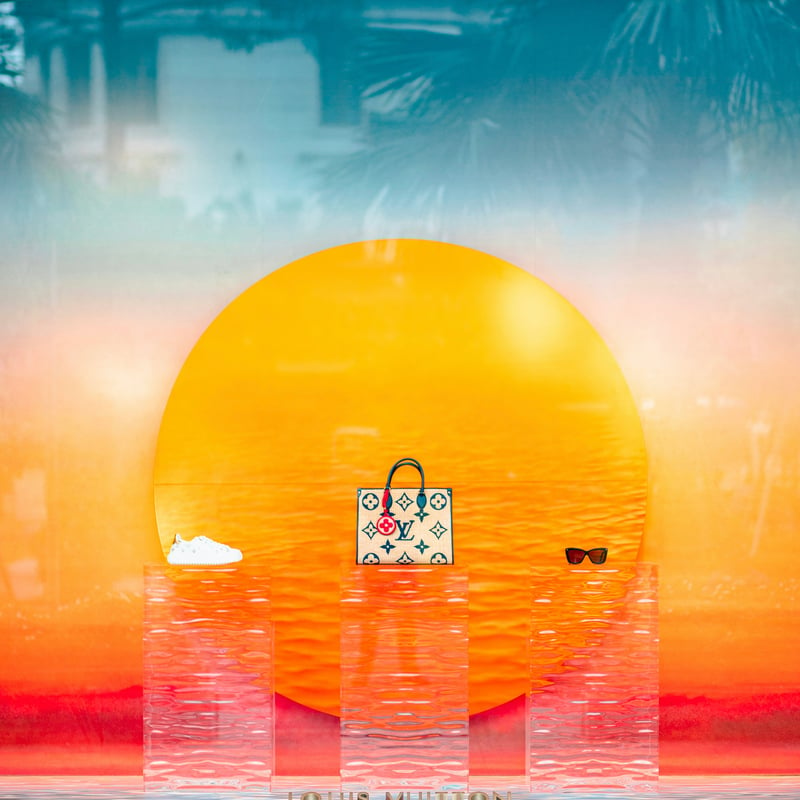


Art Informel is a French term referring to the gestural and improvisational techniques common in abstract painting during the 1940s and 50s. It encompasses various styles that dominated these decades, characterized by informal, spontaneous methods. Artists used this term to describe approaches that moved away from traditional structures and embraced more expressive, unstructured techniques.
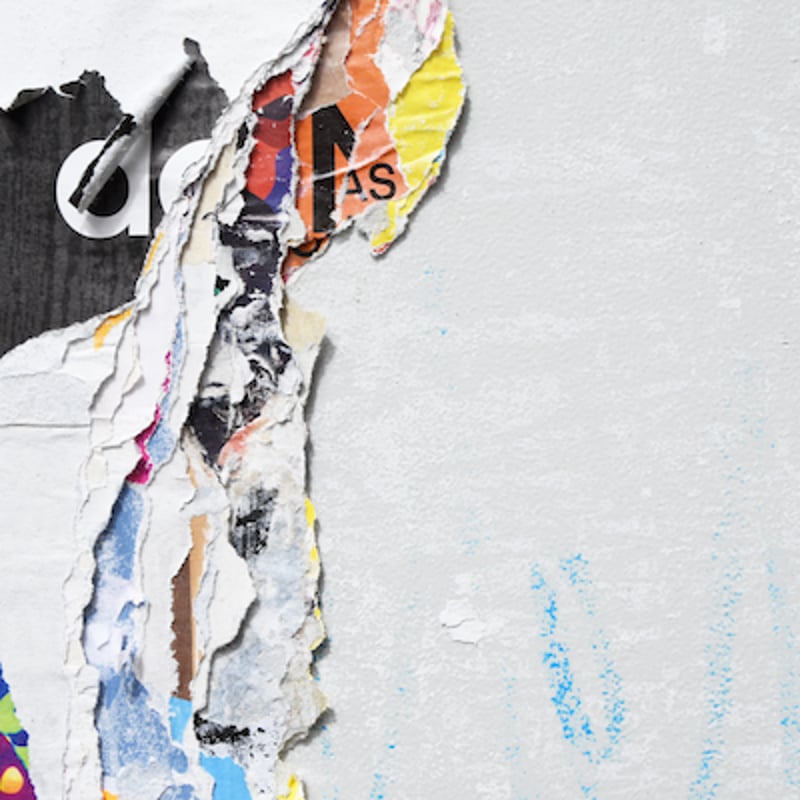
Décollage is an art technique involving the removal, cutting, or tearing away of parts of an original image. The term comes from the French word meaning to take off or to unstick. Artists use this method to challenge or replace existing values, often symbolically tearing away influences from media or conventional thinking.
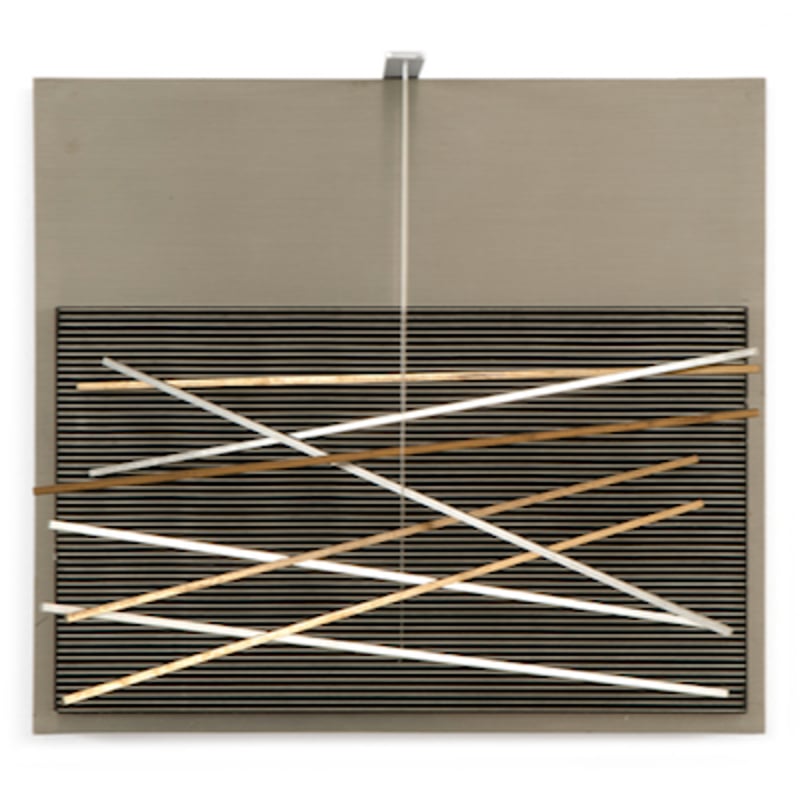
Kinetic art is an international movement that emerged in the 1920s and gained prominence in the 1960s, referring to art that involves both apparent and real motion. It encompasses any medium that includes movement, either relying on actual motion for its effect or being perceived as moving by the viewer. Early examples include canvas paintings designed to create optical illusions of movement. Today, kinetic art often refers to three-dimensional figures and sculptures, such as those operated by machines or those that move naturally. The movement covers a variety of styles and techniques that frequently overlap.
Can't find your Answer?
Thank you! Your question has been sent — we'll get back to you shortly.
