
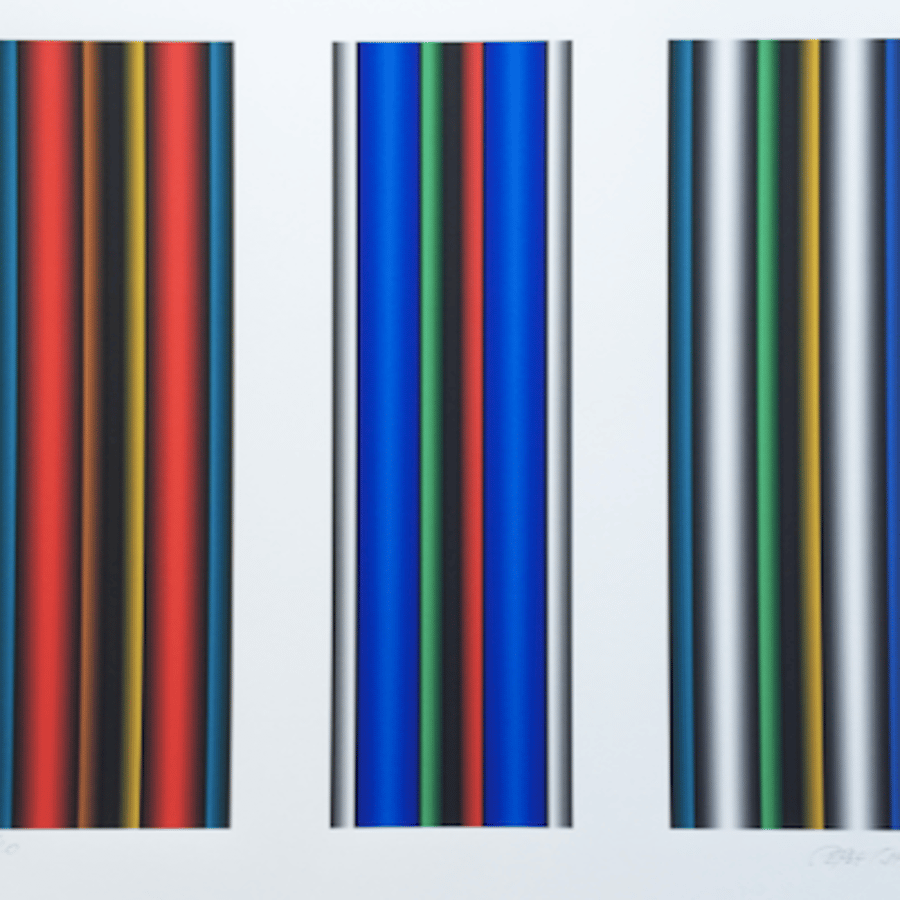
What is a Lithograph?
- Show All
- Established
- Discoveries
- Show All
Artworks Related to Lithograph
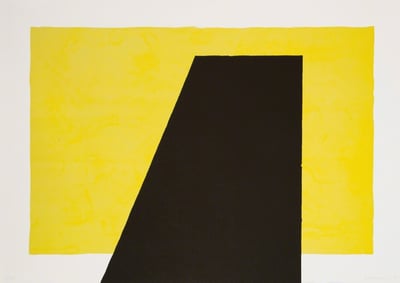
David Batchelor
Chromoscape 8-10, 2018
Limited Edition Print
Lithograph
EUR 1,200
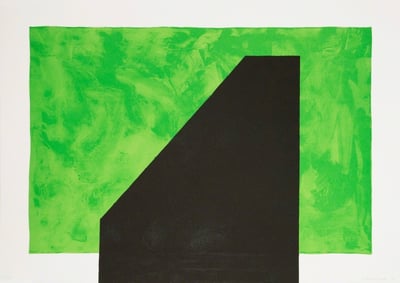
David Batchelor
Chromoscape 9-10, 2018
Limited Edition Print
Lithograph
EUR 1,200
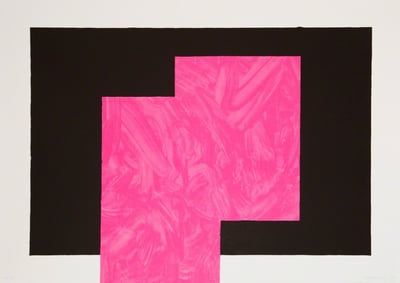
David Batchelor
Chromoscape 10-10, 2018
Limited Edition Print
Lithograph
EUR 1,200
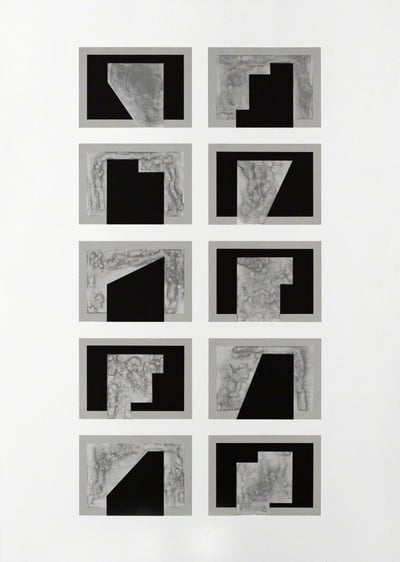
David Batchelor
Chromoscape Grey, 2018
Limited Edition Print
Lithograph
EUR 1,200

Rose Wylie
Portrait 12, 2017
Limited Edition Print
Lithograph
EUR 1,400

Rose Wylie
Portrait 11, 2017
Limited Edition Print
Lithograph
EUR 1,400

Rose Wylie
Portrait 16, 2017
Limited Edition Print
Lithograph
EUR 1,400

Rose Wylie
Portrait 13, 2017
Limited Edition Print
Lithograph
EUR 1,400

Rose Wylie
Portrait 14, 2017
Limited Edition Print
Lithograph
EUR 1,400

Rose Wylie
Portrait 15, 2017
Limited Edition Print
Lithograph
EUR 1,400

Rose Wylie
Portrait 17, 2017
Limited Edition Print
Lithograph
EUR 1,400

Rose Wylie
Portrait 18, 2017
Limited Edition Print
Lithograph
EUR 1,400

Rose Wylie
Portrait 19, 2017
Limited Edition Print
Lithograph
EUR 1,400

Rose Wylie
Portrait 20, 2017
Limited Edition Print
Lithograph
EUR 1,400
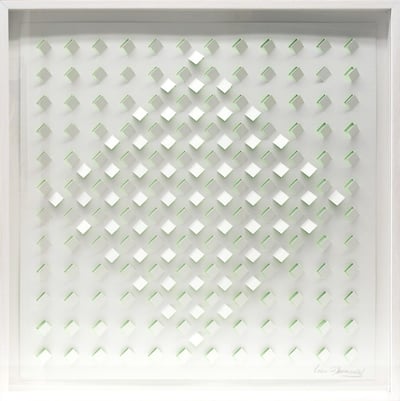
Luis Tomasello
S/T 1 - Verde, 2013
Limited Edition Print
Lithograph
EUR 3,000
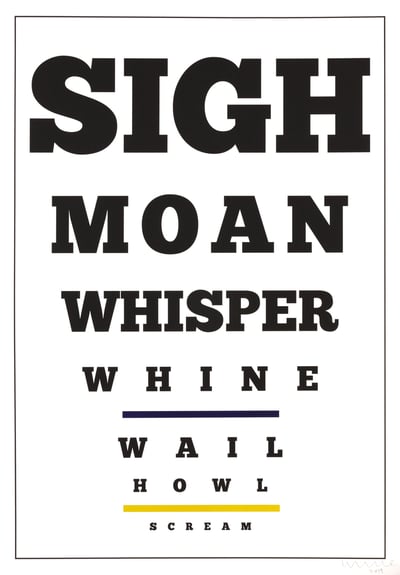
Ivan Navarro
Carta Visual (Sign), 2019
Limited Edition Print
Lithograph
EUR 2,000
Related Articles


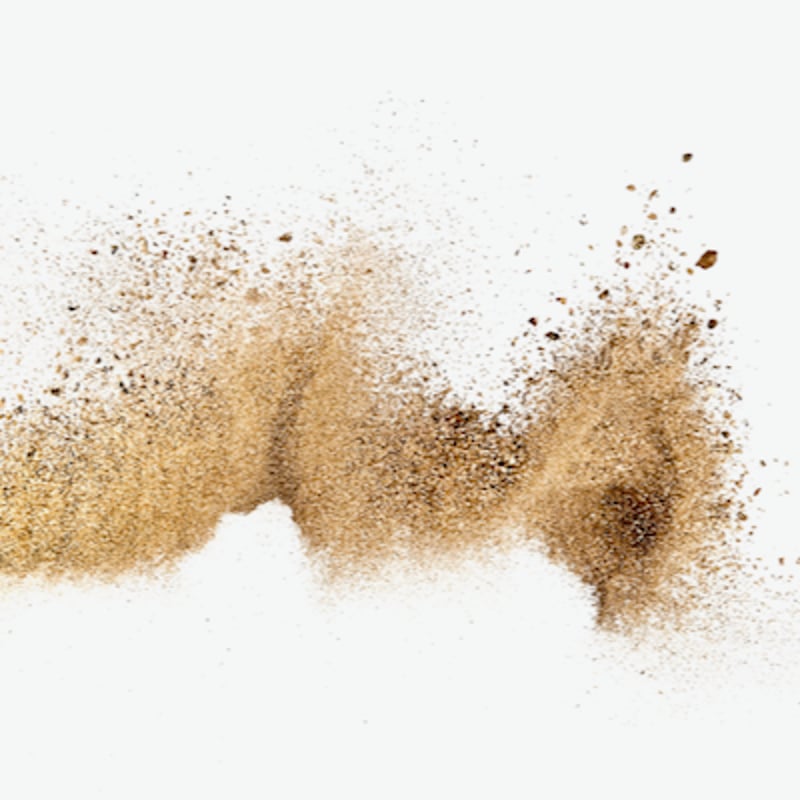
Sand consists of loose grains of material primarily made up of minerals like quartz, mica, and feldspar, as well as small fragments of rocks. Sand paintings are created by pouring colored sand into intricate designs, often for cultural rituals or special celebrations. These designs can take many days to complete and are traditionally brushed away after the ceremony, emphasizing the impermanence of the artwork.

Grupo Frente was a movement founded in 1954 in Brazil by teaching artist Ivan Serpa. The movement included many students from the Rio de Janeiro Museum of Modern Art and sought to reject the nationalism and figuration present in the modernist forms of Brazilian painting. Grupo Frente emphasized experimentation and abstraction, aiming to explore new artistic possibilities beyond traditional constraints.
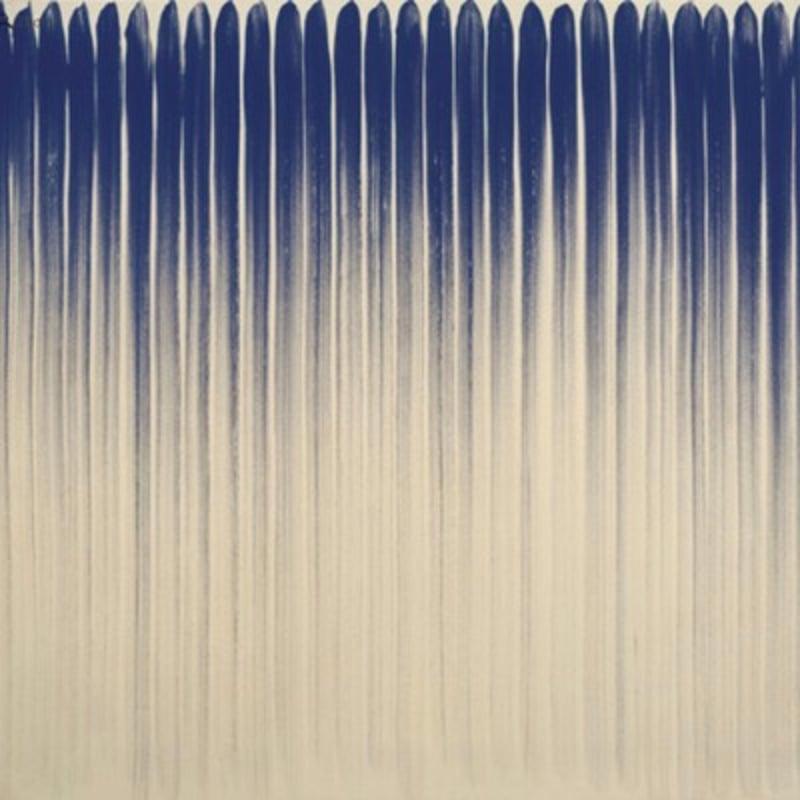
Meaning School of Things, Mono-ha originated in Tokyo in the mid-1960s. Instead of creating traditional artwork, the artists of Mono-ha used different materials and their natural properties to express dismay at the industrialization taking place in Japan at the time. The movement gained international attention and is now a widely respected form of art, known for its emphasis on the relationship between materials and their environment.
Can't find your Answer?
Thank you! Your question has been sent — we'll get back to you shortly.
