
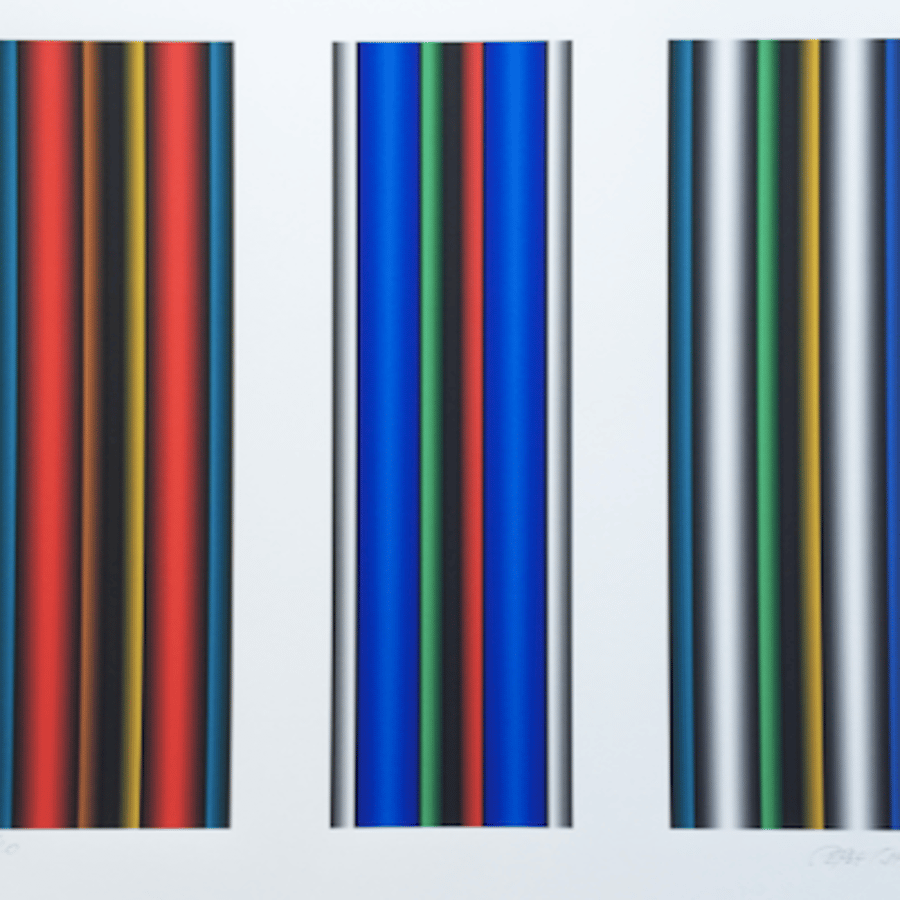
What is a Lithograph?
- Show All
- Established
- Discoveries
- Show All
Artworks Related to Lithograph
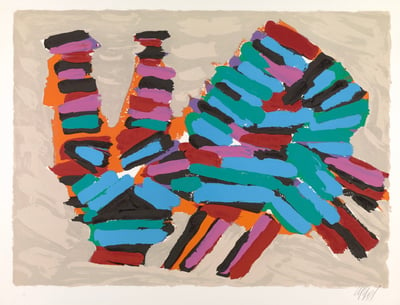
Karel Appel
Frightened Cat, 1979
Limited Edition Print
Lithograph
USD 750
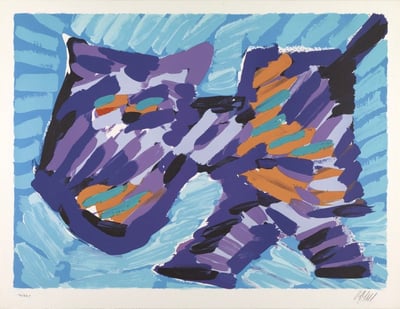
Karel Appel
Walking Cat, 1979
Limited Edition Print
Lithograph
USD 750
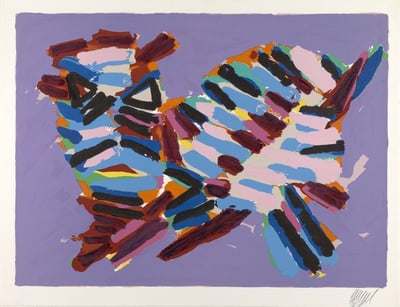
Karel Appel
Innocent Cat, 1979
Limited Edition Print
Lithograph
USD 750
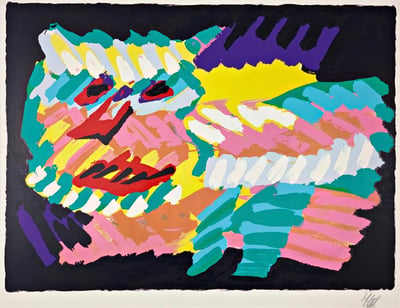
Karel Appel
Pink Cat, 1979
Limited Edition Print
Lithograph
USD 750

Keith Haring
Untitled (Cockfight), 1985
Limited Edition Print
Lithograph
USD 42,900
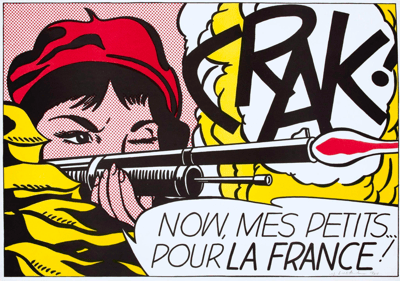
Roy Lichtenstein
CRAK!, 1963-1965
Limited Edition Print
Lithograph
Currently Not Available
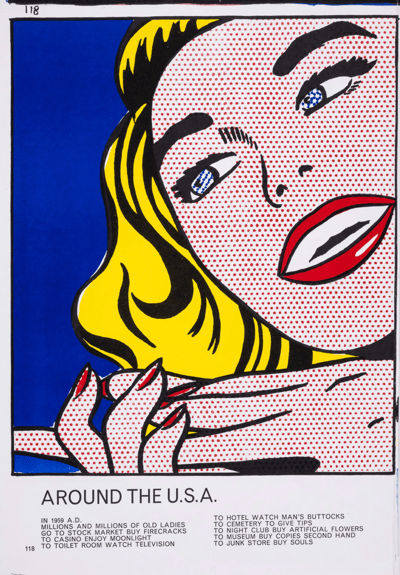
Roy Lichtenstein
Girl, 1964
Limited Edition Print
Lithograph
USD 3,000

Robert Mangold
Semi Circle III, 1995
Limited Edition Print
Lithograph
Currently Not Available
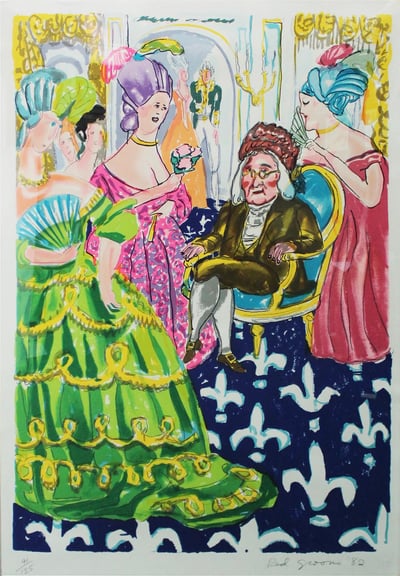
Red Grooms
Franklins Reception at the Court of France, 1982
Limited Edition Print
Lithograph
USD 1,990

Georges Braque
Les Champs M#1045, 1962
Limited Edition Print
Lithograph
USD 5,000

Georges Braque
L'envol
Limited Edition Print
Lithograph
USD 6,250

Georges Braque
La Liberte Des Mers (Vallier 143), 1959
Limited Edition Print
Lithograph
USD 4,375

Georges Braque
La Chaise M #1046 , 1962
Limited Edition Print
Lithograph
USD 5,000

Georges Braque
Greek Profile M. 76 – 146, 1960
Limited Edition Print
Lithograph
USD 3,750

Keith Haring
International Youth Year, 1985
Limited Edition Print
Lithograph
USD 14,300

Roy Lichtenstein
Litho/Litho, 1970
Limited Edition Print
Lithograph
USD 17,200
Related Articles



Screen printing is a technique where ink is transferred through a mesh onto a substrate, with areas blocked by a stencil to prevent ink from passing through. This method, also known as serigraphy or silkscreen printing, is commonly used to produce prints on posters, T-shirts, vinyl, stickers, wood, and other materials. The process is a type of stencil printing, allowing for vibrant, detailed designs on various surfaces.

Op Art is a visual art style that uses optical illusions to create the impression of movement, vibrating patterns, flashing, or hidden images. The works are typically abstract, with many well-known pieces in black and white. The roots of Op Art can be traced back to earlier movements like Futurism, Constructivism, Dada, and Neo-Impressionism, particularly in their use of color effects and graphic design.
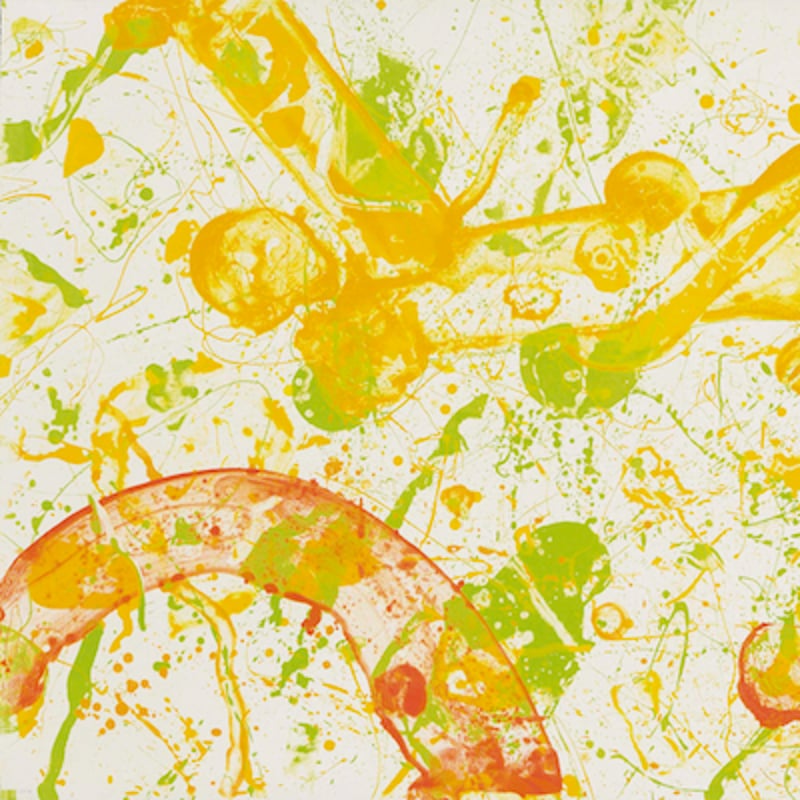
Tachisme is a French abstract painting style that gained popularity between 1940 and 1950, often seen as the European counterpart to Abstract Expressionism. However, there are stylistic differences between the two. Tachisme, which emerged from Art Informel, rejected geometric abstraction in favor of more intuitive and spontaneous expression. It was a reaction against the structured forms of Cubism and is closely related to Informalism. Tachisme emphasizes gestural brushwork, irregular forms, and a focus on the process of painting itself.
Can't find your Answer?
Thank you! Your question has been sent — we'll get back to you shortly.
