
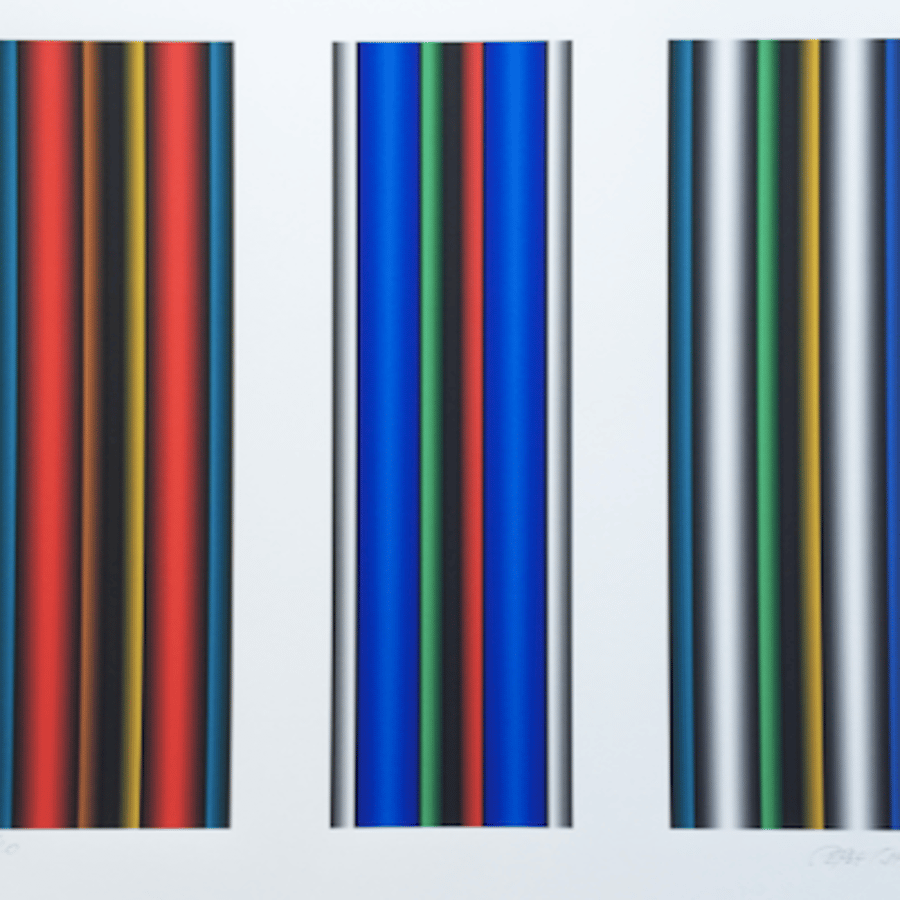
What is a Lithograph?
- Show All
- Established
- Discoveries
- Show All
Artworks Related to Lithograph
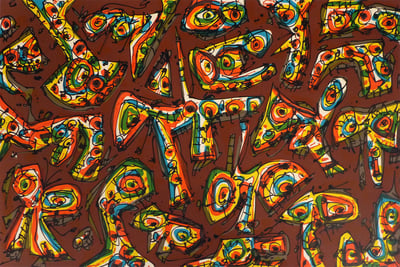
Antonio Saura
Serie Abierta (Vibrant Eyes and Abstract Shapes, 1989
Limited Edition Print
Lithograph
EUR 2,950
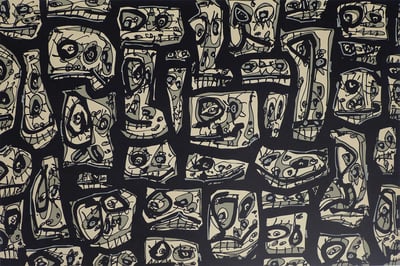
Antonio Saura
Serie Abierta (Crowded Faces), 1989
Limited Edition Print
Lithograph
EUR 2,950

Joan Hernandez Pijuan
Colors per un paisatge, 2004
Limited Edition Print
Lithograph
EUR 1,200

Miquel Barceló
La chaussure, 1984
Limited Edition Print
Lithograph
EUR 4,300
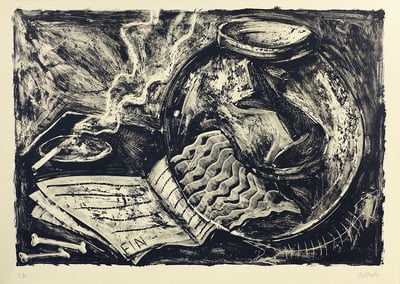
Miquel Barceló
Nature morte, 1984
Limited Edition Print
Lithograph
EUR 4,300
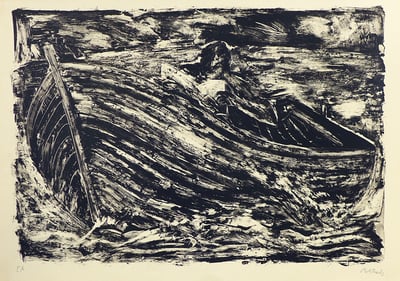
Miquel Barceló
La barque, 1984
Limited Edition Print
Lithograph
EUR 4,300

Miquel Barceló
La bibliothèque, 1984
Limited Edition Print
Lithograph
EUR 4,300
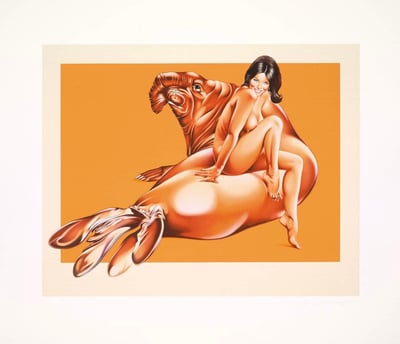
Mel Ramos
Elephant Seal, 2013
Limited Edition Print
Lithograph
EUR 4,250
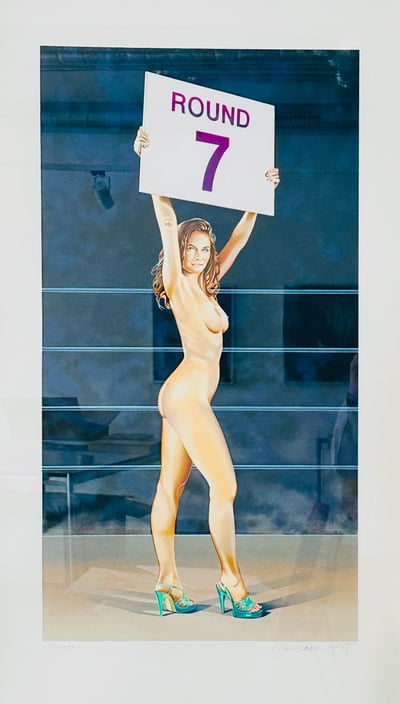
Mel Ramos
The Rounder, 1999
Limited Edition Print
Lithograph
EUR 3,100
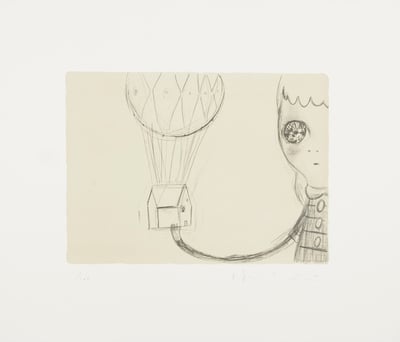
Yoshitomo Nara
Omaha, 2015
Limited Edition Print
Lithograph
EUR 16,500

Henry Moore
Two Heads, 1973
Limited Edition Print
Lithograph
Currently Not Available

Henry Moore
Head, 1975
Limited Edition Print
Lithograph
USD 1,100
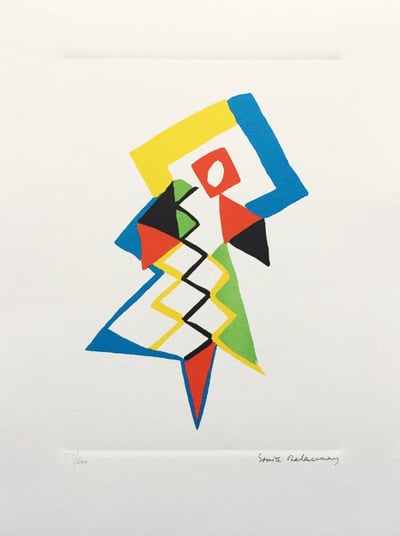
Sonia Delaunay
Jazz, c. 1994
Limited Edition Print
Lithograph
USD 850
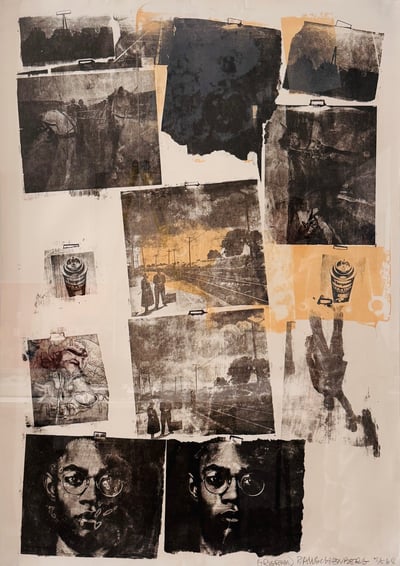
Robert Rauschenberg
Landmark, 1968
Limited Edition Print
Lithograph
USD 10,800
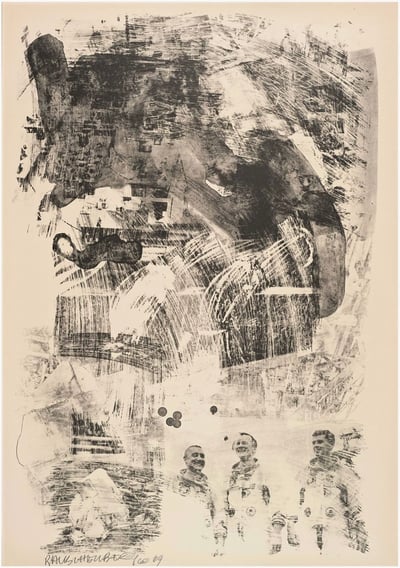
Robert Rauschenberg
Brake (Stoned Moon Series), 1969
Limited Edition Print
Lithograph
Inquire For Price
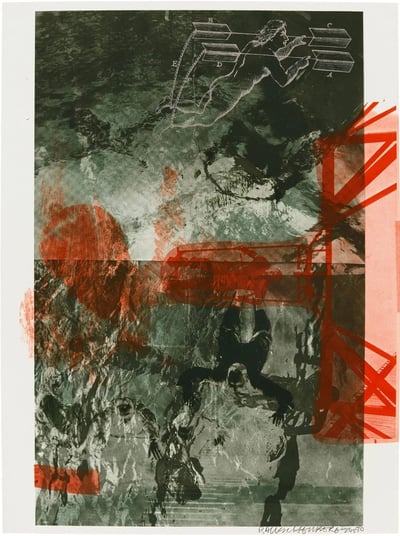
Robert Rauschenberg
Bait (Stoned Moon Series), 1970
Limited Edition Print
Lithograph
Inquire For Price
Related Articles

Entropy, in a broader sense, refers to the inevitable deterioration or decline of a society or system. In art, the concept was popularized by artist Robert Smithson in the 1960s. He used the term to critique what he saw as the static and overly simplified nature of contemporary minimalist art. Smithson's work often explored the idea of entropy as a force of chaos and decay, contrasting with the perceived order and purity of minimalist works.

Installation art is a three-dimensional artistic genre that involves site-specific works designed to alter the viewer's perception of space. These works are typically created for interior spaces, such as museums and galleries, but can also be found in private and public locations. Installation art can be temporary or permanent, depending on its purpose and setting.

Acrylic sculpture refers to both a process and the resulting object. The artist begins by creating a sculpture from clay, plaster, or epoxy, which is then used to make a flexible mold. Melted acrylic is poured into the mold, and once it cures, the acrylic piece is hand-finished through sanding and polishing. Acrylic sculptures are valued for their clarity, durability, and ability to achieve intricate details.
Can't find your Answer?
Thank you! Your question has been sent — we'll get back to you shortly.
