
What is a Lithograph?
- Show All
- Established
- Discoveries
- Show All
Artworks Related to Lithograph
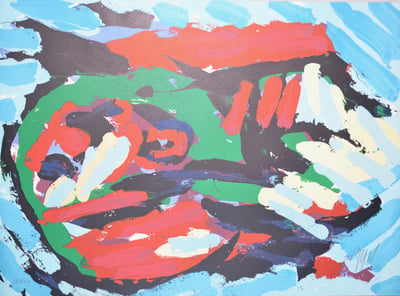
Karel Appel
Flying head over ocean, 1972
Limited Edition Print
Lithograph
USD 800
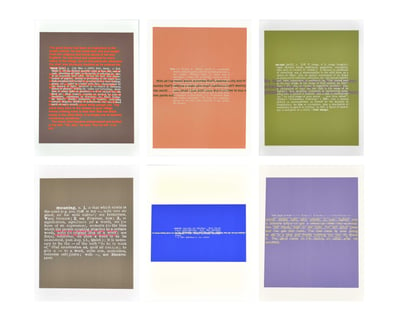
Stefan Brüggemann
Joke & Definition (portfolio of 6), 2011
Limited Edition Print
Lithograph
EUR 2,000
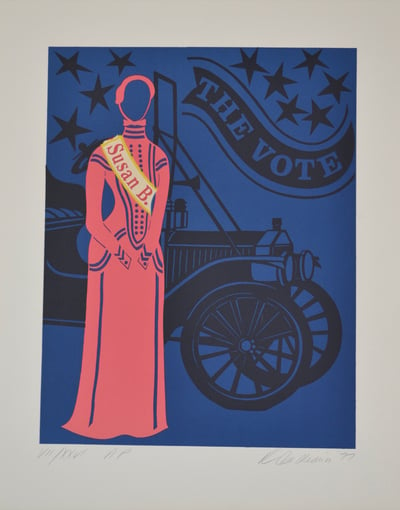
Robert Indiana
Susan B. Anthony - Mother of us all portfolio, 1977
Limited Edition Print
Lithograph
USD 1,350
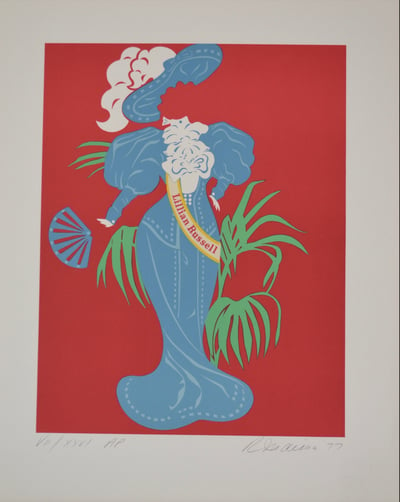
Robert Indiana
Lilian Russell - Mother of us all portfolio, 1977
Limited Edition Print
Lithograph
USD 1,350
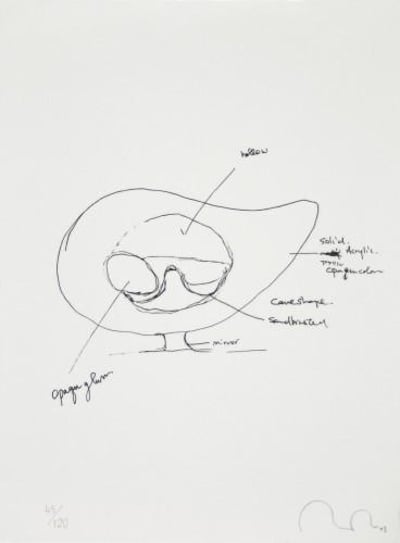
Mariko Mori
Sketch of the Wave UFO , 2004
Limited Edition Print
Lithograph
Currently Not Available
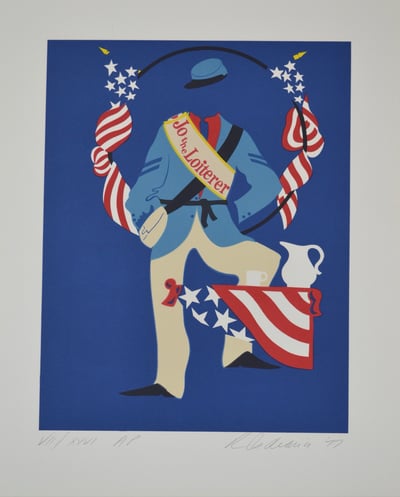
Robert Indiana
Jo the Loiterer - Mother of us all portfolio, 1977
Limited Edition Print
Lithograph
USD 1,350
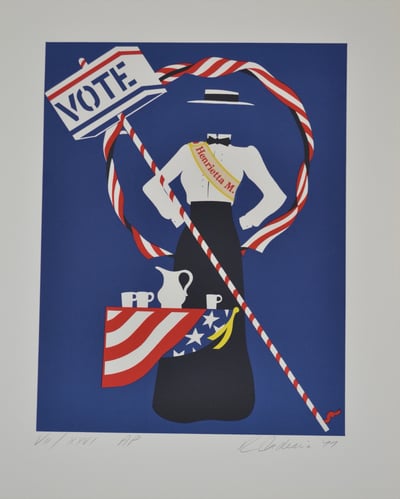
Robert Indiana
Henrietta M. - Mother of us all portfolio, 1977
Limited Edition Print
Lithograph
USD 1,350
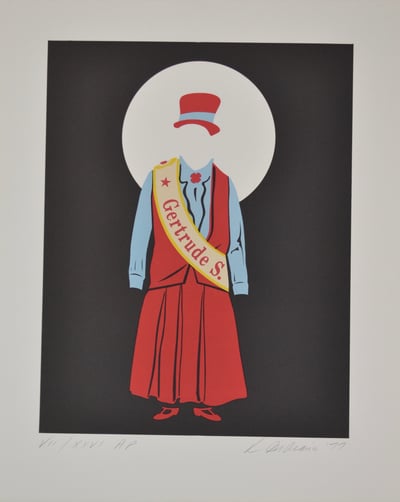
Robert Indiana
Gertrude Stein - Mother of us all portfolio, 1977
Limited Edition Print
Lithograph
USD 1,350
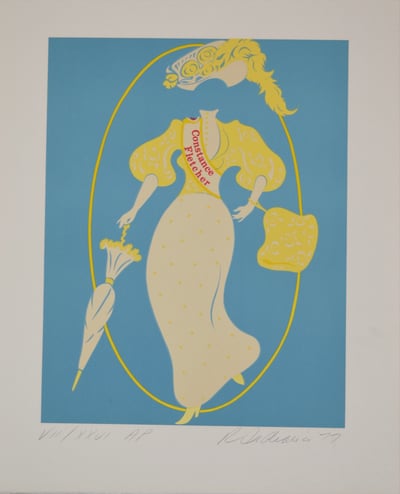
Robert Indiana
Constance Fletcher - Mother of us all portfolio , 1977
Limited Edition Print
Lithograph
USD 1,350
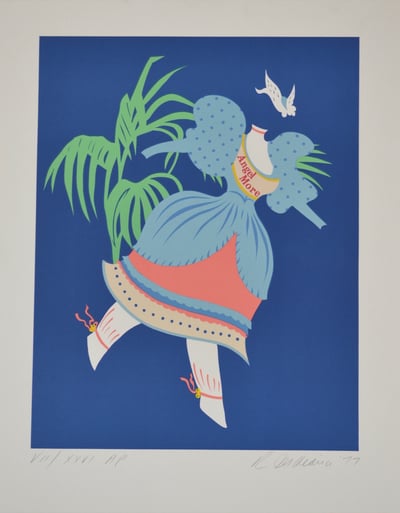
Robert Indiana
Angel More - Mother of us all portfolio , 1977
Limited Edition Print
Lithograph
USD 1,350
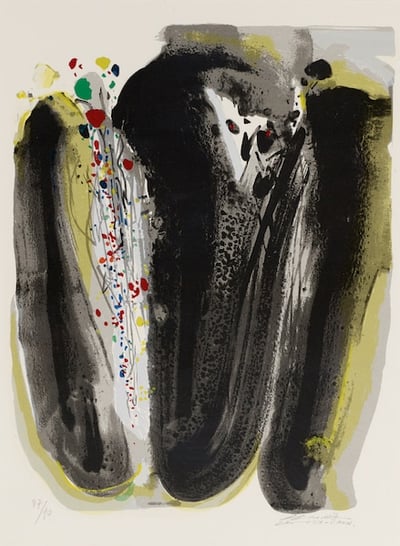
Chu Teh-Chun
Untitled
Limited Edition Print
Lithograph
Currently Not Available
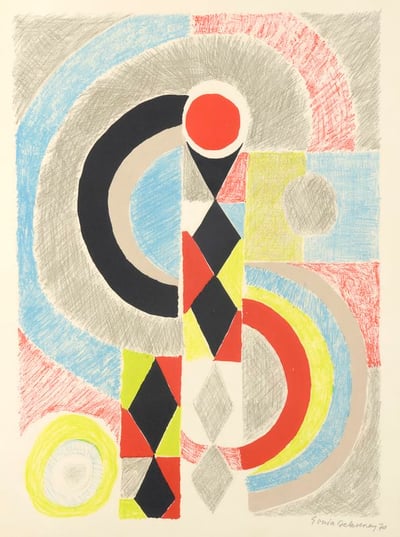
Sonia Delaunay
Totem, 1970
Limited Edition Print
Lithograph
EUR 4,850
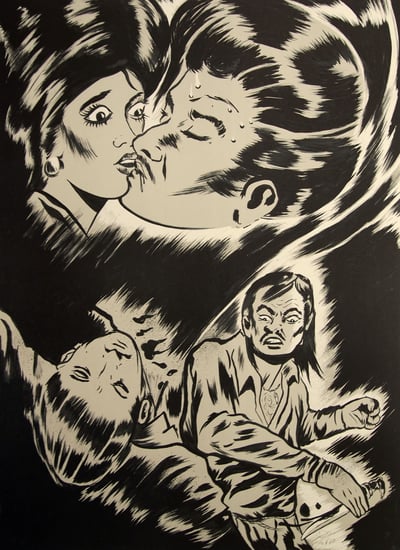
Dr Lakra
Beso, 2009
Limited Edition Print
Lithograph
EUR 750
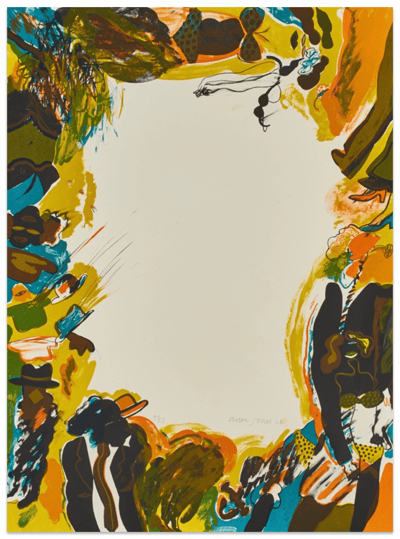
Allen Jones
Untitled from Concerning Marriages series, Plate H, 1964
Limited Edition Print
Lithograph
USD 2,400
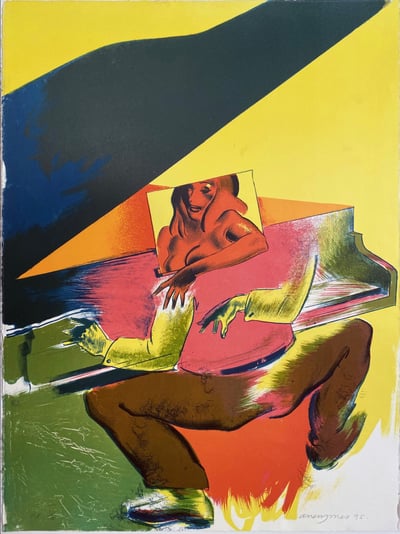
Allen Jones
Playtime, 1995
Limited Edition Print
Lithograph
USD 2,750
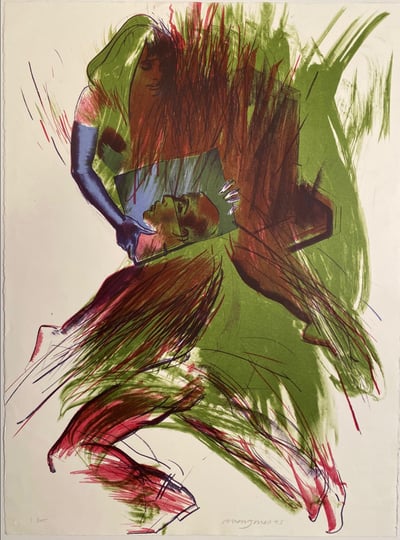
Allen Jones
No Strings, 1995
Limited Edition Print
Lithograph
USD 2,750
Related Articles


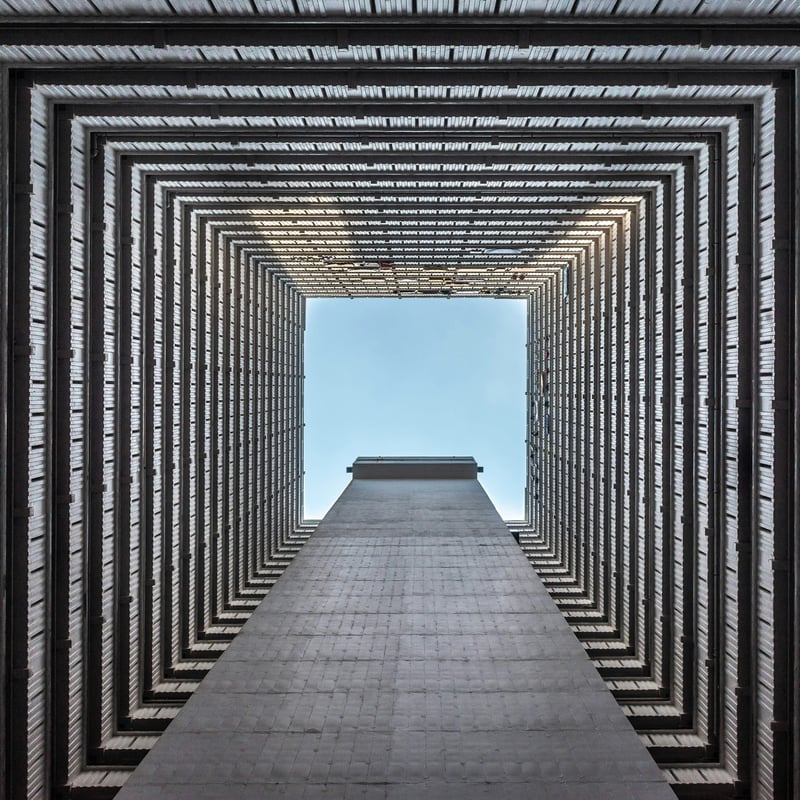
Perspective refers to the techniques artists use to represent three-dimensional objects on a two-dimensional surface. These techniques create the illusion of depth and space, making objects appear as they do in the real world, despite the limitations of a flat surface. Common types of perspective include linear and atmospheric perspective.
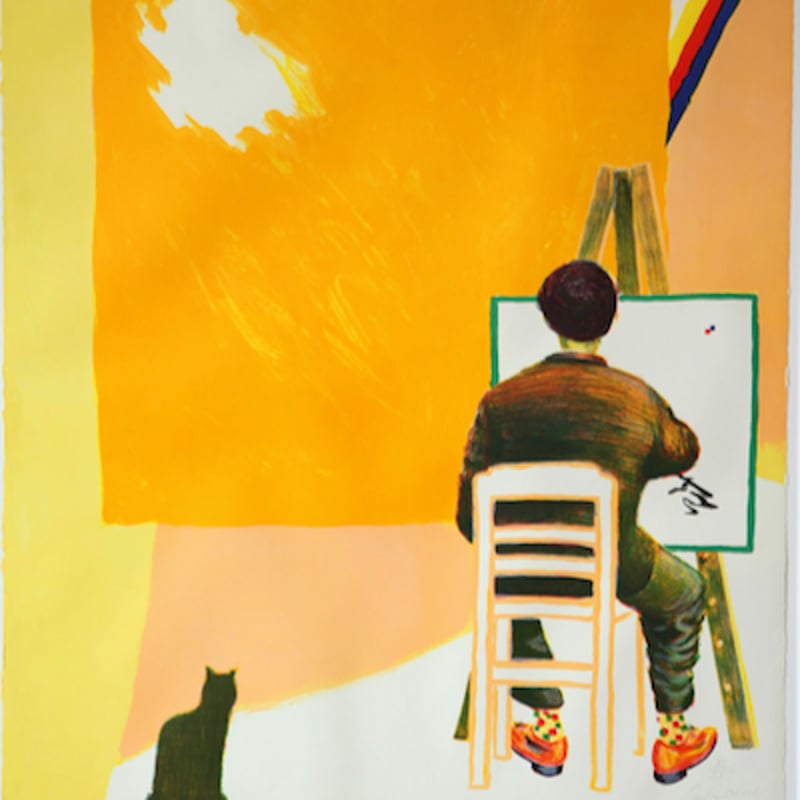
Neo-Figurative Art is a collective term that refers to the revival of figurative art in America and Europe during the 1960s, following a period dominated by abstraction. Michel Ragon, a French art critic, argued that this resurgence of figuration occurred during a critical time of social and political upheaval in both regions.

Live art is a form of performance that began in the 1960s and is generally exploratory and innovative. It involves a single artist or an artist group presenting the work before a live audience. The performances can include humans, animals, and living plants, often blurring the boundaries between art and life, and encouraging interaction with the audience.
Can't find your Answer?
Thank you! Your question has been sent — we'll get back to you shortly.
