
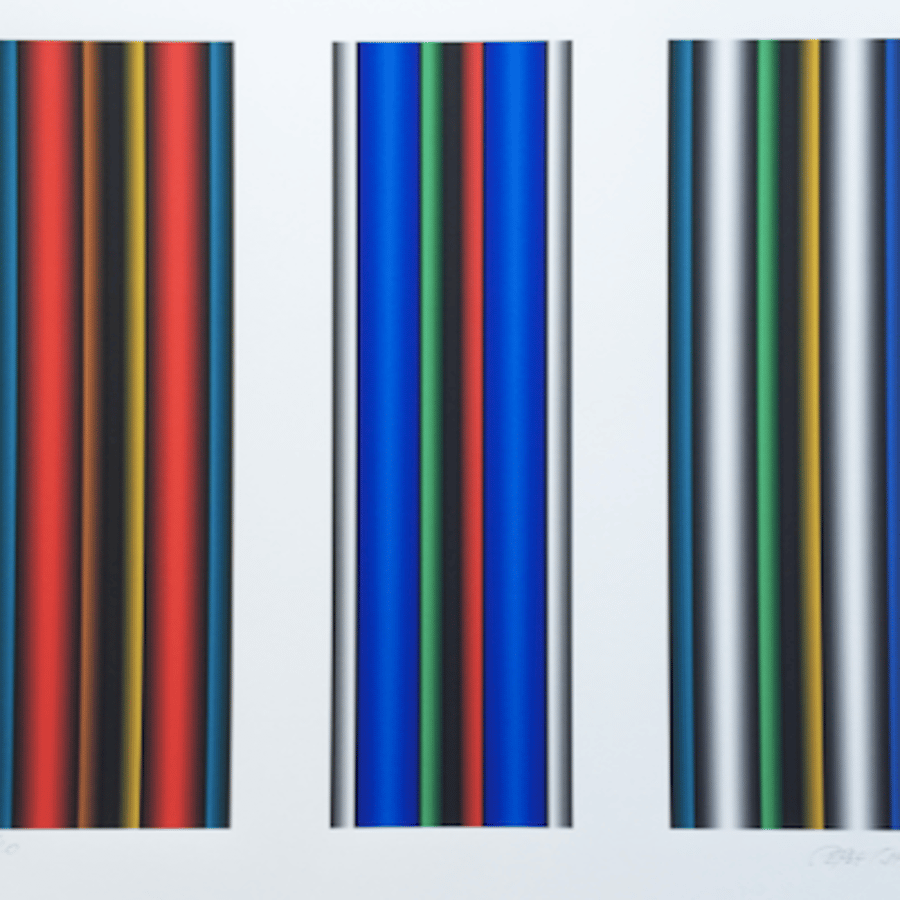
What is a Lithograph?
- Show All
- Established
- Discoveries
- Show All
Artworks Related to Lithograph
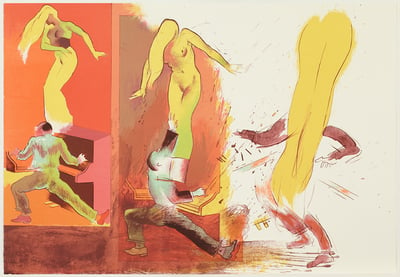
Allen Jones
Second Thought, 2012
Limited Edition Print
Lithograph
EUR 2,500
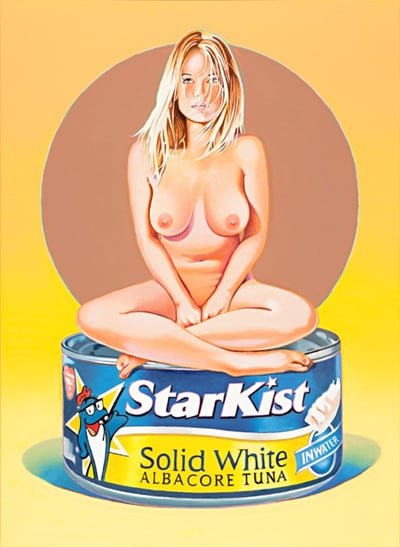
Mel Ramos
Starkist Stacey , 2014
Limited Edition Print
Lithograph
EUR 3,800
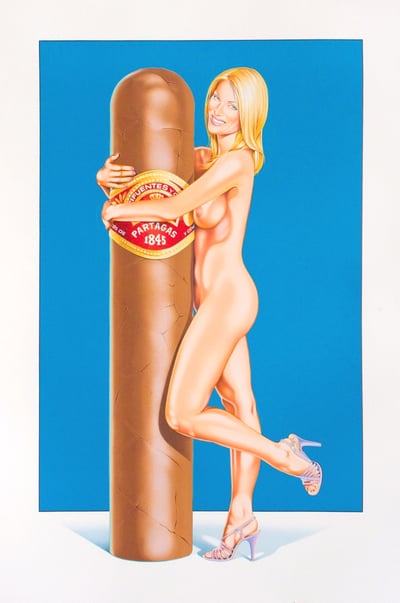
Mel Ramos
Havanna 11, 2016
Limited Edition Print
Lithograph
EUR 9,000
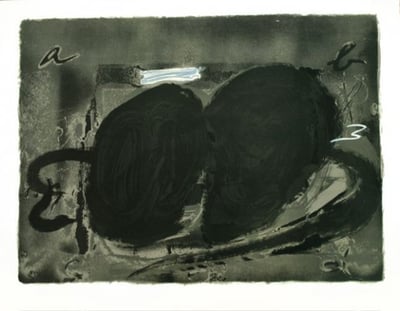
Antoni Tapies
Deux Trous 1, 1984
Limited Edition Print
Lithograph
EUR 1,550
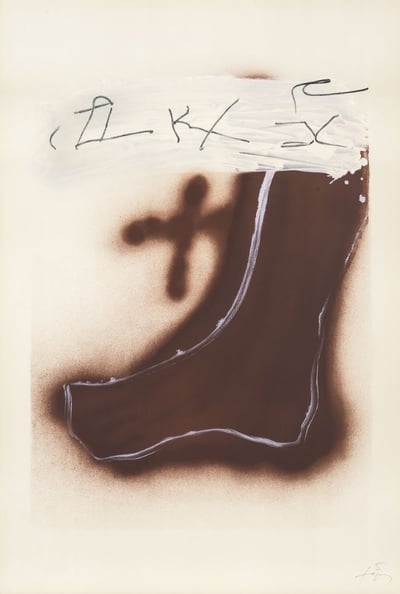
Antoni Tapies
Pied Marron, 1984
Limited Edition Print
Lithograph
EUR 3,750
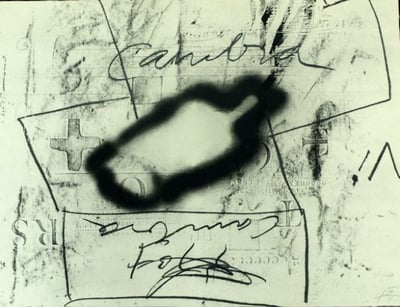
Antoni Tapies
Variations Thème Musical, 1987
Limited Edition Print
Lithograph
EUR 2,650
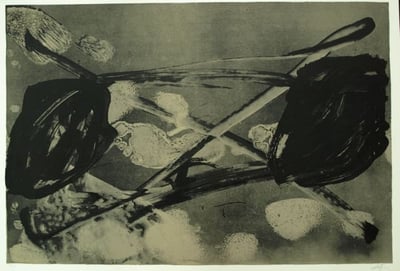
Antoni Tapies
2. Empreinte Barrée 1, 1984
Limited Edition Print
Lithograph
EUR 1,550
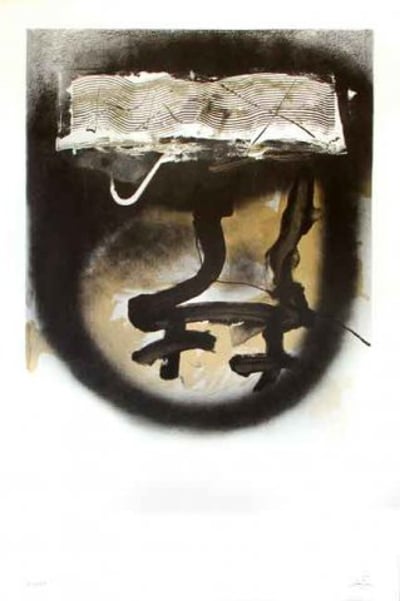
Antoni Tapies
A. L. Exposition Tàpies 1, 1983
Limited Edition Print
Lithograph
EUR 1,875
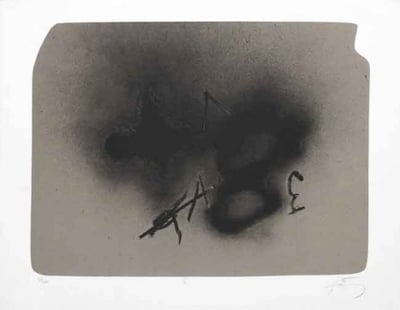
Antoni Tapies
Erinnerungen, 1988
Limited Edition Print
Lithograph
EUR 850
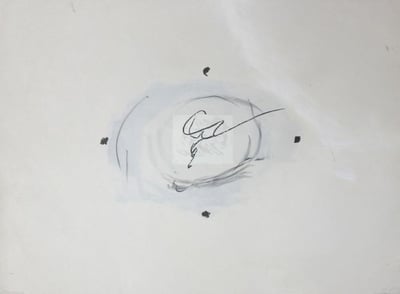
Antoni Tapies
Nocturno Matinal 1, 1970
Limited Edition Print
Lithograph
EUR 1,150
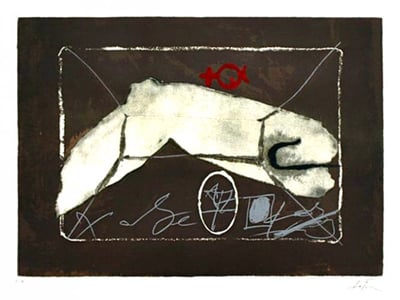
Antoni Tapies
617. Sin Título, 1978
Limited Edition Print
Lithograph
EUR 3,125
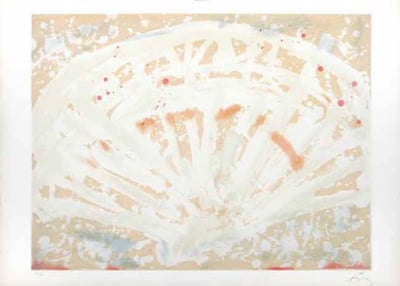
Antoni Tapies
Frigoli 10, 1969
Limited Edition Print
Lithograph
EUR 1,350
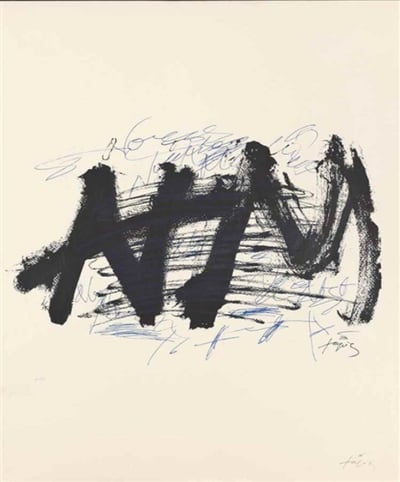
Antoni Tapies
Cartel from Nocturn Matinal, 1970
Limited Edition Print
Lithograph
EUR 1,350
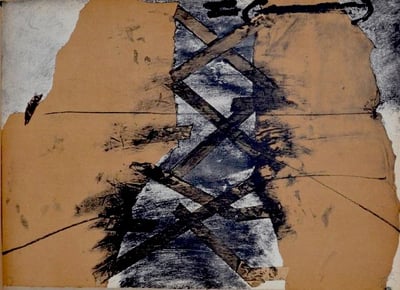
Antoni Tapies
Berliner-Suite 4, 1974
Limited Edition Print
Lithograph
EUR 1,875
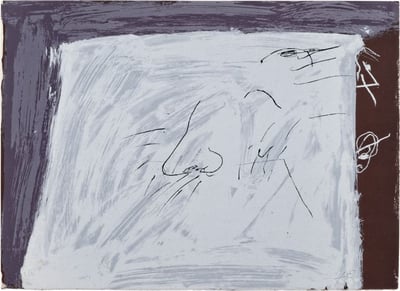
Antoni Tapies
Berliner-Suite 6, 1974
Limited Edition Print
Lithograph
EUR 1,875
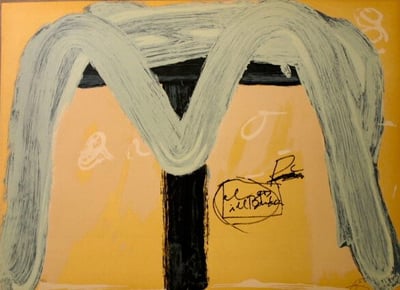
Antoni Tapies
Berliner-Suite 3, 1974
Limited Edition Print
Lithograph
EUR 2,650
Related Articles



Pixel Art is a form of digital art created by placing individual pixels, similar to assembling a mosaic where each small piece contributes to a larger image. The style is often associated with nostalgia, as it draws on the techniques used in early video game graphics. Pixel art has seen a resurgence in popularity, both as a nod to retro aesthetics and as a distinct artistic style in modern digital art.

The Düsseldorf School of Photography refers to a group of photographers who studied under Bernd and Hilla Becher at the Kunstakademie Düsseldorf during the 1970s. This group was known for its devotion to the black-and-white industrial images characteristic of the German tradition known as New Objectivity. The photographers focused on precise, methodical documentation of industrial structures, often using a detached and objective approach.

A silver gelatin print is a type of photographic print made using the silver process. In this process, photographic materials such as black and white films and printing papers are coated with a light-sensitive emulsion of silver salts suspended in gelatin. This emulsion is applied to a support, which could be flexible plastic, glass, resin-coated paper, or baryta paper. The materials are light-sensitive and remain stable under normal storage conditions, making them ideal for long-term preservation.
Can't find your Answer?
Thank you! Your question has been sent — we'll get back to you shortly.
