
What is a screen-print?
- Show All
- Established
- Discoveries
- Show All
Artworks Related to Screen-print
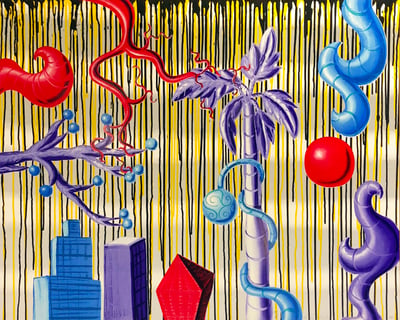
Kenny Scharf
Acid Rain, 1988
Limited Edition Print
Screen-print
USD 3,000

Ed Ruscha
Hollywood, 1968
Limited Edition Print
Screen-print
Currently Not Available
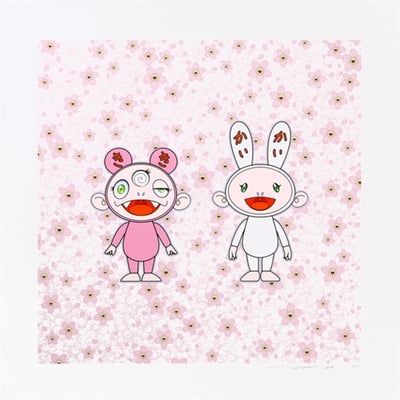
Takashi Murakami
Cherry Blossoms in Bloom, 2020
Limited Edition Print
Screen-print
USD 9,950

Roy Lichtenstein
Inaugural Print from the Inaugural Impressions portfolio, 1977
Limited Edition Print
Screen-print
USD 25,000 - 35,000
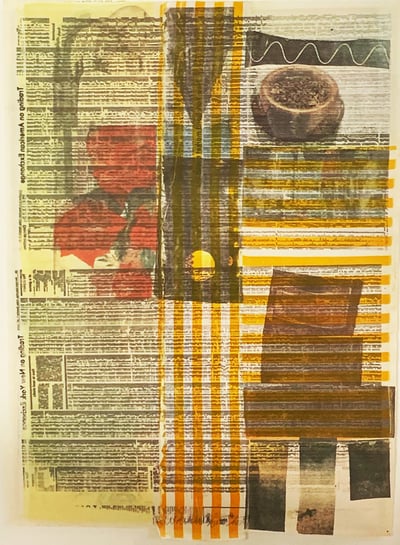
Robert Rauschenberg
One More & We Will Be More Than Halfway There, 1979
Limited Edition Print
Screen-print
USD 4,350

Takashi Murakami
Tonari Smiley, 2020
Limited Edition Print
Screen-print
USD 7,200
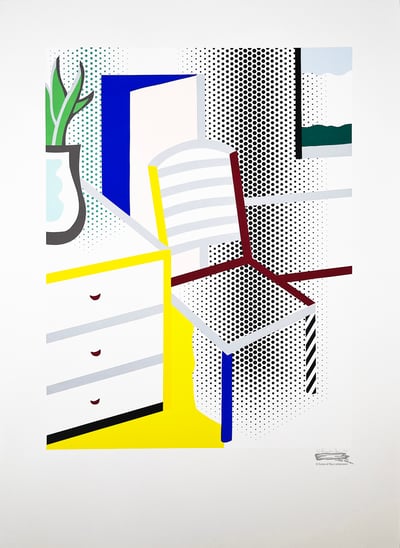
Roy Lichtenstein
Interior with Chair from the Leo Castelli 90th Birthday portfolio, 1997
Limited Edition Print
Screen-print
USD 30,000 - 40,000
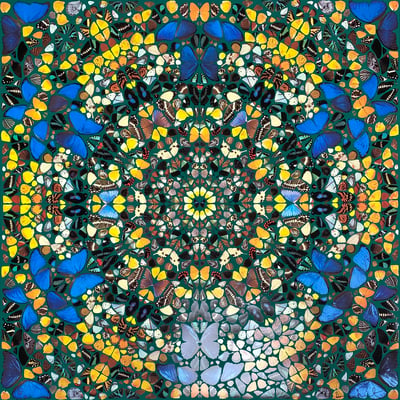
Damien Hirst
Cathedral (Non) D/D St Paul, 2007
Limited Edition Print
Screen-print
USD 30,000 - 40,000
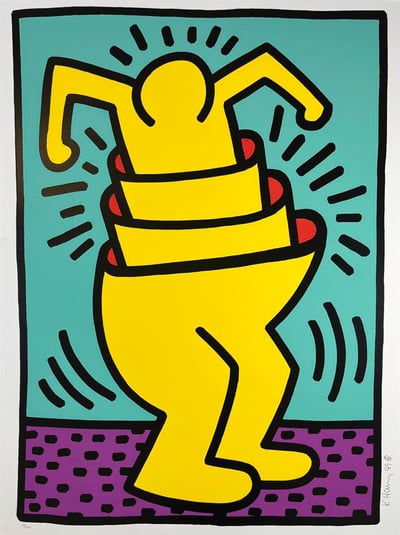
Keith Haring
Untitled (Cup Man), 1989
Limited Edition Print
Screen-print
USD 90,000 - 120,000
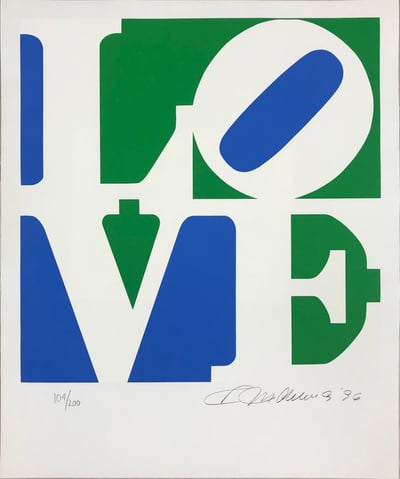
Robert Indiana
The Book of Love 8, 1996
Limited Edition Print
Screen-print
USD 15,900
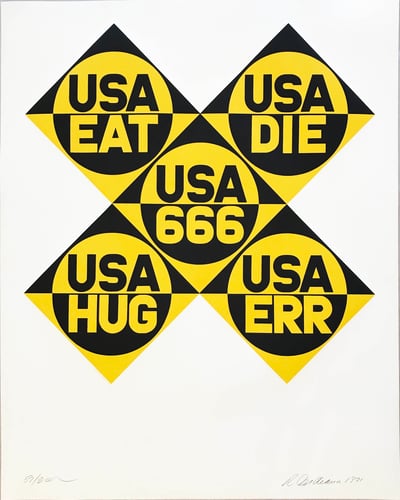
Robert Indiana
Decade (USA 666), 1971
Limited Edition Print
Screen-print
USD 3,850
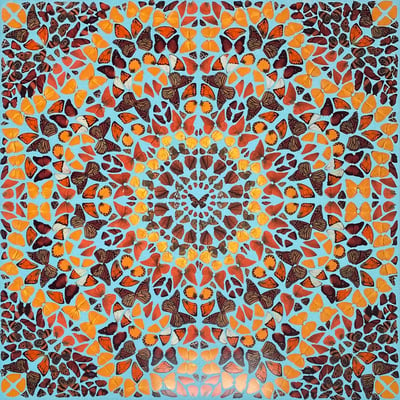
Damien Hirst
Pardon (D/D), 2012
Limited Edition Print
Screen-print
USD 35,000 - 40,000

Robert Indiana
Decade (The Figure 5), 1971
Limited Edition Print
Screen-print
USD 4,500
Roy Lichtenstein
Private Listing
Limited Edition Print

Damien Hirst
Psalm: Domine, Dominus noster, 2009
Limited Edition Print
Screen-print
USD 23,000
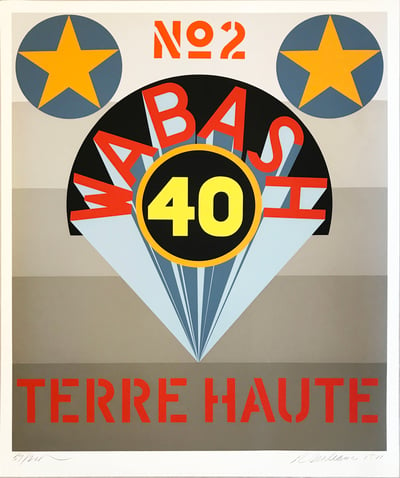
Robert Indiana
Decade (Terre Haute No. 2), 1971
Limited Edition Print
Screen-print
USD 3,200
Related Articles
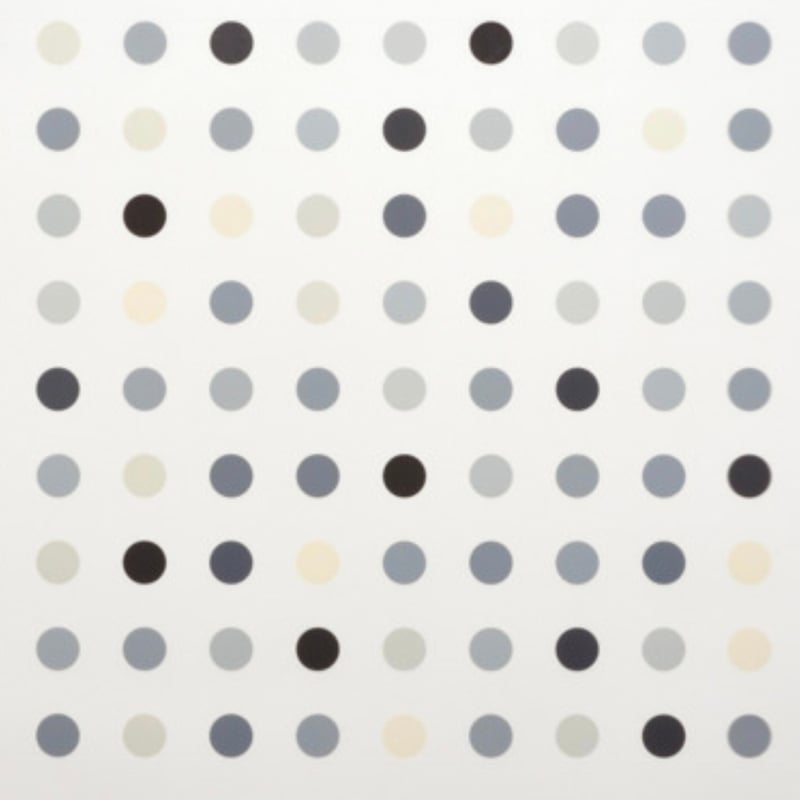


Cement refers to a variety of mixtures, typically made from clay, limestone, water, sand, and gravel, which form concrete used in construction. The term to cement also means to join or unite materials. In art, cement can refer to the process of securely gluing or bonding elements together, often used in sculptural work or mixed media.

A silver gelatin print is a type of photographic print made using the silver process. In this process, photographic materials such as black and white films and printing papers are coated with a light-sensitive emulsion of silver salts suspended in gelatin. This emulsion is applied to a support, which could be flexible plastic, glass, resin-coated paper, or baryta paper. The materials are light-sensitive and remain stable under normal storage conditions, making them ideal for long-term preservation.

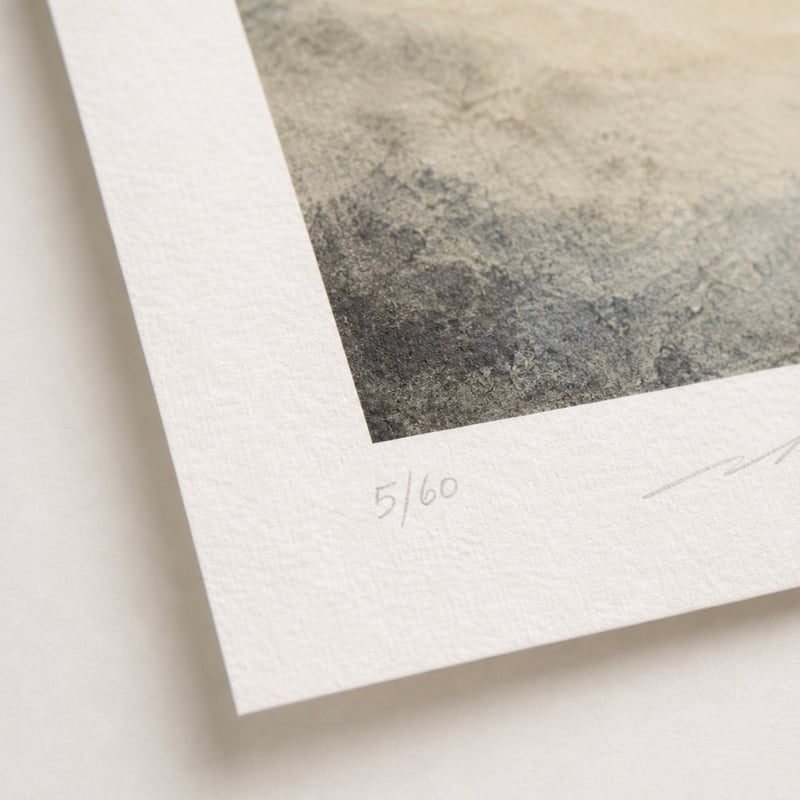
Épreuve d'Artist refers to the artist's proofs in a limited edition of prints. These are a small number of prints reserved by the artist for personal use and are typically marked with the abbreviation E.A. (épreuve d'artist) or AP (artist's proof). Artist’s proofs are usually identical to the regular edition but are often considered more valuable due to their limited quantity.
Can't find your Answer?
Thank you! Your question has been sent — we'll get back to you shortly.
