
What is a screen-print?
- Show All
- Established
- Discoveries
- Show All
Artworks Related to Screen-print
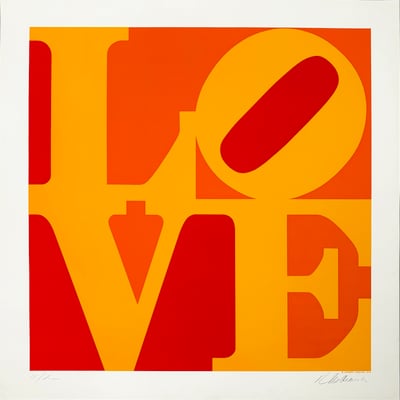
Robert Indiana
Golden Love, 1973
Limited Edition Print
Screen-print
Currently Not Available
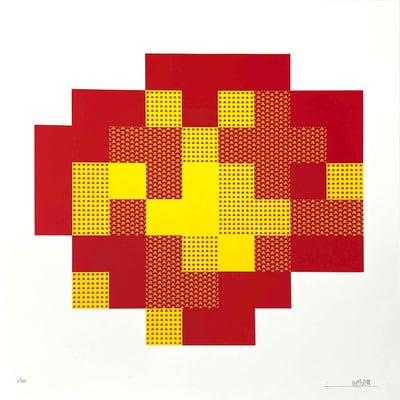
Invader
Explosion, 2015
Limited Edition Print
Screen-print
USD 12,000
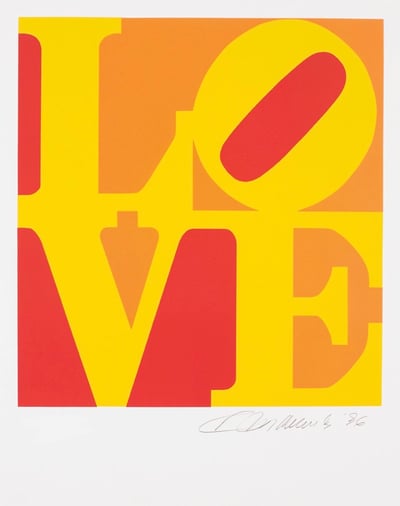
Robert Indiana
The Book of Love 10, 1996
Limited Edition Print
Screen-print
USD 17,500
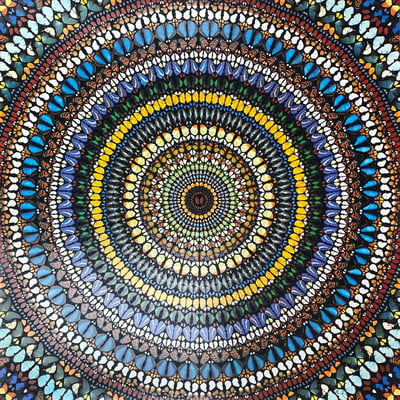
Damien Hirst
Covenant DD, 2013
Limited Edition Print
Screen-print
USD 70,000 - 80,000
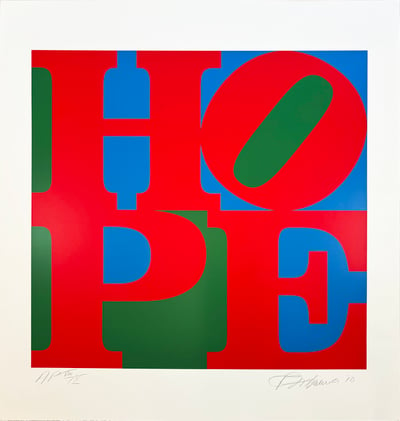
Robert Indiana
Hope, 2010
Limited Edition Print
Screen-print
USD 14,250
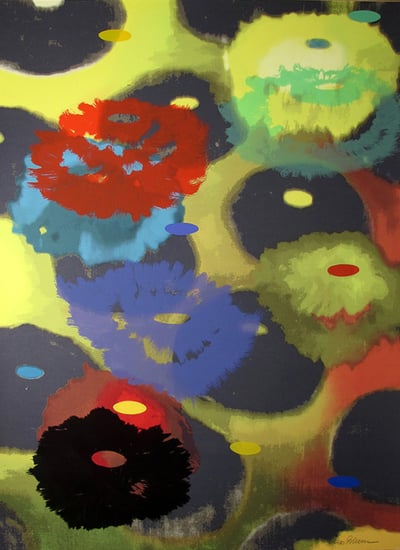
Ross Bleckner
PS III, 1997
Limited Edition Print
Screen-print
USD 3,575
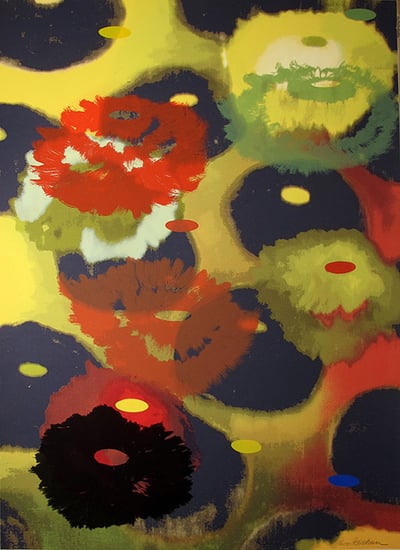
Ross Bleckner
PS I, 1997
Limited Edition Print
Screen-print
USD 3,575
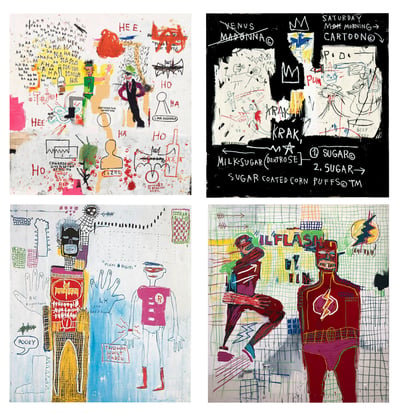
Jean-Michel Basquiat
Riddle Me This, A Panel of Experts, Piano Lesson, Flash in Naples, 1982-87/2022
Limited Edition Print
Screen-print
Inquire For Price
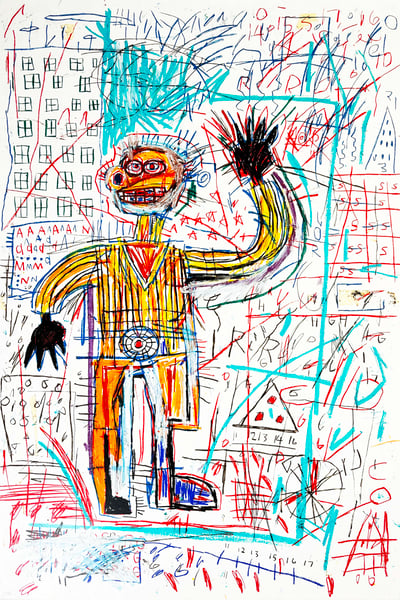
Jean-Michel Basquiat
Untitled V from The Figures Portfolio, 1982/2023
Limited Edition Print
Screen-print
USD 50,000 - 60,000
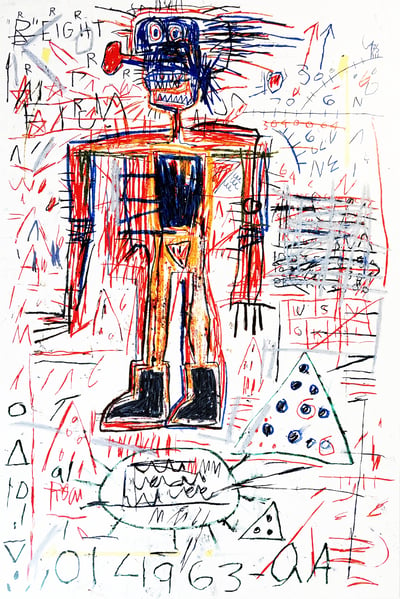
Jean-Michel Basquiat
Untitled II from The Figures Portfolio, 1982/2023
Limited Edition Print
Screen-print
USD 50,000 - 60,000
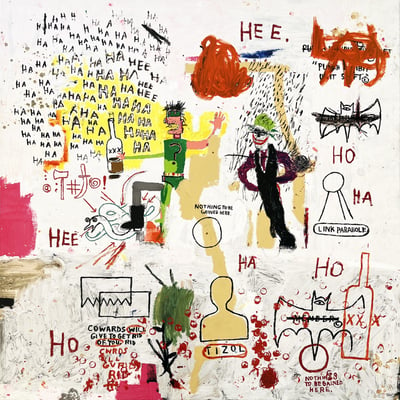
Jean-Michel Basquiat
Riddle Me This, 1982-87/2022
Limited Edition Print
Screen-print
USD 65,000 - 75,000
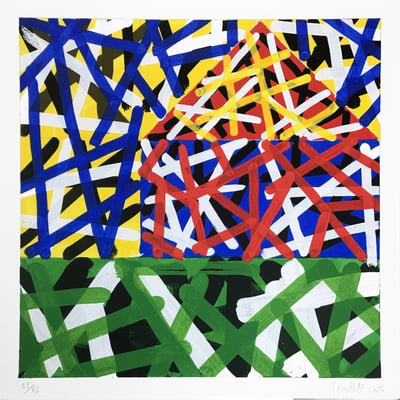
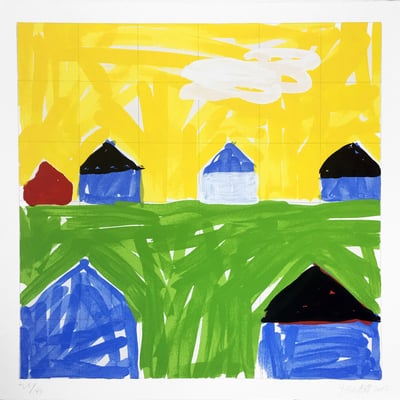
Jennifer Bartlett
House II #7, 2014-2015
Limited Edition Print
Screen-print
USD 3,900
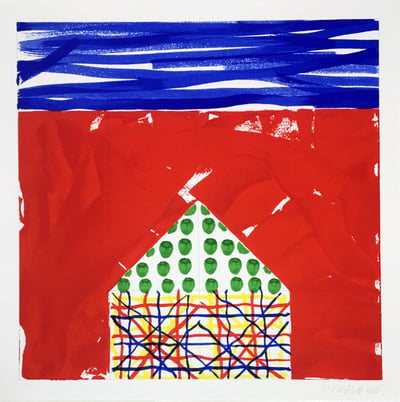
Jennifer Bartlett
House II #6, 2014-2015
Limited Edition Print
Screen-print
Currently Not Available
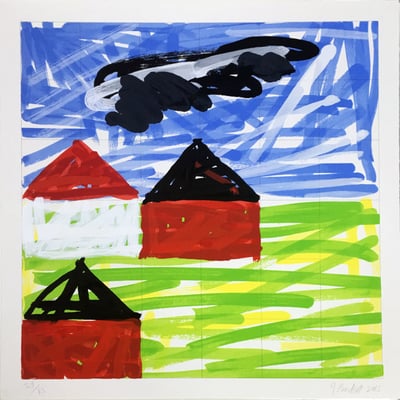
Jennifer Bartlett
House II #5, 2014-2015
Limited Edition Print
Screen-print
USD 5,200
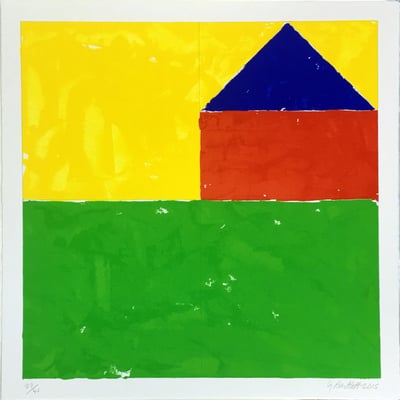
Jennifer Bartlett
House II #4, 2014-2015
Limited Edition Print
Screen-print
USD 5,200
Jennifer Bartlett
House II #2, 2014-2015
Limited Edition Print
Screen-print
USD 5,200
Related Articles
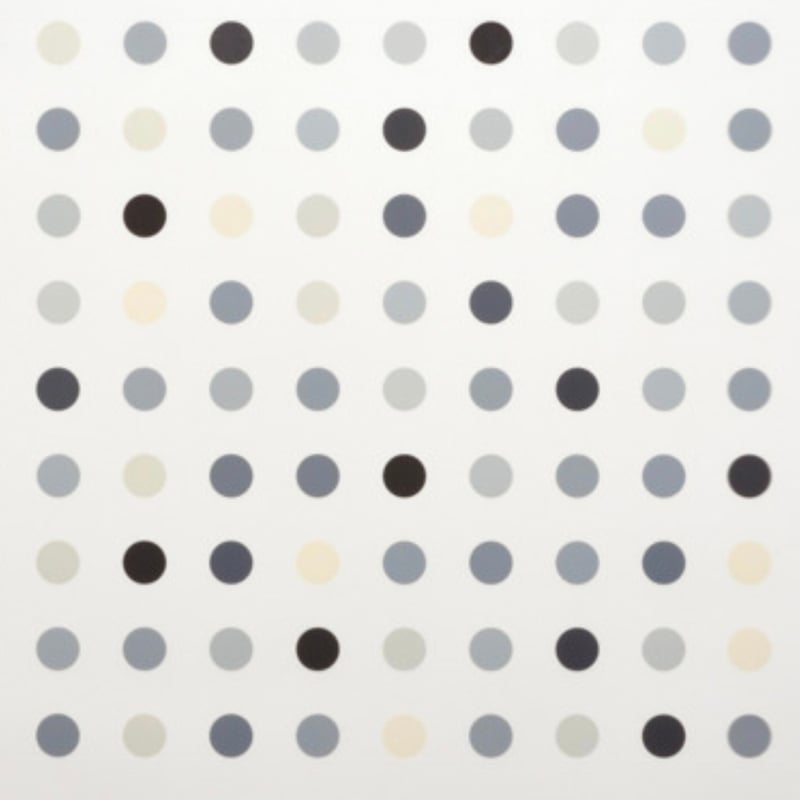

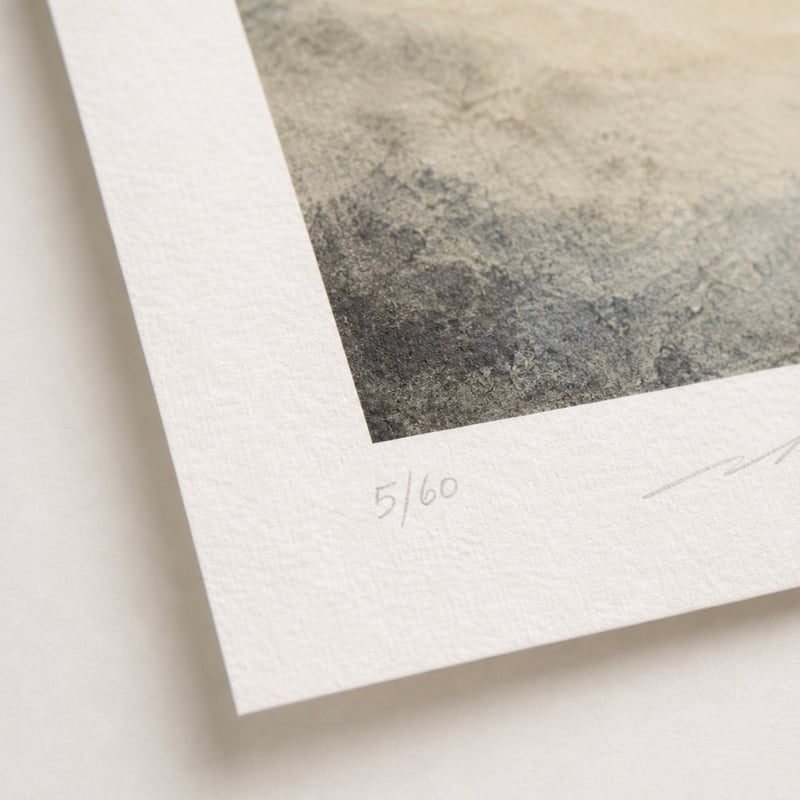

Acrylic sculpture refers to both a process and the resulting object. The artist begins by creating a sculpture from clay, plaster, or epoxy, which is then used to make a flexible mold. Melted acrylic is poured into the mold, and once it cures, the acrylic piece is hand-finished through sanding and polishing. Acrylic sculptures are valued for their clarity, durability, and ability to achieve intricate details.
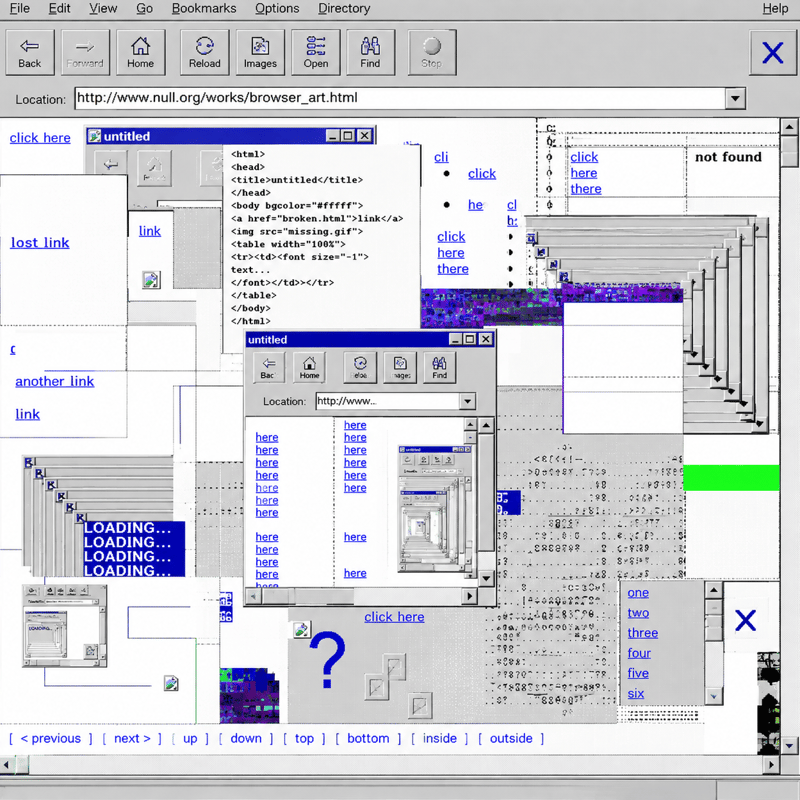
Browser art is a form of renegade art where artists use computers to transform code, website structures, and server links into visual material. These artists, often called net artists or net writers, manipulate computer code to create artworks that transform web pages into entirely different images or experiences.
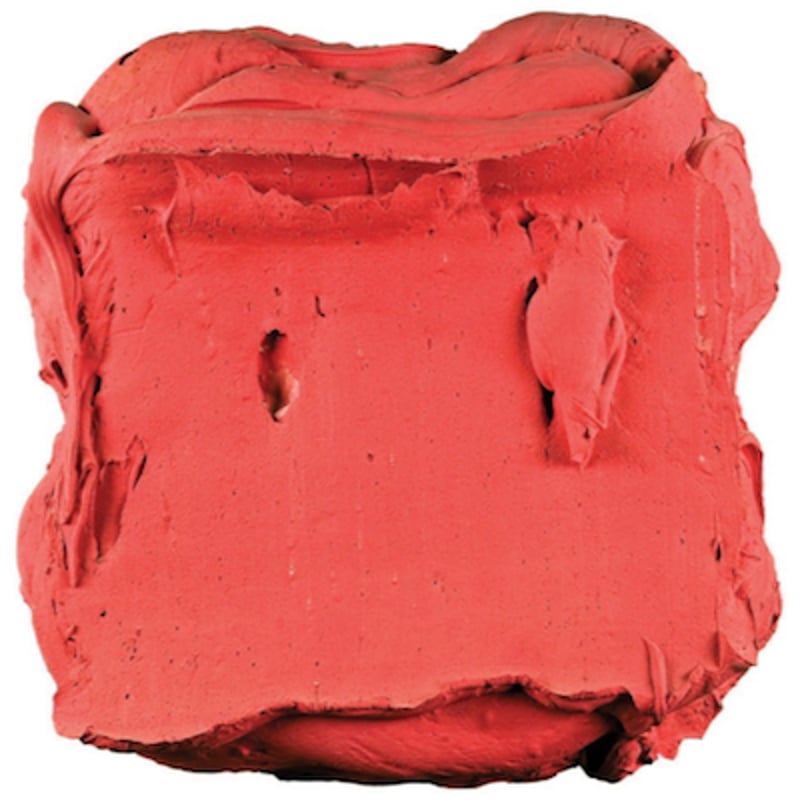
Matter painting is a technique that involves blending thick impasto paints with materials like cement, mud, sand, or shells. The term first emerged in the 1950s to describe the works of Belgian and Dutch painters who explored the physical properties of painting materials and the different ways paint could be manipulated. This approach emphasizes texture and the tactile qualities of the surface, creating a sculptural effect on the canvas.
Can't find your Answer?
Thank you! Your question has been sent — we'll get back to you shortly.
