
What is a Lithograph?
- Show All
- Established
- Discoveries
- Show All
Artworks Related to Lithograph
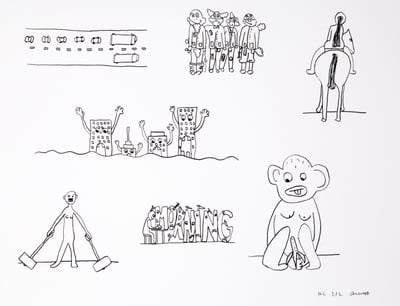
Olaf Breuning
Random thoughts about life 9, 2018
Limited Edition Print
Lithograph
EUR 500
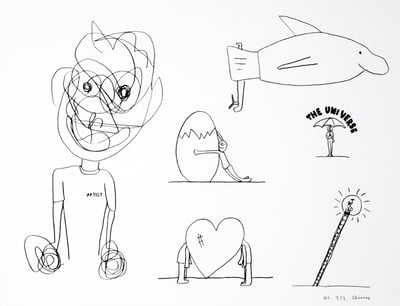
Olaf Breuning
Random thoughts about life 8, 2018
Limited Edition Print
Lithograph
EUR 500
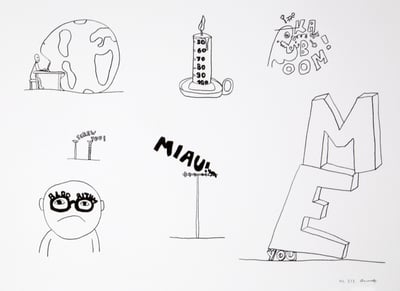
Olaf Breuning
Random thoughts about life 7, 2018
Limited Edition Print
Lithograph
EUR 600

Olaf Breuning
Random thoughts about life 6, 2018
Limited Edition Print
Lithograph
EUR 600

Olaf Breuning
Random thoughts about life 5, 2018
Limited Edition Print
Lithograph
EUR 600
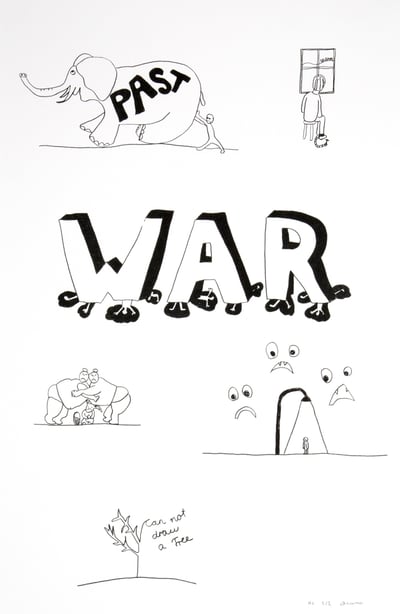
Olaf Breuning
Random thoughts about life 4, 2018
Limited Edition Print
Lithograph
EUR 800
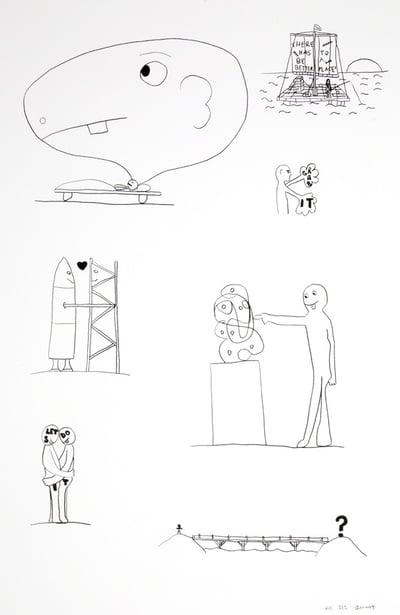
Olaf Breuning
Random thoughts about life 3, 2018
Limited Edition Print
Lithograph
EUR 800
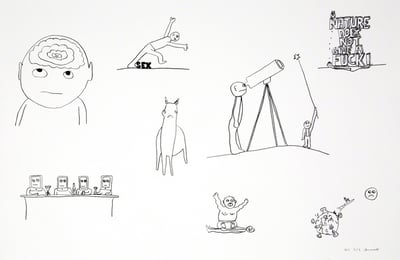
Olaf Breuning
Random thoughts about life 2, 2018
Limited Edition Print
Lithograph
EUR 800
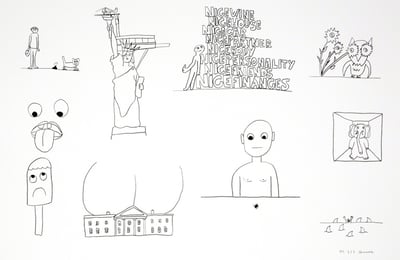
Olaf Breuning
Random thoughts about life 1, 2018
Limited Edition Print
Lithograph
EUR 800

Antonio Ballester Moreno
Sol, 2017
Limited Edition Print
Lithograph
Currently Not Available

Antonio Ballester Moreno
Lluvia, 2017
Limited Edition Print
Lithograph
EUR 2,000

Antonio Ballester Moreno
Árbol verde, 2017
Limited Edition Print
Lithograph
EUR 2,000

Antoni Clave
A Don Pablo I, 1985
Limited Edition Print
Lithograph
EUR 1,880
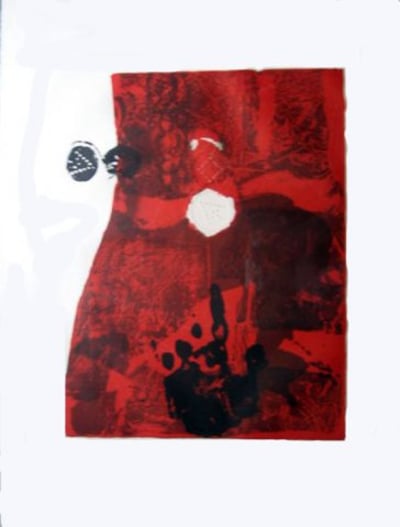
Antoni Clave
Trobadors I, 1970
Limited Edition Print
Lithograph
EUR 1,350
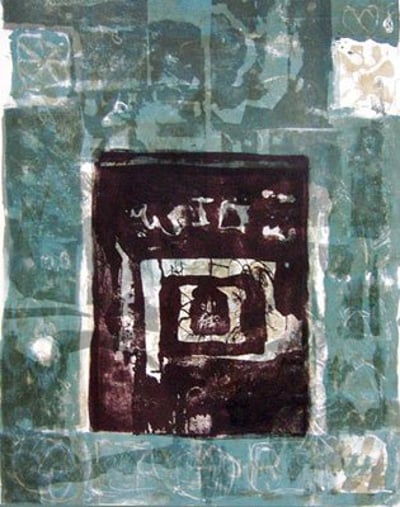
Antoni Clave
Hommage a domenikos- Cadre bleu, 1965
Limited Edition Print
Lithograph
EUR 1,250
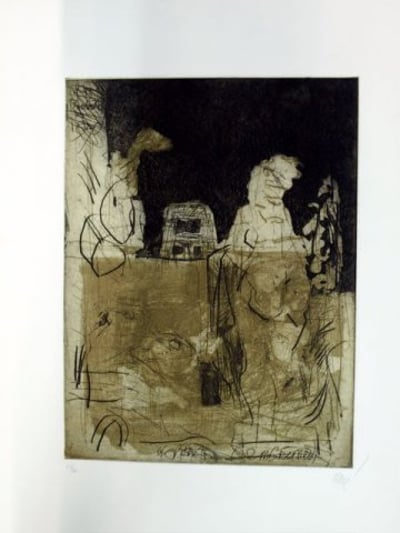
Antoni Clave
Trobadors, 1970
Limited Edition Print
Lithograph
EUR 1,150
Related Articles


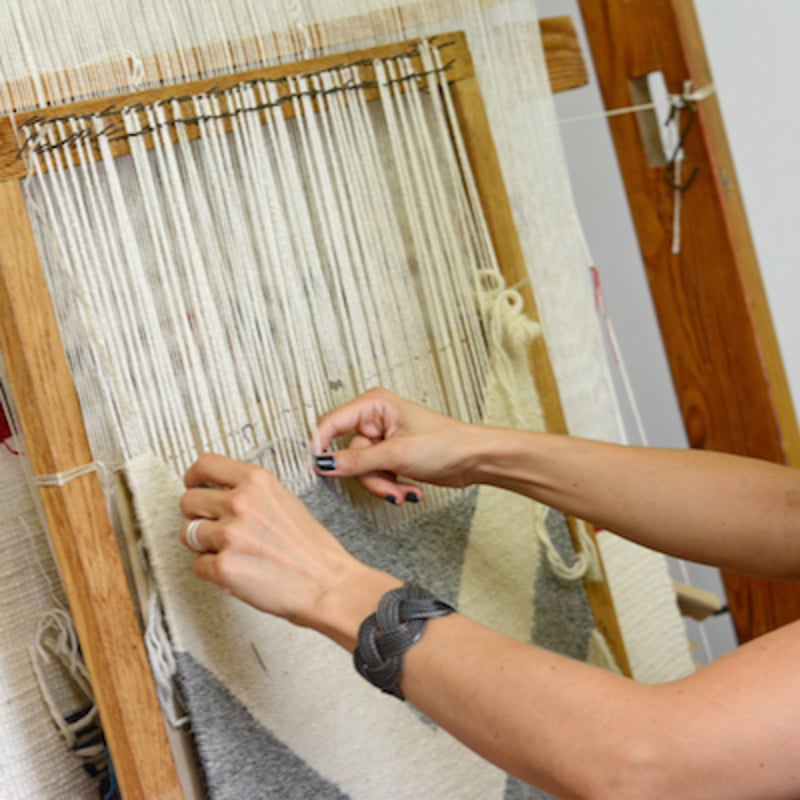
Tapestry is a heavy, handwoven textile featuring intricate designs or images woven directly into the fabric. Created by skilled weavers using materials like wool, linen, cotton, silk, and sometimes silver and gold threads, tapestries have historically served as art pieces, decorations, insulation, and symbols of authority.
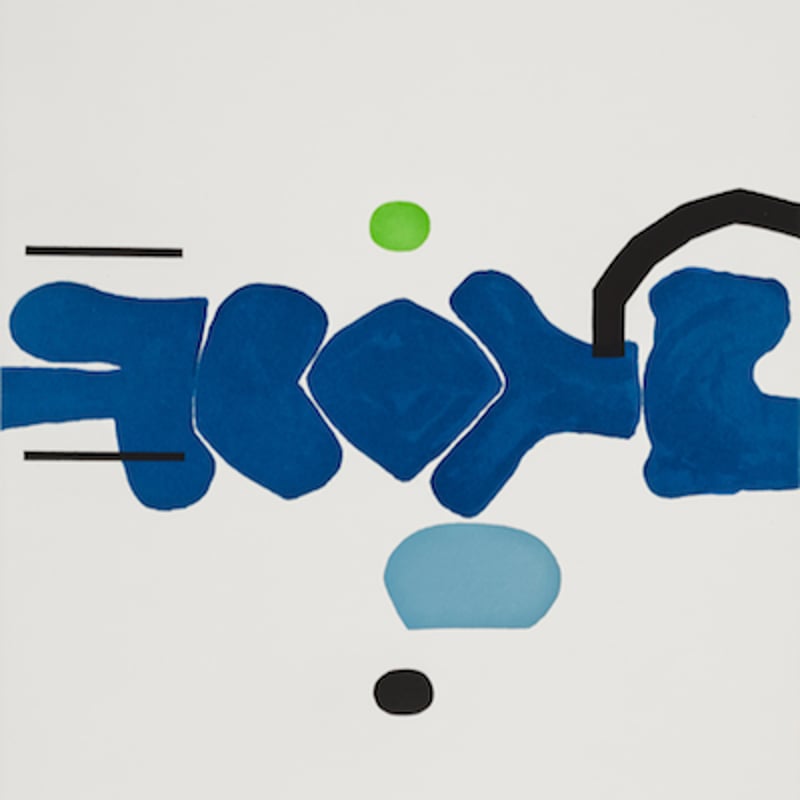
Constructivism is an architectural and artistic philosophy of Russian origin that emerged as a rejection of the idea of autonomous art. The movement advocated for art to serve practical social purposes. Since its inception in 1919, Constructivism has evolved and significantly impacted 20th-century art movements, influencing major trends such as De Stijl and Bauhaus.

Queer Aesthetics refers to an art movement that emerged in the 1980s, focusing on themes of homosexuality, lesbianism, and broader issues of identity and gender. This movement gained momentum in the context of the AIDS crisis and the feminist movement, challenging traditional representations of sexuality and gender. Queer Aesthetics often explores the fluidity of gender and identity, as seen in the works of artists like Nan Goldin, who is known for her photography of individuals with ambiguous or non-conforming gender presentations.
Can't find your Answer?
Thank you! Your question has been sent — we'll get back to you shortly.
