
United States
The contemporary art scene in the United States is a dynamic fusion of diverse traditions and avant-garde explorations, resonating across the global art spectrum. Institutions like the Museum of Modern Art in New York and the Los Angeles County Museum of Art are central to this discourse, spotlighting artists from different backgrounds and mediums. Notable figures such as Jeff Koons, known for his monumental public sculptures, and Kara Walker, recognized for her poignant silhouettes and murals, contribute to the vibrant US artistic landscape. Major events like Art Basel Miami further underline the country's role as a nexus of contemporary art. Dive into the robust and compelling art scene of the United States on Composition Gallery's website.
- Show All
- Established
- Discoveries
- Show All
Artworks Related to United States
KAWS
Private Listing
Painting
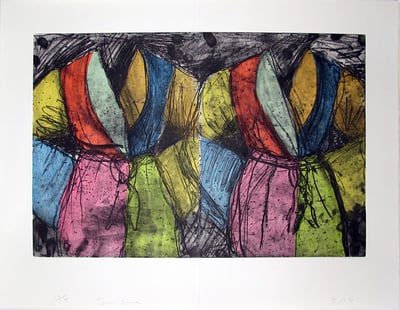
Jim Dine
The Soft Ground, 2014
Limited Edition Print
Mixed Media
USD 12,950
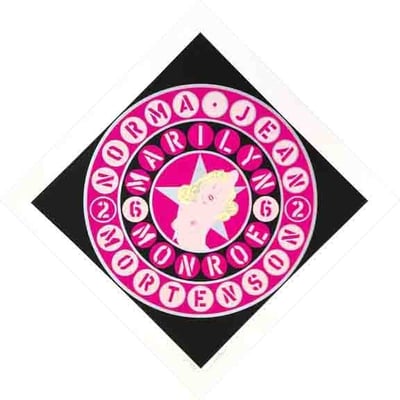
Robert Indiana
Marilyn '67, 2008
Limited Edition Print
Silkscreen
USD 4,800
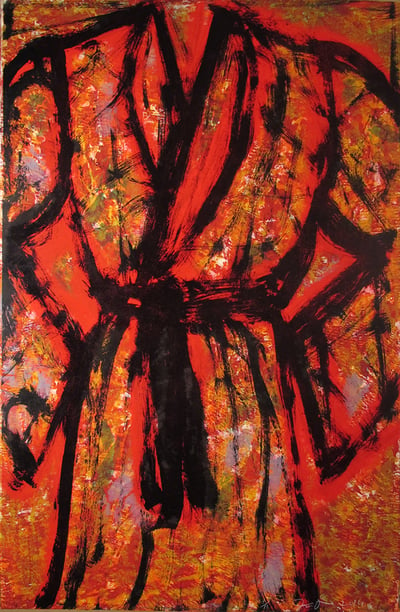
Jim Dine
Zein Robe, 2014
Limited Edition Print
Lithograph
USD 21,000
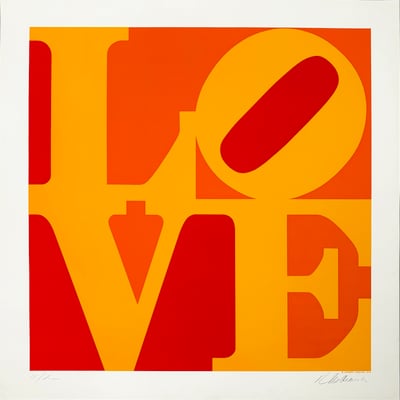
Robert Indiana
Golden Love, 1973
Limited Edition Print
Screen-print
Currently Not Available
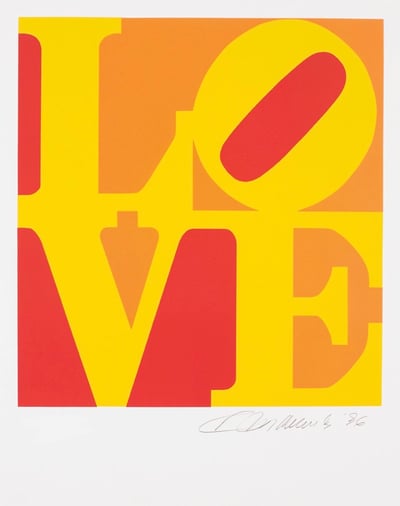
Robert Indiana
The Book of Love 10, 1996
Limited Edition Print
Screen-print
USD 17,500
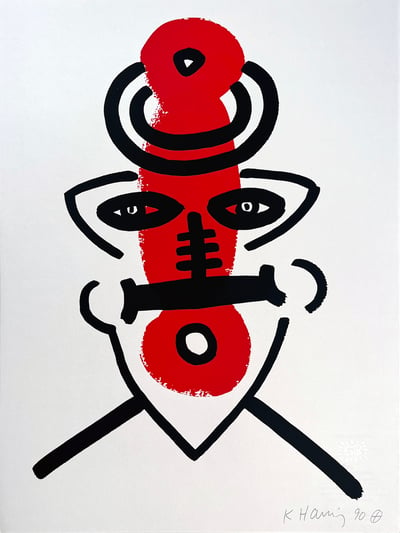
Keith Haring
Story of Red and Blue #9, 1989
Limited Edition Print
Lithograph
USD 5,850
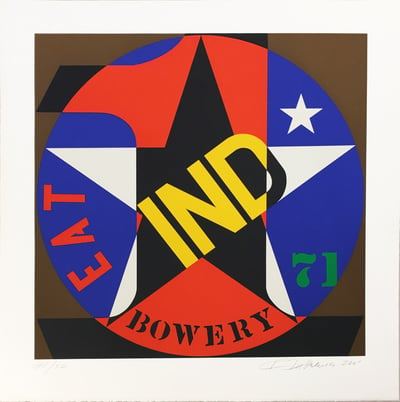
Robert Indiana
Decade Autoportrait '61, 2001
Limited Edition Print
Silkscreen
USD 5,850
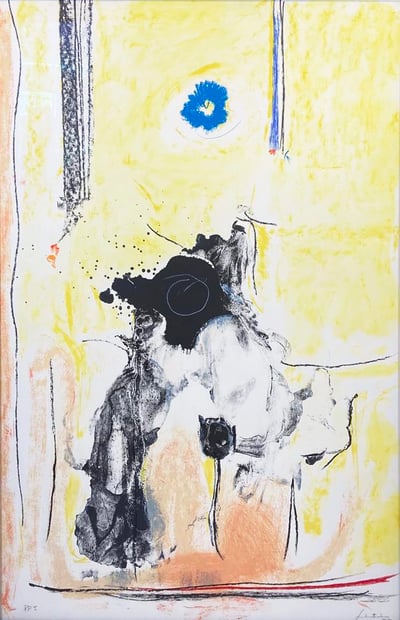
Helen Frankenthaler
Madame de Pompadour, 1985
Limited Edition Print
Lithograph
USD 14,250
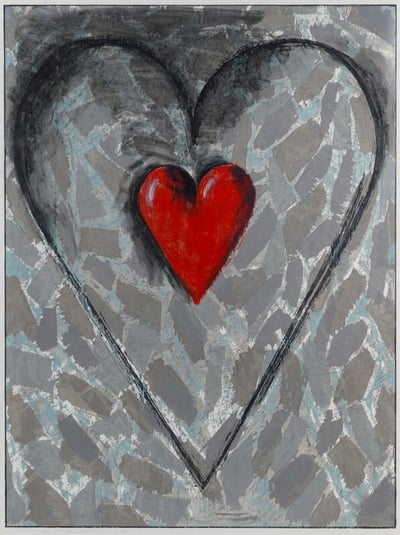
Jim Dine
Gray Fort, 2003
Limited Edition Print
Mixed Media
USD 20,000 - 30,000
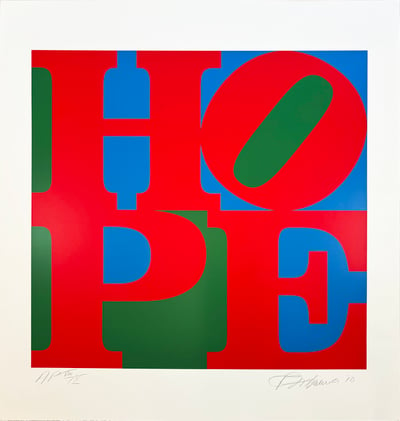
Robert Indiana
Hope, 2010
Limited Edition Print
Screen-print
USD 14,250
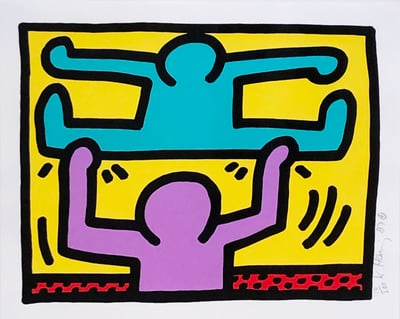
Keith Haring
Pop Shop I (D), 1987
Limited Edition Print
Silkscreen
USD 40,000 - 50,000
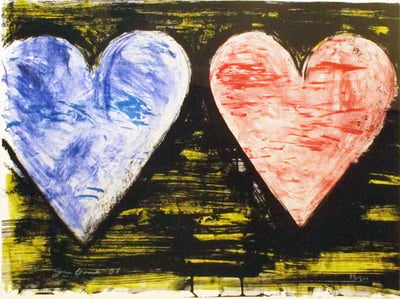
Jim Dine
Two Hearts at Sunset, 2005
Limited Edition Print
Lithograph
USD 4,450
Keith Haring
Private Listing
Painting
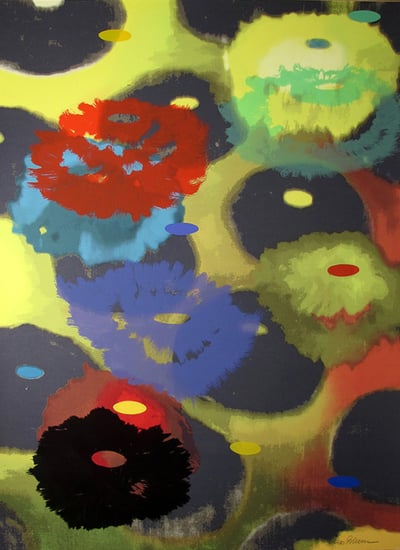
Ross Bleckner
PS III, 1997
Limited Edition Print
Screen-print
USD 3,575
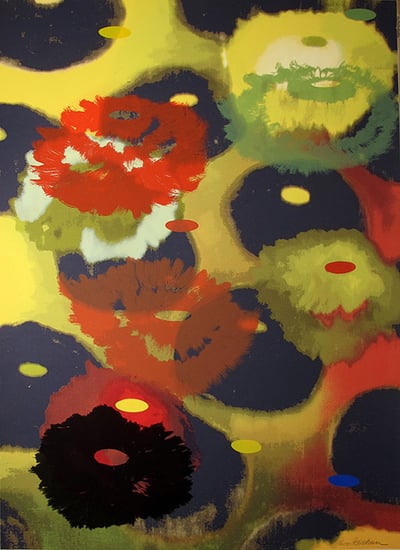
Ross Bleckner
PS I, 1997
Limited Edition Print
Screen-print
USD 3,575
Related Articles
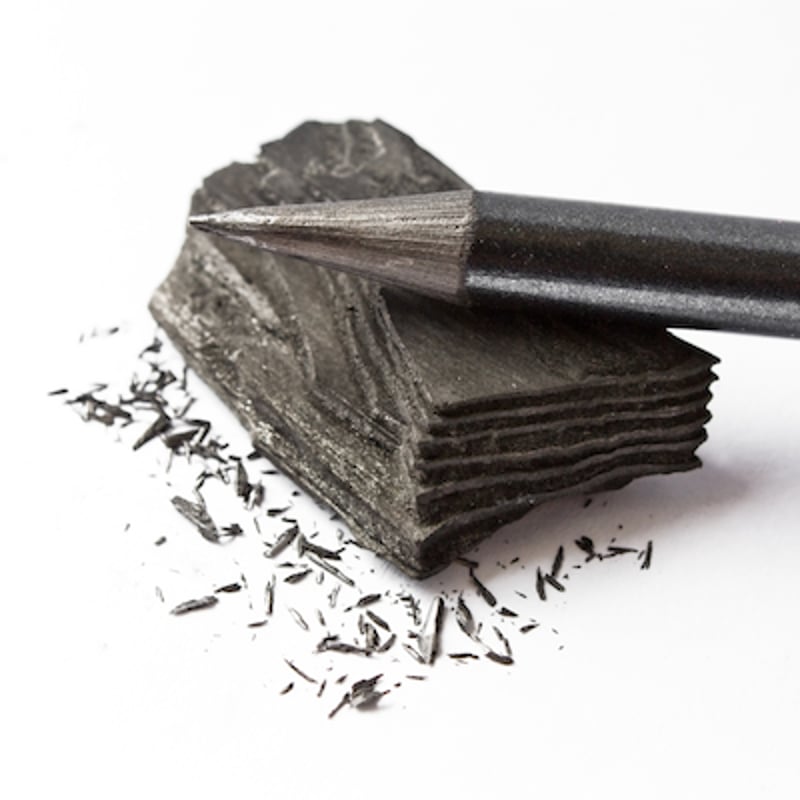
Graphite is a form of carbon commonly used as the core material in pencils. It can be compressed to various levels of hardness, allowing for different shading effects in drawing. In powdered form, graphite can be applied with a brush for broader, softer applications. Graphite erases easily and was first discovered in the 1500s in England's Lake District.
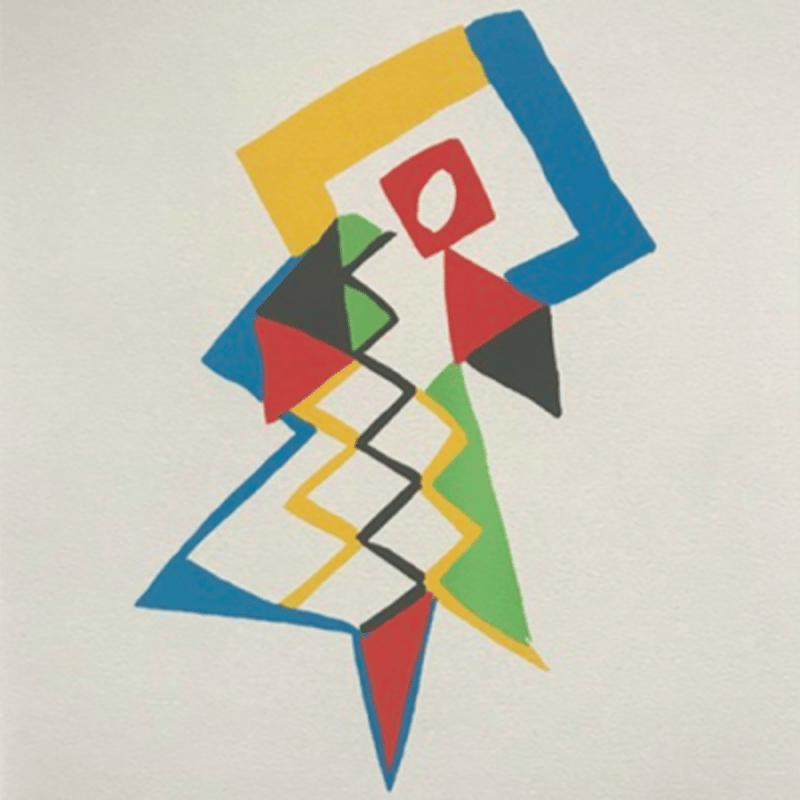
Orphism is an abstract style of painting influenced by Cubism, developed by Sonia and Robert Delaunay. The term was coined around 1912 by French poet Guillaume Apollinaire to differentiate the Delaunays' work from Cubism, emphasizing their focus on vibrant color and light. The name Orphism is inspired by the Greek musician Orpheus, symbolizing the movement's lyrical and harmonious qualities.
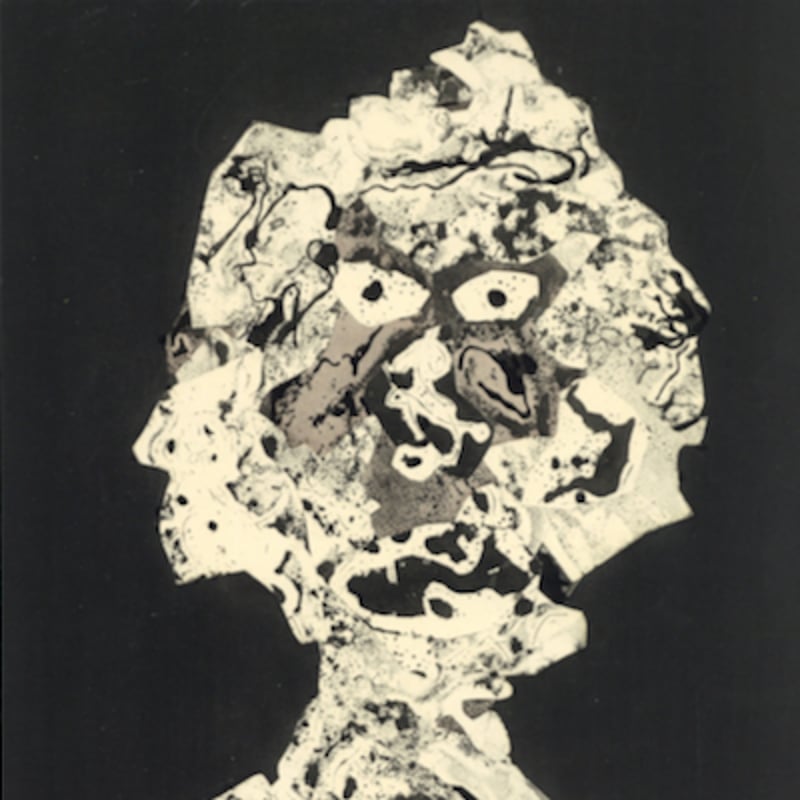
Art Brut, a French term meaning Raw Art, was coined by Jean Dubuffet to describe art created outside the conventional fine arts tradition. Dubuffet used the term to refer to works made by self-taught artists, including the mentally ill, prisoners, and others on the margins of society. He also called it Outsider Art. This art is characterized by its raw, unrefined nature, often created without concern for traditional presentation or imitation.
Can't find your Answer?
Thank you! Your question has been sent — we'll get back to you shortly.
