
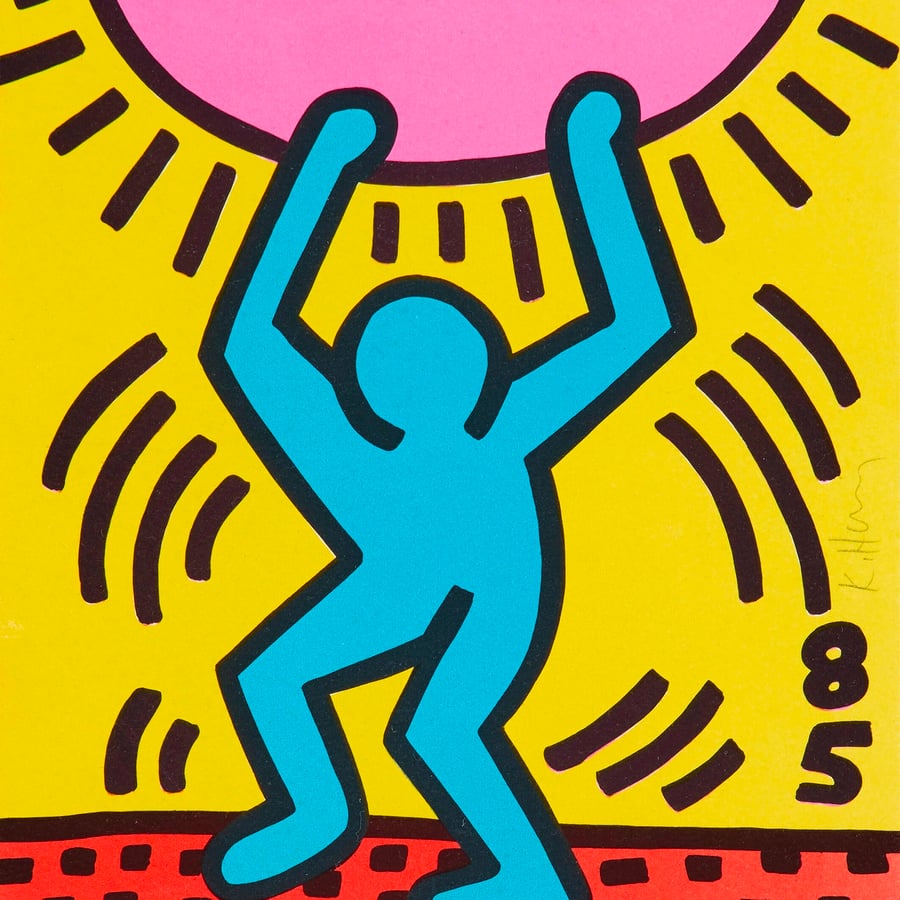
United States
The contemporary art scene in the United States is a dynamic fusion of diverse traditions and avant-garde explorations, resonating across the global art spectrum. Institutions like the Museum of Modern Art in New York and the Los Angeles County Museum of Art are central to this discourse, spotlighting artists from different backgrounds and mediums. Notable figures such as Jeff Koons, known for his monumental public sculptures, and Kara Walker, recognized for her poignant silhouettes and murals, contribute to the vibrant US artistic landscape. Major events like Art Basel Miami further underline the country's role as a nexus of contemporary art. Dive into the robust and compelling art scene of the United States on Composition Gallery's website.
- Show All
- Established
- Discoveries
- Show All
Artworks Related to United States
Roy Lichtenstein
Private Listing
Limited Edition Print
Mel Ramos
Private Listing
Painting
Tom Wesselmann
Private Listing
Drawing / Watercolor
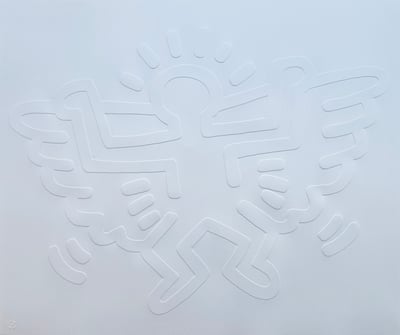
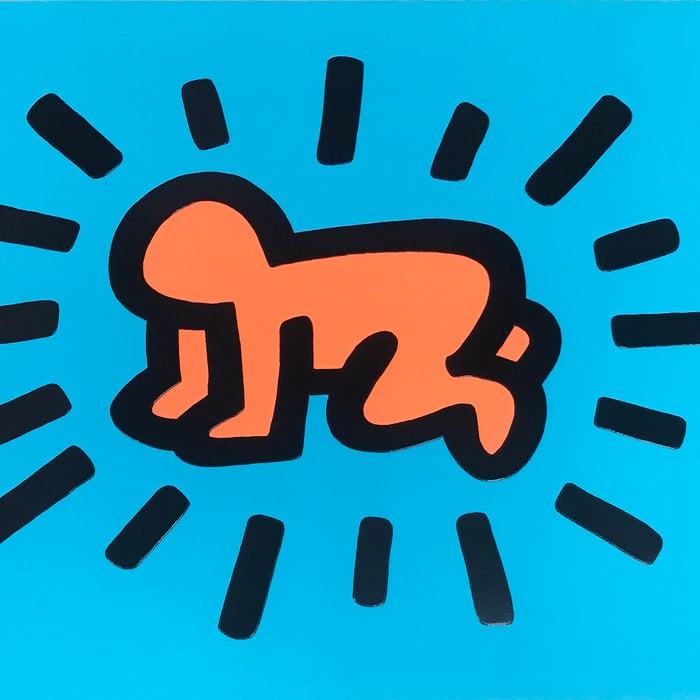
Keith Haring
White Icons (C) - Winged Angel, 1990
Limited Edition Print
Embossing
USD 15,000 - 20,000
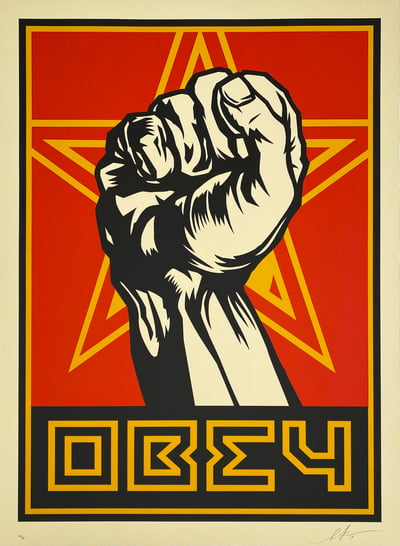
Shepard Fairey
Obey, 2019
Limited Edition Print
Mixed Media
Currently Not Available

Robert Indiana
The American Dream (Metamorphosis of Norma Jean Mortenson), 1996
Limited Edition Print
Silkscreen
USD 3,750
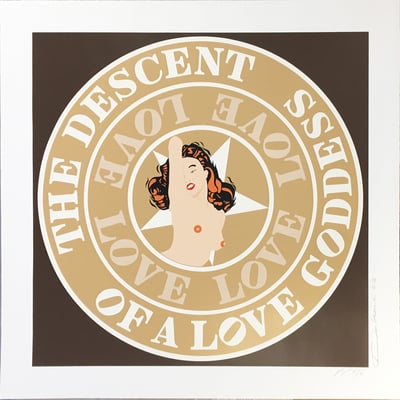
Robert Indiana
(Marilyn) Descent of a Love Goddess, 2008
Limited Edition Print
Silkscreen
USD 6,250
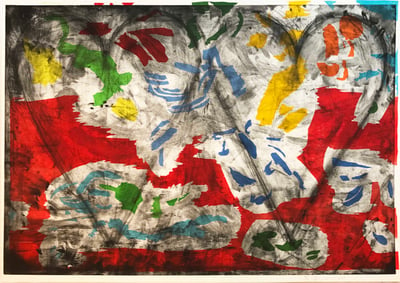
Jim Dine
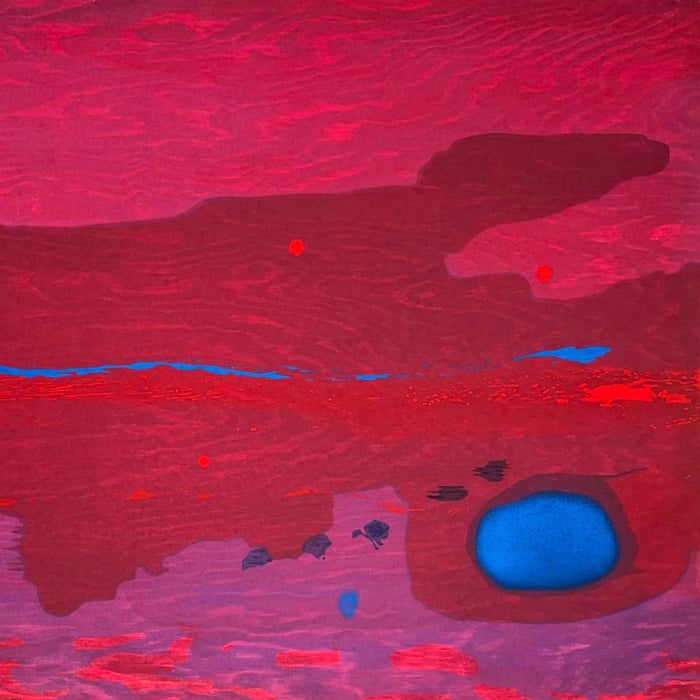
Radiant Landscape, 2015
Limited Edition Print
Mixed Media
USD 17,750
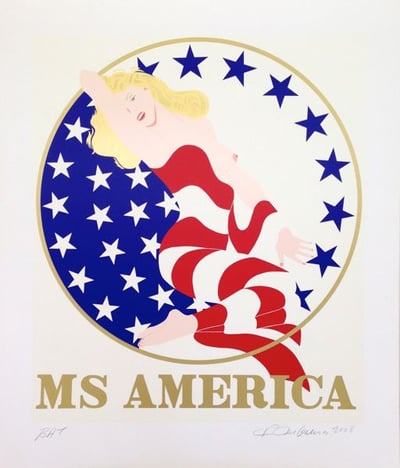
Robert Indiana
Marilyn Ms. America, 2008
Limited Edition Print
Silkscreen
USD 4,800
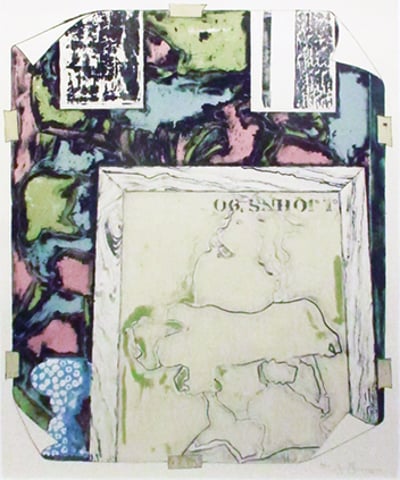
Jasper Johns
Untitled (Fragmented Frame), 1992
Limited Edition Print
Lithograph
USD 10,700
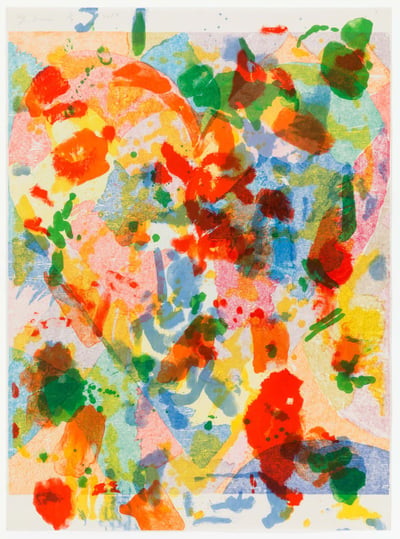
Jim Dine
Poem on Main Street, 2017
Limited Edition Print
Lithograph
USD 19,950
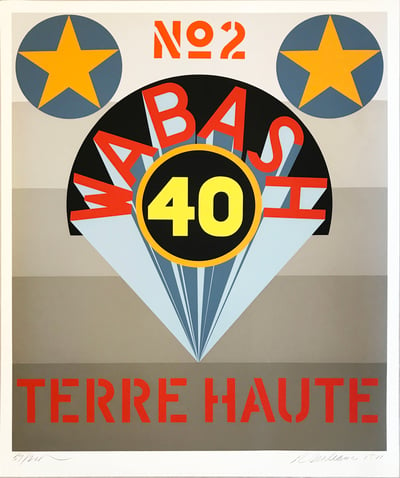
Robert Indiana
Decade (Terre Haute No. 2), 1971
Limited Edition Print
Screen-print
USD 3,200
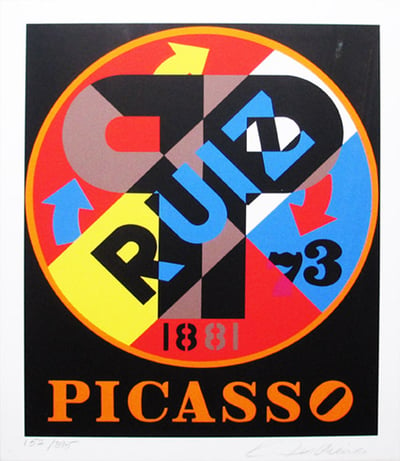
Robert Indiana
The American Dream (Picasso), 1996
Limited Edition Print
Silkscreen
USD 3,900
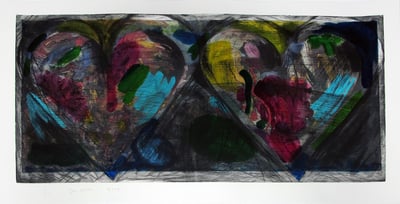
Jim Dine
Blue Points, 2014
Limited Edition Print
Mixed Media
USD 15,300
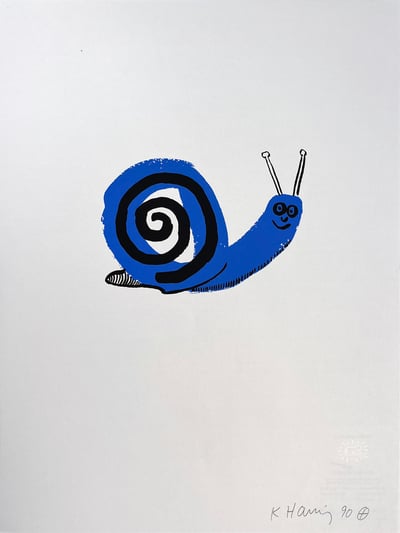
Keith Haring
Story of Red and Blue #10, 1989
Limited Edition Print
Lithograph
USD 4,800
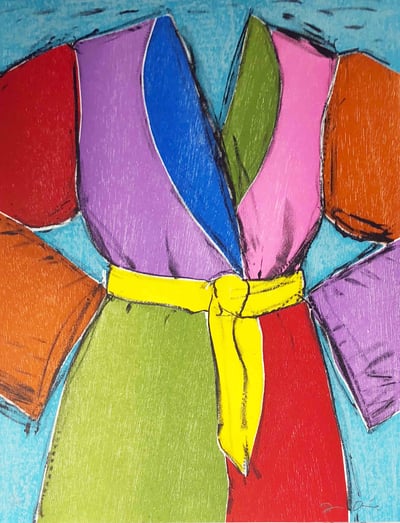
Jim Dine
The Yellow Belt, 2005
Limited Edition Print
Mixed Media
USD 6,500
Related Articles
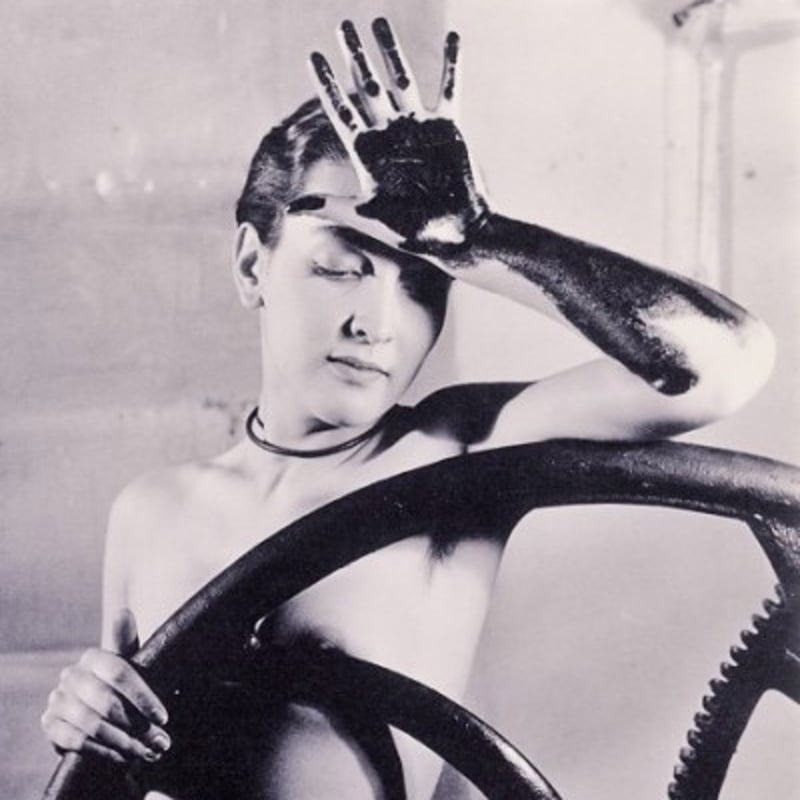
Avant-garde refers to innovative and experimental ideas in the arts that challenge established norms and conventions. Originating from the French term for advance guard, it describes both the movement and the artists who push the boundaries of creativity, often exploring new techniques, forms, and concepts. The avant-garde has been a driving force in various art movements throughout history, such as Dadaism, Surrealism, and Abstract Expressionism, continually reshaping the landscape of art and culture.

A Biennial is an art exhibition held every two years, typically on a large scale with international participants. The first and most famous example is the Venice Biennale, established in 1895 and held in the Giardini, a public park in Venice. Over time, the event has grown to include thirty permanent pavilions, each representing different countries. Biennials have become significant events in the contemporary art world, offering a platform for artists to showcase their work to a global audience.

Op Art is a visual art style that uses optical illusions to create the impression of movement, vibrating patterns, flashing, or hidden images. The works are typically abstract, with many well-known pieces in black and white. The roots of Op Art can be traced back to earlier movements like Futurism, Constructivism, Dada, and Neo-Impressionism, particularly in their use of color effects and graphic design.
Can't find your Answer?
Thank you! Your question has been sent — we'll get back to you shortly.
