
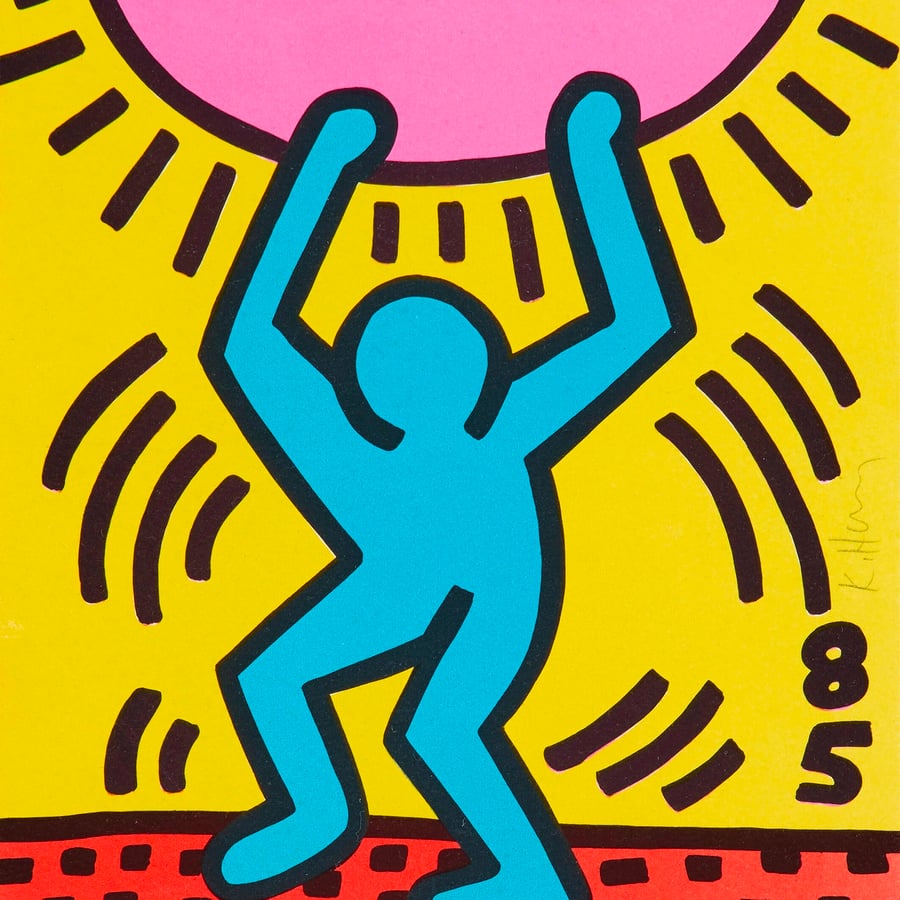
United States
The contemporary art scene in the United States is a dynamic fusion of diverse traditions and avant-garde explorations, resonating across the global art spectrum. Institutions like the Museum of Modern Art in New York and the Los Angeles County Museum of Art are central to this discourse, spotlighting artists from different backgrounds and mediums. Notable figures such as Jeff Koons, known for his monumental public sculptures, and Kara Walker, recognized for her poignant silhouettes and murals, contribute to the vibrant US artistic landscape. Major events like Art Basel Miami further underline the country's role as a nexus of contemporary art. Dive into the robust and compelling art scene of the United States on Composition Gallery's website.
- Show All
- Established
- Discoveries
- Show All
Artworks Related to United States
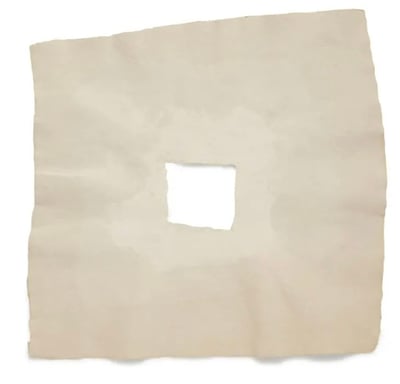
Robert Rauschenberg
Page III, 1974
Limited Edition Print
Mixed Media
Inquire For Price
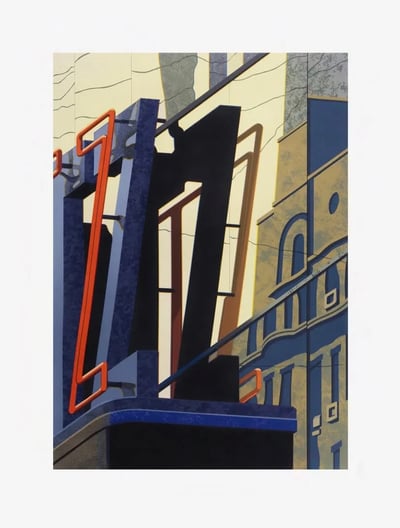
Robert Cottingham
The Letter Z, 2001
Limited Edition Print
Lithograph
USD 1,350
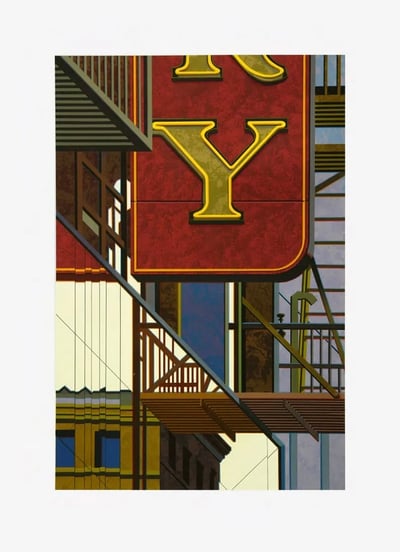
Robert Cottingham
The Letter Y, 2001
Limited Edition Print
Lithograph
USD 1,350
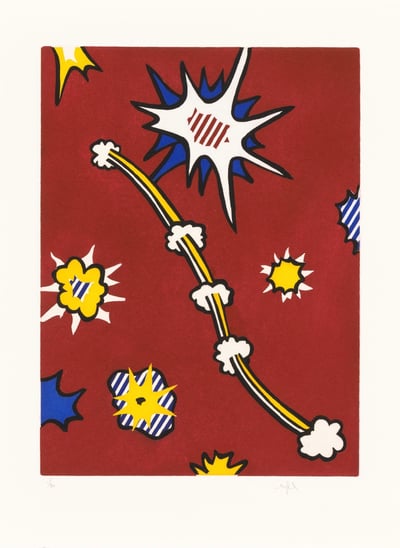
Roy Lichtenstein
De Denver au Montana, Départ 27 Mai 1972 (II), 1991
Limited Edition Print
Etching and Aquatint
USD 12,500
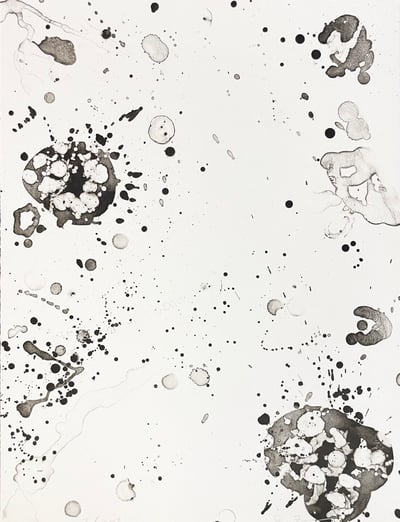
Sam Francis
Spring Solution, 1972
Limited Edition Print
Lithograph
Inquire For Price
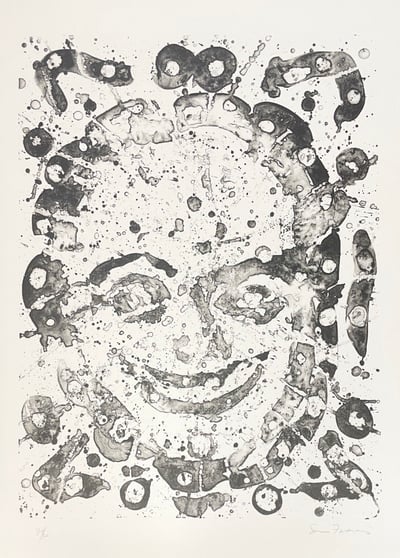
Sam Francis
Self Portrait (SF-051), 1976
Limited Edition Print
Lithograph
Inquire For Price
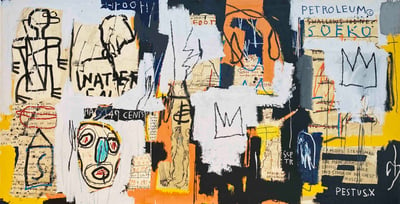
Jean-Michel Basquiat
Phooey, 1982/2021
Limited Edition Print
Screen-print
USD 130,000 - 160,000
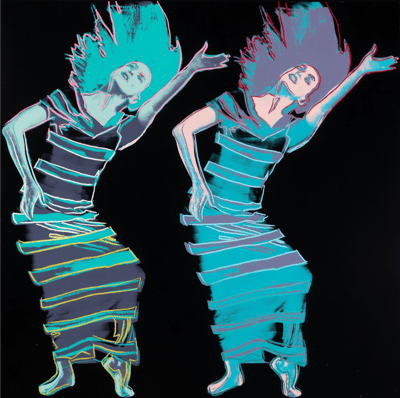
Andy Warhol
Satyric Festival Song, II.387, 1986
Limited Edition Print
Screen-print
USD 50,000 - 60,000
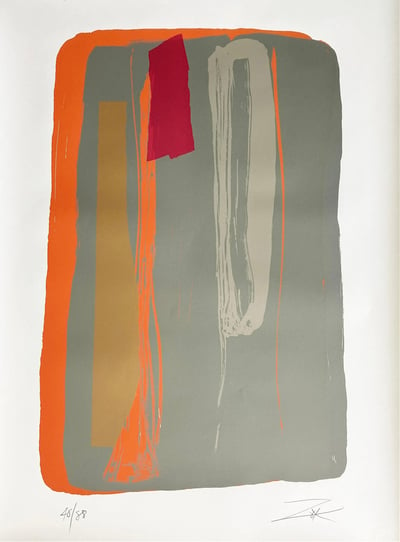
Larry Zox
Untitled 2 from Niagara Series, 1980
Limited Edition Print
Linocut
USD 850
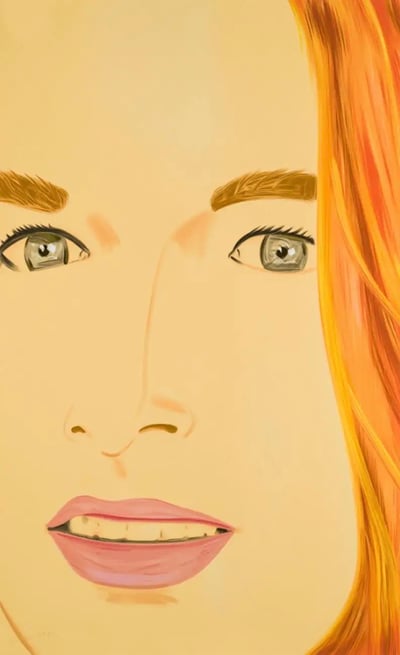
Alex Katz
Ariel 2, 2021
Limited Edition Print
Screen-print
Inquire For Price
Frank Stella
Private Listing
Sculpture / Object

Frank Stella
Union (from Eccentric Polygons), 1974
Limited Edition Print
Mixed Media
USD 9,500
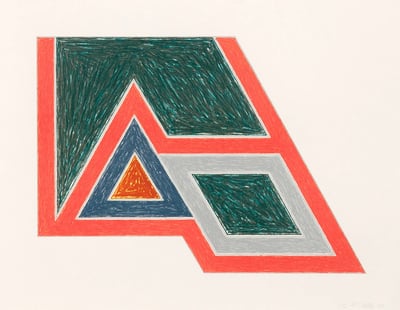
Frank Stella
Sanbornville, 1974
Limited Edition Print
Mixed Media
USD 9,500

Frank Stella
Quathlamba I, 1968
Limited Edition Print
Lithograph
USD 11,900
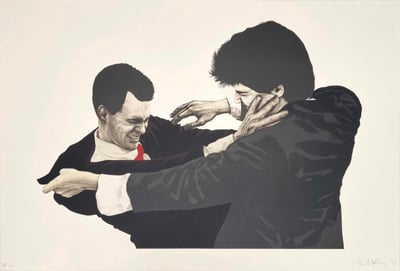
Robert Longo
Frank & Glenn, 1991
Limited Edition Print
Lithograph
Currently Not Available
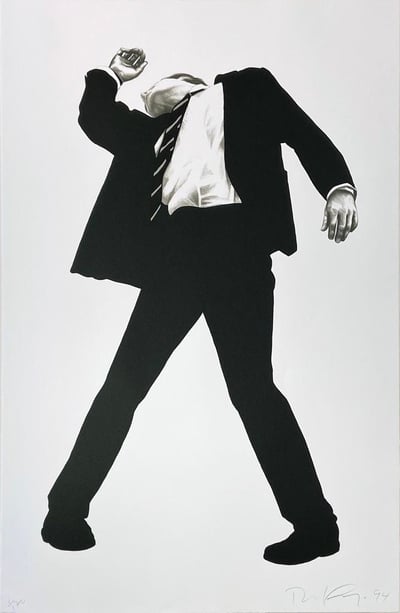
Robert Longo
Rick, 1994
Limited Edition Print
Lithograph
Currently Not Available
Related Articles
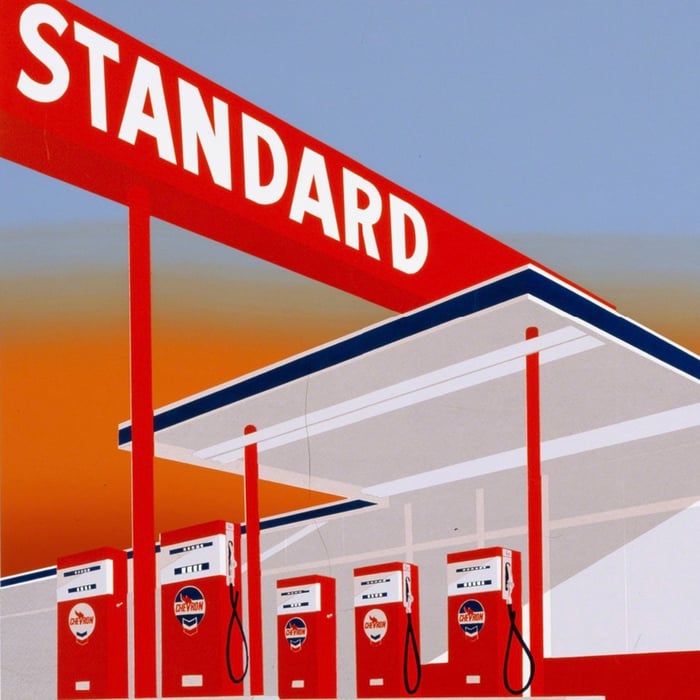

Massurrealism is a portmanteau word coined by American artist James Seehafer in 1992. He observed a trend among postmodern artists who blended themes and aesthetic styles with mass media, including elements of pop art. Massurrealism is a development of surrealism that emphasizes the technological effects on the imagery of contemporary surrealism. The key difference between massurrealism and surrealism is that the latter was founded in Europe at the beginning of the 20th century, while massurrealism is rooted in the influence of modern technology and media.
A photograph is an image captured with a camera. Traditionally, photographs were made by exposing film and then developing the image on light-sensitive paper using chemicals. Today, photographs can also be captured digitally and printed or displayed electronically. The process requires a camera, whether film or digital, and a photographer.
Authenticity refers to the qualities that define an original artwork as genuine, created by the artist under the original circumstances. A reproduction lacks authenticity because it was not made by the original artist and does not share the same context or creation process. The authenticity of an original artwork can be questioned when reproductions exist, which can diminish its value. Authenticity is often established through provenance, expert analysis, and documentation, ensuring the artwork's originality.
Can't find your Answer?
Thank you! Your question has been sent — we'll get back to you shortly.
