
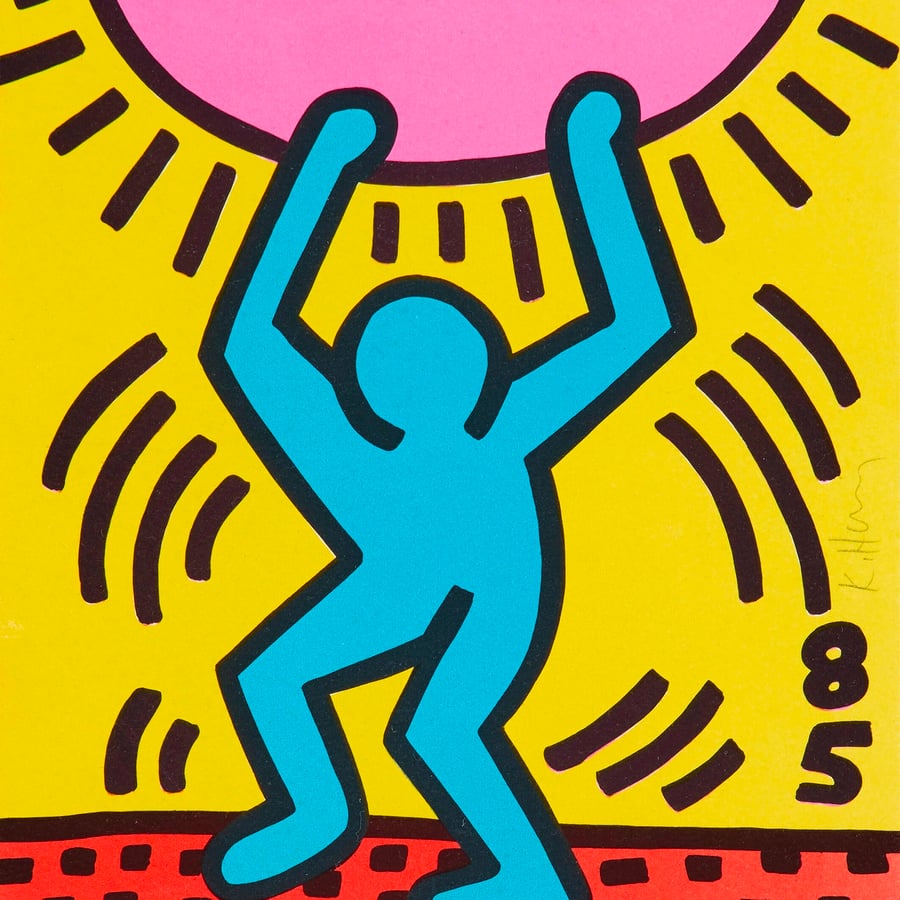
United States
The contemporary art scene in the United States is a dynamic fusion of diverse traditions and avant-garde explorations, resonating across the global art spectrum. Institutions like the Museum of Modern Art in New York and the Los Angeles County Museum of Art are central to this discourse, spotlighting artists from different backgrounds and mediums. Notable figures such as Jeff Koons, known for his monumental public sculptures, and Kara Walker, recognized for her poignant silhouettes and murals, contribute to the vibrant US artistic landscape. Major events like Art Basel Miami further underline the country's role as a nexus of contemporary art. Dive into the robust and compelling art scene of the United States on Composition Gallery's website.
- Show All
- Established
- Discoveries
- Show All
Artworks Related to United States
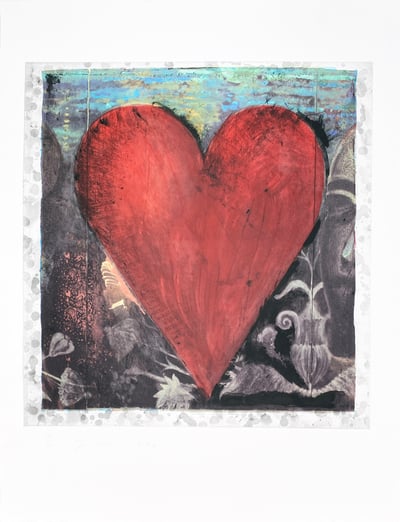
Jim Dine
The Hand-Colored Viennese Hearts I, 1990
Limited Edition Print
Mixed Media
USD 11,300
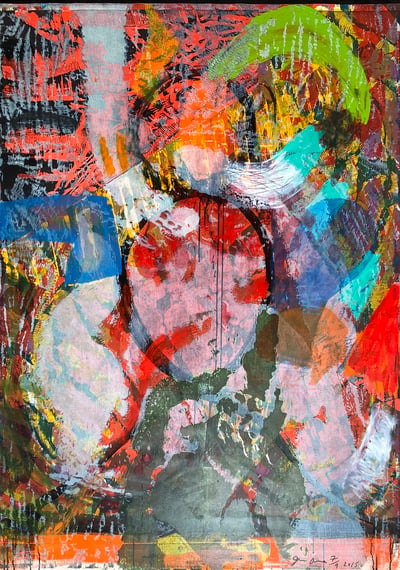
Jim Dine
Million Kisses Poem, 2015
Limited Edition Print
Mixed Media
USD 17,500
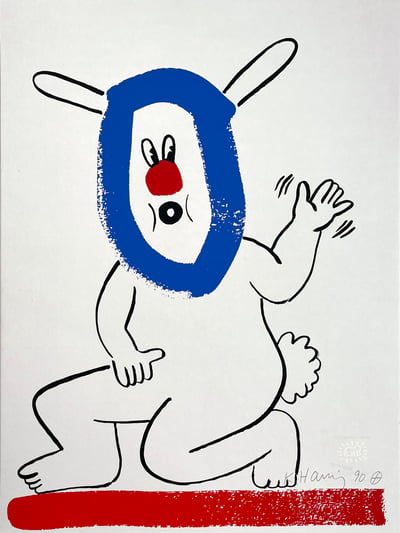
Keith Haring
Story of Red and Blue #18, 1989
Limited Edition Print
Lithograph
USD 6,200
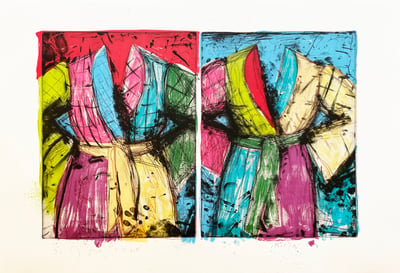
Jim Dine
Two Florida Bathrobes, 1986
Limited Edition Print
Mixed Media
USD 15,950
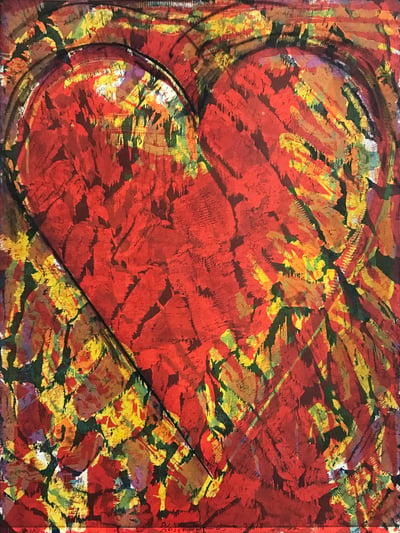
Jim Dine
The New Building, 2013
Limited Edition Print
Mixed Media
USD 17,750
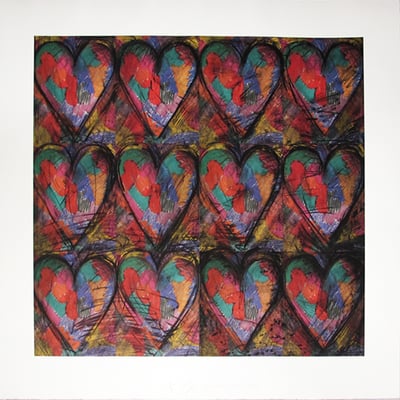
Jim Dine
The Memory, 2014
Limited Edition Print
Mixed Media
USD 21,000
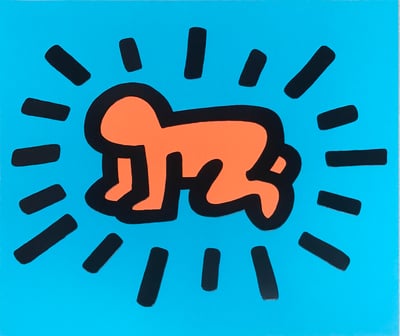
Keith Haring
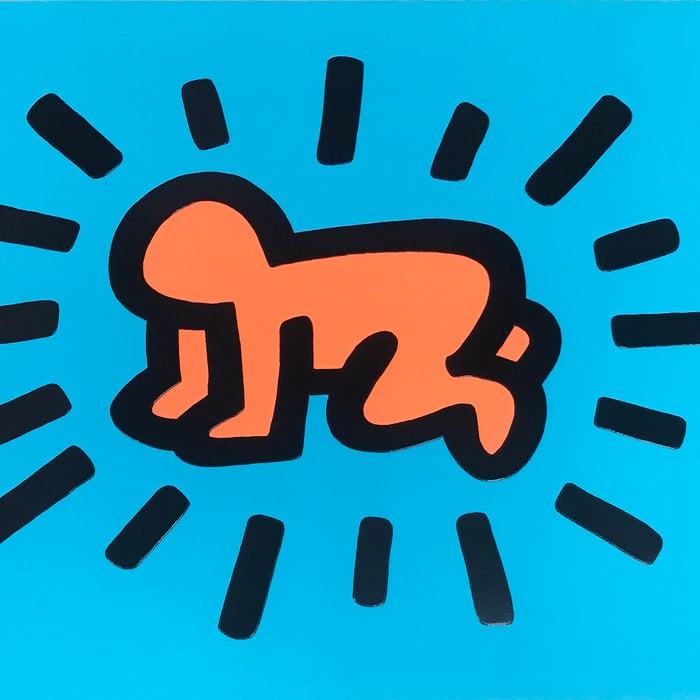
Icons (A) - Radiant Baby, 1990
Limited Edition Print
Silkscreen
USD 55,000 - 70,000
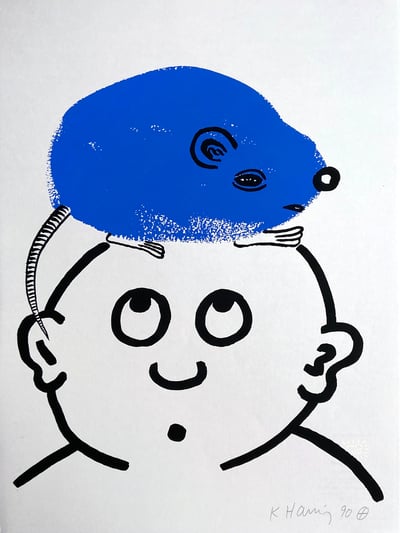
Keith Haring
Story of Red and Blue #4, 1989
Limited Edition Print
Lithograph
USD 4,850
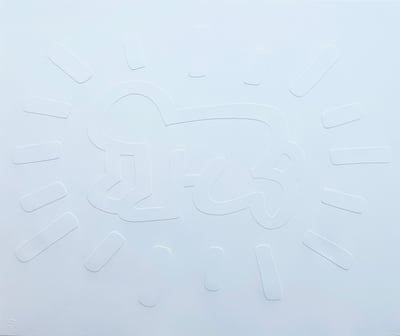
Keith Haring
White Icons (A) - Radiant Baby, 1990
Limited Edition Print
Embossing
USD 20,000 - 25,000
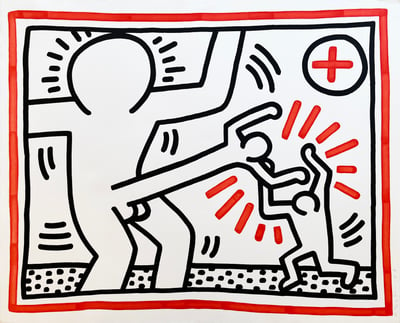
Keith Haring
Three Lithographs: One Plate, 1985
Limited Edition Print
Lithograph
USD 30,000 - 40,000
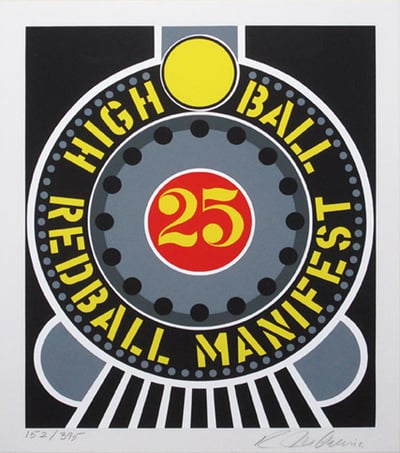
Robert Indiana
The American Dream (High Ball Redball Manifest), 1996
Limited Edition Print
Silkscreen
USD 3,700
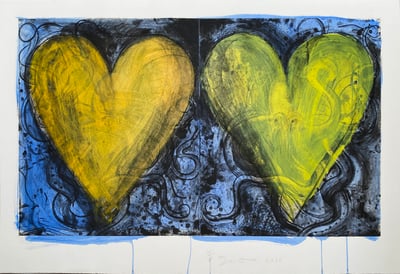
Jim Dine
The Octopus, 2015
Limited Edition Print
Woodcut
USD 17,770
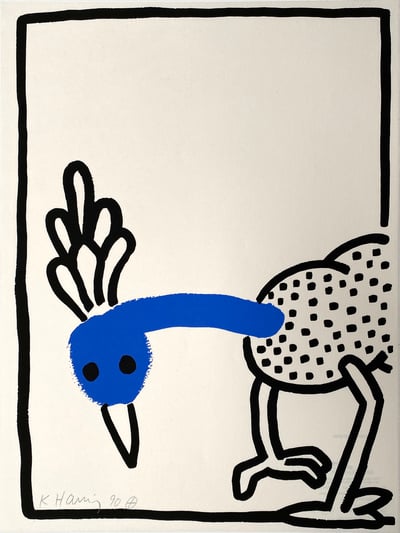
Keith Haring
Story of Red and Blue #8, 1989
Limited Edition Print
Lithograph
USD 5,400

Robert Indiana
Decade (The Figure 5), 1971
Limited Edition Print
Screen-print
USD 4,500
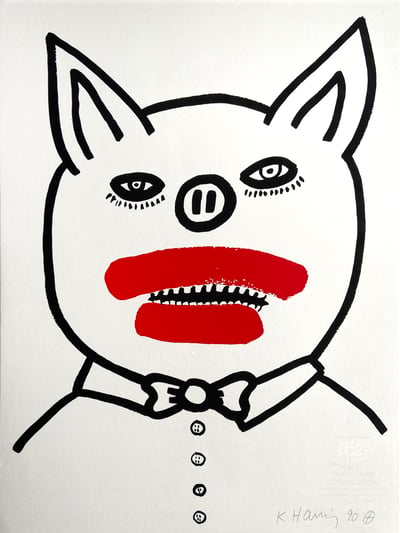
Keith Haring
Story of Red and Blue #3, 1989
Limited Edition Print
Lithograph
USD 4,800
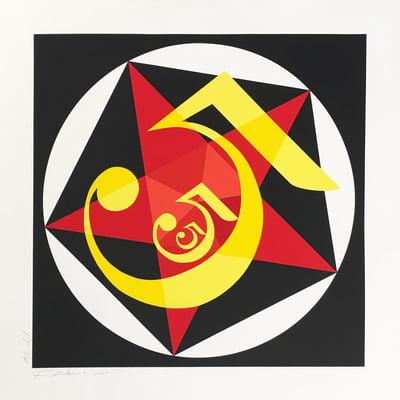
Robert Indiana
The Small Diamond Demuth Five, 1963/2001
Limited Edition Print
Silkscreen
USD 7,200
Related Articles

Animation is the process of displaying a sequence of static images in rapid succession to create the illusion of movement. Each image, or frame, is slightly altered from the previous one, particularly in the moving parts, so when shown together, they form a continuous motion. Traditionally, illustrators drew each frame by hand to produce this effect.

Woodblock printing is a technique that uses a carved wooden surface to create an image on materials such as paper or cloth. Ink or paint is applied thinly to the carved surface, which is then pressed against the material to transfer the image. This method has been historically significant in various cultures for producing prints and textiles.

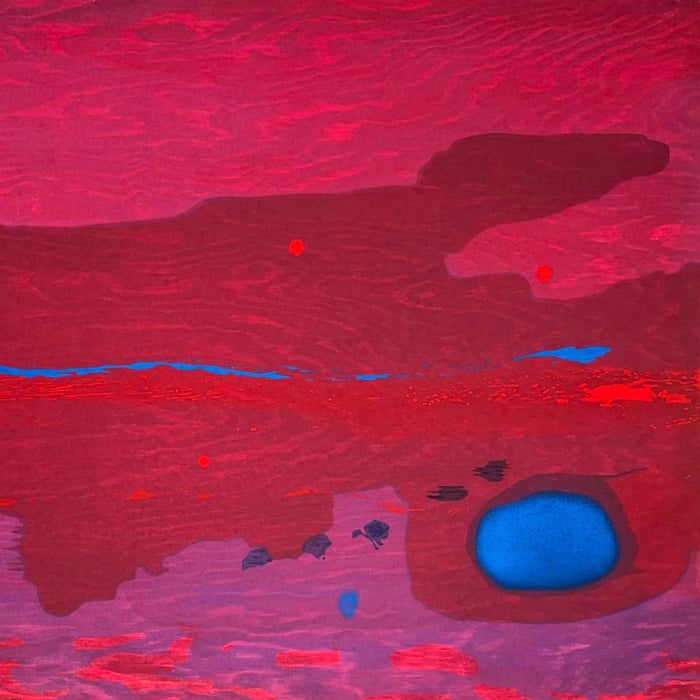
Woodcut is a printing technique where an image is carved into the surface of a woodblock using gouges, with the remaining flat surface holding the ink for printing. The areas cut away by the artist do not carry ink, while the uncut areas do, producing the desired print. The carving follows the wood's grain, unlike wood engraving, where the block is cut across the end-grain. Ink is applied to the surface with a roller, ensuring only the flat, uncarved areas receive ink, leaving the recessed, non-printing areas clean.
Can't find your Answer?
Thank you! Your question has been sent — we'll get back to you shortly.
