
What is a screen-print?
- Show All
- Established
- Discoveries
- Show All
Artworks Related to Screen-print
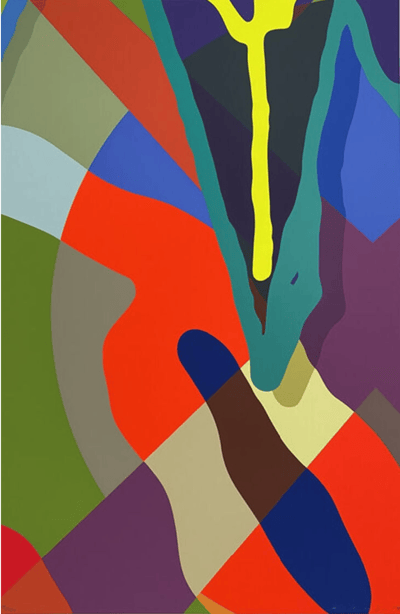
KAWS
Tension No. 6, 2019
Limited Edition Print
Screen-print
USD 11,350
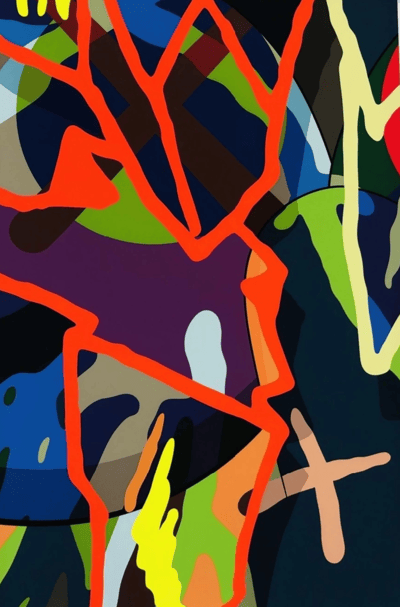
KAWS
Tension No. 3, 2019
Limited Edition Print
Screen-print
USD 11,350
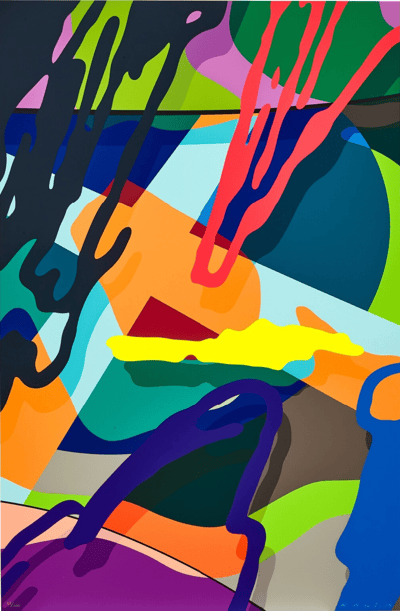
KAWS
Tension No. 2, 2019
Limited Edition Print
Screen-print
USD 11,350
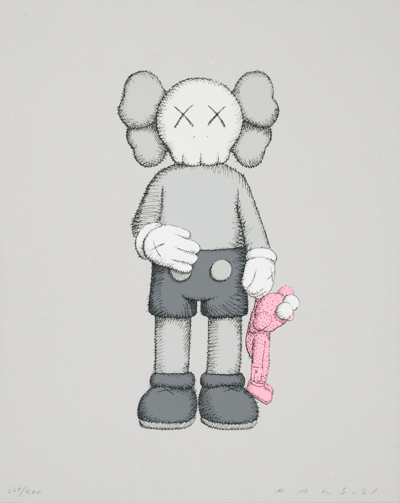
KAWS
Share, 2021
Limited Edition Print
Screen-print
USD 8,350
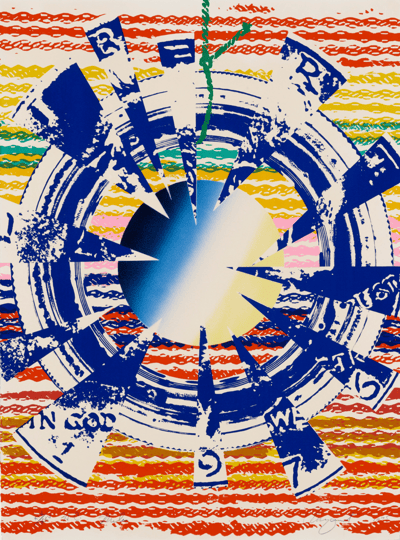
James Rosenquist
Miles, 1975
Limited Edition Print
Screen-print
USD 2,000
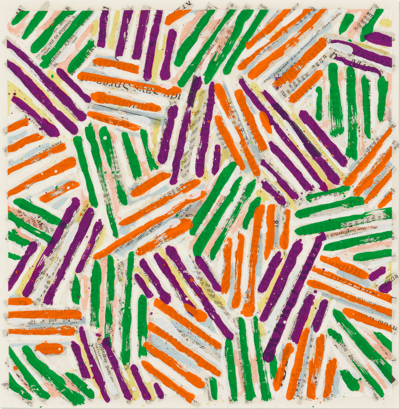
Jasper Johns
Cross Hatch, 1977
Limited Edition Print
Screen-print
Currently Not Available

Andy Warhol
Saint Apollonia (F. & S. II.330), 1984
Limited Edition Print
Screen-print
USD 23,500
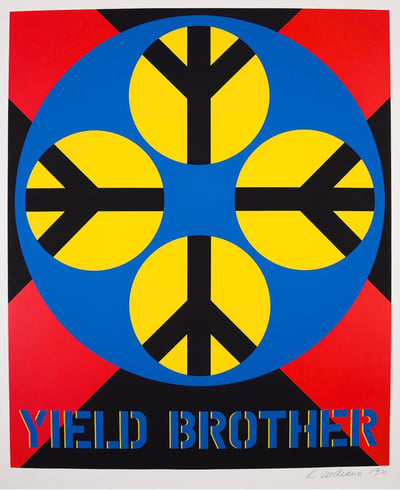
Robert Indiana
Yield Brother, 1971
Limited Edition Print
Screen-print
USD 2,500
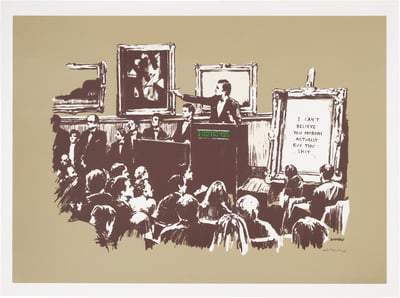
Banksy
Morons (Sepia), 2007
Limited Edition Print
Screen-print
USD 80,000 - 95,000
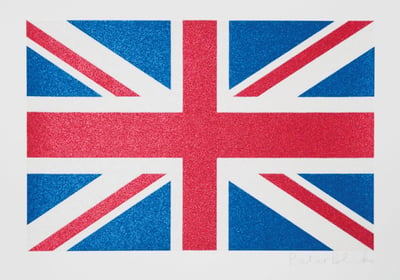
Peter Blake
Small Union Flag, 2016
Limited Edition Print
Screen-print
GBP 2,700
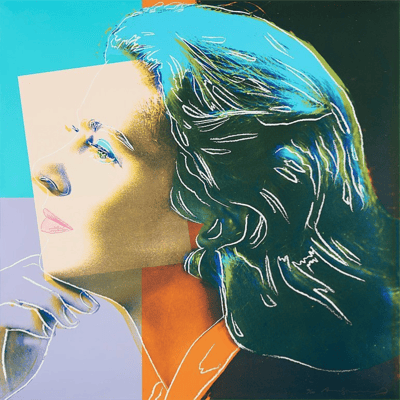
Andy Warhol
Ingrid Bergman, Herself (F. & S. II.313), 1983
Limited Edition Print
Screen-print
USD 60,000 - 70,000
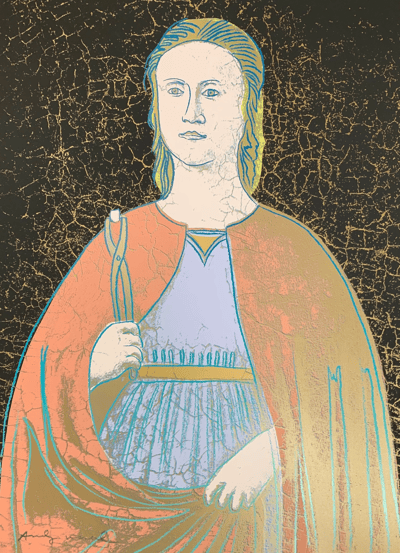
Andy Warhol
Saint Apollonia (F. & S. II.331), 1984
Limited Edition Print
Screen-print
USD 23,500
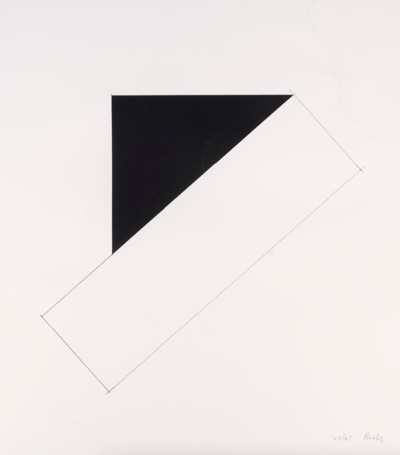
Ellsworth Kelly
Jacmel, 1978-1980
Limited Edition Print
Screen-print
USD 8,500
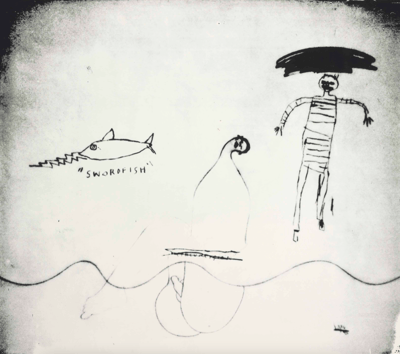
Andy Warhol
Tre Amici, 1984
Limited Edition Print
Screen-print
USD 80,000 - 90,000
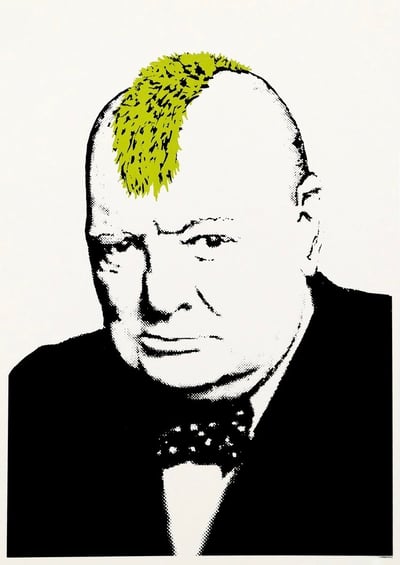
Banksy
Turf war , 2003
Limited Edition Print
Screen-print
GBP 34,800
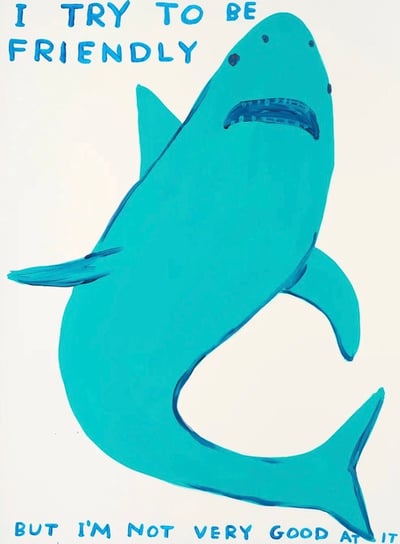
David Shrigley
I try to be friendly, 2023
Limited Edition Print
Screen-print
GBP 11,400
Related Articles
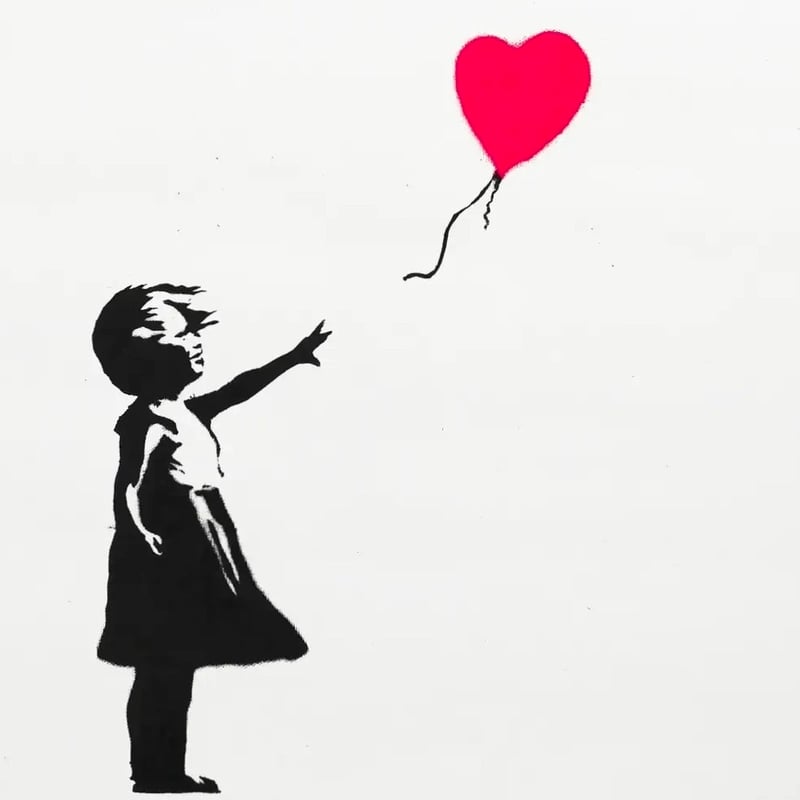
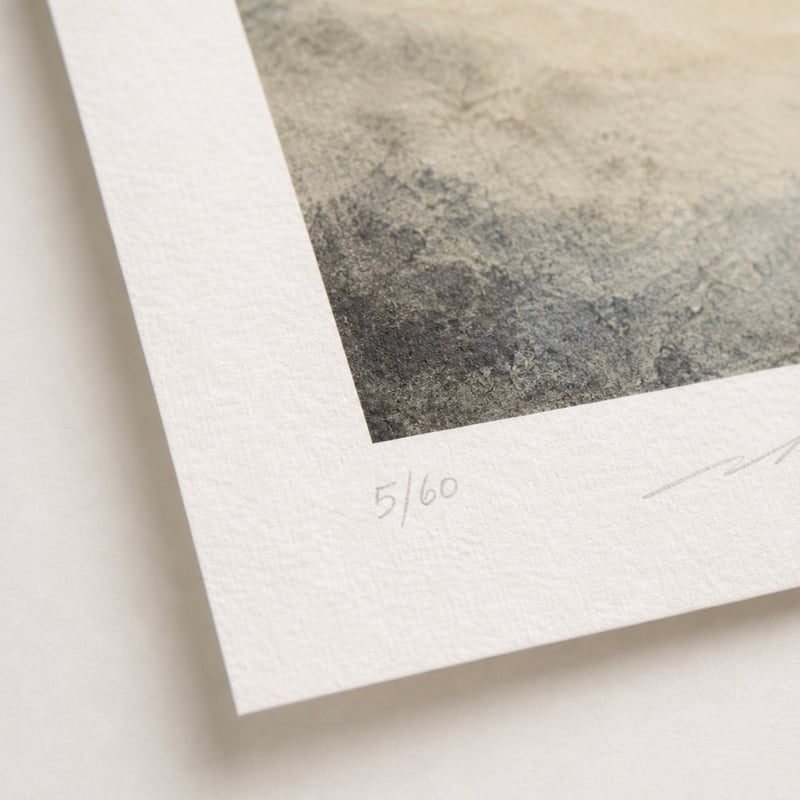

Intaglio is a printmaking technique where the artist creates marks on a metal plate that hold ink or dye. The inked plate is then pressed onto paper, transferring the ink to the sheet. This process can be repeated multiple times depending on the technique. Intaglio methods, such as etching, often involve applying a mordant (acid) to the metal plate to create the design. Intaglio encompasses various techniques, including engraving, etching, and drypoint.
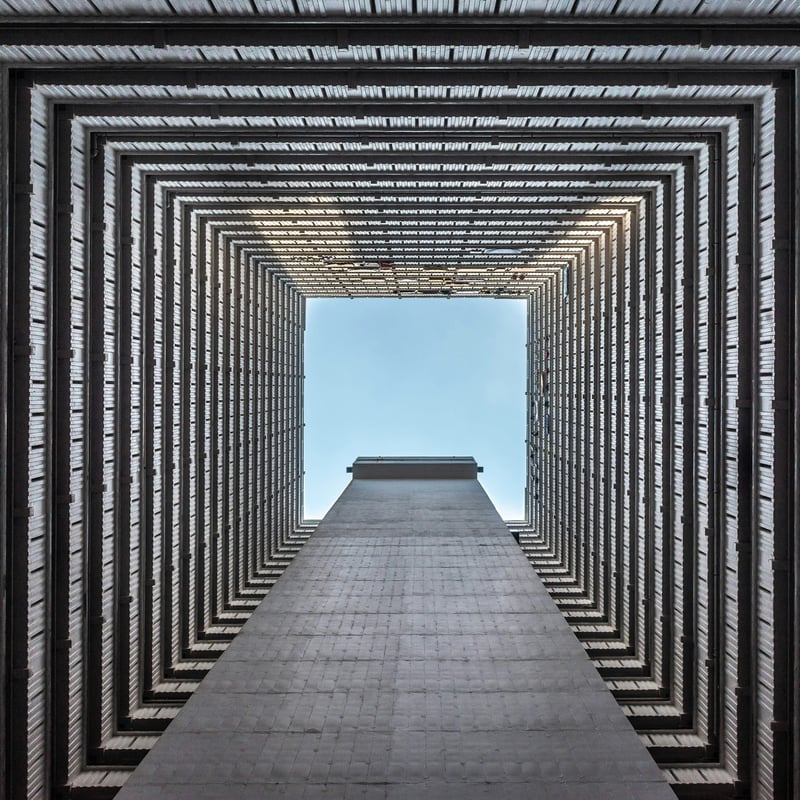
Perspective refers to the techniques artists use to represent three-dimensional objects on a two-dimensional surface. These techniques create the illusion of depth and space, making objects appear as they do in the real world, despite the limitations of a flat surface. Common types of perspective include linear and atmospheric perspective.
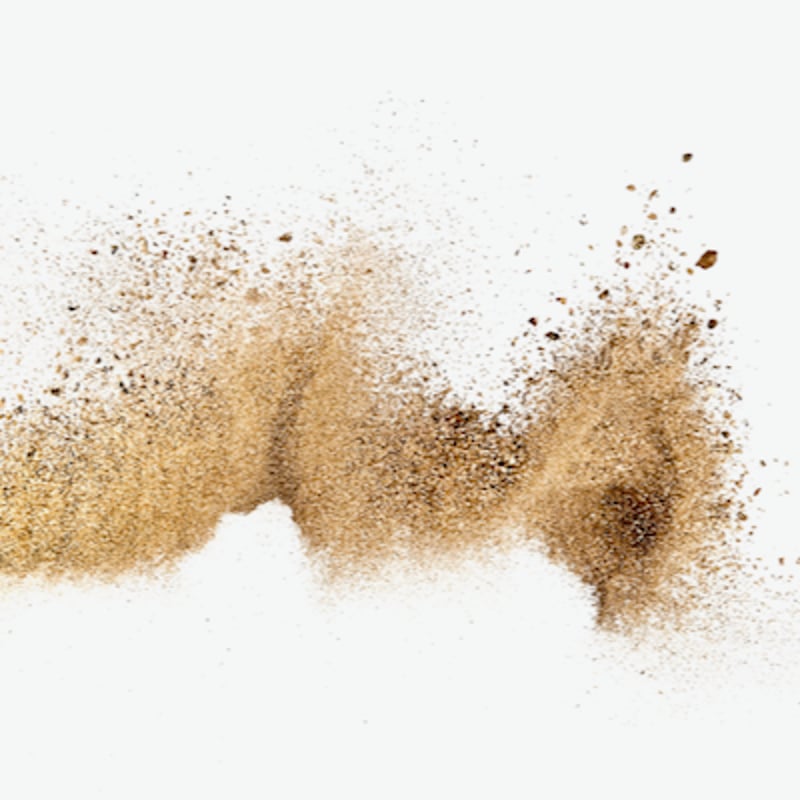
Sand consists of loose grains of material primarily made up of minerals like quartz, mica, and feldspar, as well as small fragments of rocks. Sand paintings are created by pouring colored sand into intricate designs, often for cultural rituals or special celebrations. These designs can take many days to complete and are traditionally brushed away after the ceremony, emphasizing the impermanence of the artwork.
Can't find your Answer?
Thank you! Your question has been sent — we'll get back to you shortly.
