
What is a screen-print?
- Show All
- Established
- Discoveries
- Show All
Artworks Related to Screen-print
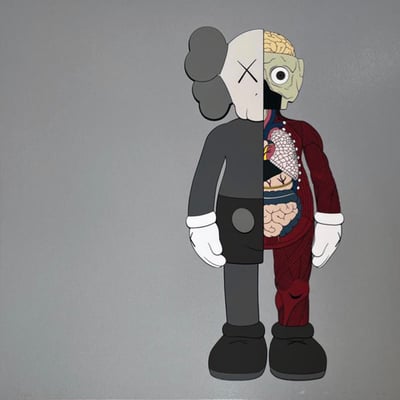
KAWS
Dissected Companion (Brown), 2006
Limited Edition Print
Screen-print
USD 30,000 - 40,000
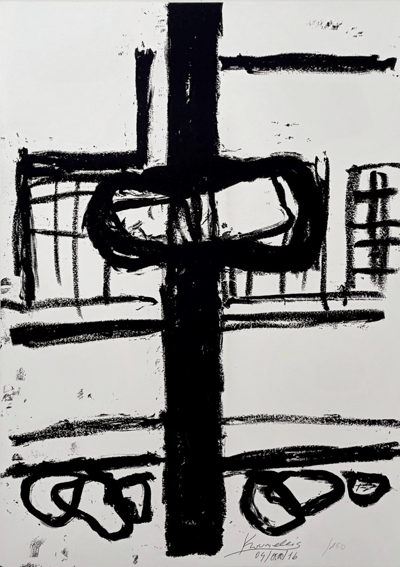
Jannis Kounellis
Opera in ricordo di Mauro Rostagno, 2000
Limited Edition Print
Screen-print
EUR 850
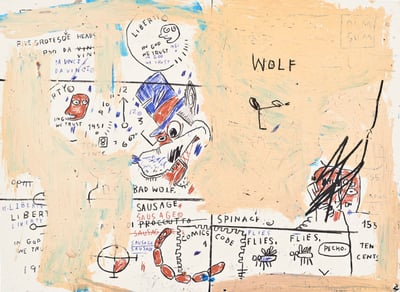
Jean-Michel Basquiat
Wolf Sausage, 1982-83/2019
Limited Edition Print
Screen-print
Inquire For Price

Alex Katz
Susan, 1976
Limited Edition Print
Screen-print
USD 8,950
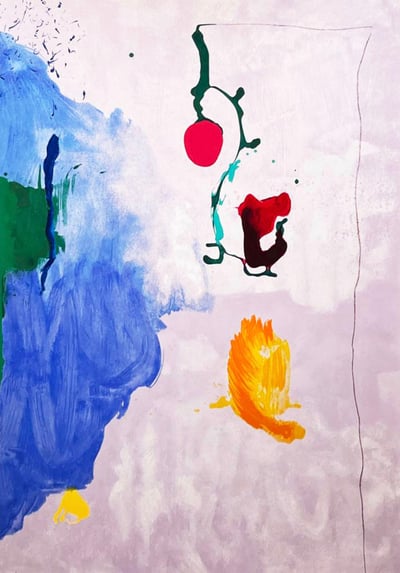
Helen Frankenthaler
Eve, 1995
Limited Edition Print
Screen-print
Currently Not Available

Julian Opie
New York Couple 6, 2019
Limited Edition Print
Screen-print
USD 17,800
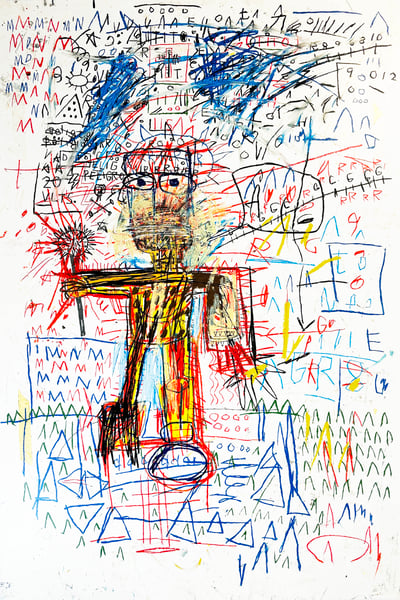
Jean-Michel Basquiat
Untitled IV from The Figures Portfolio, 1982/2023
Limited Edition Print
Screen-print
USD 50,000 - 60,000
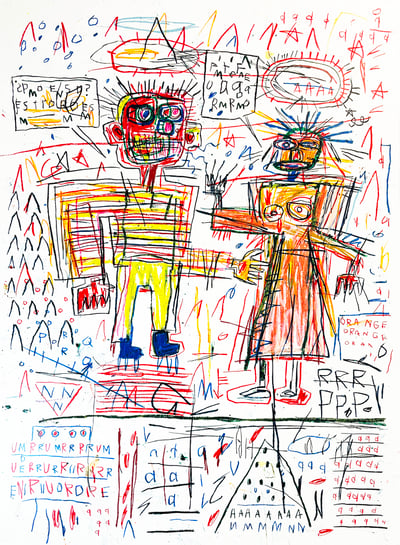
Jean-Michel Basquiat
Untitled III from The Figures Portfolio, 1982/2023
Limited Edition Print
Screen-print
USD 50,000 - 60,000

Tom Sachs
Too darn hot, 2022
Limited Edition Print
Screen-print
EUR 2,300

Carmen Herrera
Rojo y Negro (Red and Black), 1993
Limited Edition Print
Screen-print
GBP 5,400
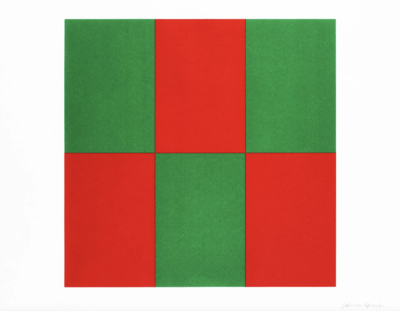
Carmen Herrera
Verde y Rojo, 2019
Limited Edition Print
Screen-print
Inquire For Price
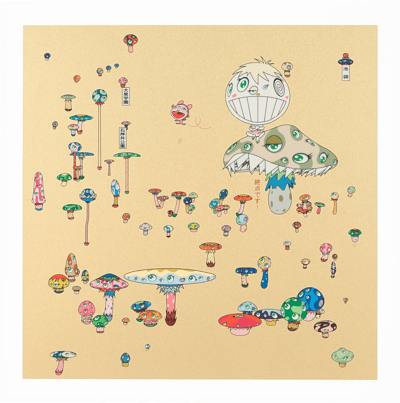
Takashi Murakami
Making a U-Turn, The Lost Child Finds His Way Home, 2004
Limited Edition Print
Screen-print
GBP 14,800

Miles Aldridge
Doors #5, 2023
Limited Edition Print
Screen-print
Currently Not Available

Miles Aldridge
Doors #4, 2023
Limited Edition Print
Screen-print
EUR 7,000

Miles Aldridge
Doors #2, 2023
Limited Edition Print
Screen-print
EUR 7,000

Miles Aldridge
Doors #1, 2023
Limited Edition Print
Screen-print
Currently Not Available
Related Articles

Body art involves creating art directly on or with the human body. Common forms include body piercings and tattoos, but it also encompasses practices like branding, scarification, scalping, body painting, full-body tattoos, body shaping, and sub-dermal implants. Body art can also refer to a subcategory of performance art where the artist's body is central to the artwork.

Gouache is an opaque watercolor paint that allows artists to layer from light to dark. Unlike traditional transparent watercolors, gouache is used for creating solid, vibrant colors. It belongs to the water-media category and is made of pigment, a binding agent, and an inert material, specifically designed for opaque painting.

Site-Specific Art is a form of artwork created to exist in a particular location, with the artist considering the site as an integral part of the creative process. Robert Irwin was a key figure in promoting this art form in California. Site-Specific Art emerged as a reaction against modernist objects, which were often portable, commodified, and confined to museum spaces. In contrast, Site-Specific Art is inherently tied to its location, challenging the traditional notions of art as a transportable and marketable commodity.
Can't find your Answer?
Thank you! Your question has been sent — we'll get back to you shortly.
