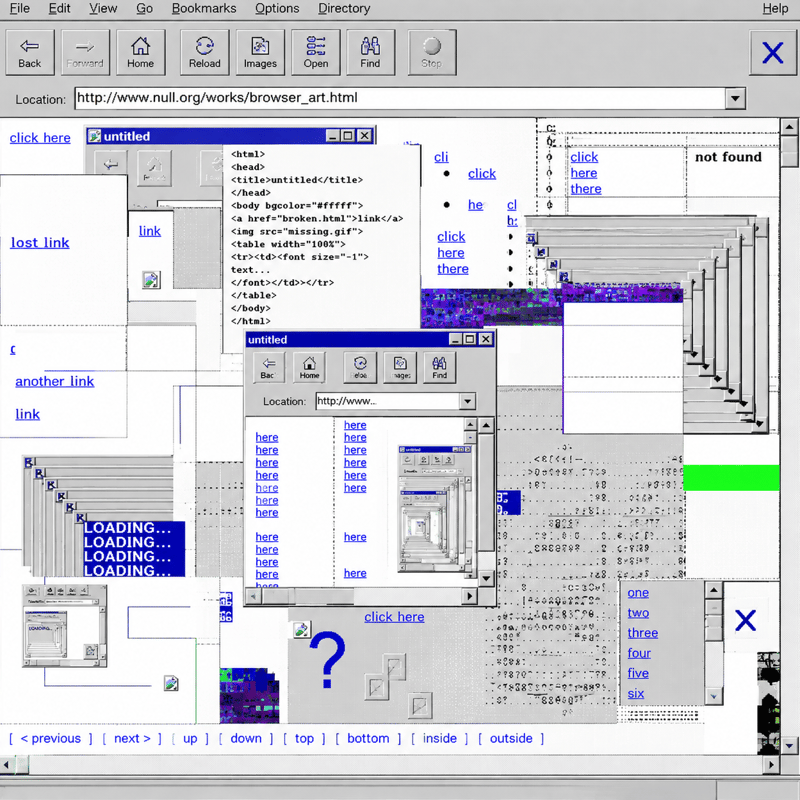
What is Browser Art?
Browser art is a form of renegade art where artists use computers to transform code, website structures, and server links into visual material. These artists, often called net artists or net writers, manipulate computer code to create artworks that transform web pages into entirely different images or experiences.
Related Articles
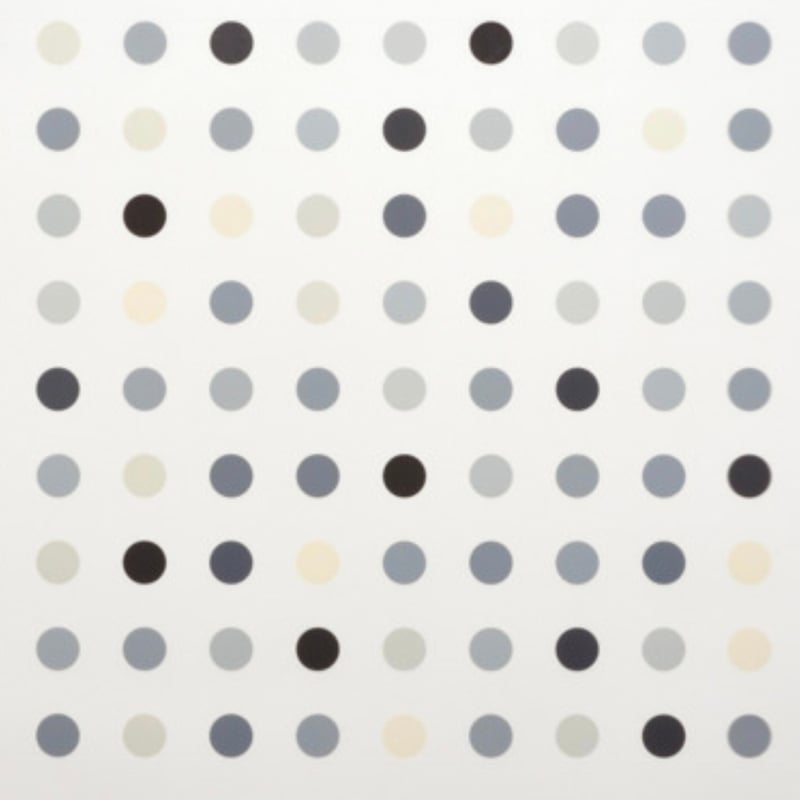
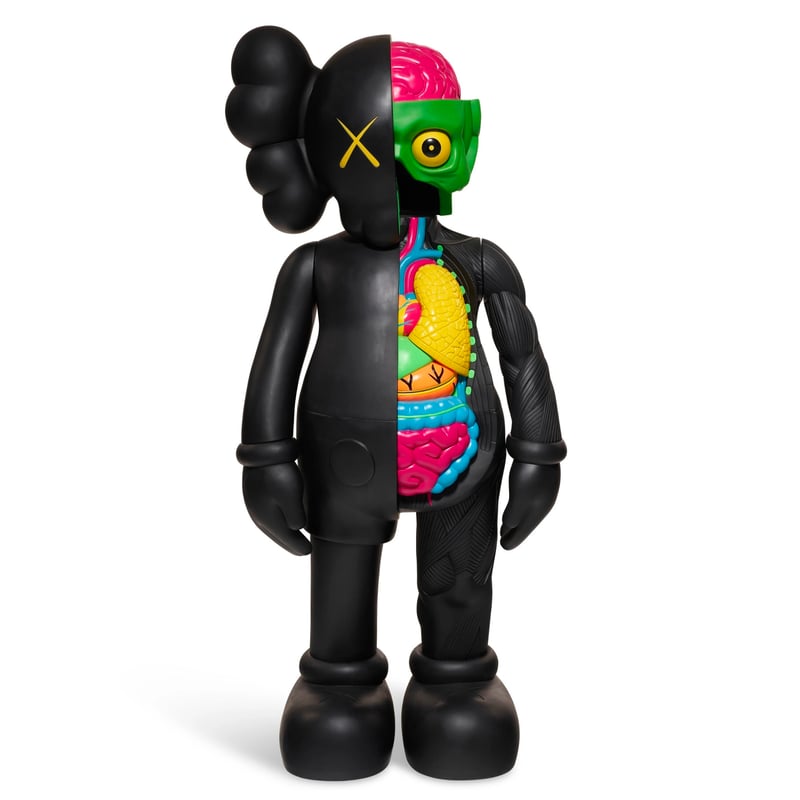
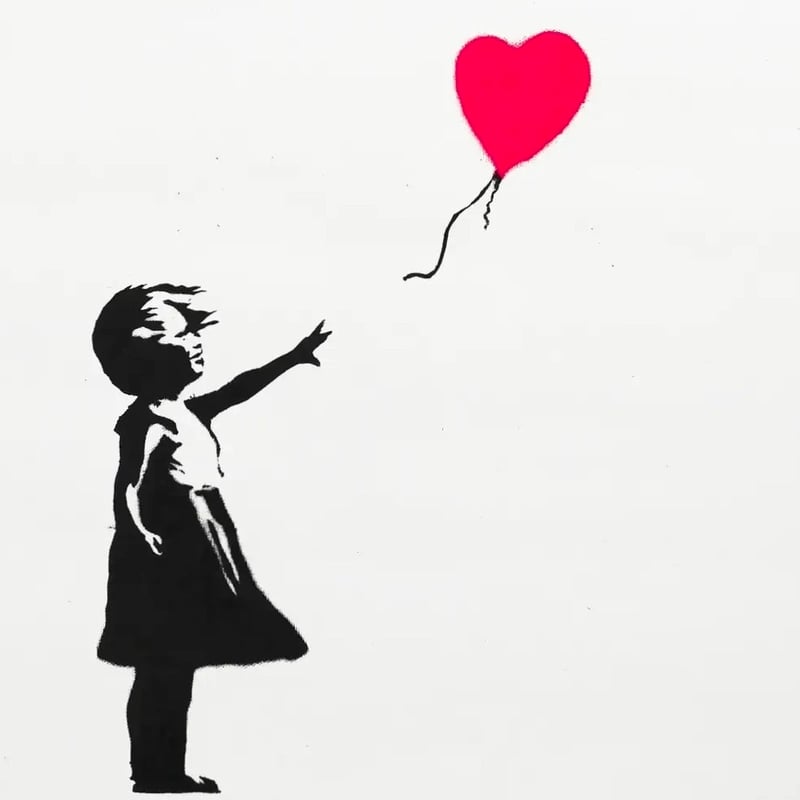
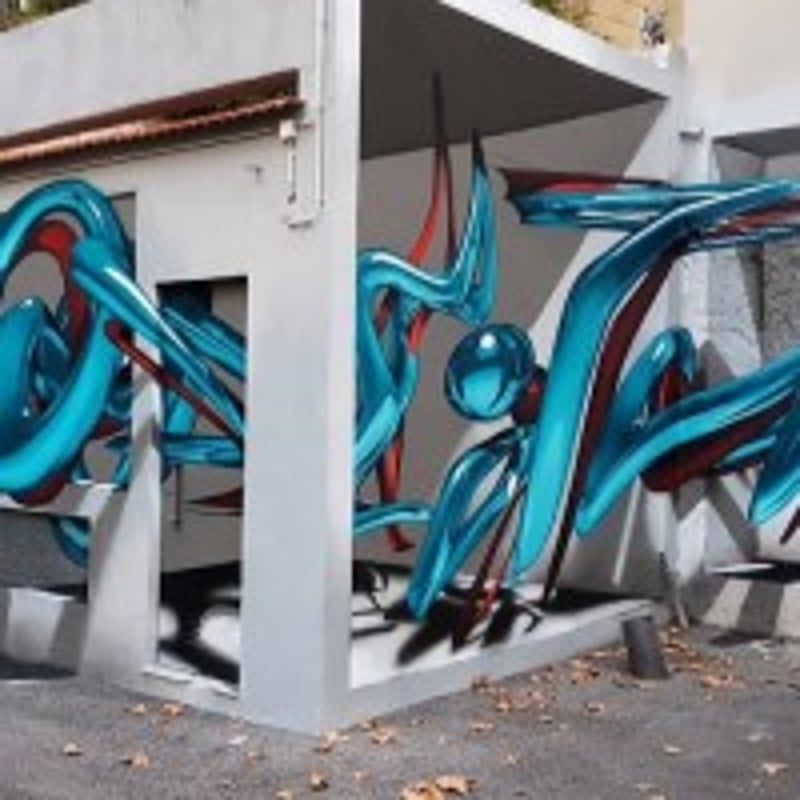
Hypermodernism is a cultural and artistic movement that emerged in the late 20th and early 21st centuries, characterized by an intense embrace of technology and a focus on speed, complexity, and the future. This movement often challenges traditional modernist values by emphasizing hyper-reality, where the boundaries between reality and virtuality blur. Hypermodernism is evident in architecture, design, and visual arts, where artists and creators use advanced digital tools and futuristic aesthetics to explore themes of globalization, identity, and the impact of technology on society.

Queer Aesthetics refers to an art movement that emerged in the 1980s, focusing on themes of homosexuality, lesbianism, and broader issues of identity and gender. This movement gained momentum in the context of the AIDS crisis and the feminist movement, challenging traditional representations of sexuality and gender. Queer Aesthetics often explores the fluidity of gender and identity, as seen in the works of artists like Nan Goldin, who is known for her photography of individuals with ambiguous or non-conforming gender presentations.
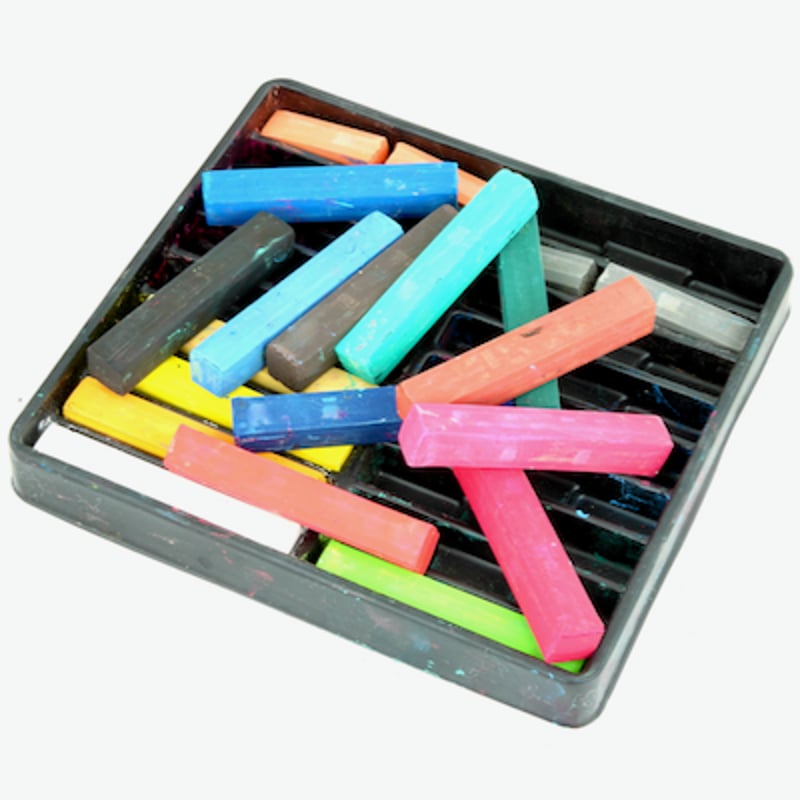
Conté is a vivid, waxy crayon invented by Nicolas-Jacques Conté in 1795. Artists use Conté crayons for detailed drawing, shading large areas, and blending colors. The tips can be sharpened with sanding pads for precision, or the sides can be dragged flat for broad shading.
Can't find your Answer?
Thank you! Your question has been sent — we'll get back to you shortly.
