
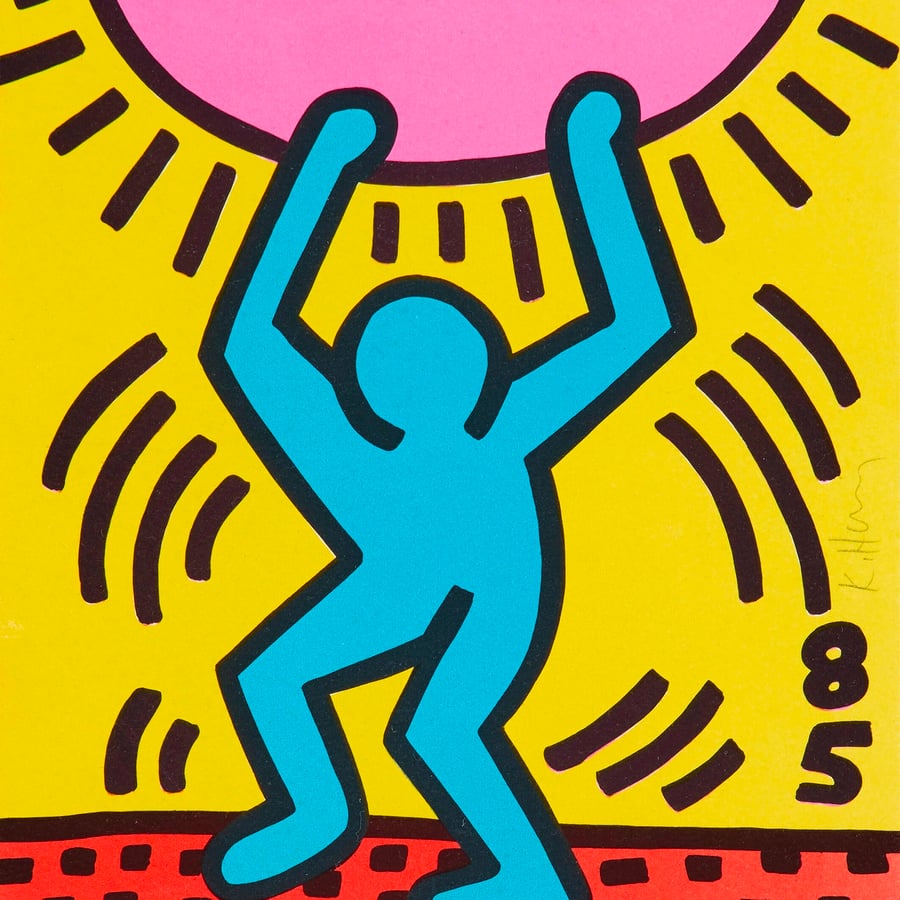
United States
The contemporary art scene in the United States is a dynamic fusion of diverse traditions and avant-garde explorations, resonating across the global art spectrum. Institutions like the Museum of Modern Art in New York and the Los Angeles County Museum of Art are central to this discourse, spotlighting artists from different backgrounds and mediums. Notable figures such as Jeff Koons, known for his monumental public sculptures, and Kara Walker, recognized for her poignant silhouettes and murals, contribute to the vibrant US artistic landscape. Major events like Art Basel Miami further underline the country's role as a nexus of contemporary art. Dive into the robust and compelling art scene of the United States on Composition Gallery's website.
- Show All
- Established
- Discoveries
- Show All
Artworks Related to United States
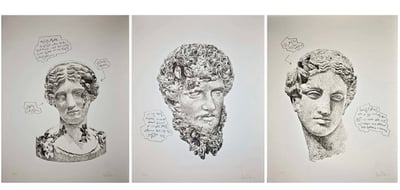
Daniel Arsham
Eroded Classical Prints, 2020
Limited Edition Print
Screen-print
USD 14,850
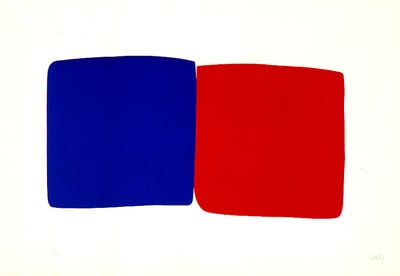
Ellsworth Kelly
Dark Blue and Red (Bleu Foncé et Rouge), 1964 -1965
Limited Edition Print
Lithograph
EUR 13,500

Jeff Koons
Seated Ballerina, 2015
Sculpture / Object
Wood
EUR 85,000 - 100,000
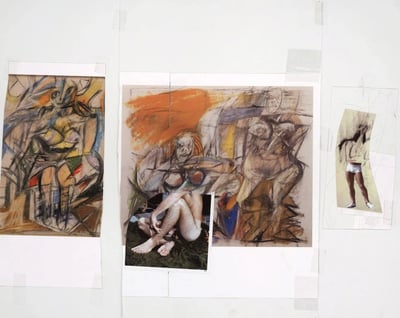
Richard Prince
Together, 2011
Limited Edition Print
Collage
Currently Not Available

Richard Prince
The Greeting Card Jokes (complete set of 3), 2011
Limited Edition Print
Mixed Media
GBP 14,950
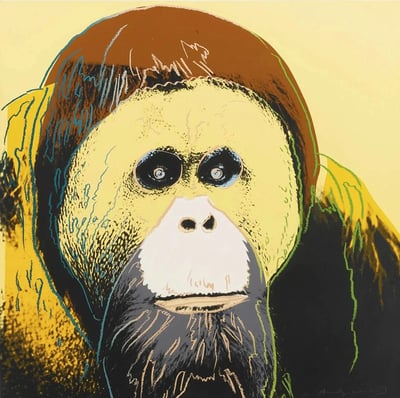
Andy Warhol
Orangutan (F. & S. II. 299), 1983
Limited Edition Print
Screen-print
Inquire For Price
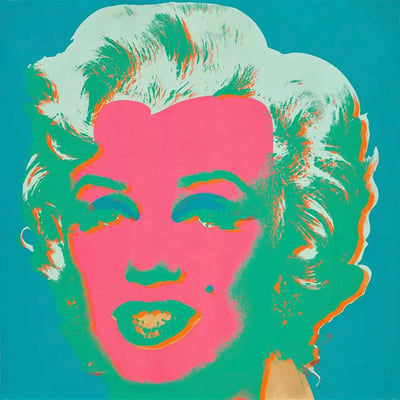
Andy Warhol
Marilyn F. S. 30, 1967
Limited Edition Print
Screen-print
GBP 190,000 - 210,000
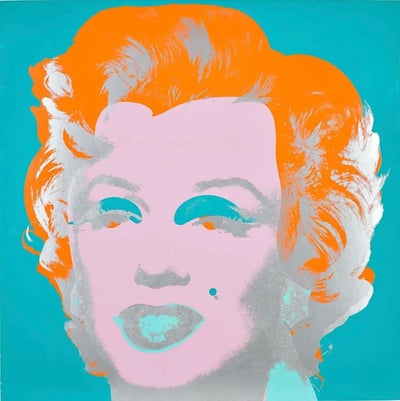
Andy Warhol
Marilyn F. S. 29, 1967
Limited Edition Print
Screen-print
GBP 250,000 - 290,000

Cindy Sherman
Untitled #114, 1999
Photography
Offset Print
GBP 4,800

Cindy Sherman
Untitled - Marilyn, 1981/1989
Photography
Offset Print
GBP 4,750
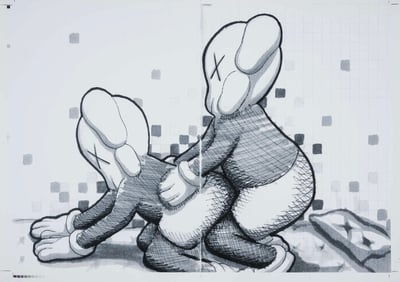
KAWS
I Like Printing, 2002
Limited Edition Print
Screen-print
GBP 8,900

KAWS
Warm Regards, 2005
Limited Edition Print
Mixed Media
GBP 9,950
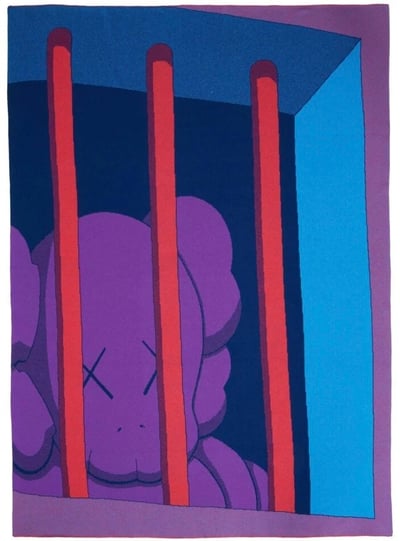
KAWS
Confined, 2022
Tapestry
Tapestry
GBP 3,950
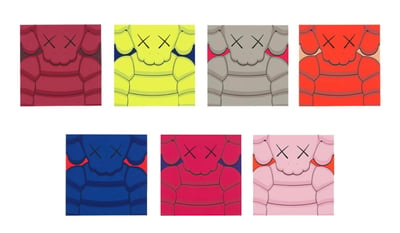
KAWS
What Party - set of 7, 2020
Limited Edition Print
Screen-print
USD 120,000 - 150,000
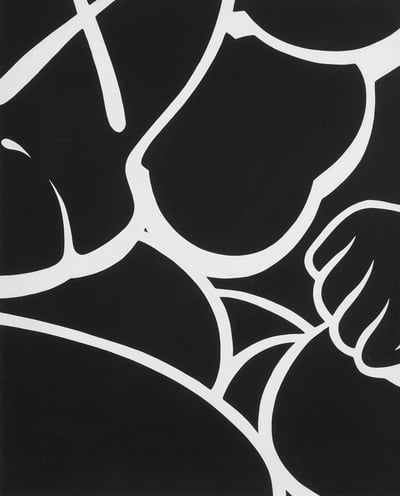
KAWS
Running Chum III, 2000
Limited Edition Print
Silkscreen
GBP 17,500

KAWS
Tide, 2023
Limited Edition Print
Silkscreen
GBP 5,200
Related Articles
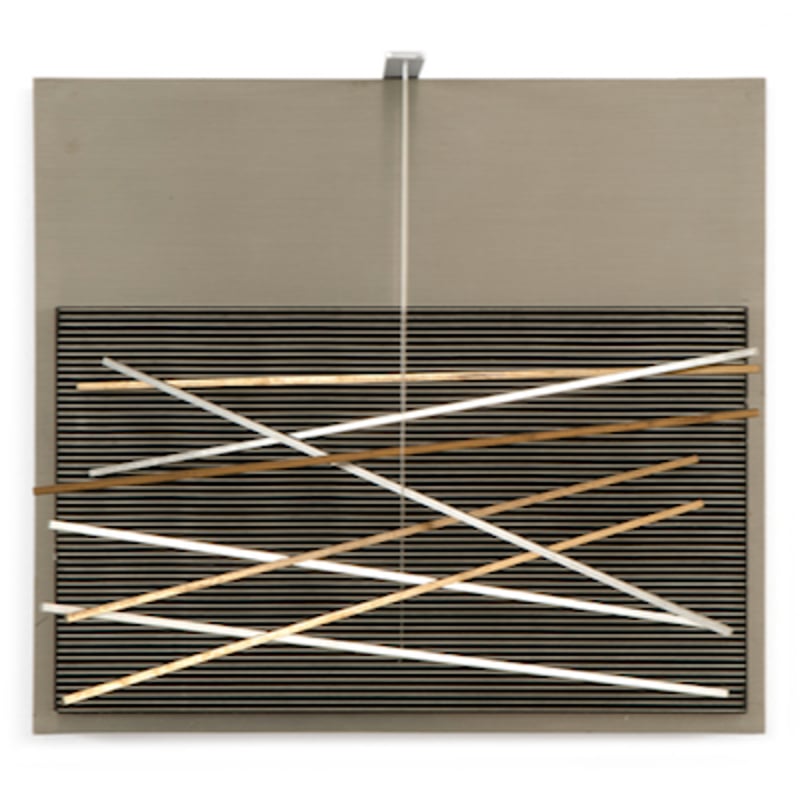
Kinetic art is an international movement that emerged in the 1920s and gained prominence in the 1960s, referring to art that involves both apparent and real motion. It encompasses any medium that includes movement, either relying on actual motion for its effect or being perceived as moving by the viewer. Early examples include canvas paintings designed to create optical illusions of movement. Today, kinetic art often refers to three-dimensional figures and sculptures, such as those operated by machines or those that move naturally. The movement covers a variety of styles and techniques that frequently overlap.

A print proof refers to any test impressions made from a printing plate or block to check the image quality before the final print is completed. These proofs are used as quality checks to ensure that the details and alignment are correct. Different types of proofs, such as artist's proofs or trial proofs, serve specific purposes during the printmaking process.

New Topographics is a term coined in 1975 by curator William Jenkins to describe a group of photographers whose work focused on formal black-and-white images of urban and industrial landscapes. Jenkins initially described their aesthetic as banal, but the photographers themselves argued that their compositions were as significant as those of natural landscapes, emphasizing the beauty in everyday, man-made environments.
Can't find your Answer?
Thank you! Your question has been sent — we'll get back to you shortly.
