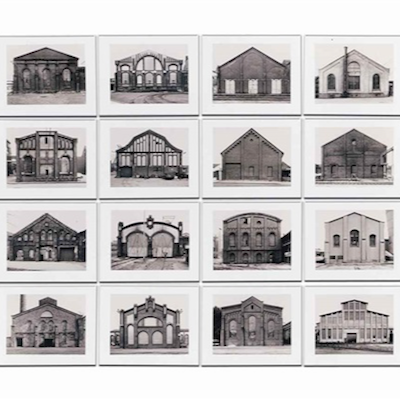
What is New Topographics?
New Topographics is a term coined in 1975 by curator William Jenkins to describe a group of photographers whose work focused on formal black-and-white images of urban and industrial landscapes. Jenkins initially described their aesthetic as banal, but the photographers themselves argued that their compositions were as significant as those of natural landscapes, emphasizing the beauty in everyday, man-made environments.
Show All
- Show All
- Established
- Discoveries
Show All
ARTWORKS RELATED TO NEW TOPOGRAPHICS

Ed Ruscha
Insect Slant (Ants) (from Reality & Paradoxes), 1973
Limited Edition Print
Mixed Media
Inquire For Price

Ed Ruscha
Anchor in the Sand (Paris Review), 1991
Limited Edition Print
Lithograph
USD 8,500

Ed Ruscha
Here and Now, 2009
Limited Edition Print
Lithograph
Currently Not Available

Ed Ruscha
Red Ants from the Insects Portfolio, 1972
Limited Edition Print
Screen-print
USD 3,700

Ed Ruscha
Pearl Dust Combination from the Insects Portfolio, 1972
Limited Edition Print
Screen-print
USD 3,950

Ed Ruscha
Flies from the Insects Portfolio, 1972
Limited Edition Print
Screen-print
USD 5,000

Ed Ruscha
Black Ants from the Insects Portfolio, 1972
Limited Edition Print
Screen-print
USD 5,000

Ed Ruscha
Cockroaches from the Insects Portfolio, 1972
Limited Edition Print
Screen-print
USD 5,000

Ed Ruscha
Swarm of Red Ants from the Insects Portfolio, 1972
Limited Edition Print
Screen-print
USD 3,900

Ed Ruscha
Raw, 1971
Limited Edition Print
Screen-print
Inquire For Price
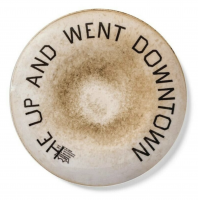
Ed Ruscha
He Up and Went Downtown, 2020
Sculpture / Object
Plate
GBP 2,350
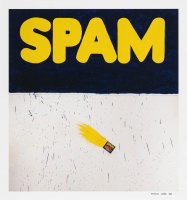
Ed Ruscha
Actual Size, 2024
Limited Edition Print
Mixed Media
GBP 2,000
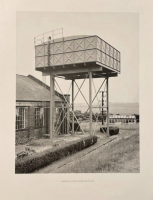
Bernd & Hilla Becher
Wasserturm Kirkhamgate, 1974
Photography
Offset Print
GBP 4,200
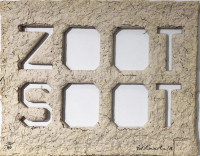
Ed Ruscha
Zoot Soot, 2013
Limited Edition Print
Mixed Media
USD 12,000
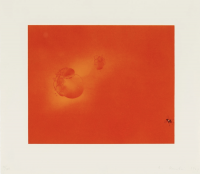
Ed Ruscha
Boiling Blood, Fly, 1969
Limited Edition Print
Lithograph
Inquire For Price
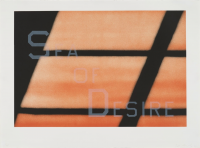
Ed Ruscha
Sea of Desire, 1984
Limited Edition Print
Lithograph
USD 30,000 - 40,000
Related Articles
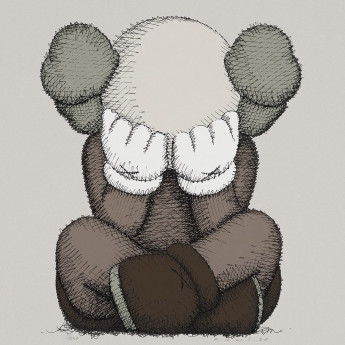
Popular, Art Movements - October 22, 2025
Neo-Pop Art in the 21st Century: From Takashi Murakami to KAWS
Explore Neo-Pop Art with Murakami, KAWS, Kusama & more. Bold, playful, and collectible—this movement fuses pop culture with fine art today. Read More
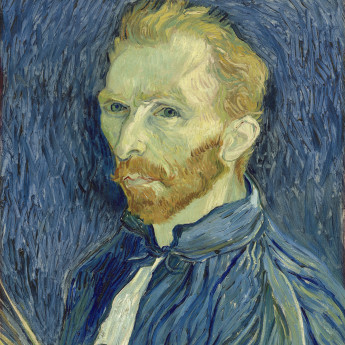

Mezzotint is a printmaking technique in which a copper or steel plate is roughened to produce a solid black print. The artist smooths specific areas of the plate to create a range of tones, from deep blacks to delicate grays and whites. By varying the degree of smoothing, the artist can achieve detailed gradations of light and shadow, resulting in prints with rich, velvety textures and subtle transitions between light and dark.
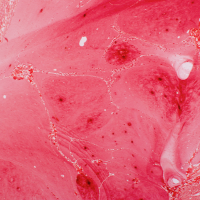
Monoprinting is a printmaking technique where a single impression is created from a re-printable surface, such as a lithographic stone, wood block, or metal plate. Unlike traditional printmaking, where multiple copies are produced, monoprinting results in a unique image. Techniques used in monoprinting include etching, lithography, and woodcut, but the key characteristic is that each print is one-of-a-kind.