
What is a woodcut?
- Show All
- Established
- Discoveries
- Show All
Artworks Related to Woodcut

Donald Judd
Untitled (Schellmann 265/266), 1992-1993
Limited Edition Print
Woodcut
Inquire For Price
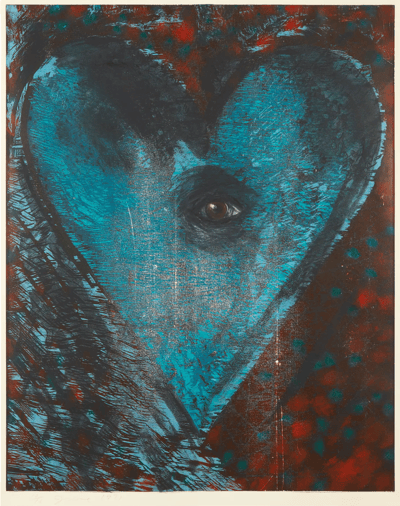
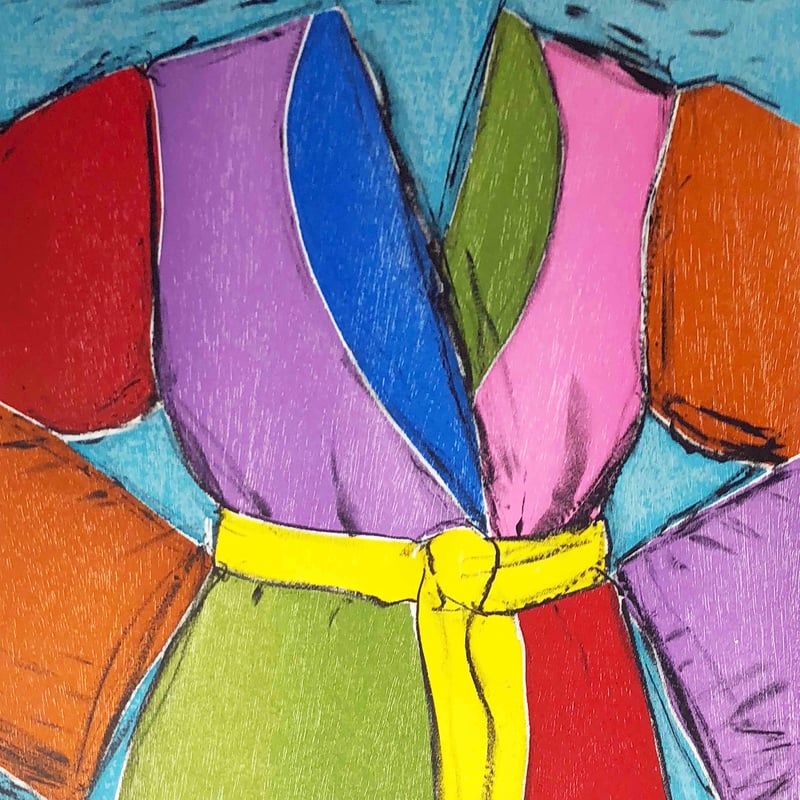
Jim Dine
The Woodcut Self, 1991
Limited Edition Print
Woodcut
USD 6,550
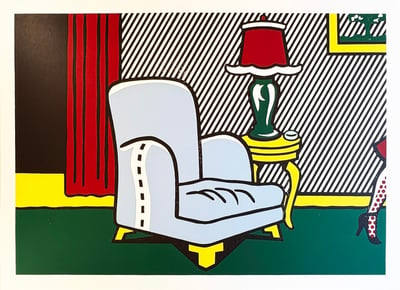
Roy Lichtenstein
La Sortie from the Interior Series, 1990
Limited Edition Print
Woodcut
Inquire For Price
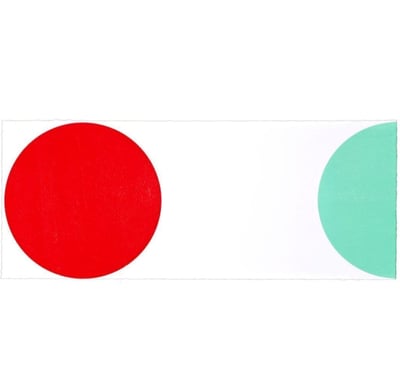
Damien Hirst
Picolinic Acid, 2011
Limited Edition Print
Woodcut
GBP 12,000 - 15,600
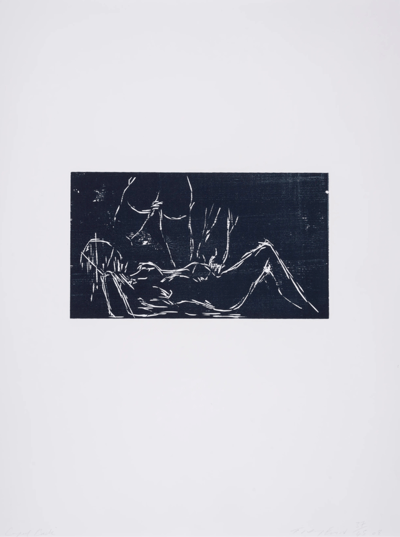
Tracey Emin
Laying Back, 2008
Limited Edition Print
Woodcut
GBP 10,000
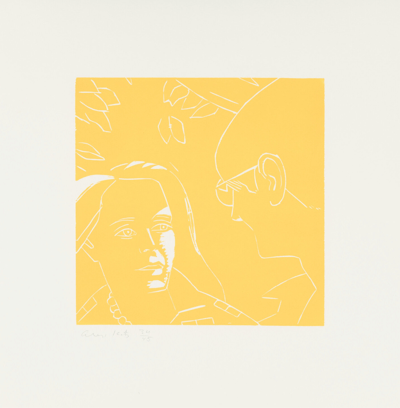
Alex Katz
Anda and Dino (from A Tremor in the Morning), 1986
Limited Edition Print
Woodcut
USD 6,500
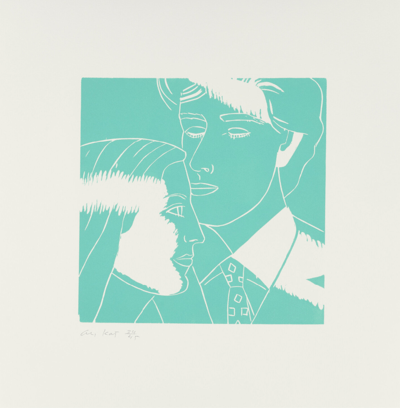
Alex Katz
Kriti and Vincent (from A Tremor in the Morning), 1986
Limited Edition Print
Woodcut
USD 6,500
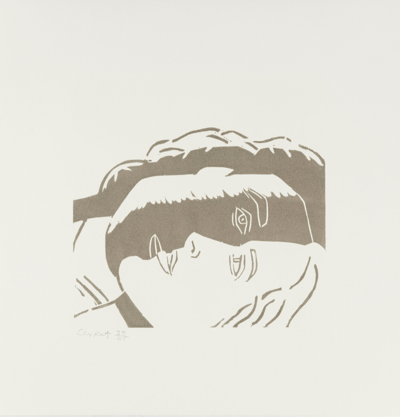
Alex Katz
Peter and Linda (from A Tremor in the Morning), 1986
Limited Edition Print
Woodcut
USD 6,500
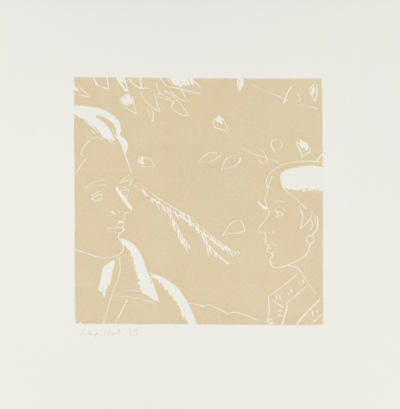
Alex Katz
Rackstraw and Peggy (from a Tremor in the Morning), 1986
Limited Edition Print
Woodcut
USD 6,500
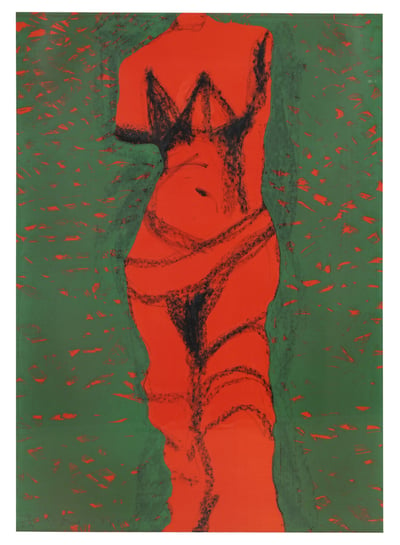
Jim Dine
Nine Views of Winter 2, 1985
Limited Edition Print
Woodcut
USD 5,000
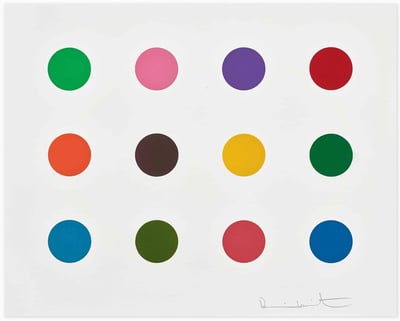
Damien Hirst
Perillartine, 2012
Limited Edition Print
Woodcut
GBP 14,000 - 16,000
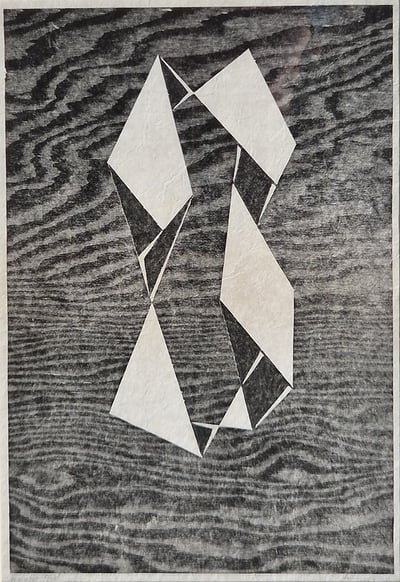
Josef Albers
Astatic (Danilowitz 116), 1944
Limited Edition Print
Woodcut
USD 10,200
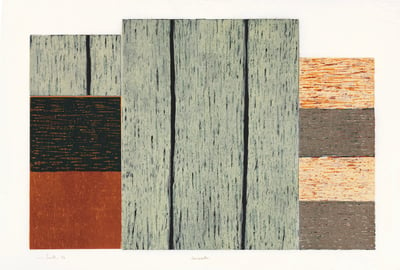
Sean Scully
Conversation, 1986
Limited Edition Print
Woodcut
EUR 12,570
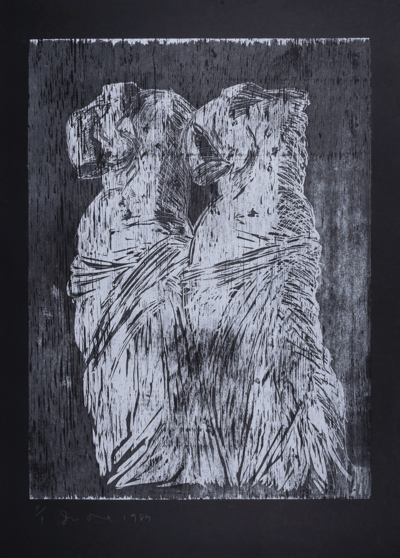
Jim Dine
Double Venus Woodcut II, 1984
Limited Edition Print
Woodcut
USD 3,060
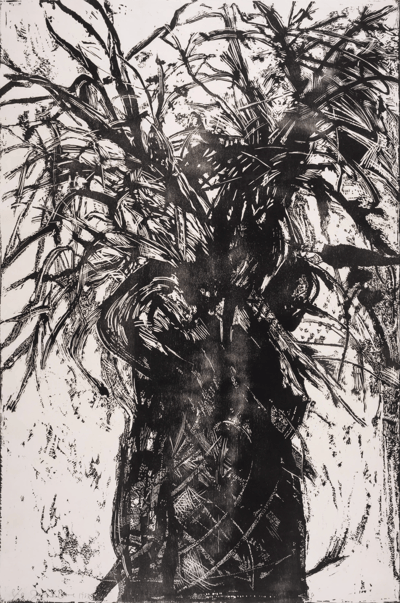
Jim Dine
Left Panel, from The Three Sydney Close Woodcuts, 1983
Limited Edition Print
Woodcut
Inquire For Price
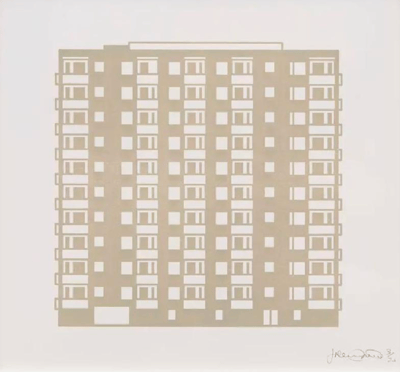
Julian Opie
Apartment 8, 2021
Limited Edition Print
Woodcut
USD 1,950
Related Articles
Street Art is artwork created and executed in public spaces, outside of traditional art venues. It gained popularity during the 1980s graffiti art boom and has since evolved into various forms and styles. Common forms of Street Art include pop-up art, sticker art, stencil graffiti, and street installations or sculptures. Terms like guerrilla art, neo-graffiti, post-graffiti, and urban art are often used interchangeably to describe this genre, which challenges conventional ideas about where and how art should be displayed.

Wax is a solid material derived from plant, animal, and petroleum sources. It is used to protect paints from wear, create sculptures, make wax crayons and colored pencils, and for encaustic painting. In encaustic painting, colored beeswax is shaped with special tools to create textured, raised surfaces.

Op Art is a visual art style that uses optical illusions to create the impression of movement, vibrating patterns, flashing, or hidden images. The works are typically abstract, with many well-known pieces in black and white. The roots of Op Art can be traced back to earlier movements like Futurism, Constructivism, Dada, and Neo-Impressionism, particularly in their use of color effects and graphic design.
Can't find your Answer?
Thank you! Your question has been sent — we'll get back to you shortly.
