
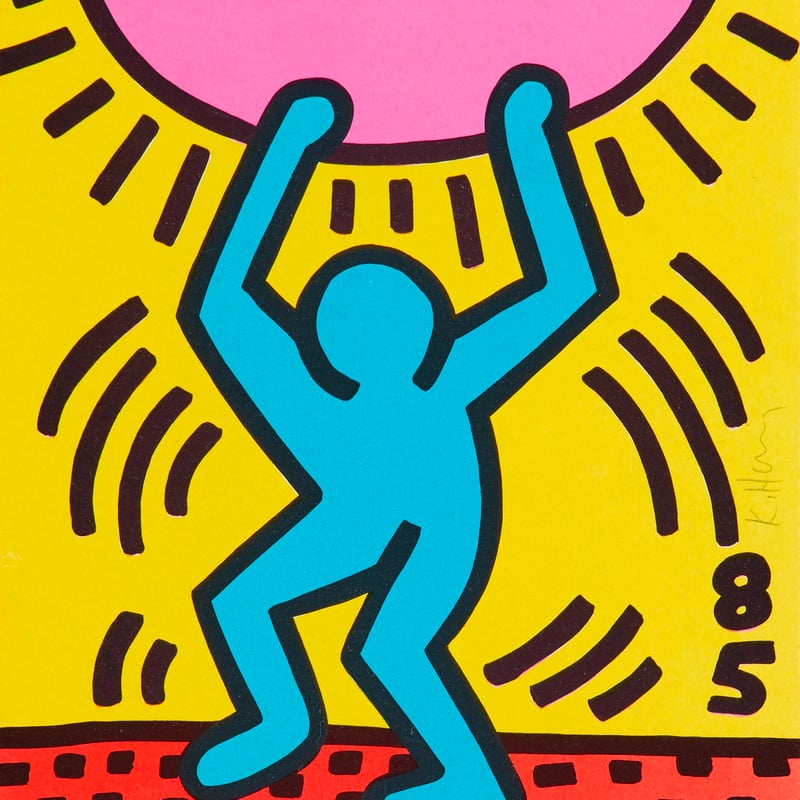
United States
The contemporary art scene in the United States is a dynamic fusion of diverse traditions and avant-garde explorations, resonating across the global art spectrum. Institutions like the Museum of Modern Art in New York and the Los Angeles County Museum of Art are central to this discourse, spotlighting artists from different backgrounds and mediums. Notable figures such as Jeff Koons, known for his monumental public sculptures, and Kara Walker, recognized for her poignant silhouettes and murals, contribute to the vibrant US artistic landscape. Major events like Art Basel Miami further underline the country's role as a nexus of contemporary art. Dive into the robust and compelling art scene of the United States on Composition Gallery's website.
- Show All
- Established
- Discoveries
- Show All
Artworks Related to United States
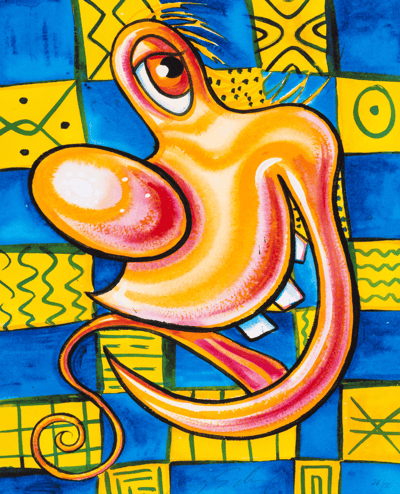
Kenny Scharf
Untitled (Grinning Whimsy), 2002
Limited Edition Print
Archival Print
Inquire For Price
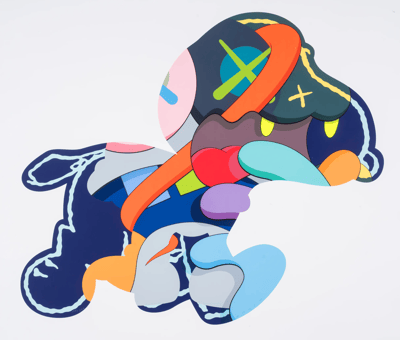
KAWS
Stay Steady, 2015
Limited Edition Print
Screen-print
USD 10,750
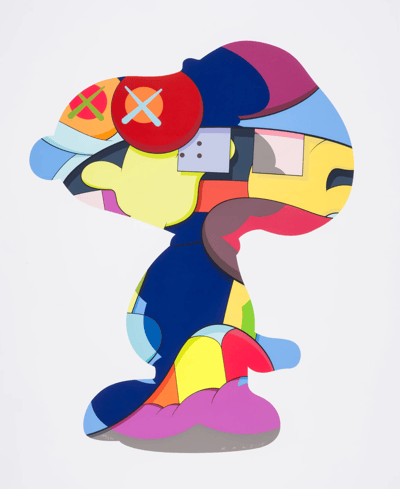
KAWS
No One's Home, 2015
Limited Edition Print
Screen-print
USD 10,750
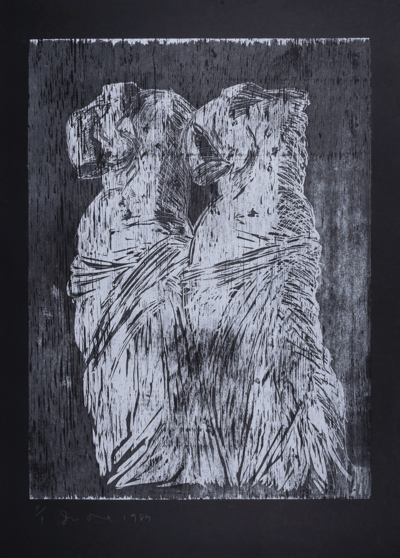
Jim Dine
Double Venus Woodcut II, 1984
Limited Edition Print
Woodcut
USD 3,060
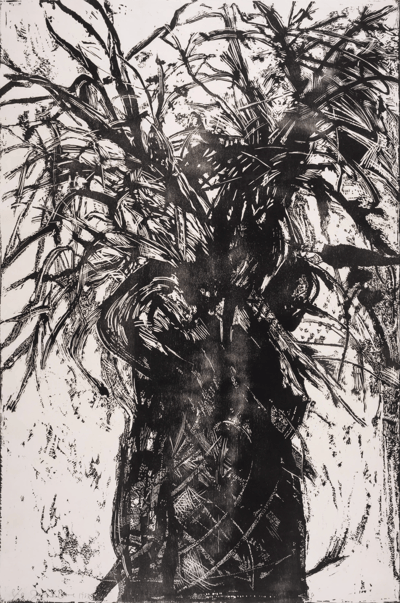
Jim Dine
Left Panel, from The Three Sydney Close Woodcuts, 1983
Limited Edition Print
Woodcut
Inquire For Price
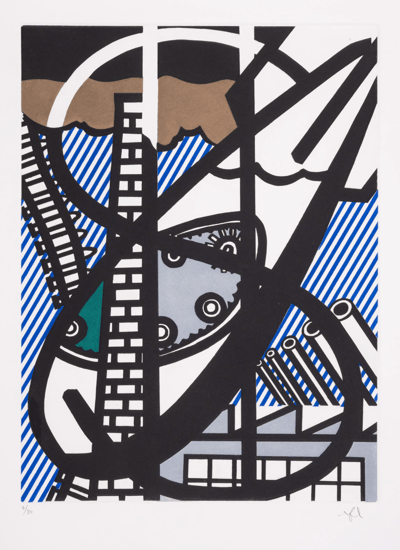
Roy Lichtenstein
Illustration for 'Une Fenêtre ouverte sur Chicago' (Corlett 271), 1992
Limited Edition Print
Etching and Aquatint
USD 13,250
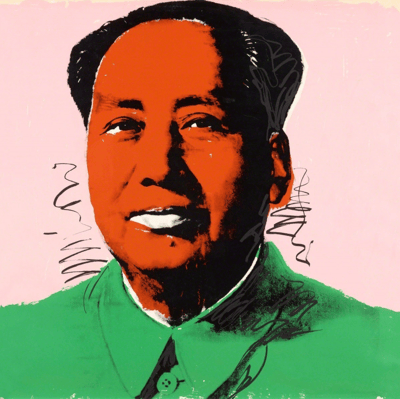
Andy Warhol
Mao (F & S II.94), 1972
Limited Edition Print
Screen-print
USD 45,000 - 55,000
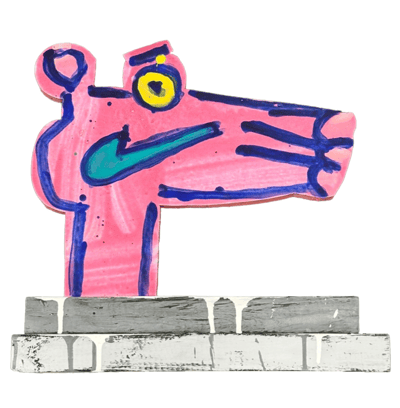
Katherine Bernhardt
Panther Panther Rosa Rosa, 2020
Sculpture / Object
Wood
GBP 5,400
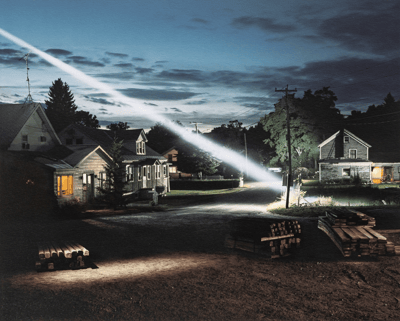
Gregory Crewdson
Untitled (Ray of Light), 2001
Photography
Digital Print on paper
Inquire For Price
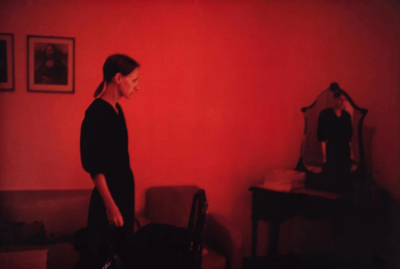
Nan Goldin
Suzanne With Mona Lisa, Mexico City 1981, 2025
Photography
C-Print
GBP 3,000
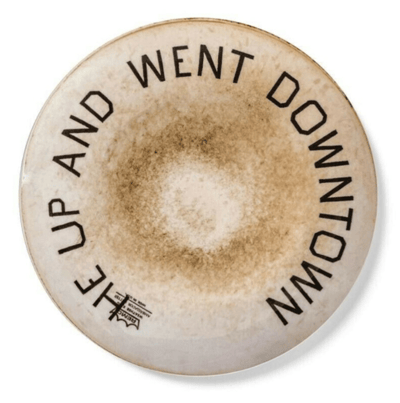
Ed Ruscha
He Up and Went Downtown, 2020
Sculpture / Object
Plate
GBP 2,350
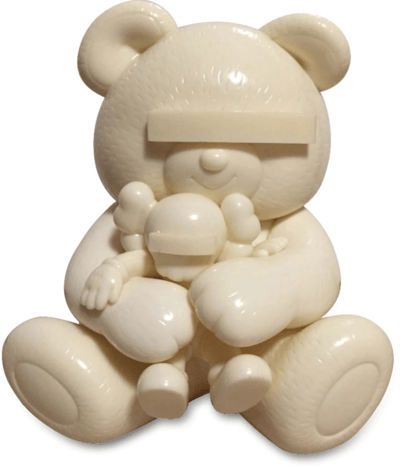
KAWS
Undercover Bear (white), 2009
Sculpture / Object
Mixed Media
Inquire For Price
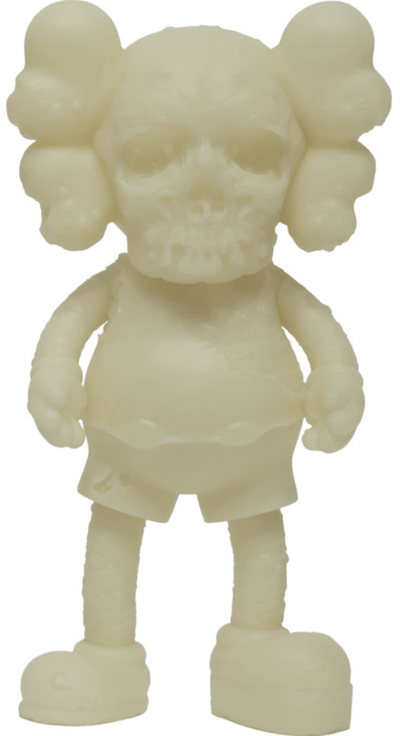
KAWS
Pushead Companion (Glow in the dark), 2006
Sculpture / Object
Mixed Media
Inquire For Price
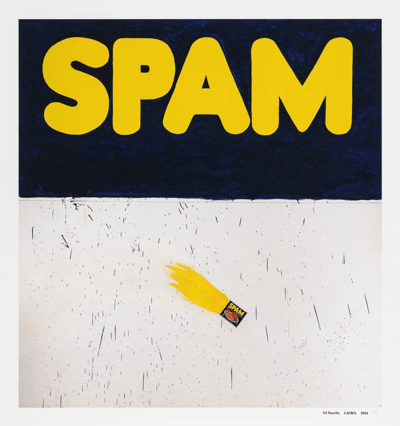
Ed Ruscha
Actual Size, 2024
Limited Edition Print
Mixed Media
GBP 2,000
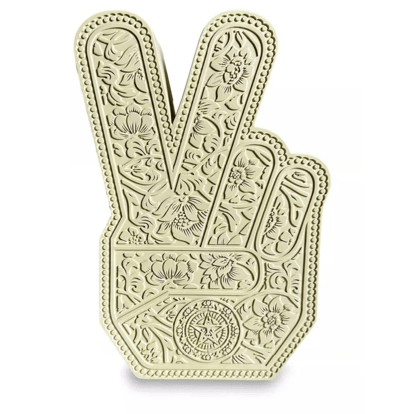
Shepard Fairey
Peace Fingers, 2023
Sculpture / Object
Resin
GBP 2,400
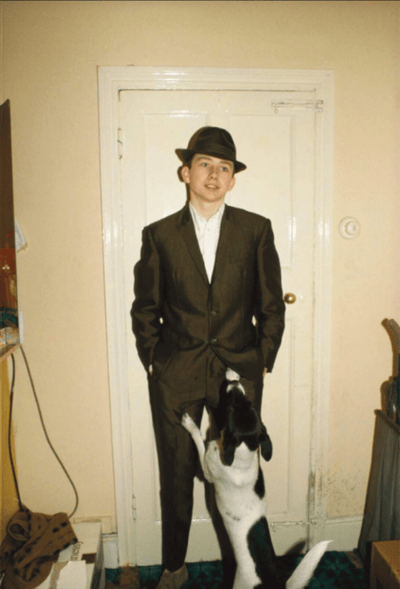
Nan Goldin
Mod Kid With Dog, London 1978, 2025
Photography
C-Print
GBP 1,800
Related Articles
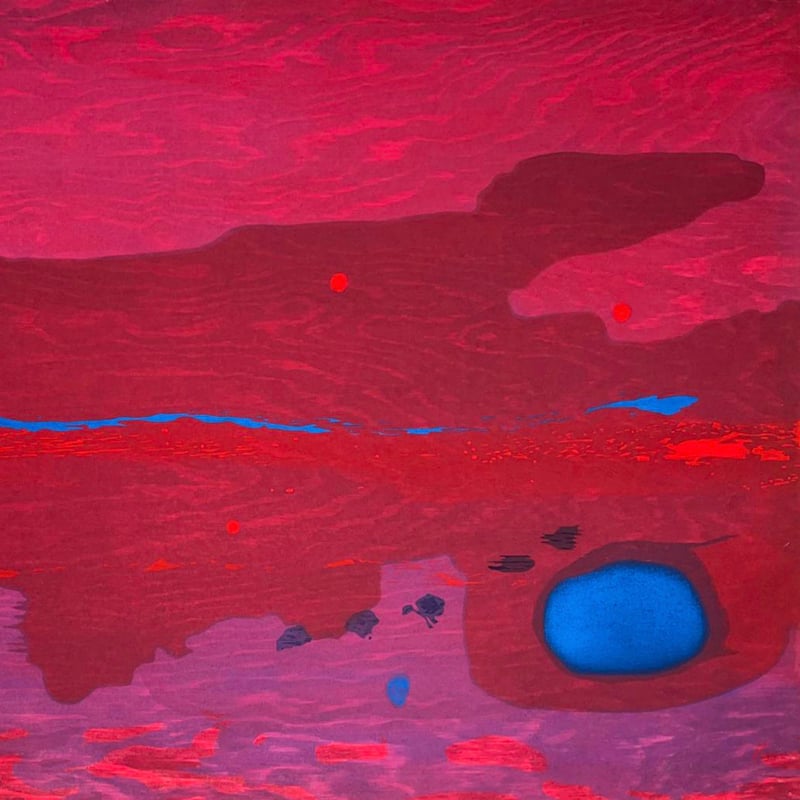
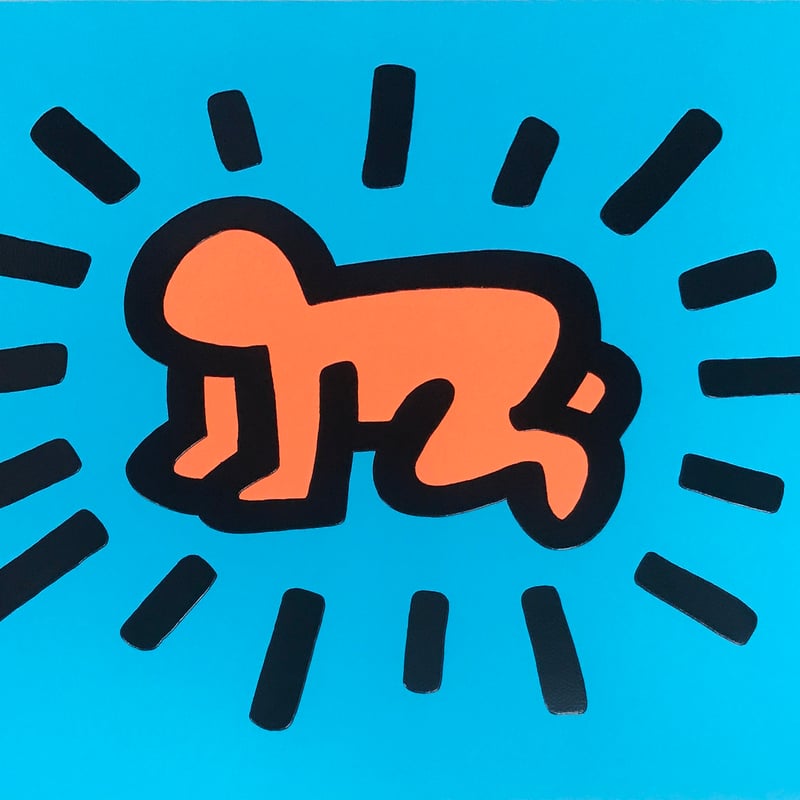
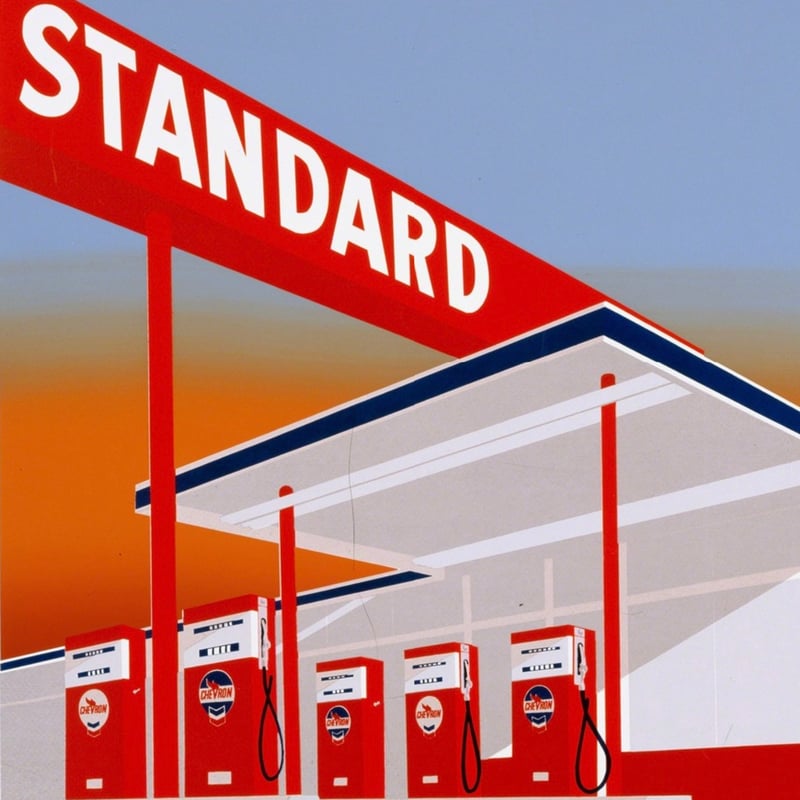
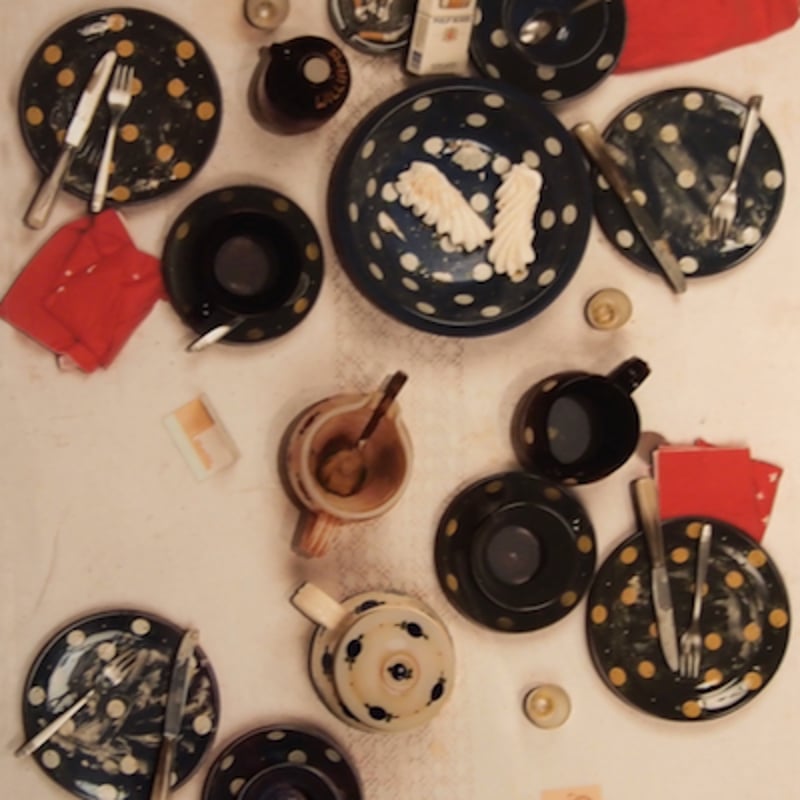
Nouveau Réalisme is an artistic movement founded in 1960 by art critic Pierre Restany and painter Yves Klein during a collective exhibition at a gallery in Milan. Restany wrote the original manifesto in April 1960, proclaiming the movement. In October of that year, nine artists, including Martial Raysse, Yves Klein, Daniel Spoerri, Jean Tinguely, Arman, Pierre Restany, and three Ultra-Lettrists—Jacques de la Villeglé, François Dufrêne, and Raymond Hains—signed the declaration. In 1961, the movement expanded to include Mimmo Rotella, Niki de Saint Phalle, Gérard Deschamps, and César. The movement emphasized a return to reality in art, often incorporating everyday objects and exploring the boundaries between art and life.
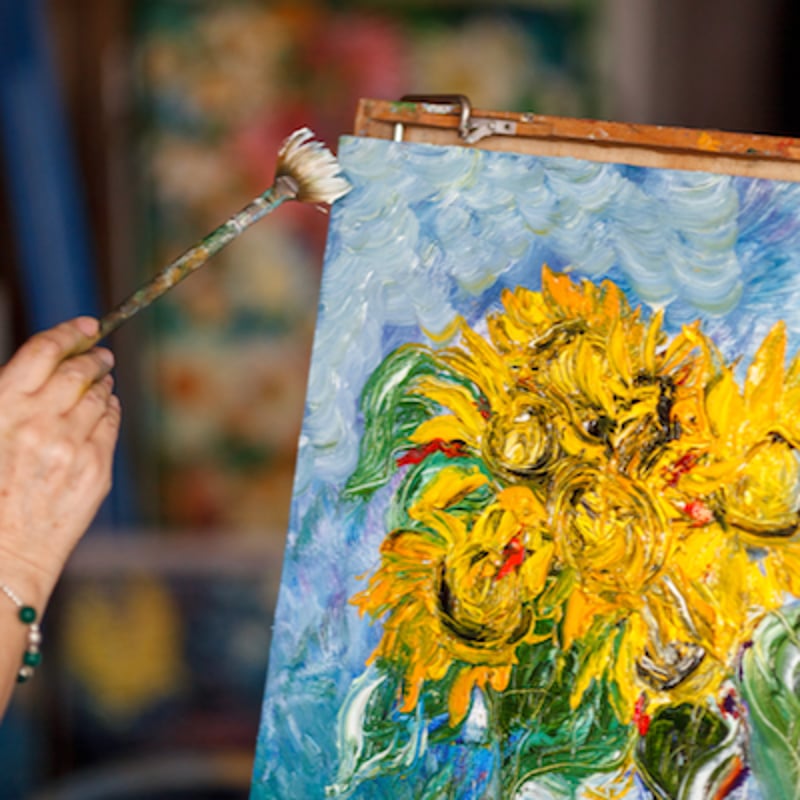
Oil paint is a slow-drying type of paint made from pigment particles suspended in a drying oil, typically linseed oil. The viscosity of the paint can be adjusted by adding a solvent like turpentine, and varnish can be added to increase the glossiness of the dried paint film. Oil painting has been used since the 12th century in Europe, initially for decoration, but it was not widely adopted as a primary painting medium until the 15th century.

Naïve art describes a style of artwork that is simple and unsophisticated, often created by artists without formal training in an academy or art school. The style is characterized by a lack of advanced techniques, giving it a childlike appearance. Naïve art often features bright colors, simple shapes, and a straightforward approach to subject matter, reflecting the artist's untrained perspective.
Can't find your Answer?
Thank you! Your question has been sent — we'll get back to you shortly.
