
United States
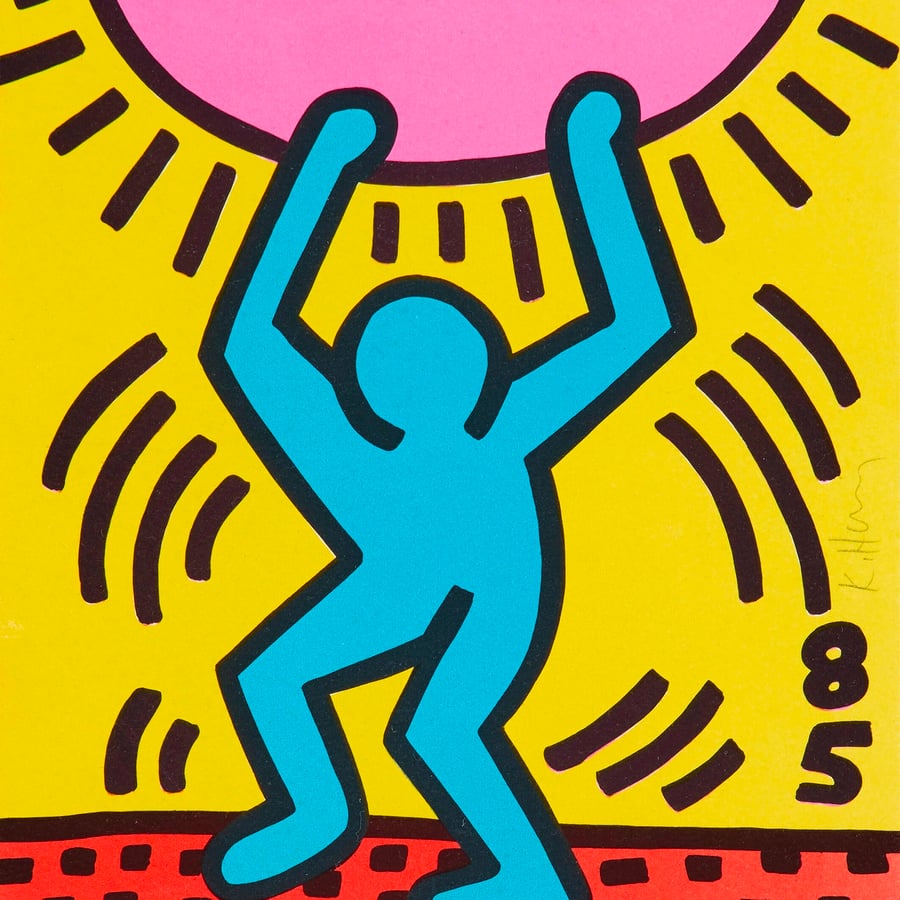
The contemporary art scene in the United States is a dynamic fusion of diverse traditions and avant-garde explorations, resonating across the global art spectrum. Institutions like the Museum of Modern Art in New York and the Los Angeles County Museum of Art are central to this discourse, spotlighting artists from different backgrounds and mediums. Notable figures such as Jeff Koons, known for his monumental public sculptures, and Kara Walker, recognized for her poignant silhouettes and murals, contribute to the vibrant US artistic landscape. Major events like Art Basel Miami further underline the country's role as a nexus of contemporary art. Dive into the robust and compelling art scene of the United States on Composition Gallery's website.
- Show All
- Established
- Discoveries
- Show All
Artworks Related to United States
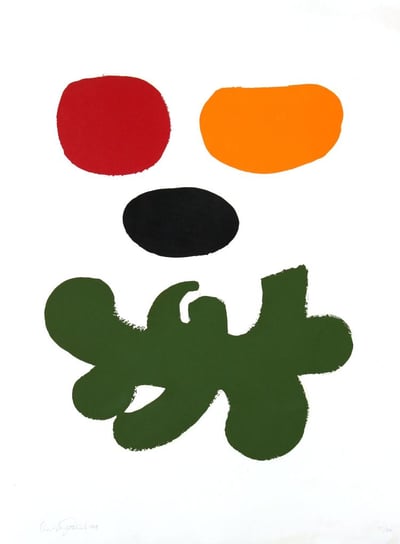
Adolph Gottlieb
Levitation, 1969
Limited Edition Print
Serigraph
Currently Not Available
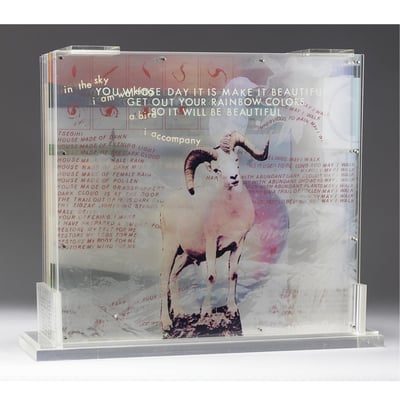
Robert Rauschenberg
Opal Gospel, 1971
Sculpture / Object
Screen-print
USD 13,000 - 15,000
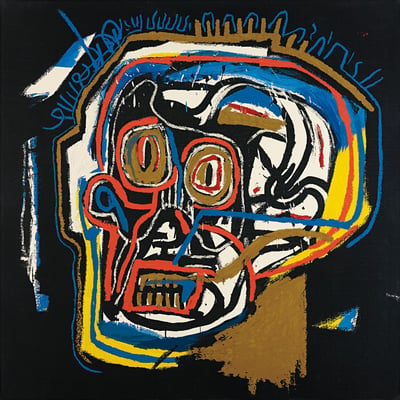
Jean-Michel Basquiat
Head, 2001
Limited Edition Print
Screen-print
Currently Not Available
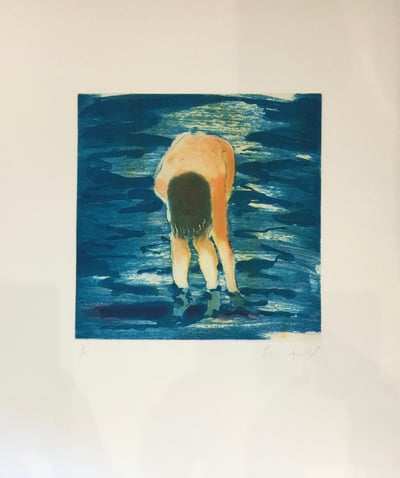
Eric Fischl
Boy in Blue Water, 1988
Limited Edition Print
Etching and Aquatint
USD 4,550
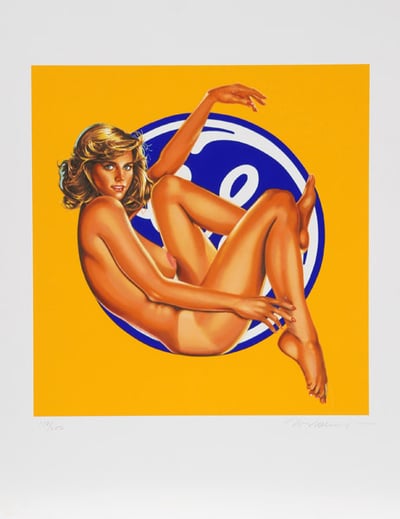
Mel Ramos
Gee Gee, 1997
Limited Edition Print
Lithograph
EUR 4,200
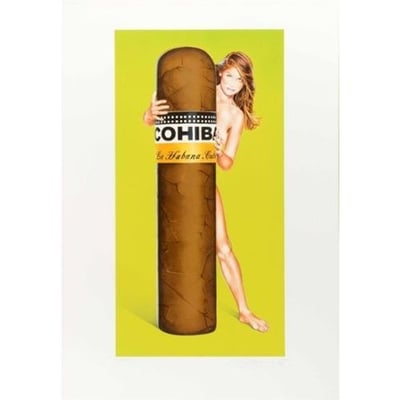
Mel Ramos
Hav a Havanna 2, 1998
Limited Edition Print
Serigraph
Currently Not Available
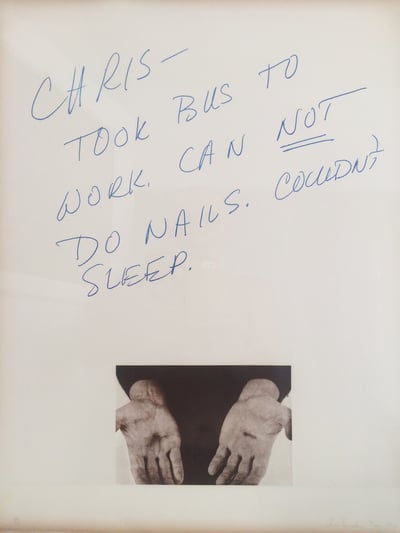
Chris Burden
Can not do nails, 1974
Photography
Lithograph
USD 11,300
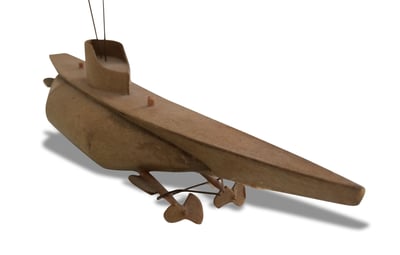
Chris Burden
Submarine, 1987
Sculpture / Object
Mixed Media
USD 4,850
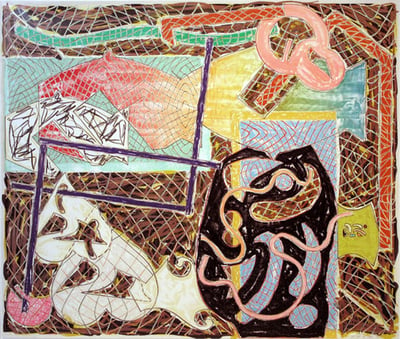
Frank Stella
Shards II, 1982
Limited Edition Print
Lithograph
USD 19,500
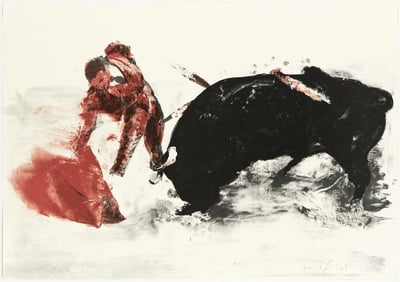
Eric Fischl
Without title 3, 2009
Limited Edition Print
Lithograph
EUR 2,000
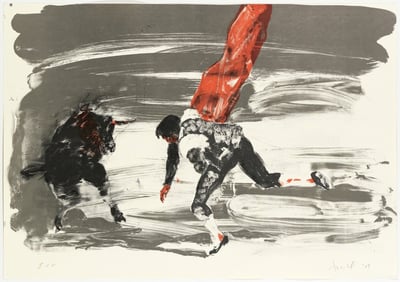
Eric Fischl
Without title 2, 2009
Limited Edition Print
Lithograph
EUR 2,000
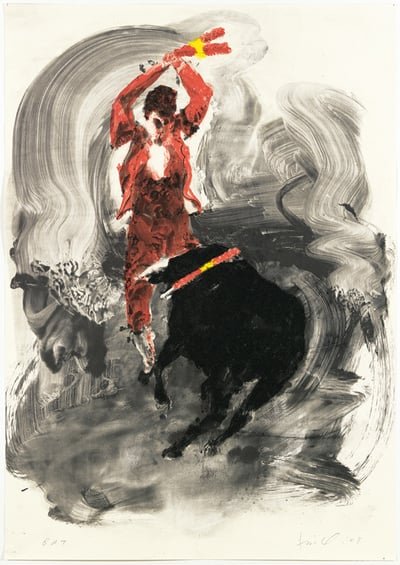
Eric Fischl
Without title 1 , 2009
Limited Edition Print
Lithograph
EUR 2,000
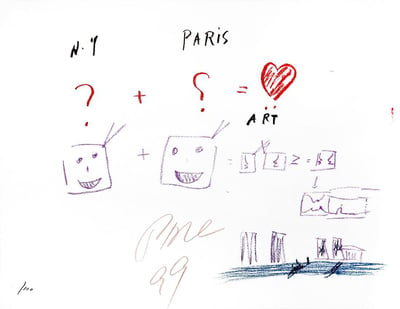
Nam June Paik
NY + Paris = Art, 1999
Limited Edition Print
Lithograph
Currently Not Available
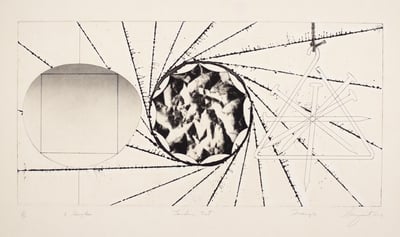
James Rosenquist
Sunglass Lens - Landing Net - Triangle, 1974
Limited Edition Print
Etching
Inquire For Price
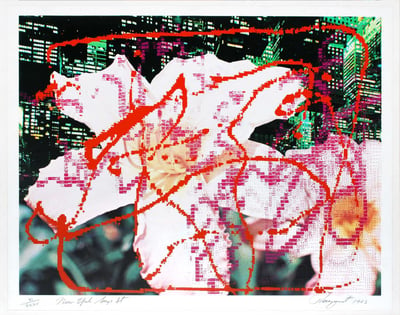
James Rosenquist
New York Says It, 1983
Limited Edition Print
Lithograph
USD 1,400
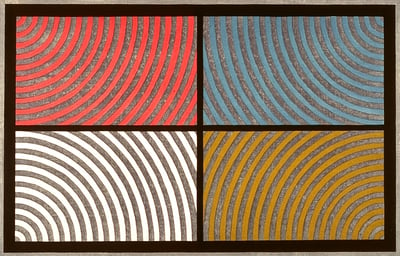
Sol LeWitt
Arcs from Four Corners, 1986
Limited Edition Print
Woodcut
Currently Not Available
Related Articles
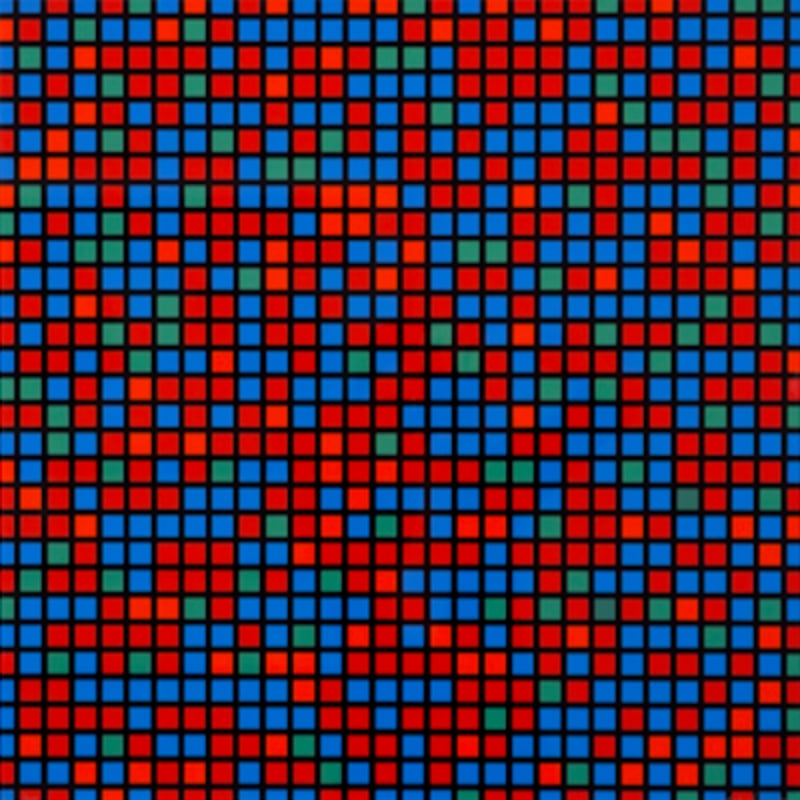
Geometric abstraction is a form of abstract art that uses geometric shapes arranged in a non-illusionistic space (though not always) and combined into non-representational (non-objective) compositions. Based on years of artistic research, some artists have proposed that geometric abstraction offers a solution to modern challenges by rejecting traditional illusionistic practices in favor of clarity and simplicity.

A Biennial is an art exhibition held every two years, typically on a large scale with international participants. The first and most famous example is the Venice Biennale, established in 1895 and held in the Giardini, a public park in Venice. Over time, the event has grown to include thirty permanent pavilions, each representing different countries. Biennials have become significant events in the contemporary art world, offering a platform for artists to showcase their work to a global audience.

Woodcut is a printing technique where an image is carved into the surface of a woodblock using gouges, with the remaining flat surface holding the ink for printing. The areas cut away by the artist do not carry ink, while the uncut areas do, producing the desired print. The carving follows the wood's grain, unlike wood engraving, where the block is cut across the end-grain. Ink is applied to the surface with a roller, ensuring only the flat, uncarved areas receive ink, leaving the recessed, non-printing areas clean.
Can't find your Answer?
Thank you! Your question has been sent — we'll get back to you shortly.
