What is geometric abstract art?
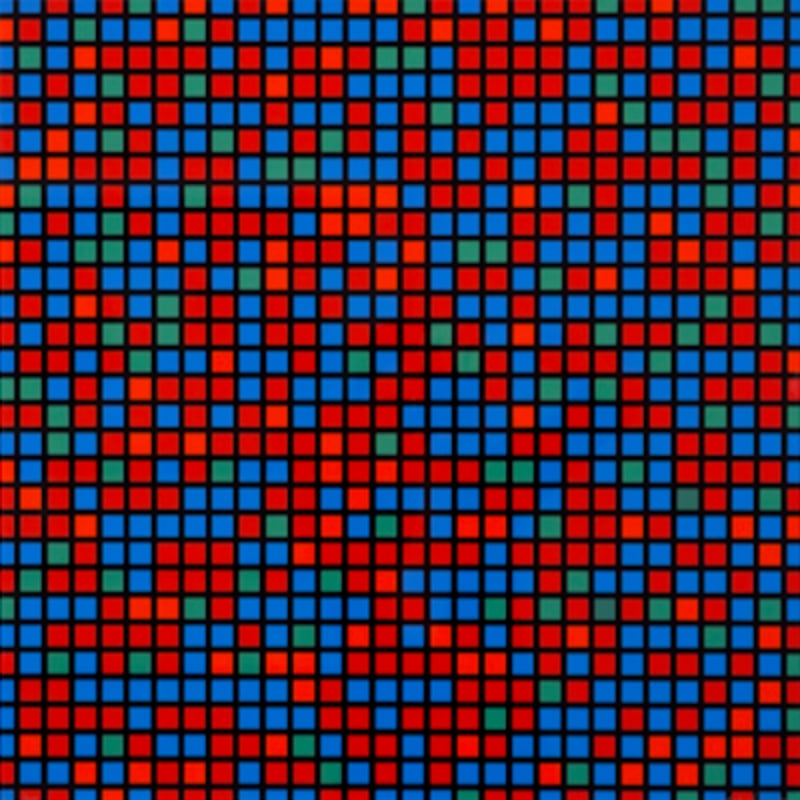
Geometric abstraction is a form of abstract art that uses geometric shapes arranged in a non-illusionistic space (though not always) and combined into non-representational (non-objective) compositions. Based on years of artistic research, some artists have proposed that geometric abstraction offers a solution to modern challenges by rejecting traditional illusionistic practices in favor of clarity and simplicity.
Notable Artists Working in geometric abstraction
The radical square
Geometric abstraction announced itself with startling economy. In 1915 Kazimir Malevich exhibited his Black Square in Petrograd, hanging it high in the corner of the room where a Russian household would traditionally place an icon. The gesture was deliberate: painting was no longer a window onto the world but an object of pure form. Within a few years Piet Mondrian and Theo van Doesburg had founded De Stijl in the Netherlands, reducing painting to vertical and horizontal lines and primary colours, while Russian Constructivists were pushing geometry toward architecture, typography and design.
"Nothing is more concrete, more real, than a line, a colour, a surface."
Theo van Doesburg, Manifesto of Concrete Art, 1930
A language that travelled
Unlike movements tied to a single city or circle, geometric abstraction proved remarkably portable. The Bauhaus carried it into teaching and industrial design; Josef Albers took that pedagogy to America, where his Homage to the Square series became a decades-long investigation of colour interaction inside a fixed format. In the 1930s the American Abstract Artists group defended non-objective painting in New York when figuration still dominated, and after the Second World War the language flourished with particular intensity in Latin America — the concrete and neo-concrete artists of Brazil's Grupo Frente and Grupo Ruptura, and the geometric traditions of Venezuela and Argentina, made the region one of the movement's great centres.
Hard edges and living traditions
By the 1960s a cooler American strain, labelled hard edge painting, favoured large flat areas of colour with immaculate, unmodulated boundaries — a rebuke to the gestural surfaces of Abstract Expressionism. Op art extended geometry into optical vibration, and kinetic artists set it in motion. Today the vocabulary remains open: grids, monochromes and shaped canvases recur in contemporary practice, often filtered through digital tools. For collectors, this long, international lineage matters. Geometric abstraction is not a brief episode but a century-old tradition with distinct regional schools, each with its own market history, key figures and scholarship — a depth that rewards focused, well-researched collecting.
Why condition is unforgiving
Flat, unbroken fields of colour and razor-crisp edges are the whole point of much geometric abstraction — and they hide nothing. A scuff or retouch that would disappear into a heavily worked expressionist surface reads immediately on a smooth monochrome plane. When examining a work, look across the surface in raking light for abrasions, matte-gloss inconsistencies and restoration along the colour boundaries, where paint layers of different composition meet and can crack. White and pale grounds are especially vulnerable to discolouration. Ask for a condition report, and treat any repainting of a flat colour field with caution: matching an even, unmodulated hue invisibly is one of the hardest tasks in conservation.
Editions and prints: a natural fit
Few movements translate as faithfully into printmaking. Screenprinting in particular delivers exactly the dense, flat colour and hard edges that geometric painters sought, which is why artists such as Albers, Vasarely and many concrete artists embraced editions seriously rather than treating them as reproductions. This makes prints and multiples a credible, more accessible entry point — but the usual discipline applies. Confirm the edition size and whether the print is signed and numbered; check for the publisher's or printer's documentation; and compare against the catalogue raisonné where one exists. Fading is the chief enemy: some mid-century inks are fugitive, so insist on UV-filtering glazing and never hang a print in direct sunlight. Two impressions of the same image can differ dramatically in value depending on colour freshness alone.
Authenticity and what drives price
Because geometric compositions can appear simple to reproduce, provenance carries extra weight. A clean chain of ownership, gallery labels, exhibition history and inclusion in the artist's literature are your best safeguards; for major names, foundations and estate committees maintain authentication records. On value, the market rewards period and place: a work from an artist's breakthrough years, or from a historically significant group or exhibition, will typically outperform a later repetition of the same motif. Scale, palette and condition follow close behind. Above all, buy works where the geometry feels resolved rather than decorative — precision of thought, not just of line, is what this tradition has always prized.
Artworks Related to Geometric Abstract art

Sonia Delaunay
Diagonal X, 1975
Limited Edition Print
Lithograph
Inquire For Price
Victor Vasarely
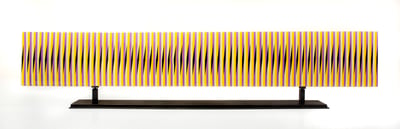
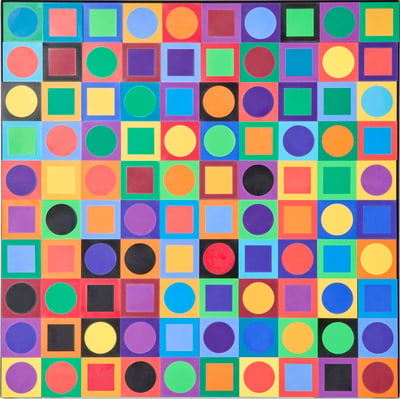
Planetary Foklore Participations No. 1, 1969
Sculpture / Object
Installation
Inquire For Price

Sonia Delaunay
Arlequin (Harlequin), 1974
Limited Edition Print
Lithograph
Inquire For Price

Victor Vasarely
Almath from the album Diam, 1988
Limited Edition Print
Serigraph
Inquire For Price

Victor Vasarely
Vaar from the album Diam, 1988
Limited Edition Print
Serigraph
Inquire For Price

Victor Vasarely
Ingau from the album Diam, 1988
Limited Edition Print
Serigraph
Inquire For Price

Victor Vasarely
Dirac from the album Diam, 1988
Limited Edition Print
Serigraph
Inquire For Price

Victor Vasarely
Photon from the album Diam, 1988
Limited Edition Print
Serigraph
USD 2,100

Victor Vasarely
Sinvilag from the album Diam, 1988
Limited Edition Print
Serigraph
Inquire For Price

Victor Vasarely
Folkokta from the album Diam, 1988
Limited Edition Print
Serigraph
Inquire For Price

Victor Vasarely
RIKKA from the album Diam, 1988
Limited Edition Print
Serigraph
Inquire For Price

Victor Vasarely
Diam from the album Diam, 1988
Limited Edition Print
Serigraph
Inquire For Price

Donald Judd
Untitled (Schellmann 265/266), 1992-1993
Limited Edition Print
Woodcut
Inquire For Price
Yaacov Agam
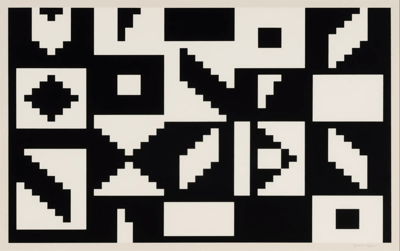
Colors of Love, ca. 1970
Limited Edition Print
Screen-print
Inquire For Price
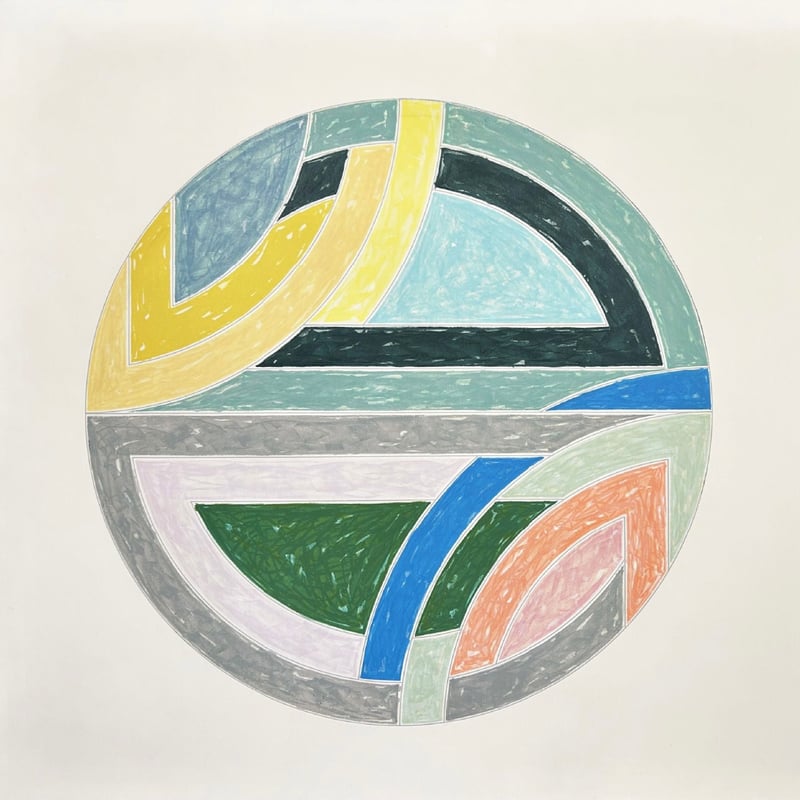
Frank Stella
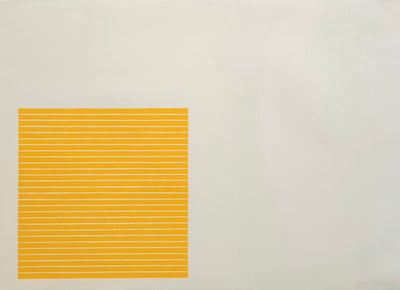
Palmito Ranch, from Benjamin Moore Series, 1971
Limited Edition Print
Lithograph
Inquire For Price

Victor Vasarely
B-Bomb-b (4), 1974
Limited Edition Print
Screen-print
USD 1,150
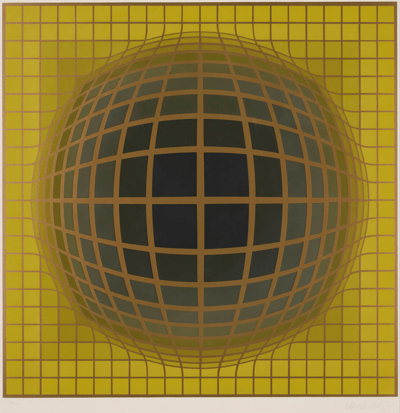
Victor Vasarely
B-Bomb-b (3), 1974
Limited Edition Print
Screen-print
USD 1,150

Victor Vasarely
B-Bomb-b (2), 1974
Limited Edition Print
Screen-print
USD 1,150

Victor Vasarely
B-Bomb-b (1), 1974
Limited Edition Print
Screen-print
USD 1,150
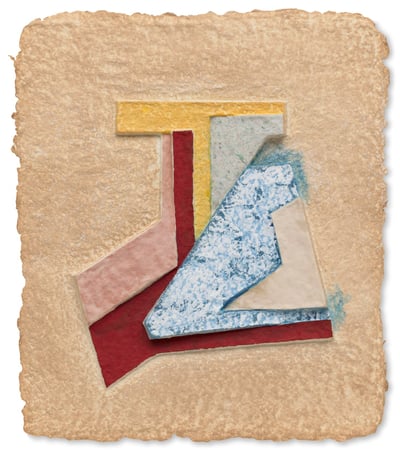
Frank Stella
Nowe Miastro (IV), from the Paper Relief Project, 1975
Drawing / Watercolor
Collage
USD 11,450
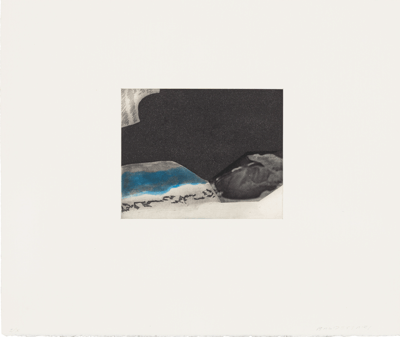
John Baldessari
Black Dice 9, 1982
Limited Edition Print
Etching and Aquatint
USD 850
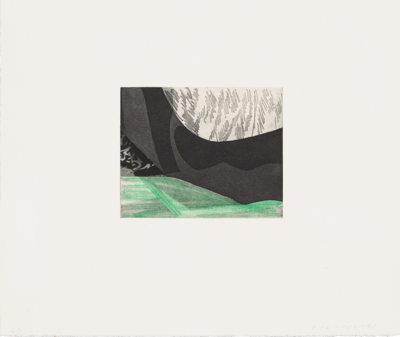
John Baldessari
Black Dice 8, 1982
Limited Edition Print
Etching and Aquatint
USD 850
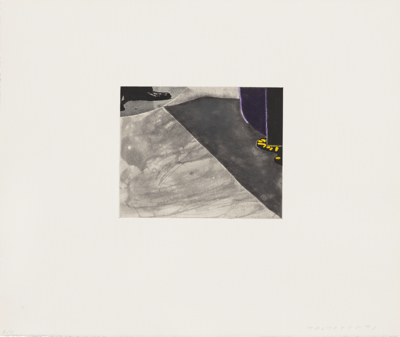
John Baldessari
Black Dice 7, 1982
Limited Edition Print
Etching and Aquatint
USD 850
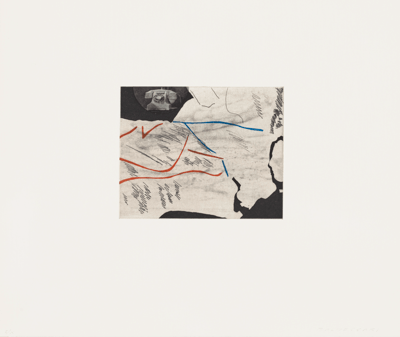
John Baldessari
Black Dice 6, 1982
Limited Edition Print
Etching and Aquatint
USD 850
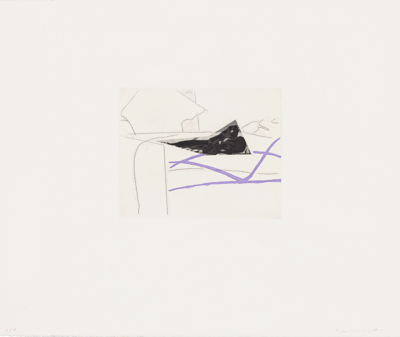
John Baldessari
Black Dice 5, 1982
Limited Edition Print
Etching and Aquatint
USD 850
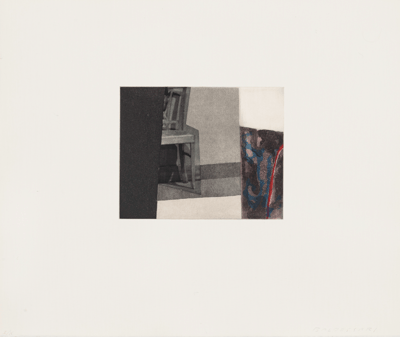
John Baldessari
Black Dice 4, 1982
Limited Edition Print
Etching and Aquatint
USD 850
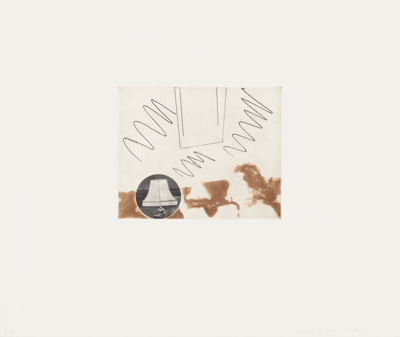
John Baldessari
Black Dice 3, 1982
Limited Edition Print
Etching and Aquatint
USD 850
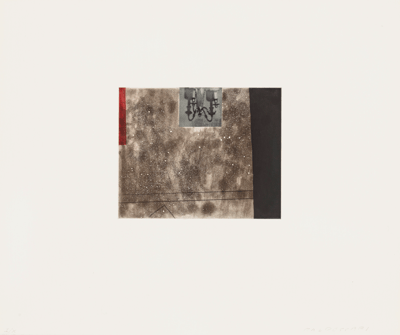
John Baldessari
Black Dice 2, 1982
Limited Edition Print
Etching and Aquatint
USD 850
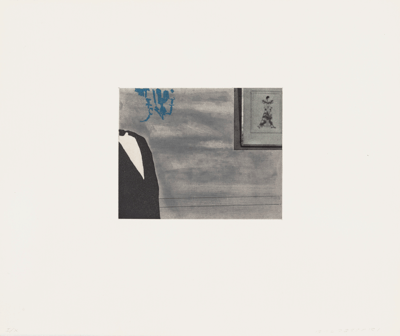
John Baldessari
Black Dice 1, 1982
Limited Edition Print
Etching and Aquatint
USD 850
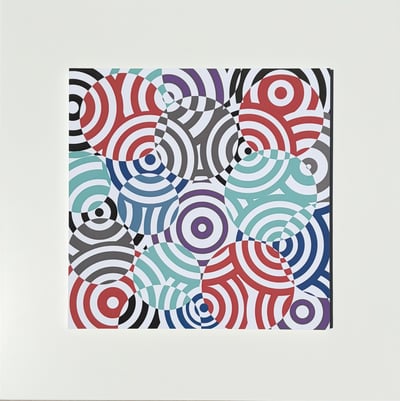
Antonio Asis
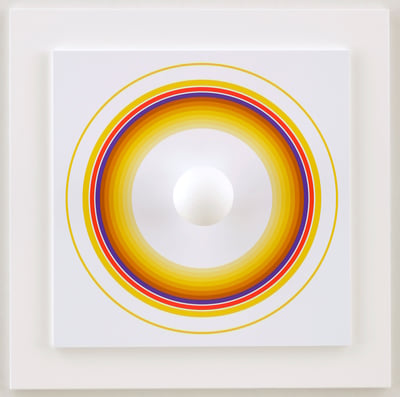
Interferences cercles de couleurs Gris Rouge, 2010
Limited Edition Print
Mixed Media
EUR 1,500
Related Terms
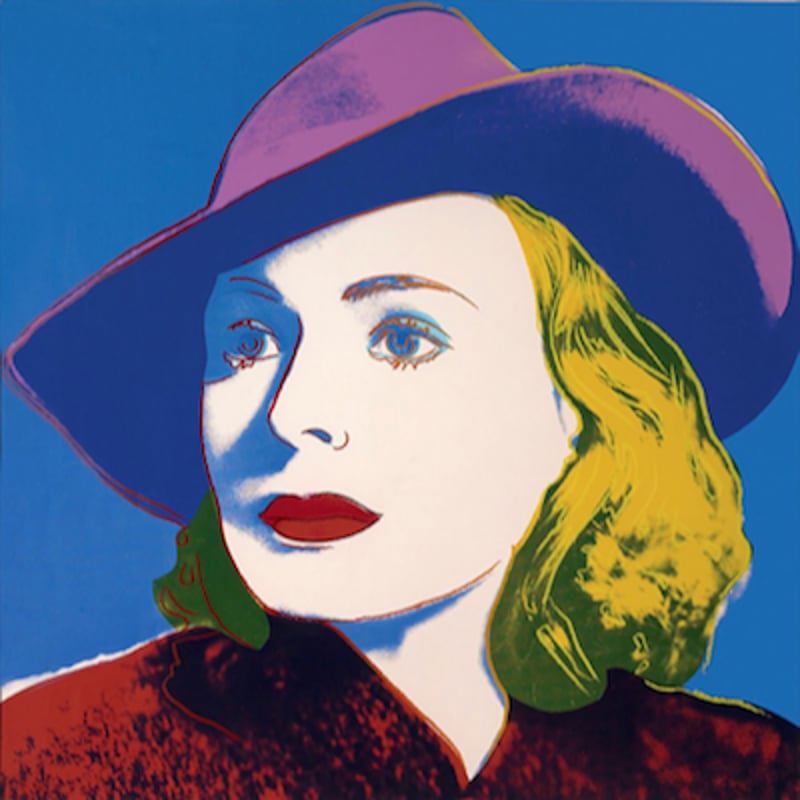
Pop Art is an art movement that began in Britain in 1955 and in the late 1950s in the U.S. It challenged traditional fine arts by incorporating imagery from popular culture, such as news, advertising, and comic books. Pop Art often isolates and recontextualizes materials, combining them with unrelated elements. The movement is more about the attitudes and ideas that inspired it than the specific art itself. Pop Art is seen as a reaction against the dominant ideas of Abstract Expressionism, bringing everyday consumer culture into the realm of fine art.

Contemporary art refers to avant-garde or innovative art created in the recent past or present day. The exact starting point of contemporary art varies depending on the institution, often tied to the founding year of museums or galleries that showcase the style. Contemporary art is characterized by its focus on current ideas, diverse media, and the exploration of new concepts and techniques.
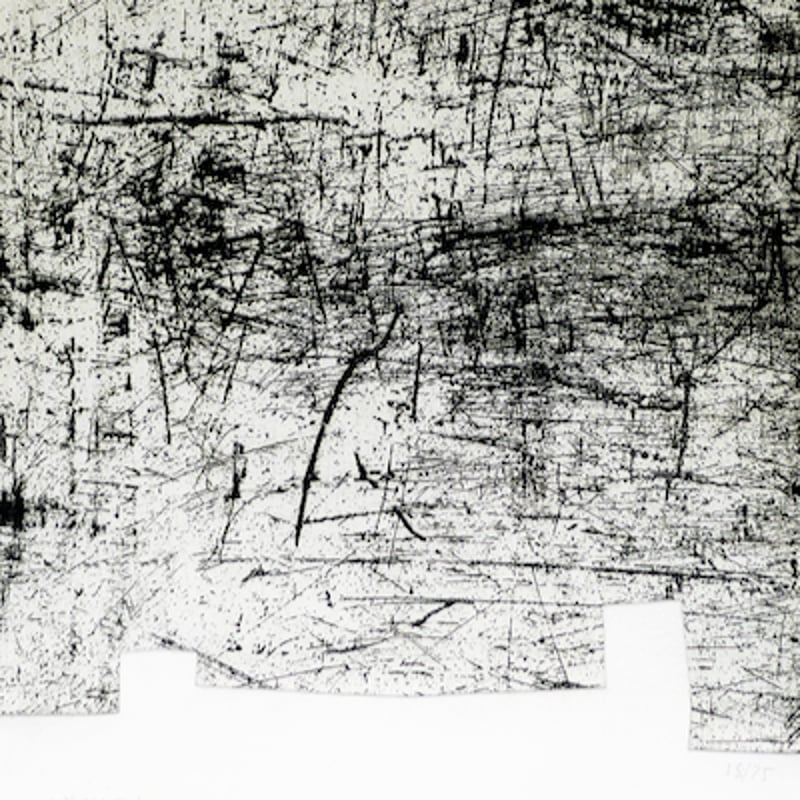
Abstract art uses form, shape, line, and color to create a visual experience without attempting to represent external reality. The composition exists independently of the world's visual references, focusing on expressing ideas and emotions through non-representational means.
Related Articles
Can't find your Answer?
Thank you! Your question has been sent — we'll get back to you shortly.
