
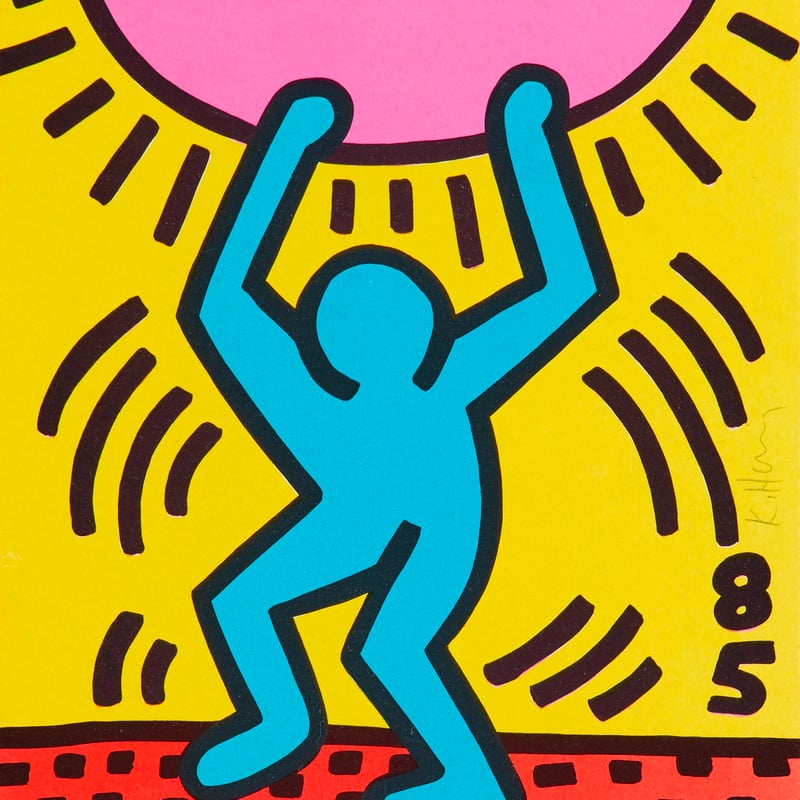
United States
The contemporary art scene in the United States is a dynamic fusion of diverse traditions and avant-garde explorations, resonating across the global art spectrum. Institutions like the Museum of Modern Art in New York and the Los Angeles County Museum of Art are central to this discourse, spotlighting artists from different backgrounds and mediums. Notable figures such as Jeff Koons, known for his monumental public sculptures, and Kara Walker, recognized for her poignant silhouettes and murals, contribute to the vibrant US artistic landscape. Major events like Art Basel Miami further underline the country's role as a nexus of contemporary art. Dive into the robust and compelling art scene of the United States on Composition Gallery's website.
- Show All
- Established
- Discoveries
- Show All
Artworks Related to United States
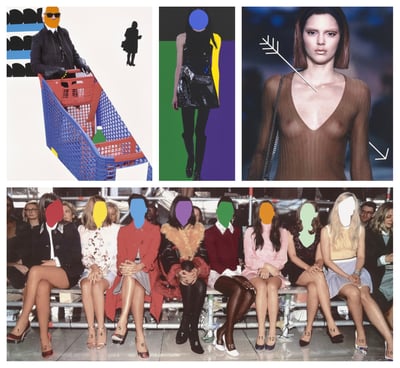
John Baldessari
Front Row Suite, 2015
Limited Edition Print
Silkscreen
USD 83,000 - 90,000
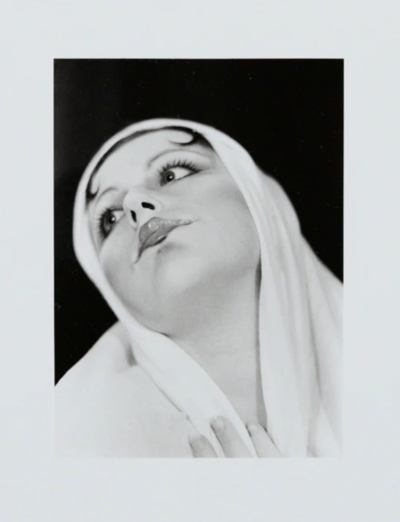
Cindy Sherman
Madonna, 1975/97
Photography
Gelatin Silver Print
Currently Not Available
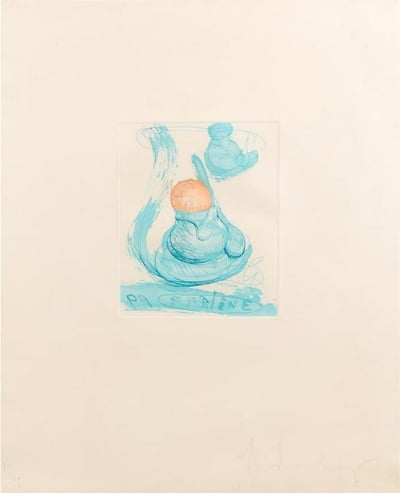
Claes Oldenburg
Ice cream desserts - Praline (A. & P. 162), 1976
Limited Edition Print
Etching and Aquatint
Inquire For Price
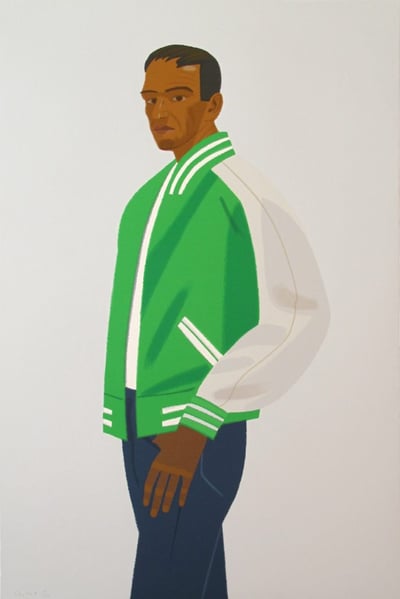
Alex Katz
Green Jacket (from Alex & Ada portfolio), 1990
Limited Edition Print
Screen-print
USD 10,800
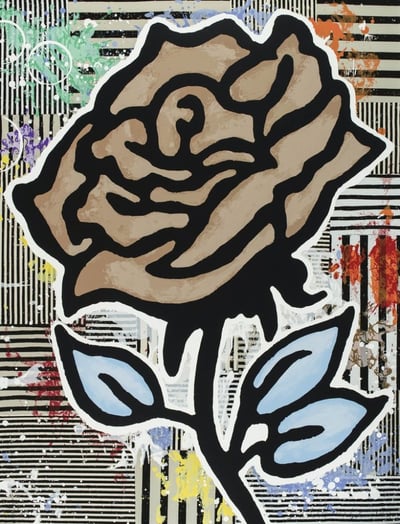
Donald Baechler
The brown rose, 2015
Limited Edition Print
Silkscreen
Currently Not Available
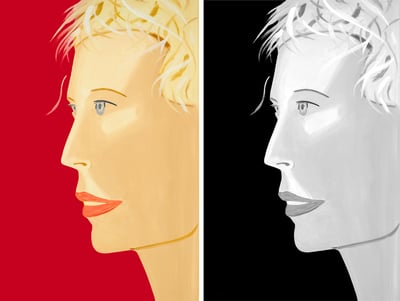
Alex Katz
Coca-Cola girl (Suite), 2018
Limited Edition Print
Archival Print
USD 10,750
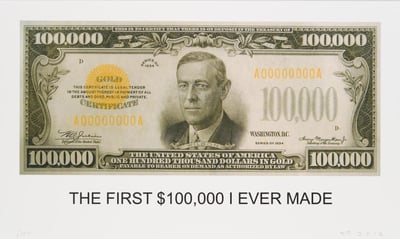
John Baldessari
The first $100,000 I ever made, 2012
Limited Edition Print
Lithograph
USD 5,500
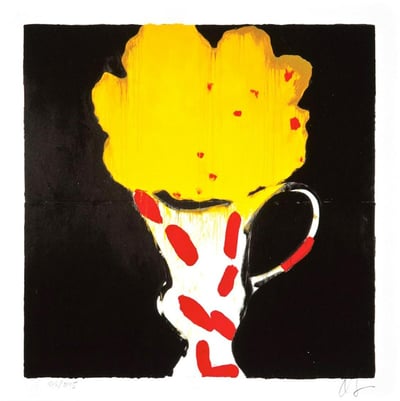
Donald Sultan
Untitled from Visual Poetics, 1998
Limited Edition Print
Serigraph
Inquire For Price
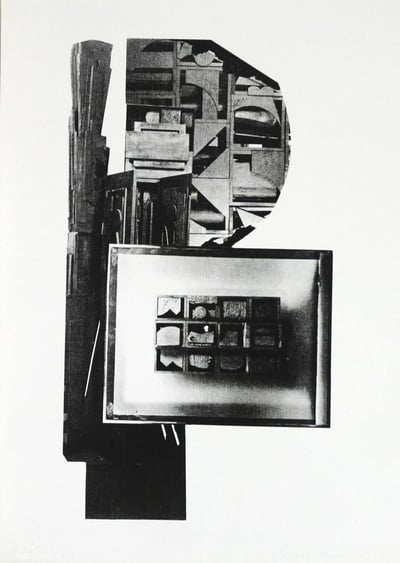
Louise Nevelson
Nursery rhyme, 1966
Limited Edition Print
Serigraph
Inquire For Price
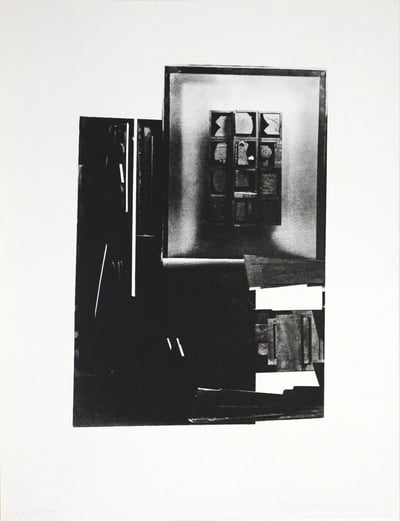
Louise Nevelson
Dark song, 1966
Limited Edition Print
Serigraph
Currently Not Available
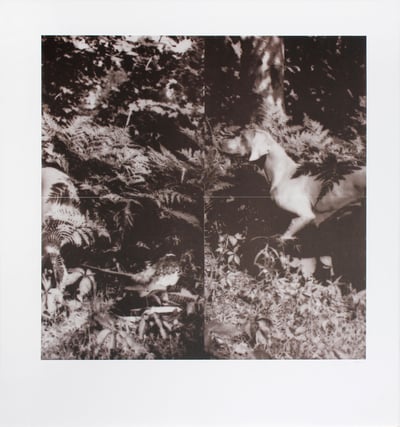
William Wegman
Untitled (from the Bird Dog suite), 1990
Photography
Lithograph
USD 1,400
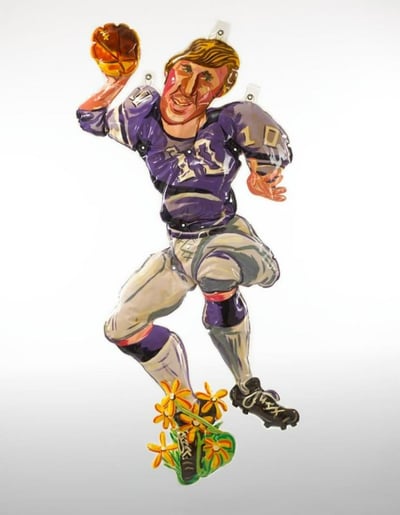
Red Grooms
Fran Tarkenton, 1979
Sculpture / Object
Mixed Media
Inquire For Price
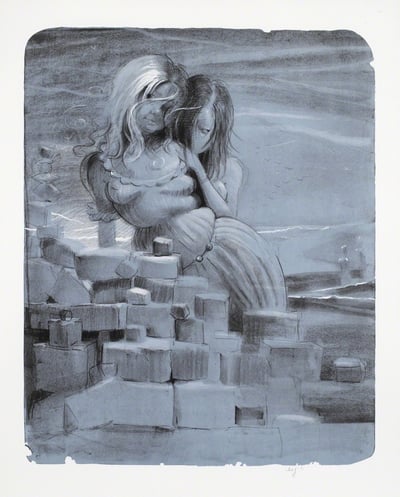
Lisa Yuskavage
Forces, 2007
Limited Edition Print
Lithograph
Currently Not Available
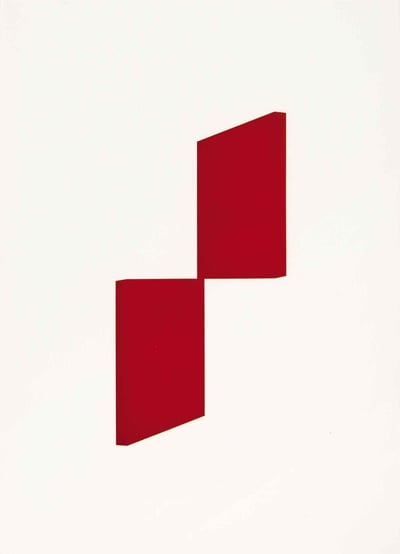
Robert Therrien
Untitled (Doors), 1996
Limited Edition Print
Aquatint
Currently Not Available
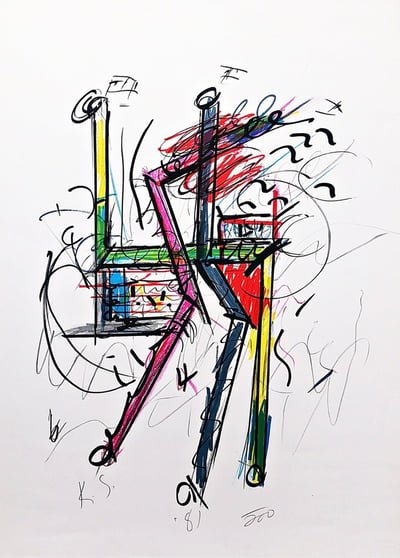
Keith Sonnier
Untitled, 1981
Limited Edition Print
Lithograph
Currently Not Available
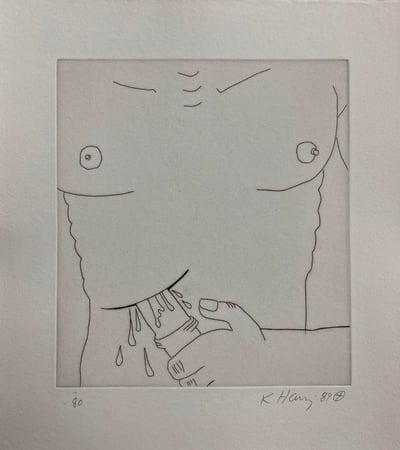
Keith Haring
Untitled from ''The Valley'', 1989
Limited Edition Print
Etching
USD 7,100
Related Articles
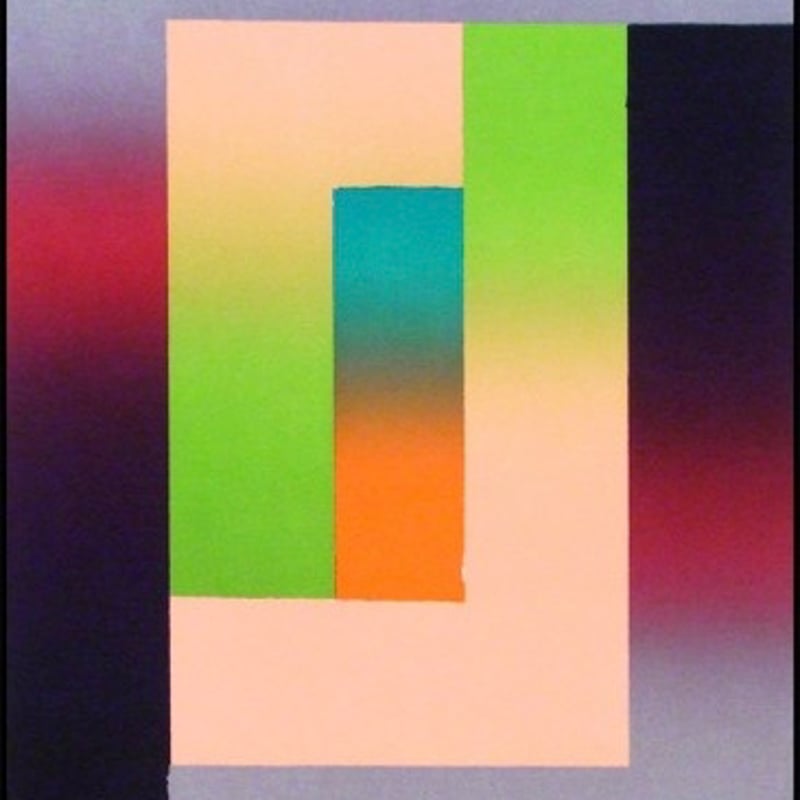
Entropy, in a broader sense, refers to the inevitable deterioration or decline of a society or system. In art, the concept was popularized by artist Robert Smithson in the 1960s. He used the term to critique what he saw as the static and overly simplified nature of contemporary minimalist art. Smithson's work often explored the idea of entropy as a force of chaos and decay, contrasting with the perceived order and purity of minimalist works.
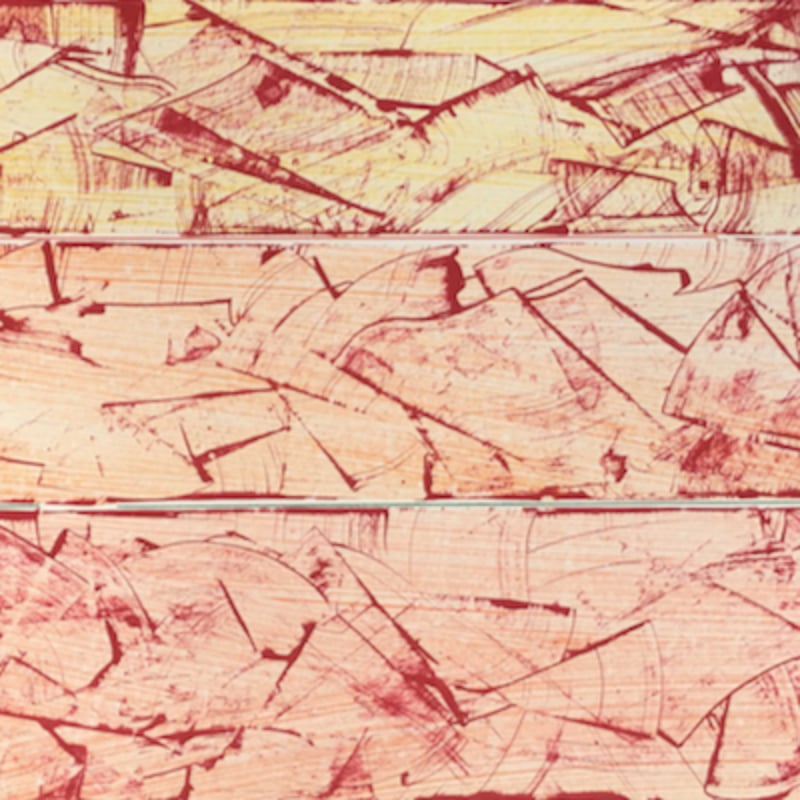
Systems Art refers to a group of artists who, during the late 1960s and early 1970s, used the frameworks of conceptualism and minimalism to create art that was responsive to its environment. Rejecting traditional art themes, they embraced aesthetic systems and experimented with diverse media. Systems Art often connected with contemporary political movements of the time, emphasizing the interrelationship between the artwork, its context, and the broader social and political environment.
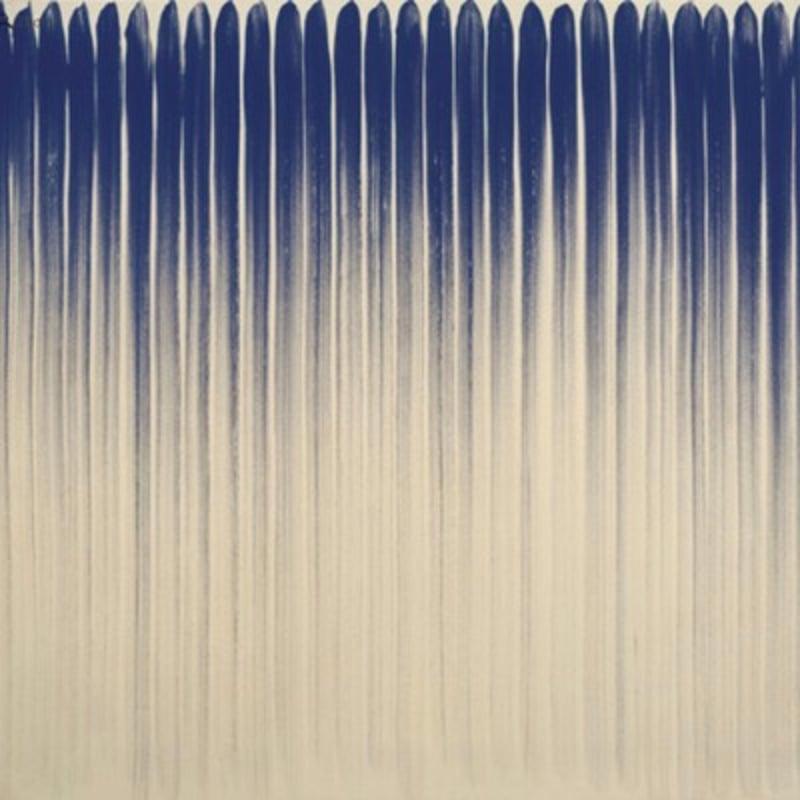
Meaning School of Things, Mono-ha originated in Tokyo in the mid-1960s. Instead of creating traditional artwork, the artists of Mono-ha used different materials and their natural properties to express dismay at the industrialization taking place in Japan at the time. The movement gained international attention and is now a widely respected form of art, known for its emphasis on the relationship between materials and their environment.
Can't find your Answer?
Thank you! Your question has been sent — we'll get back to you shortly.
