A found object is a term used to describe a man-made or natural object, or a fragment of one, that an artist discovers or purchases and keeps for inspiration or as a work of art. The artist may also (...) read more
Art Glossary
Definitions of Art Forms, Mediums, and Movements
Image View

Artwork by Marcel Duchamp
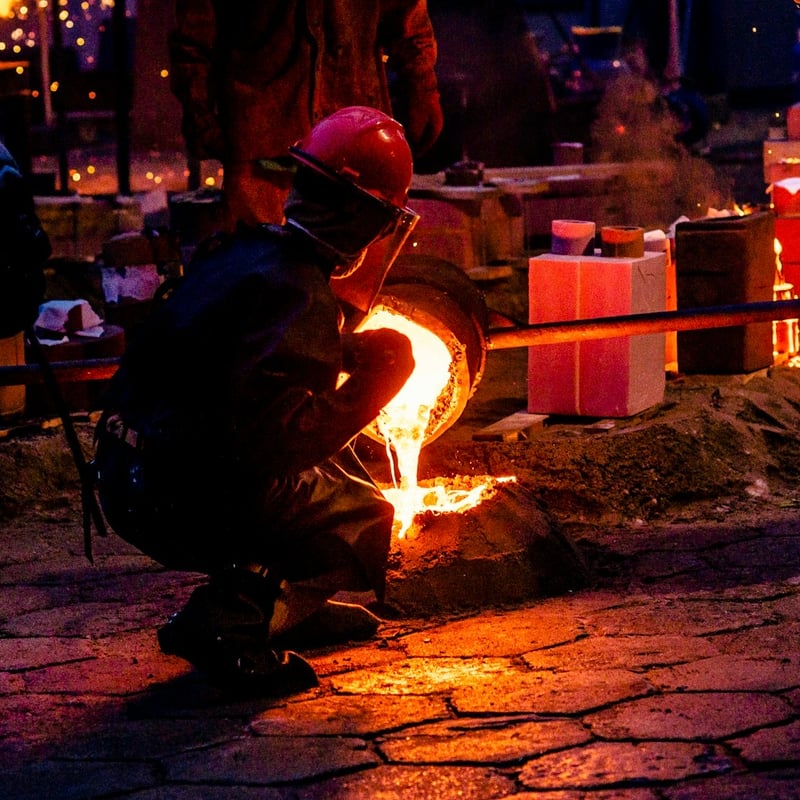
A foundry is a place where metal is melted and shaped to create sculptures. Artists bring their completed wax sculptures to the foundry, where molds are made in the same shape. The foundry then uses (...) read more
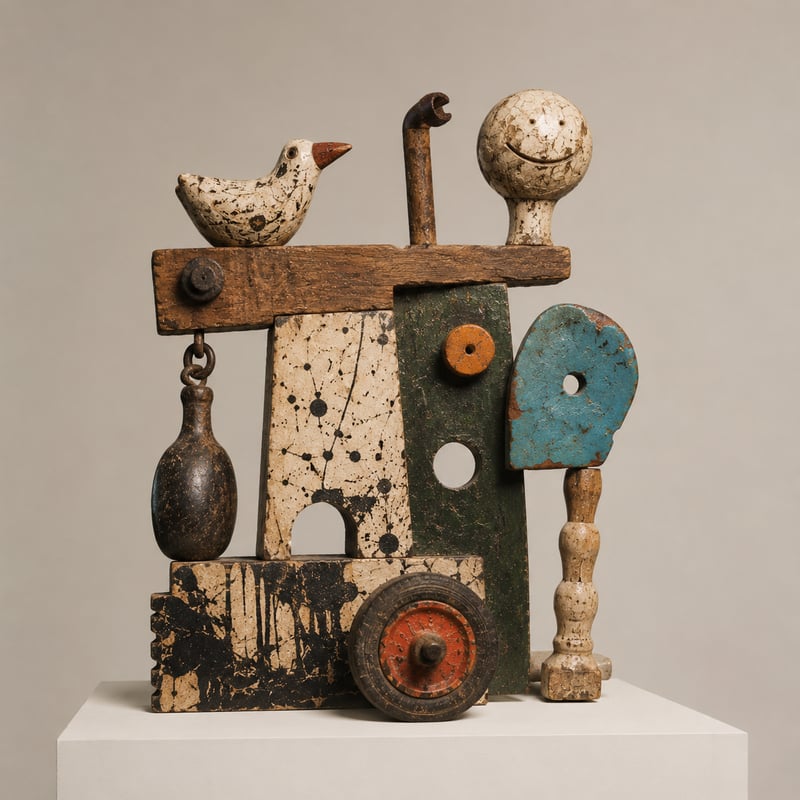
In the 1960s, Funk Art emerged as a reactive movement against Abstract Expressionism. It was widely known as an anti-establishment movement, with the name derived from the jazz term funky. This term (...) read more

Futurism was an early 20th-century art movement that sought to capture the energy and dynamism of the modern world. The movement was launched by Italian poet Filippo Tommaso Marinetti, who published (...) read more
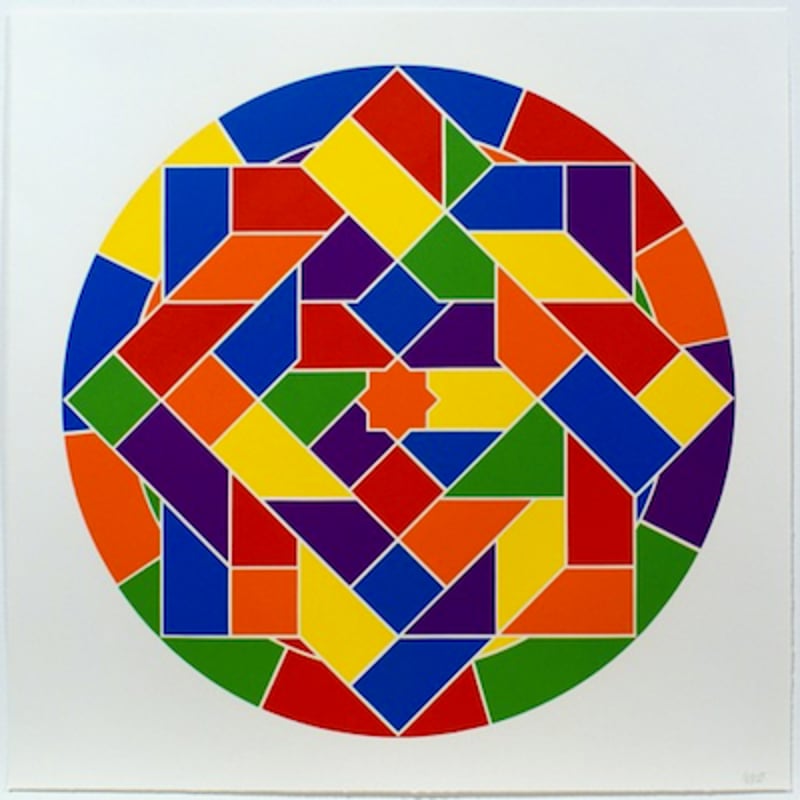
Generative art refers to art that is wholly or partly created through an autonomous system. This system can be independent or non-human, capable of determining features that would otherwise be (...) read more
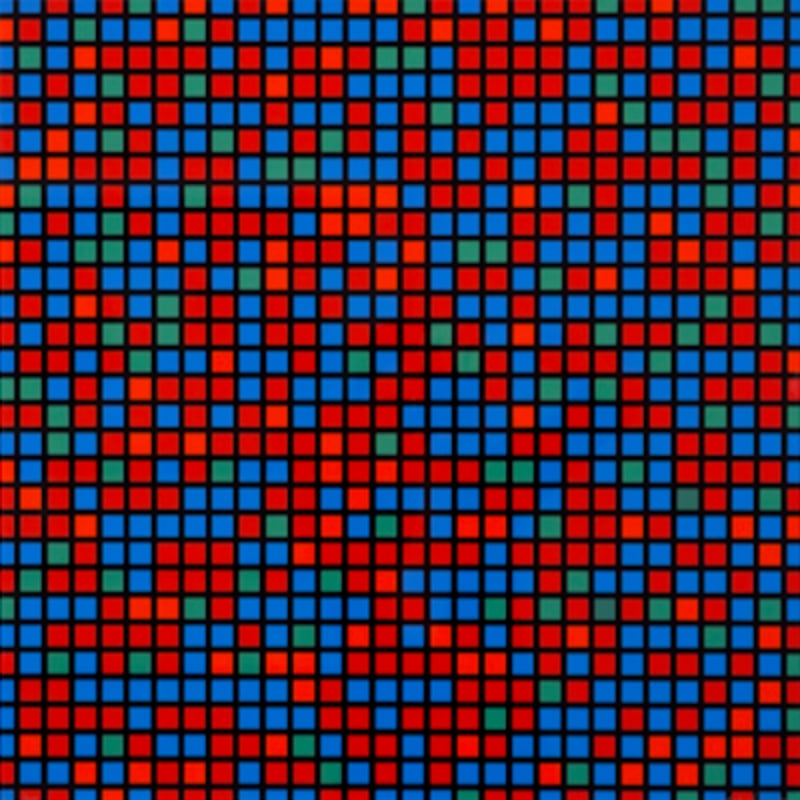
Geometric abstraction is a form of abstract art that uses geometric shapes arranged in a non-illusionistic space (though not always) and combined into non-representational (non-objective) (...) read more
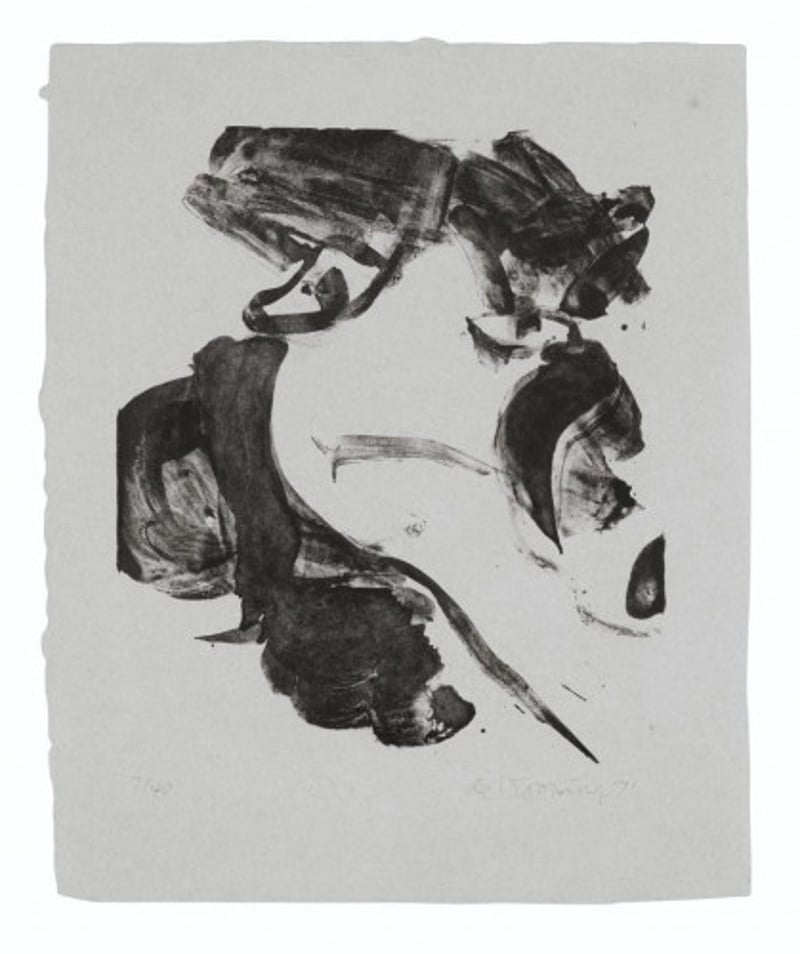
Gestural art is a term that describes painting with freely sweeping brushstrokes. The primary goal of gestural art is to allow the artist to physically express emotional impulses. The varied, yet (...) read more
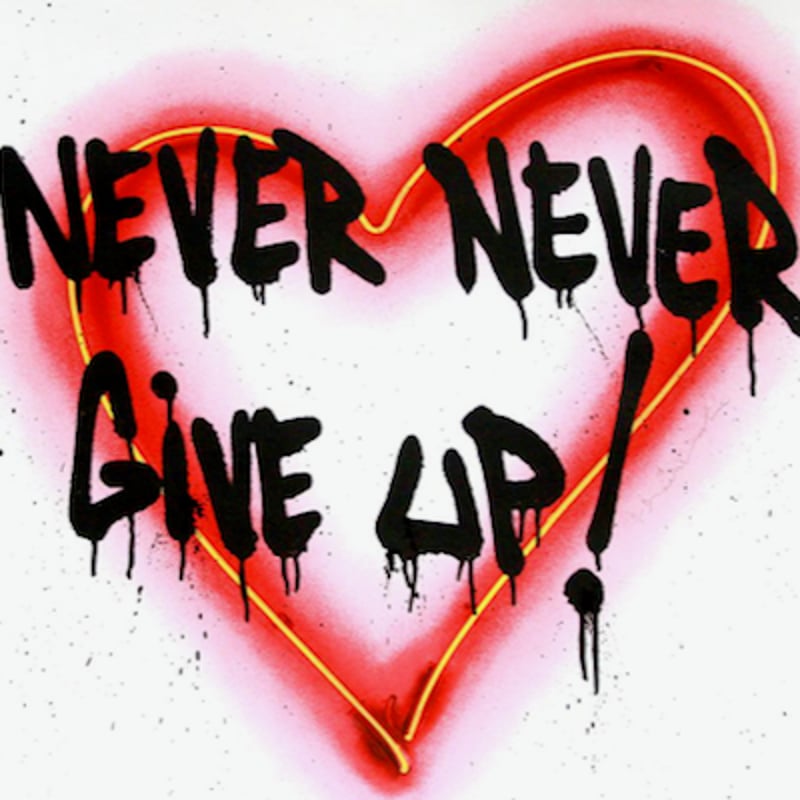
Graffiti art refers to drawings and writings that are painted, scratched, or scribbled on walls or other surfaces, typically in public spaces. This art form ranges from small tags to elaborate wall (...) read more

Grupo Frente was a movement founded in 1954 in Brazil by teaching artist Ivan Serpa. The movement included many students from the Rio de Janeiro Museum of Modern Art and sought to reject the (...) read more
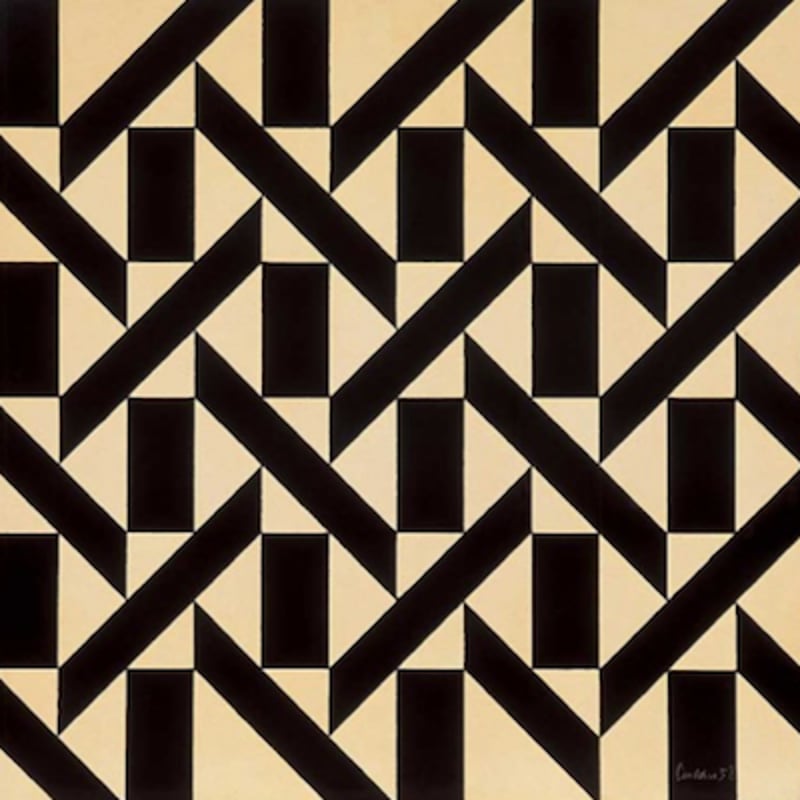
Grupo Ruptura was an organization formed in Brazil by artists who sought to break away from traditional naturalist painting in favor of geometric abstract art. In the early 1950s, the group published (...) read more
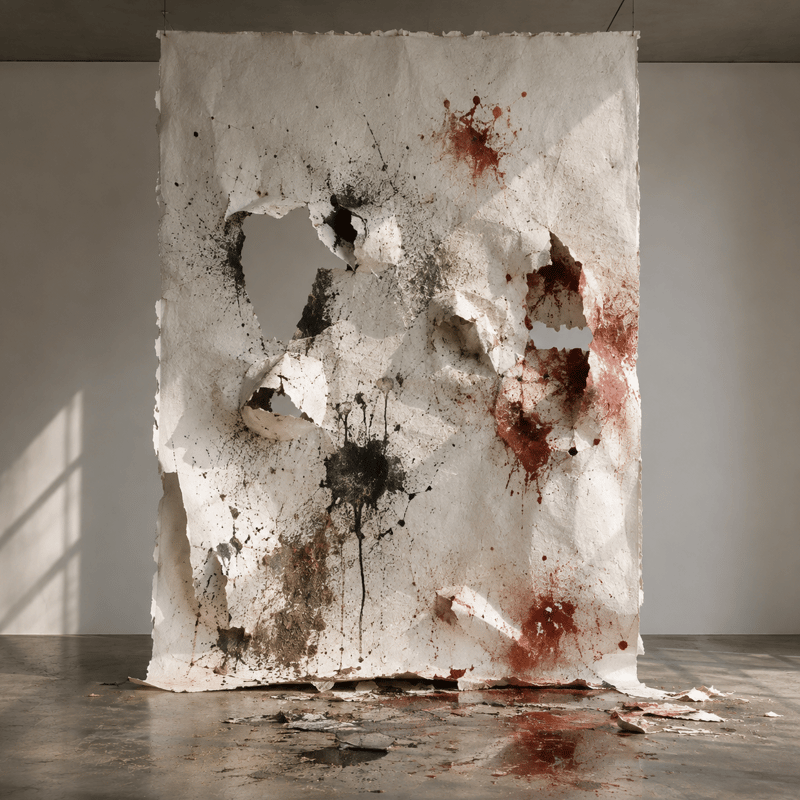
Gutai was a group of Japanese radical artists who formed the Gutai Art Association in 1954. The word Gutai translates to embodiment. The group was known for creating art on the spot for live (...) read more
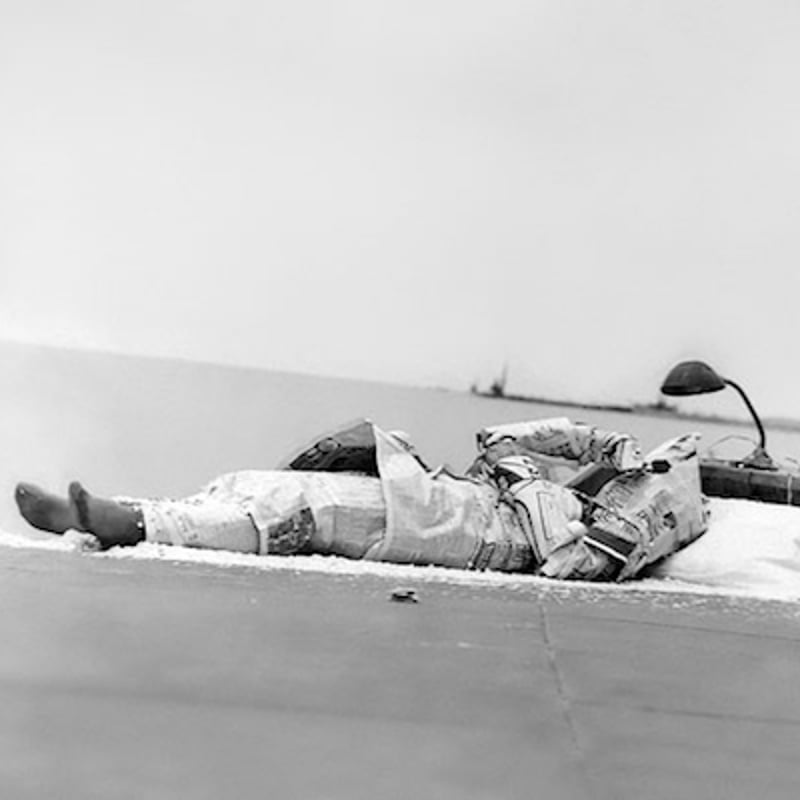
A Happening is a term used to describe artistic and theatrical events held by artists in the 1950s and 60s. These events were typically staged in gallery installations or planned environments and (...) read more

Hard Edge art is a style of abstract painting that became popular in the 1960s. It features areas of color separated by crisp, sharp edges that are painted with geometric precision. The term (...) read more
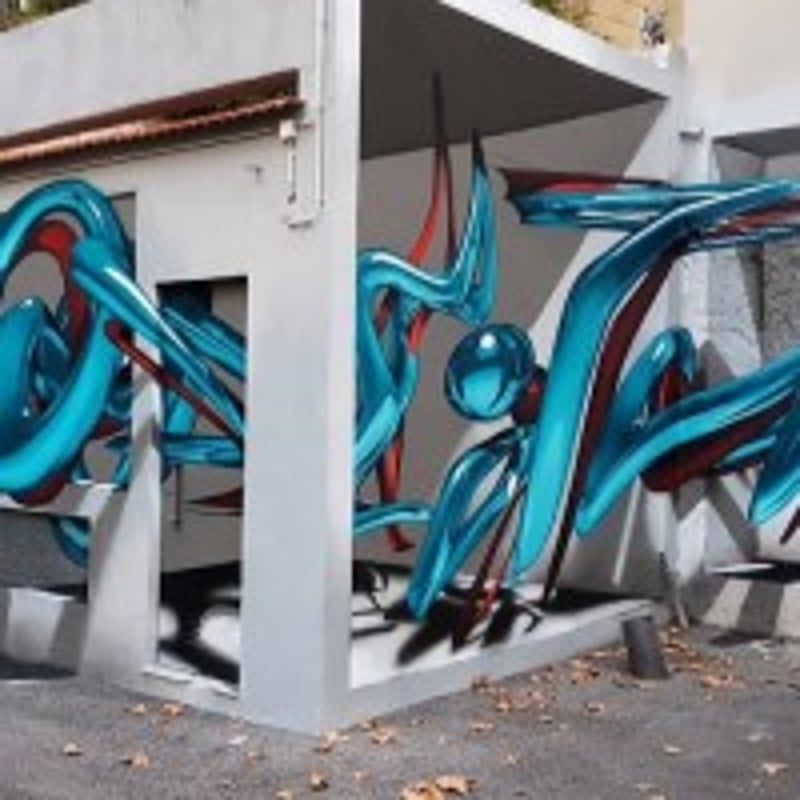
Hypermodernism is a cultural and artistic movement that emerged in the late 20th and early 21st centuries, characterized by an intense embrace of technology and a focus on speed, complexity, and the (...) read more
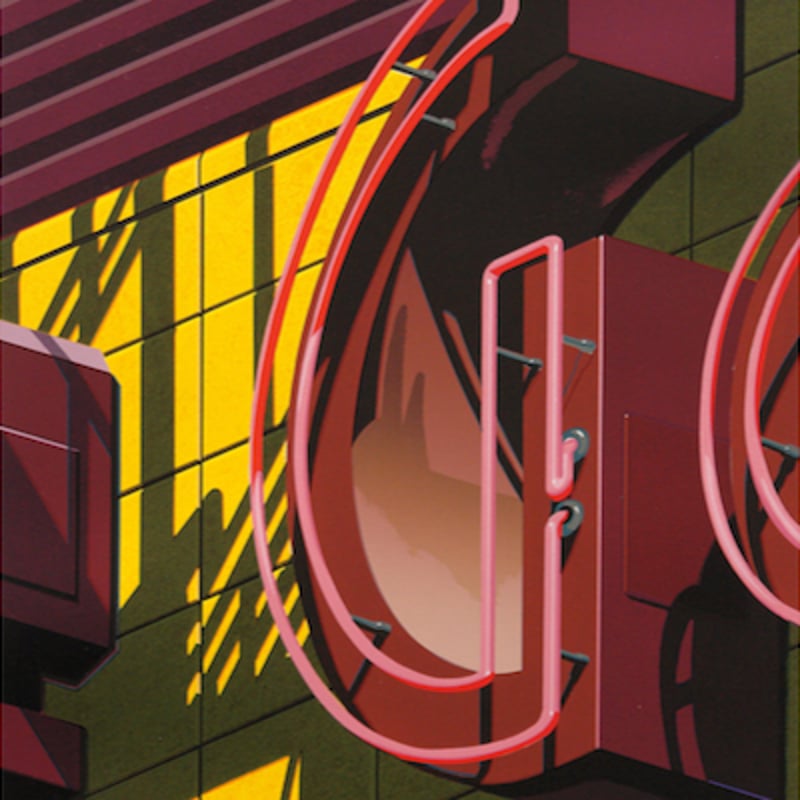
Hyperrealism is a genre of sculpture and painting that closely resembles high-resolution photographs. It is an evolution of Photorealism and is often applied to an independent art style or movement (...) read more
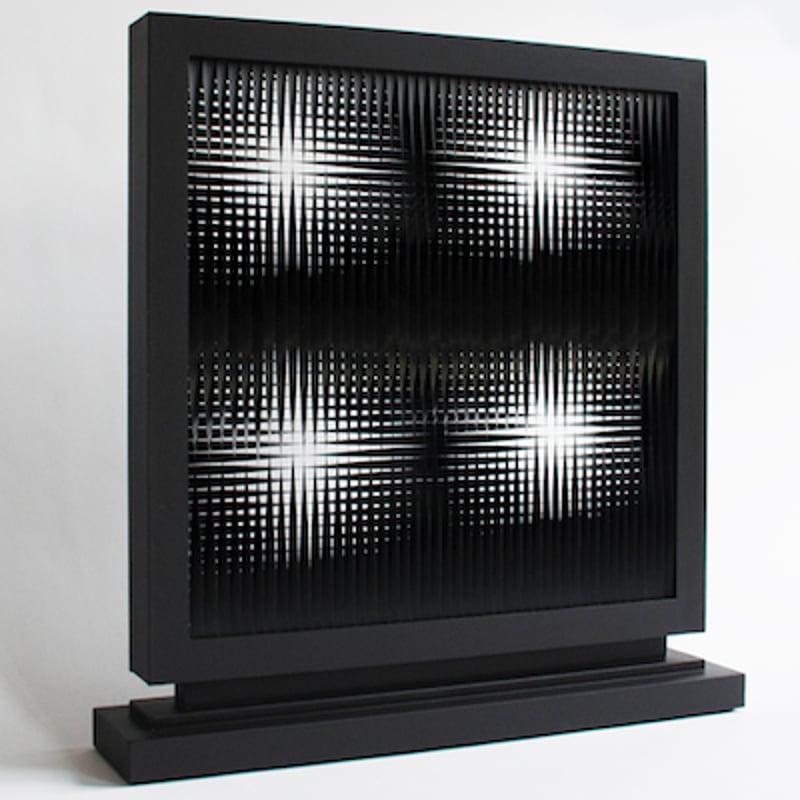
Interactive art is a form of art where the spectator is actively involved by the artist to achieve the artwork's purpose. This involvement can include allowing the visitor to walk around, in, or on (...) read more
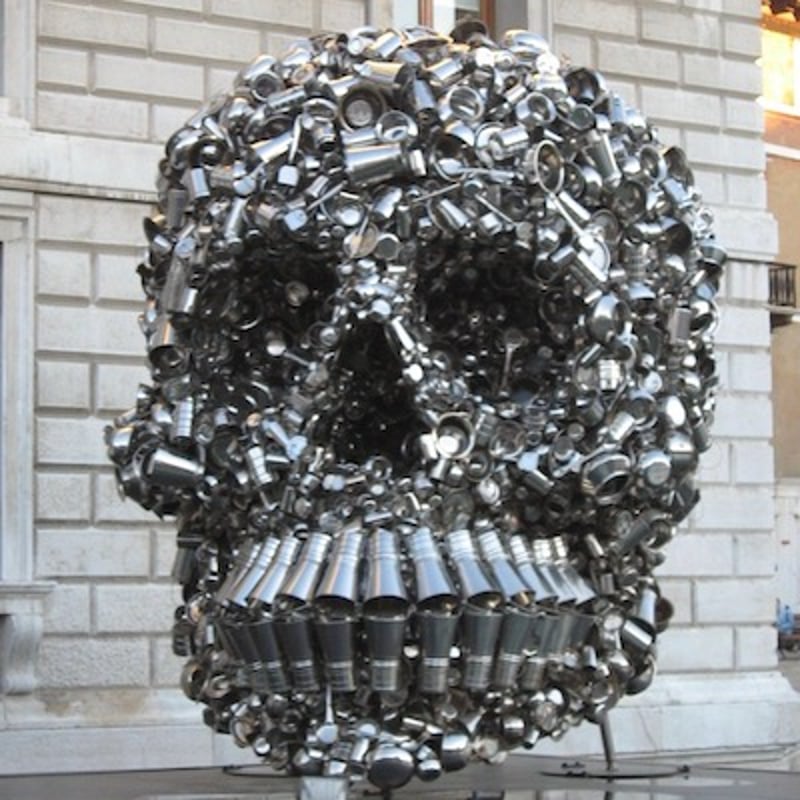
Junk art is a form of art that demonstrates how any material or object can be used to create a wide range of paintings, sculptures, installations, and assemblages. Many Junk Art pieces are made using (...) read more
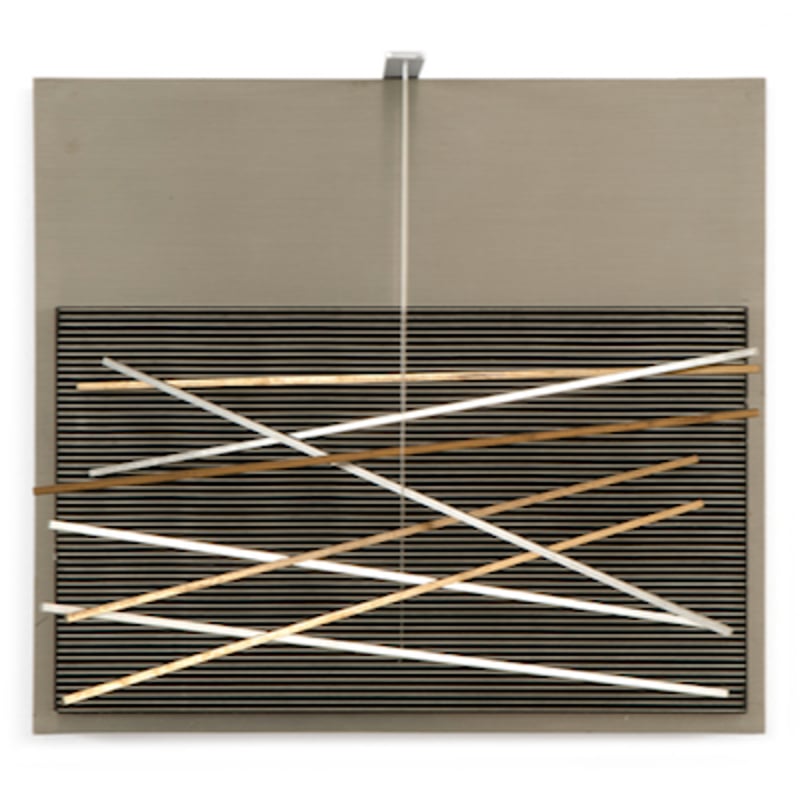
Kinetic art is an international movement that emerged in the 1920s and gained prominence in the 1960s, referring to art that involves both apparent and real motion. It encompasses any medium that (...) read more
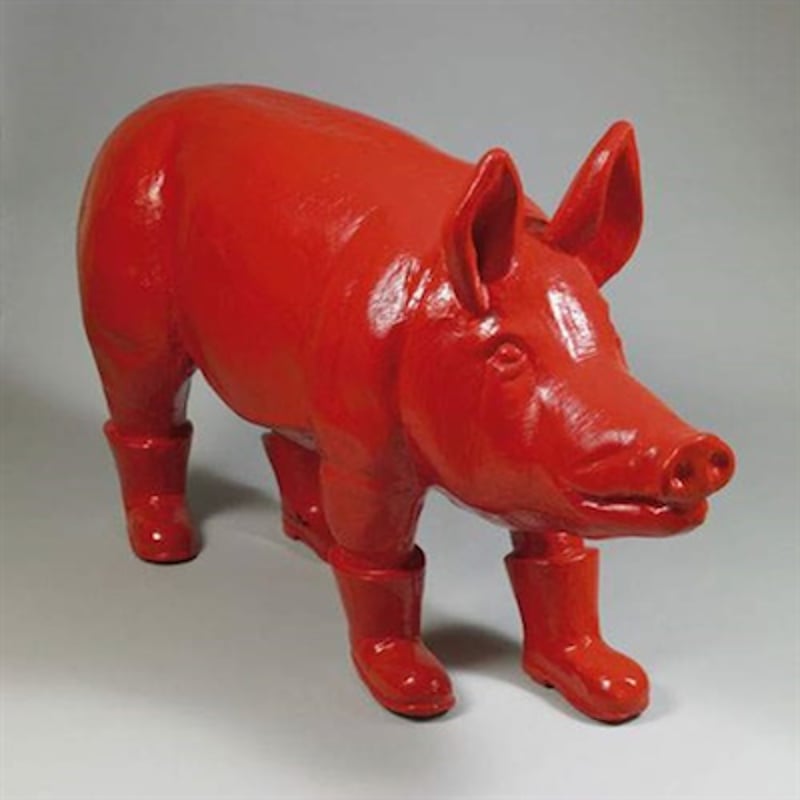
Kitsch is a term used to describe cheap, commercial, sentimental, or vulgar art and objects commonly associated with popular culture. The word is borrowed from German, where it originally means (...) read more
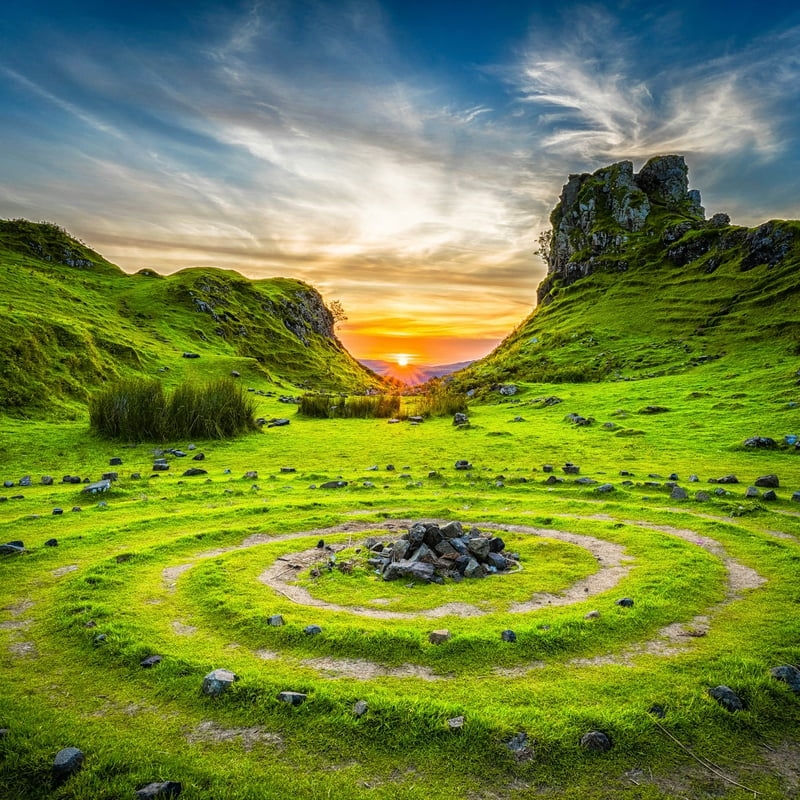
Also referred to as Earth Art, Earthworks, or Environmental Art, Land Art is a sculptural movement that involves creating artworks that integrate conceptual or physical elements of the earth or (...) read more
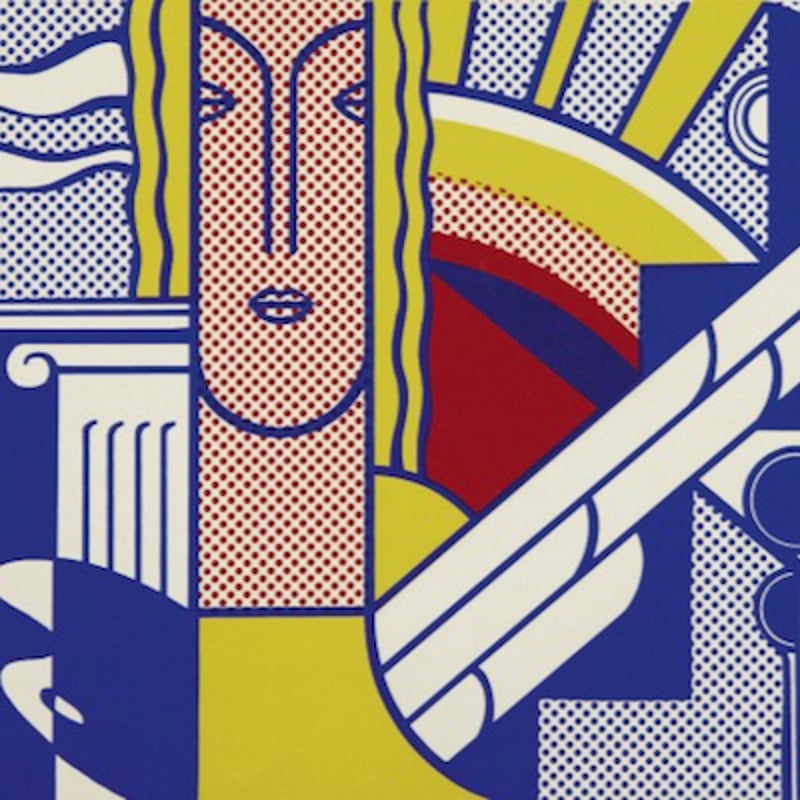
Late Modernism refers to the continuation and evolution of Modernist principles in art, architecture, and literature from the mid-20th century into the late 20th century. This movement maintains a (...) read more
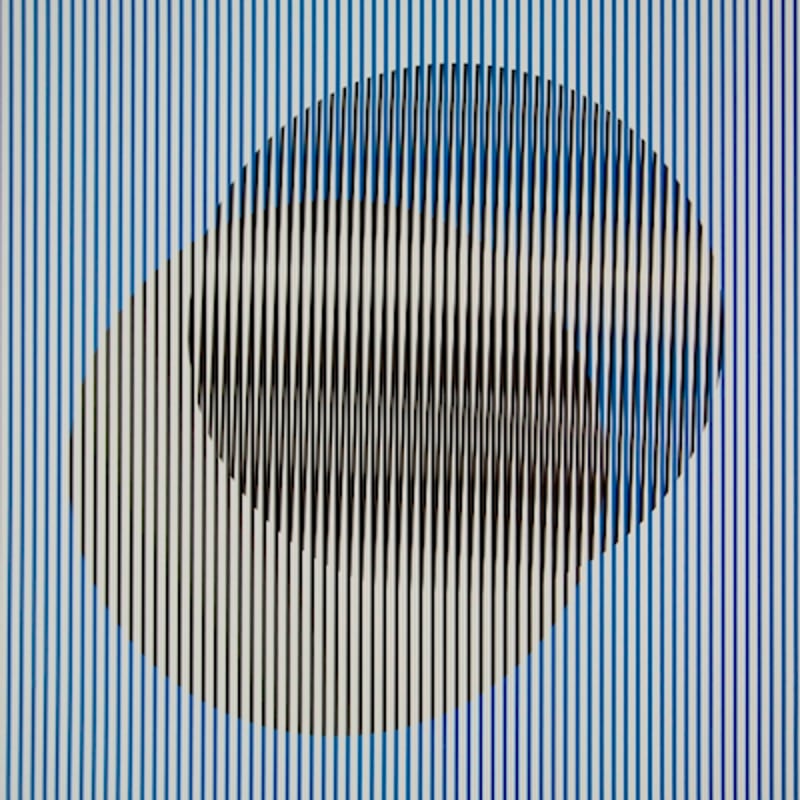
Latin American Art is a style which takes inspiration from its culture, society, politics, native traditions, religions and landscape. Op-Art and Kinetic Art figure prominently in Latin artworks. (...) read more

Lettrism is an art form that uses letters, words, and symbols to create artwork. The movement was established in Paris in the 1940s and later gained popularity in the 1950s in America. Lettrisme is (...) read more
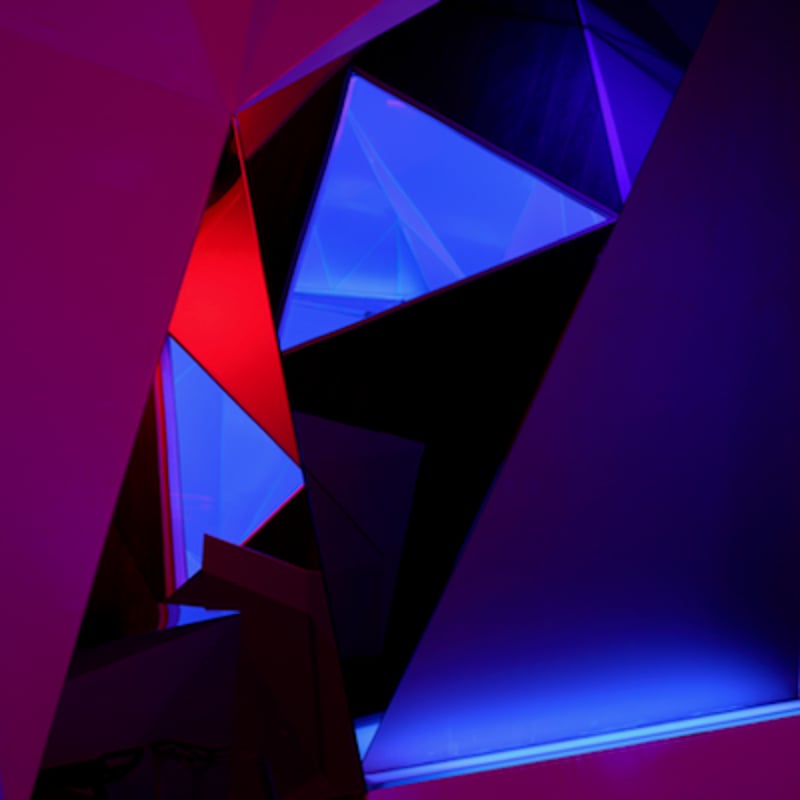
Light art refers to artworks that use light as the primary medium. These can include sculptures or installations that interact with the natural or urban environment. Light art can be suspended, in (...) read more