What is Latin American art?
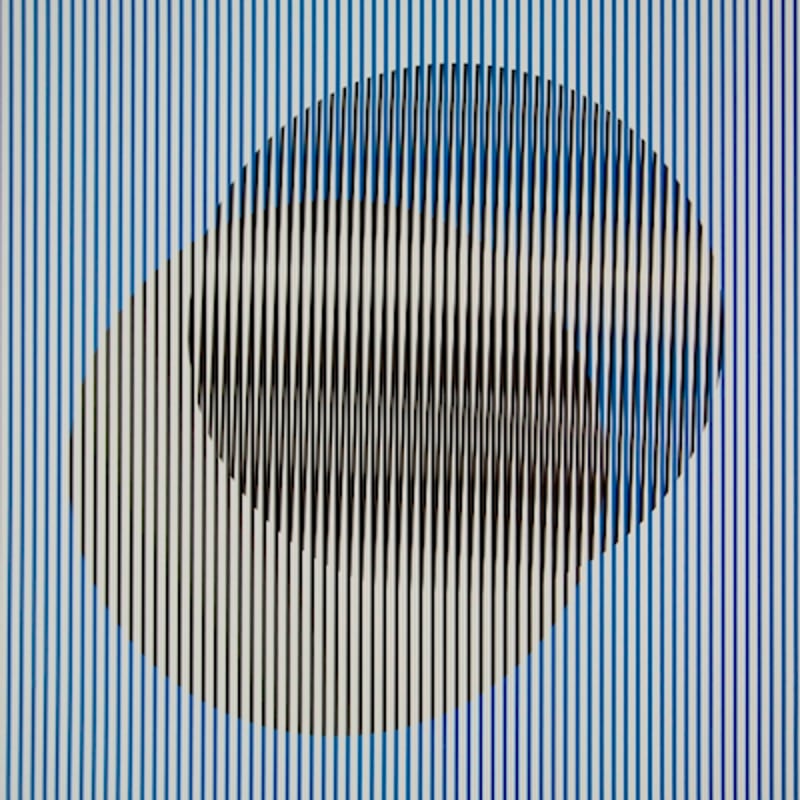
Latin American Art is a style which takes inspiration from its culture, society, politics, native traditions, religions and landscape. Op-Art and Kinetic Art figure prominently in Latin artworks. Colors in Latin American compositions are often bold. Latin American artists work in all media and movements.
Notable Artists Working in latin american art


The muralists and the search for a modern identity
Modern Latin American art announced itself on walls. In the 1920s and 30s, Diego Rivera, José Clemente Orozco and David Alfaro Siqueiros covered public buildings in Mexico with monumental frescoes that fused pre-Columbian imagery, Catholic iconography and revolutionary politics. Their influence travelled far beyond Mexico — Rivera's Detroit Industry cycle of 1932–33 remains one of the great mural commissions of the twentieth century — and it established a lasting idea: that Latin American art could be modern without imitating Europe. Painters such as Frida Kahlo, Wifredo Lam and Roberto Matta pushed this further, feeding Indigenous, Afro-Caribbean and personal mythologies into an international surrealist language.
Geometric abstraction and the optical turn
A second, equally consequential current ran toward abstraction. The Uruguayan painter Joaquín Torres-García returned from Europe in 1934 and built a school around his Universal Constructivism, insisting that the continent's geometry — from Inca stonework onward — was its own classical tradition.
"I have said School of the South; because in reality, our north is the South."
Joaquín Torres-García, lecture in Montevideo, 1935
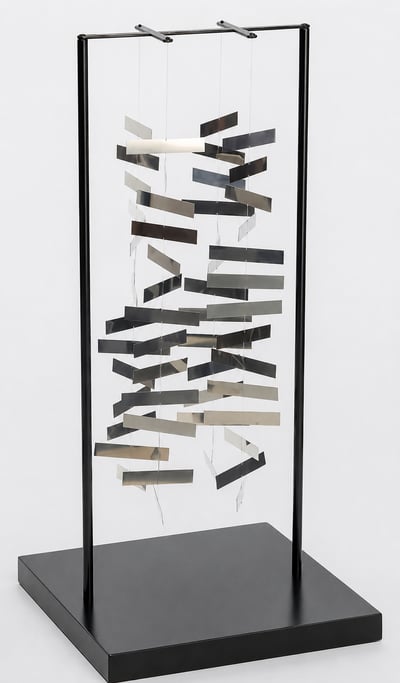
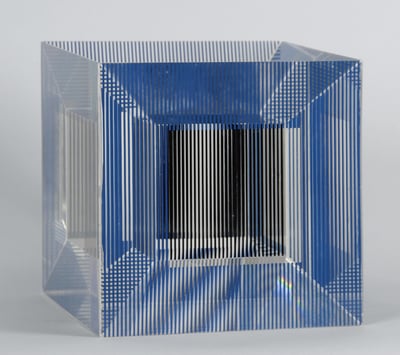
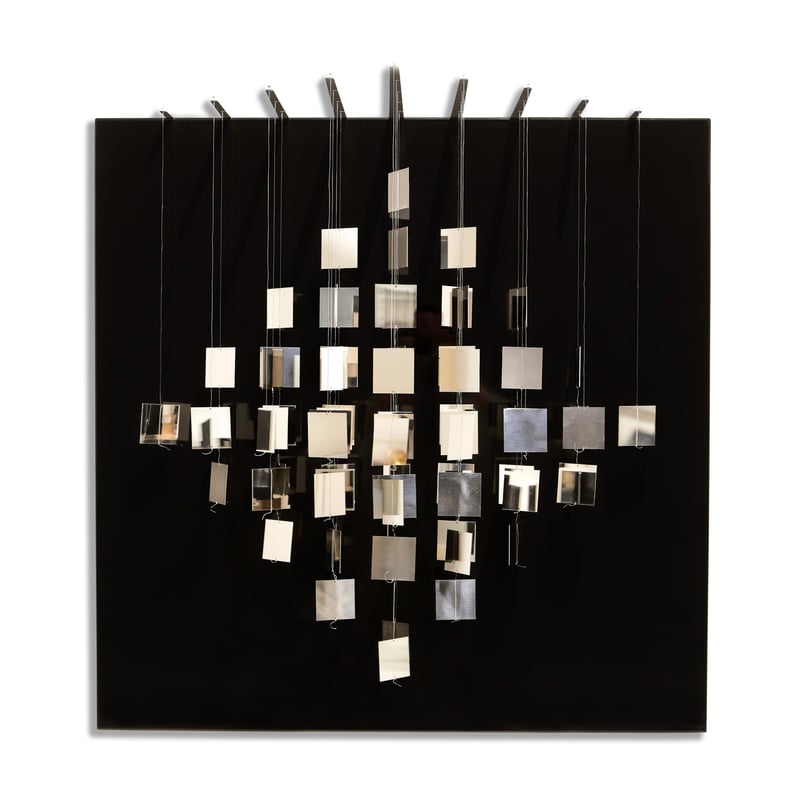
From the 1940s, that constructive impulse exploded across the region: Madí and Concrete art in Buenos Aires, the Concrete and Neo-Concrete movements in São Paulo and Rio de Janeiro, and, most visibly for today's collectors, the kinetic and optical art of Venezuelans Jesús Rafael Soto and Carlos Cruz-Diez and the Argentine Julio Le Parc, who won the Grand Prize for painting at the 1966 Venice Biennale. Their vibrating grids, colour-shifting Physichromies and walk-through Penetrables treated perception itself as the artwork — bold colour deployed with scientific rigour rather than folkloric intent.
This is why the label "Latin American art" describes a market category more than a single style. It spans social realism and pure abstraction, craft traditions and high technology. What the strongest work shares is a habit of translation: taking international movements — surrealism, constructivism, op art, conceptualism — and re-grounding them in local colour, politics and landscape. For collectors, understanding which of these currents a work belongs to is the first step in reading it, and in judging where it sits within a rapidly re-evaluated canon.
A market catching up with the history
For decades, Latin American art traded at a discount to comparable European and North American work. That gap has narrowed sharply as institutions have rewritten the canon: MoMA, Tate and major private foundations have acquired deeply in Brazilian Neo-Concretism, Venezuelan kinetic art and Mexican modernism, and auction records for artists such as Frida Kahlo and Leonora Carrington now sit in the tens of millions. For collectors, the practical lesson is that museum validation has tended to lead prices in this field — artists with retrospectives and institutional holdings have generally proved the most resilient purchases.
Editions, kinetics and condition
The kinetic and op artists are a natural entry point, partly because they embraced multiples. Soto, Cruz-Diez and Le Parc all produced editioned works — silkscreens, constructed reliefs, small motorised pieces — that make important names accessible well below unique-work prices. Treat these with the same rigour as any edition: confirm the edition size, numbering and, where applicable, estate or studio authentication. Condition matters more than usual here. Kinetic works depend on precise alignment of rods, moiré screens or colour strips; a bent element or amateur restoration can compromise the optical effect that is the entire point of the piece. Ask for condition reports that address mechanics and surfaces separately.
Provenance and patrimony
Two due-diligence issues are specific to this field. First, forgeries have long shadowed the most famous names — Kahlo and Rivera especially — so insist on documented provenance and, where they exist, catalogue raisonné references or recognised expert opinions. Second, cultural patrimony law is real: Mexico has declared the work of Rivera, Orozco, Siqueiros and Kahlo national artistic monuments, meaning works within Mexico generally cannot be permanently exported. Works already in legitimate circulation abroad are unaffected, but export history should be part of any provenance file. Buy from sources that can document the chain of ownership, and the bold colour and inventiveness that define the field will reward you — visually first, and very possibly financially as the scholarship continues to deepen.
Artworks Related to Latin American Art
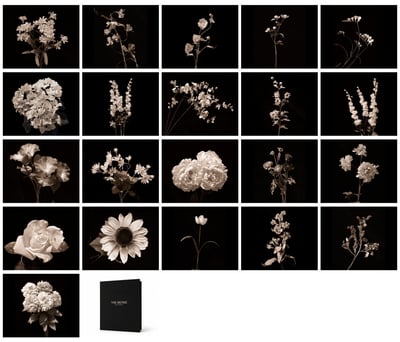
Vik Muniz
Flora Industrialis B/N, 2026
Photography
Photograph
EUR 25,000
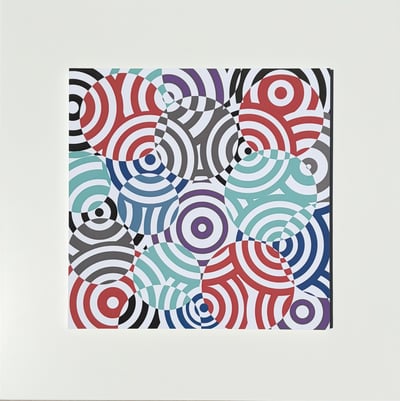
Antonio Asis
Interferences cercles de couleurs Gris Rouge, 2010
Limited Edition Print
Mixed Media
EUR 1,500
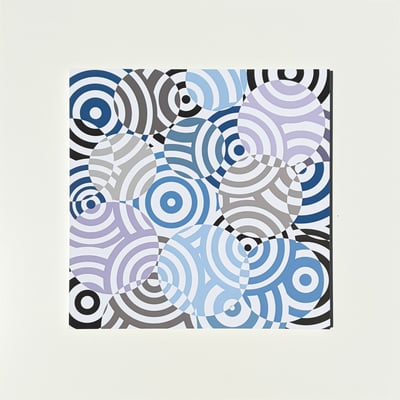
Antonio Asis
Interferences cercles de couleurs Gris Bleu, 2010
Limited Edition Print
Mixed Media
EUR 1,500
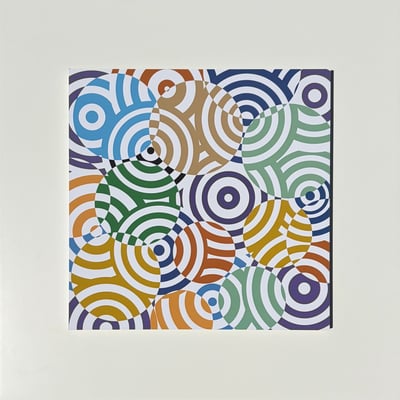
Antonio Asis
Interferences cercles de couleurs Gris Rouge Arc en Ciel, 2010
Limited Edition Print
Mixed Media
EUR 1,500
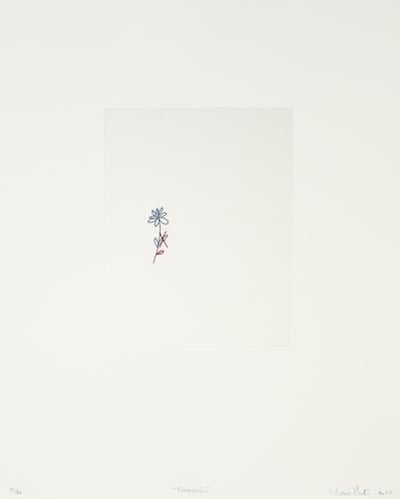
Liliana Porter
Corrección, 2018
Limited Edition Print
Etching
EUR 1,500

Guillermo Kuitca
Cuarta pared, 1997
Limited Edition Print
Mixed Media
EUR 2,000
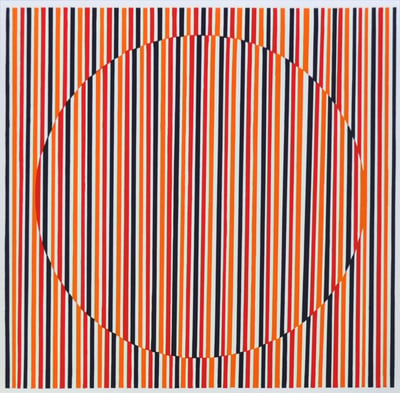
Antonio Asis
ST3, 2013
Limited Edition Print
Lithograph
EUR 1,800
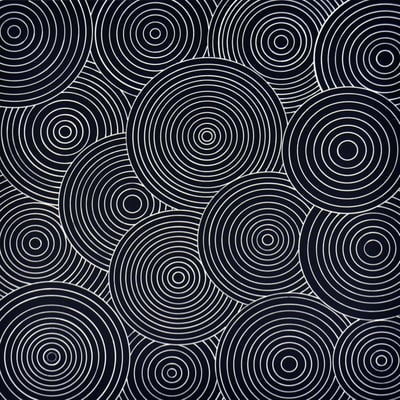
Antonio Asis
ST5, 2013
Limited Edition Print
Lithograph
EUR 1,800
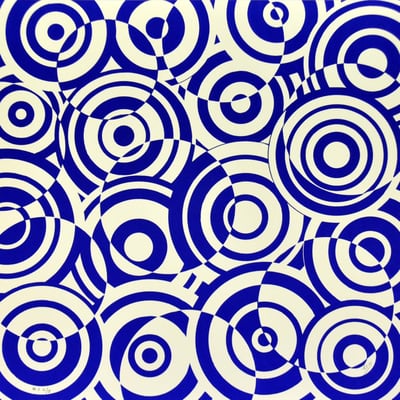
Antonio Asis
ST2, 2013
Limited Edition Print
Lithograph
EUR 1,800
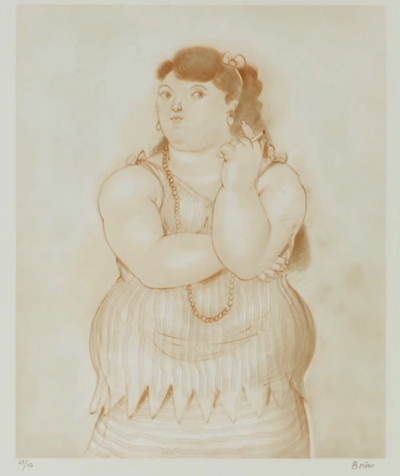
Fernando Botero
Dessins et Aquarelles (2), 1984
Limited Edition Print
Lithograph
Inquire For Price

Felipe Pantone
Subtractive Variability #4, 2018
Painting
Mixed Media
EUR 15,000
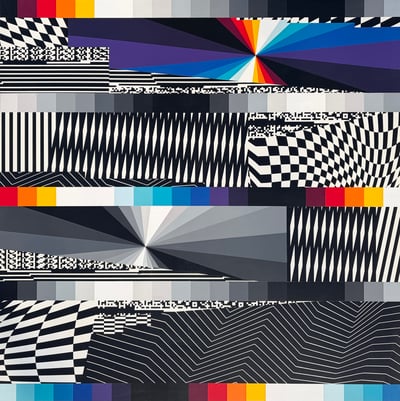
Felipe Pantone
Chromadynamica 33, 2017
Painting
Acrylic paint
Inquire For Price
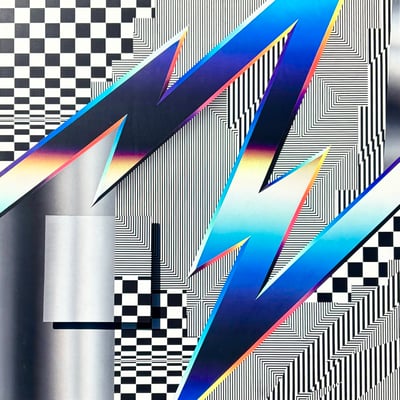
Felipe Pantone
Responsive Iframe, 2016
Painting
Acrylic paint
EUR 13,000
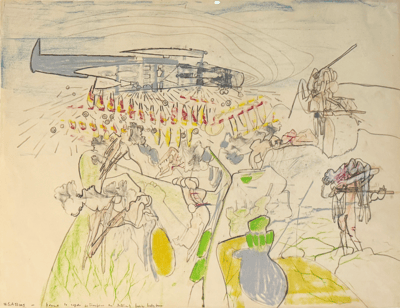
Roberto Matta
U.S. Assasins, 1962
Drawing / Watercolor
Crayon
Inquire For Price
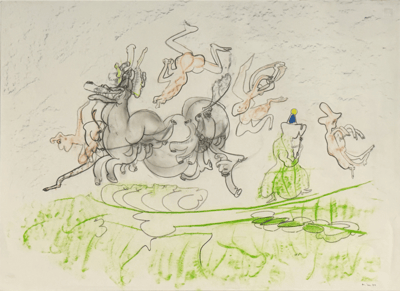
Roberto Matta
Le Cirque, 1969
Drawing / Watercolor
Crayon
Inquire For Price
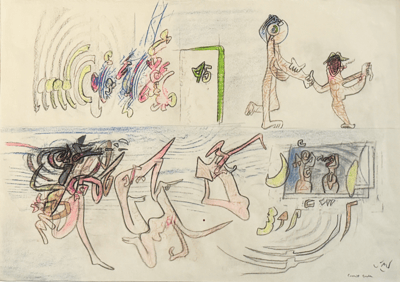
Roberto Matta
Covent Garden, 1977
Drawing / Watercolor
Crayon
Inquire For Price
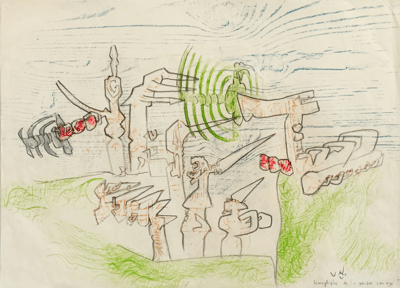
Roberto Matta
Hieroglyphe De La Pen See, 1975
Drawing / Watercolor
Crayon
Inquire For Price

Carlos Cruz-Diez
Couleur additive perseus 3, 2017
Limited Edition Print
Screen-print
EUR 5,000

Carlos Cruz-Diez
Couleur additive perseus 2, 2017
Limited Edition Print
Screen-print
EUR 5,000
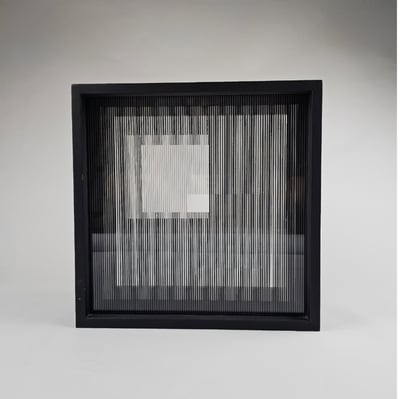
Rafael Jesus Soto
Kinetic Box, 1964
Sculpture / Object
Screen-print
USD 22,000

Carlos Cruz-Diez
Composition '5 E'. Induction Chromatique, 1974
Limited Edition Print
Screen-print
USD 9,750

Carlos Cruz-Diez
Composition '4 D'. Couleur Additive, 1970
Limited Edition Print
Screen-print
USD 9,750
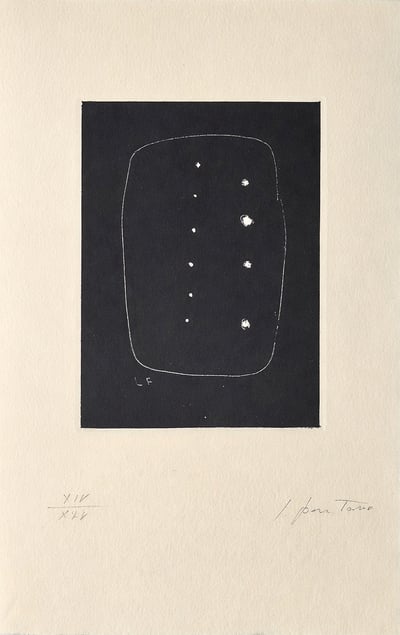
Lucio Fontana
Untitled from The International Avant-Garde (volume I), 1962
Limited Edition Print
Mixed Media
USD 8,150
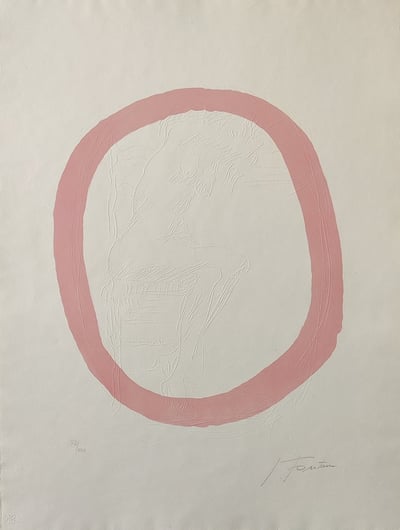
Lucio Fontana
Nudo rosa, 1967
Limited Edition Print
Mixed Media
USD 10,500
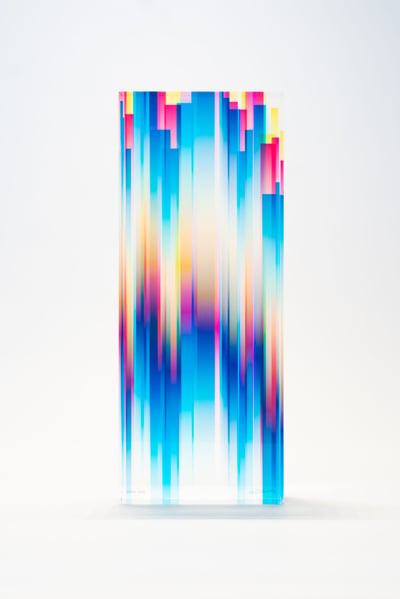
Felipe Pantone
Subtractive Variability Vitreum 3, 2025
Sculpture / Object
Acrylic sculpture
EUR 3,200
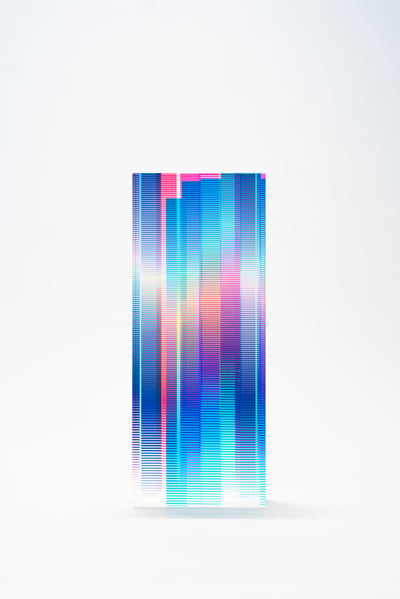
Felipe Pantone
Subtractive Variability Vitreum 2, 2025
Sculpture / Object
Acrylic sculpture
EUR 2,800

Felipe Pantone
Subtractive Variability Vitreum 1, 2025
Sculpture / Object
Acrylic sculpture
EUR 2,300

Fernando Botero
Pedrito, 1975
Limited Edition Print
Offset Print
EUR 6,600
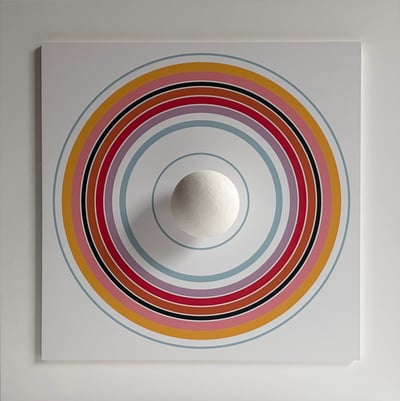
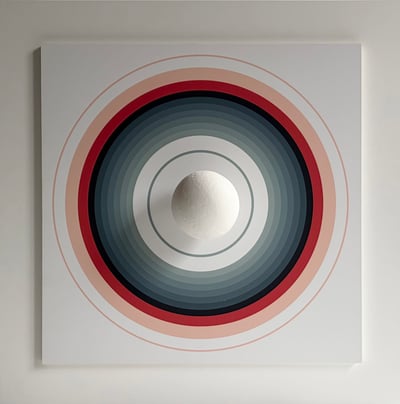
Antonio Asis
Asistype 20 – boule sur cercle, 2016
Sculpture / Object
Monotype
EUR 3,000
Antonio Asis
Asistype 19 – boule sur cercle, 2016
Sculpture / Object
Monotype
EUR 3,000
Related Terms
Pop Art is an art movement that began in Britain in 1955 and in the late 1950s in the U.S. It challenged traditional fine arts by incorporating imagery from popular culture, such as news, advertising, and comic books. Pop Art often isolates and recontextualizes materials, combining them with unrelated elements. The movement is more about the attitudes and ideas that inspired it than the specific art itself. Pop Art is seen as a reaction against the dominant ideas of Abstract Expressionism, bringing everyday consumer culture into the realm of fine art.

Contemporary art refers to avant-garde or innovative art created in the recent past or present day. The exact starting point of contemporary art varies depending on the institution, often tied to the founding year of museums or galleries that showcase the style. Contemporary art is characterized by its focus on current ideas, diverse media, and the exploration of new concepts and techniques.
Abstract art uses form, shape, line, and color to create a visual experience without attempting to represent external reality. The composition exists independently of the world's visual references, focusing on expressing ideas and emotions through non-representational means.
Related Articles
Can't find your Answer?
Thank you! Your question has been sent — we'll get back to you shortly.
