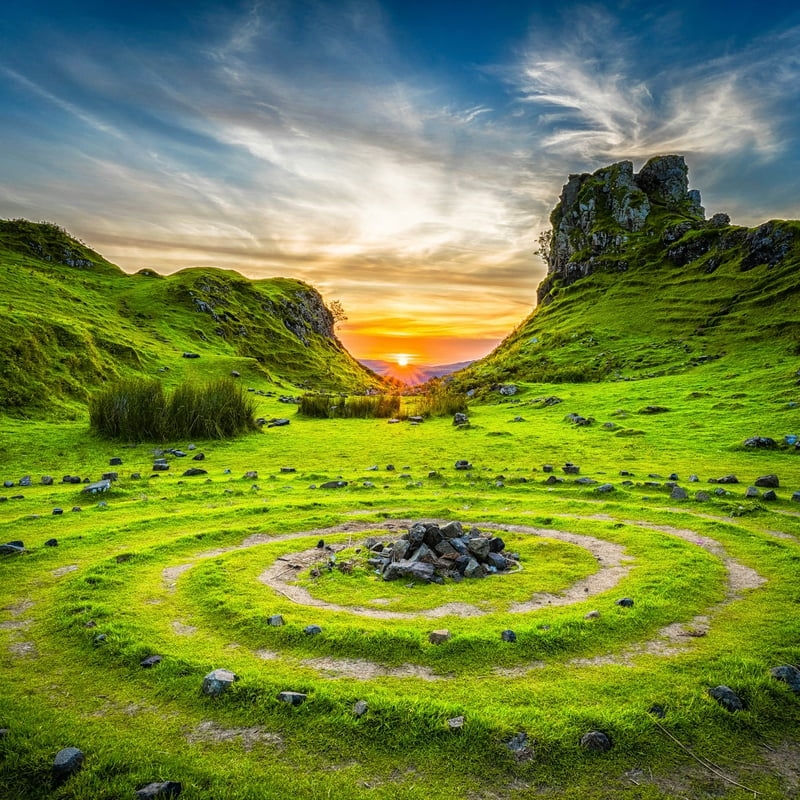
What is land art?
- Show All
- Established
- Discoveries
- Show All
Artworks Related to Land Art

Javacheff Christo
Puerta de Alcalá, envuelta /proyecto para Madrid, 1981
Limited Edition Print
Lithograph
EUR 9,600
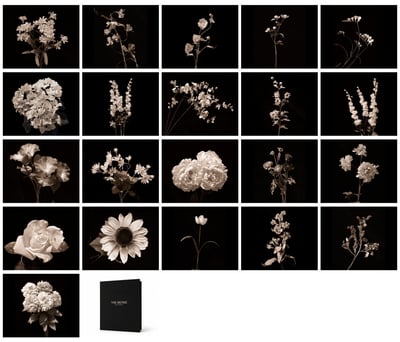
Vik Muniz
Flora Industrialis B/N, 2026
Photography
Photograph
EUR 25,000
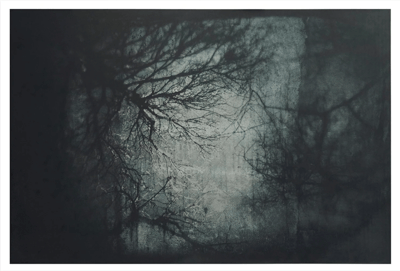
James Turrell
Aqua Oscura (Winter), 2015
Limited Edition Print
Etching
GBP 7,800 - 10,000
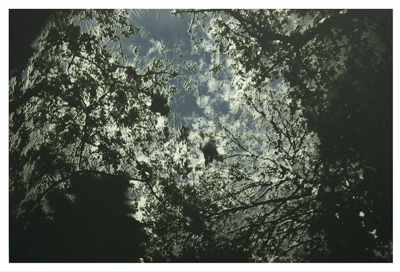
James Turrell
Aqua Oscura (Summer), 2015
Limited Edition Print
Etching
GBP 7,800 - 10,000
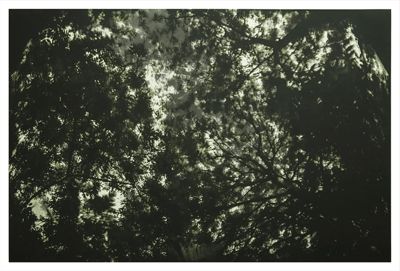
James Turrell
Aqua Oscura (Autumn), 2015
Limited Edition Print
Etching
GBP 7,800 - 10,000
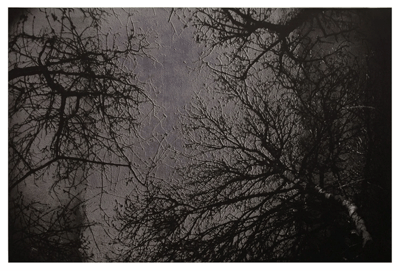
James Turrell
Aqua Oscura (Spring), 2015
Limited Edition Print
Etching
GBP 7,800 - 10,000
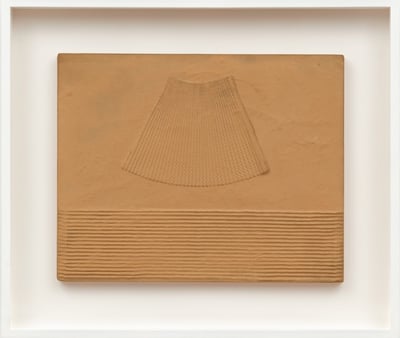
Heinz Mack
Sandflügel, 1976
Sculpture / Object
Mixed Media
Inquire For Price
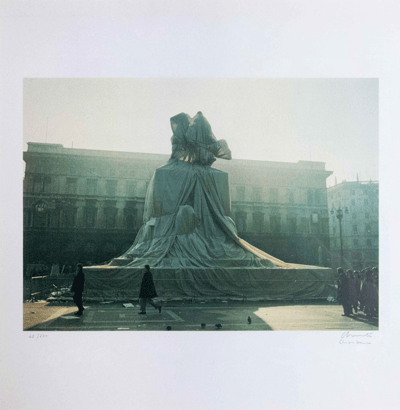
Javacheff Christo
Wrapped Monumento to Vittorio Emanuele, Piazza del Duomo, 1970
Limited Edition Print
Photograph
EUR 2,400
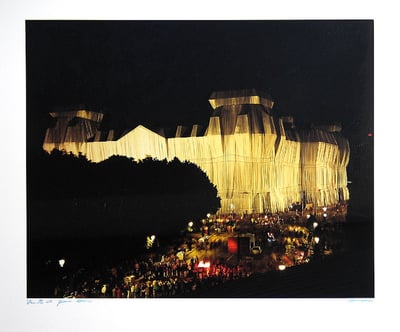
Javacheff Christo
Reichstag/Berlin Nacht, Wrapped, 1995
Limited Edition Print
Photograph
EUR 10,000
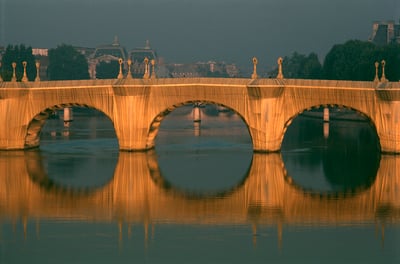
Javacheff Christo
The Pont Neuf Wrapped Reflecting Bridge PN-150, 1985
Limited Edition Print
Photograph
EUR 14,000
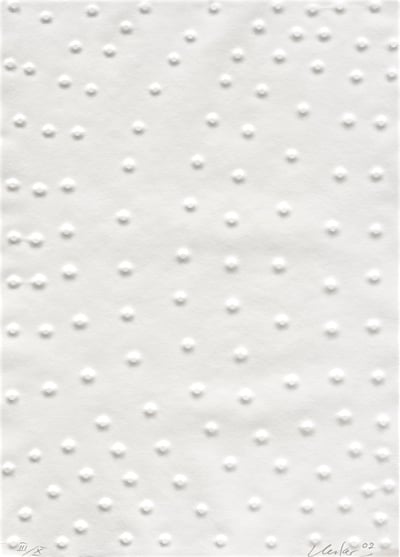
Gunther Uecker
Graphein III, Ahirom von Byblos, 2002
Limited Edition Print
Embossing
EUR 12,000
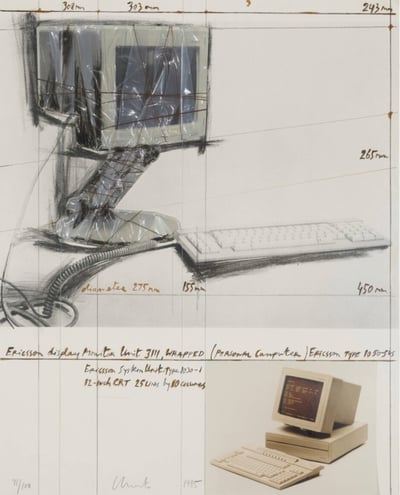
Javacheff Christo
Ericsson Display Monitor Unit 3111, Wrapped, Project for Personal Computer, 1985
Limited Edition Print
Lithograph
USD 12,000
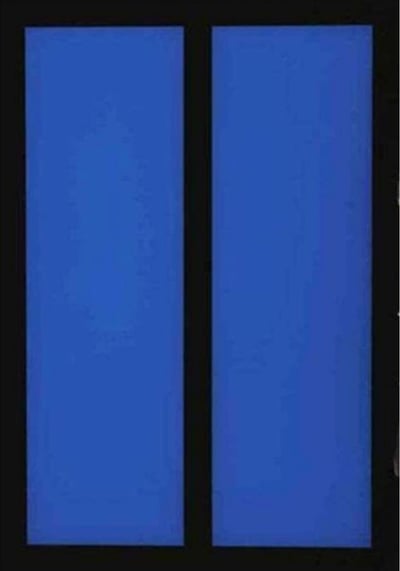
Ugo Rondinone
Into the light, 2002
Limited Edition Print
Mixed Media
EUR 3,600
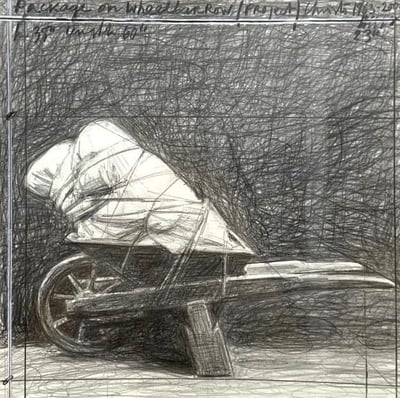
Javacheff Christo
Package on Wheelbarrow (project), 1963-2000
Drawing / Watercolor
Crayon
Inquire For Price
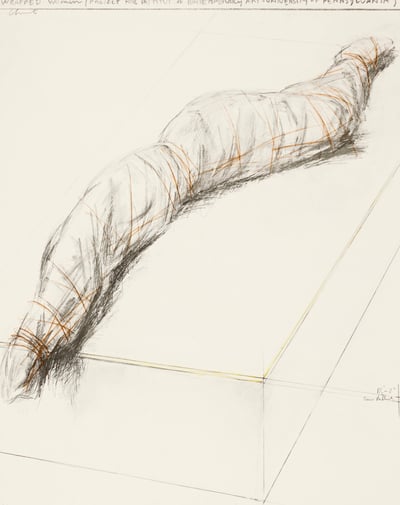
Javacheff Christo
Wrapped Woman, 1973
Limited Edition Print
Screen-print
USD 2,690
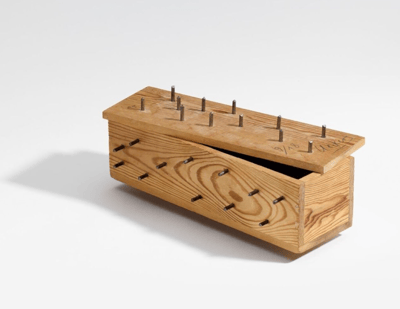
Gunther Uecker
Souvenir for Verheyen, 1989
Sculpture / Object
Mixed Media
GBP 15,000 - 20,000
Related Articles
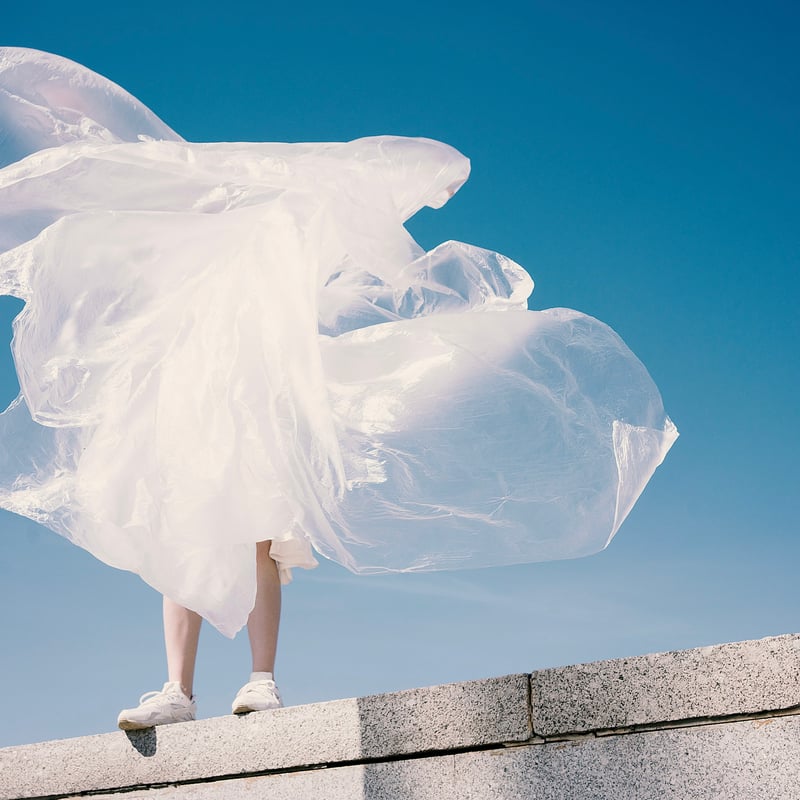
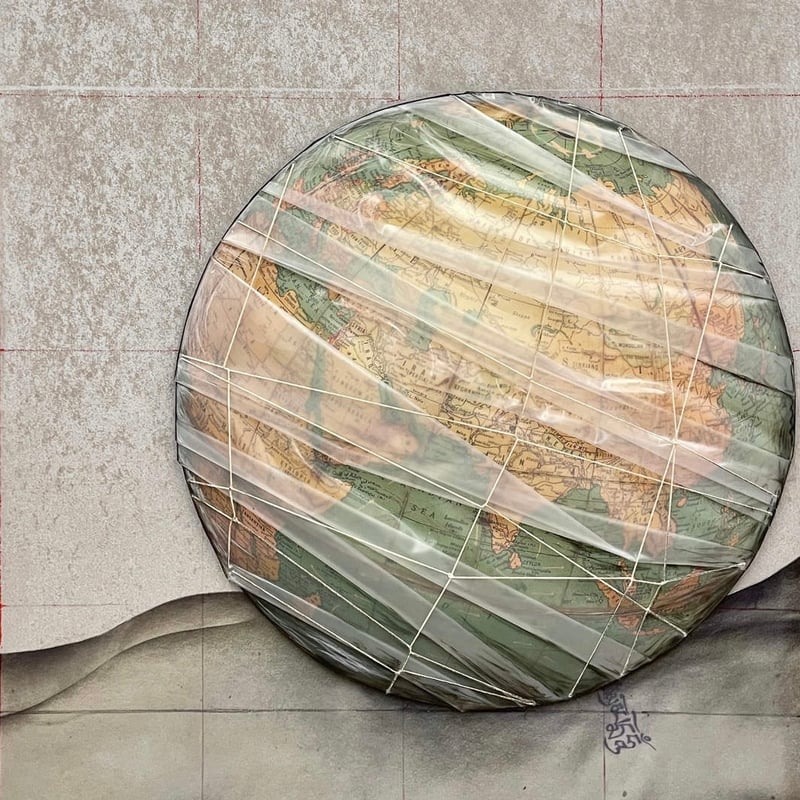
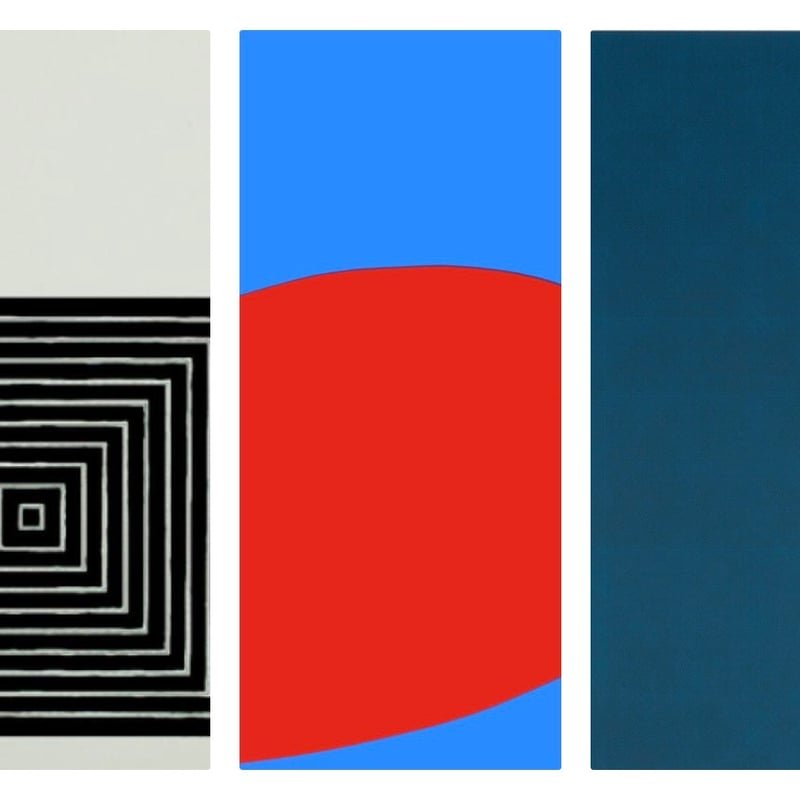

Environmental art is a collective term that refers to a wide range of artistic practices and works that engage with historical and ecological themes. The term often encompasses ecological concerns, although it is not exclusively defined by them. Environmental art acknowledges and appreciates the early history of the environmental art movement, including works with activist themes and those celebrating the connection between nature and the artist through the use of natural materials.
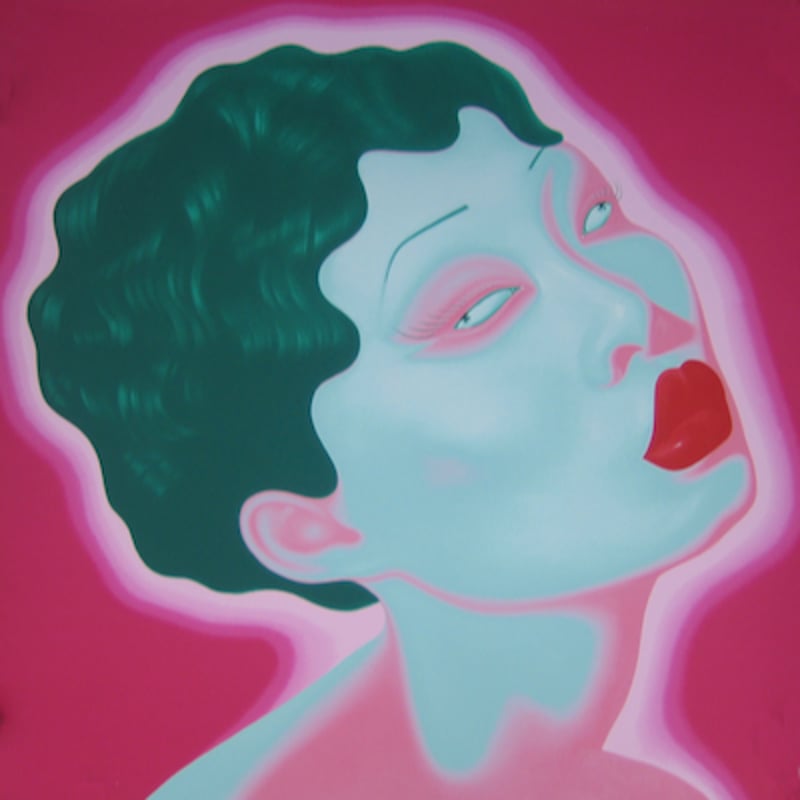
Chinese Contemporary Art is marked by a wide range of styles and experimental approaches. In the 1980s, avant-garde exhibitions were often shut down by government officials. The 1990s saw the rise of political pop and cynical realism, while China's One-Child Policy influenced artists to explore the individual as a subject matter.

Art Intervention refers to art created with the intention of interacting with an existing situation, structure, artwork, audience, or institution. This form of art gained popularity in the 1960s as artists sought to provoke change within political and social contexts. The concept of Artist-in-Residence programs was influenced by the ideas and practices of this movement.
Can't find your Answer?
Thank you! Your question has been sent — we'll get back to you shortly.
