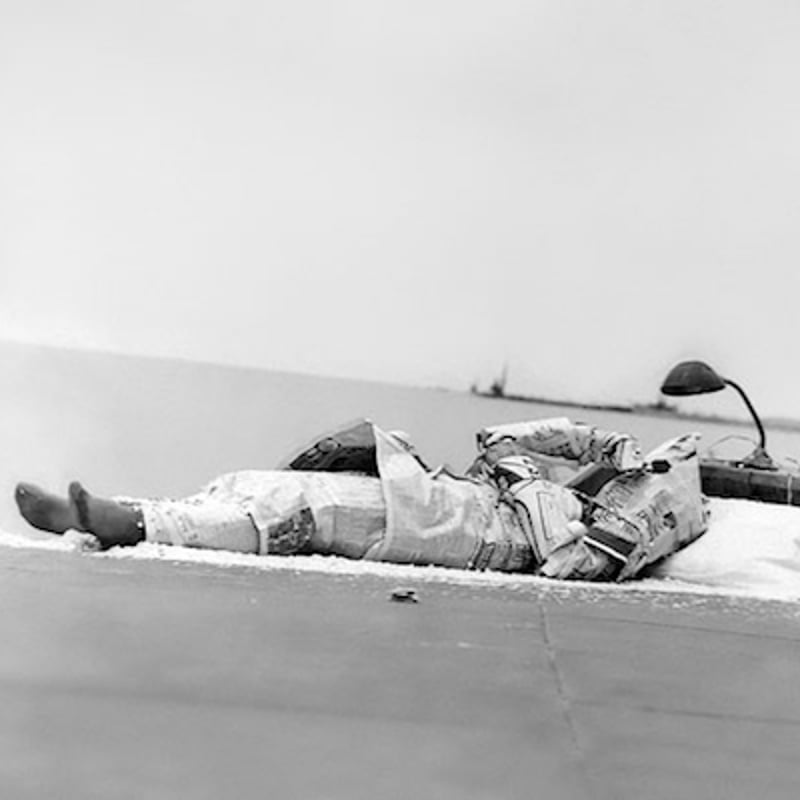
What is Happening?
- Show All
- Established
- Discoveries
- Show All
Artworks Related to Happening

Claes Oldenburg
Eraser, 1970
Limited Edition Print
Lithograph
Inquire For Price

Jim Dine
Self portrait in a flat cap, 1974
Limited Edition Print
Etching
EUR 950
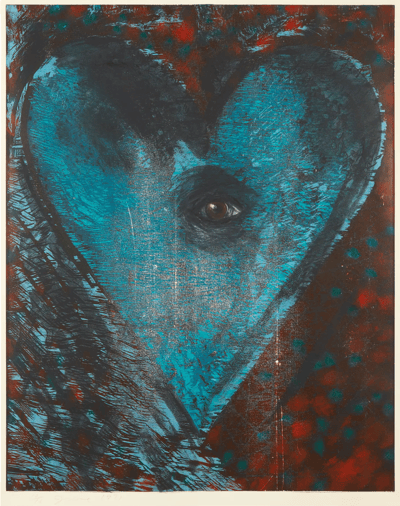
Jim Dine
The Woodcut Self, 1991
Limited Edition Print
Woodcut
USD 6,550
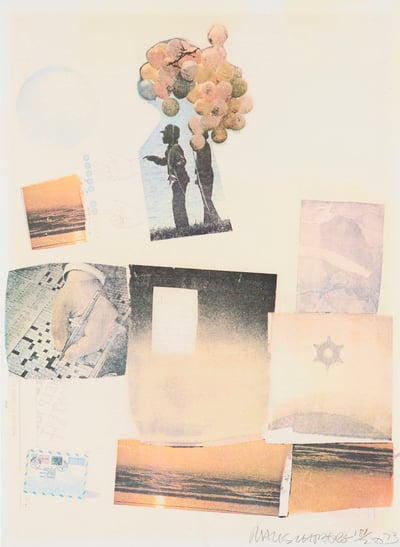
Robert Rauschenberg
Support, 1973
Limited Edition Print
Screen-print
USD 1,450
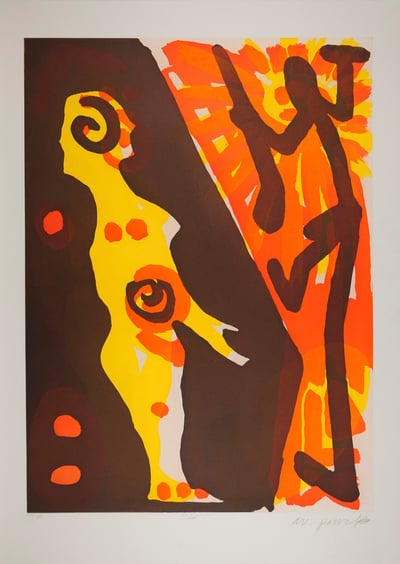
A.R. Penck
Serie I Rächer, 1991
Limited Edition Print
Etching and Aquatint
EUR 2,800

Marina Abramovic
The Hero, 2022
Photography
Mixed Media
Inquire For Price
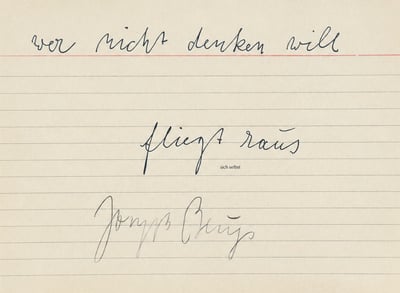
Joseph Beuys
Sich selbst (wer nicht denken will fliegt raus), 1977
Drawing / Watercolor
Mixed Media
EUR 700
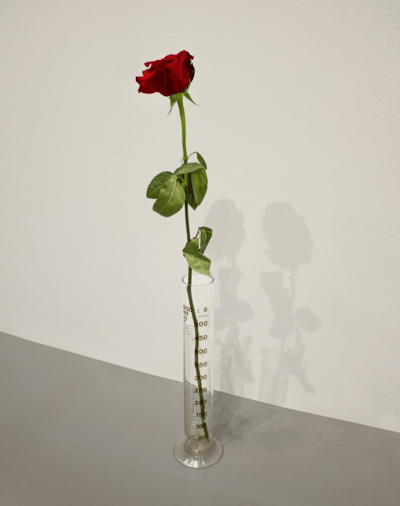
Joseph Beuys
Eine Rose für direkte Demokratie, 1968
Sculpture / Object
Mixed Media
EUR 2,800
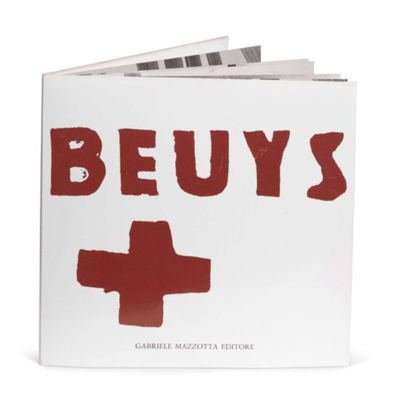
Joseph Beuys
Ja Ja Ja Ja Nee Nee Nee, 1970
Sculpture / Object
Mixed Media
EUR 2,500
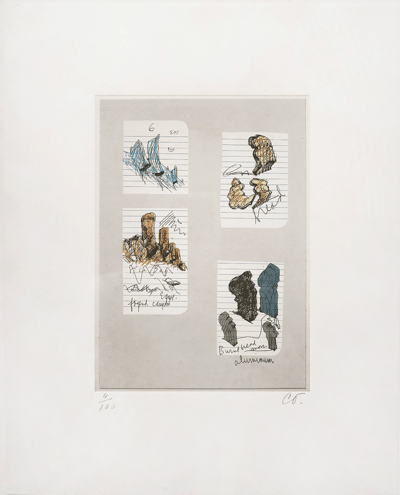
Claes Oldenburg
Notes in Hand, from the Notes in Hand Portfolio, 1972
Limited Edition Print
Offset Print
EUR 2,000
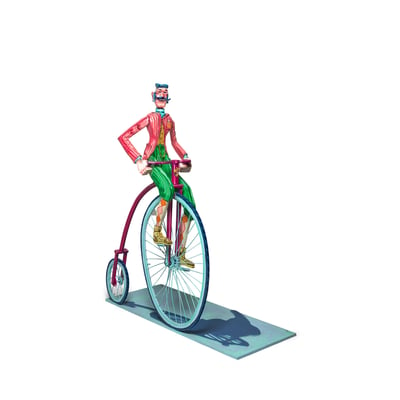
Red Grooms
Bicyclist, 1999
Sculpture / Object
Metal
Inquire For Price
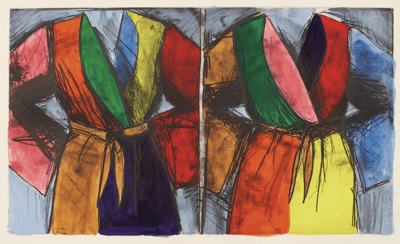
Jim Dine
Jumps Out at You, No?, 1993
Limited Edition Print
Etching
USD 14,000 - 16,000
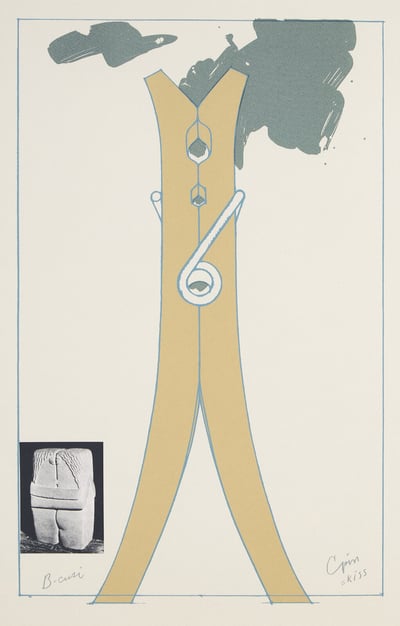
Claes Oldenburg
Proposal for a Colossal Structure in the Form of a Clothespin-Compared to Brancusi's Kiss, 1972
Limited Edition Print
Screen-print
Inquire For Price
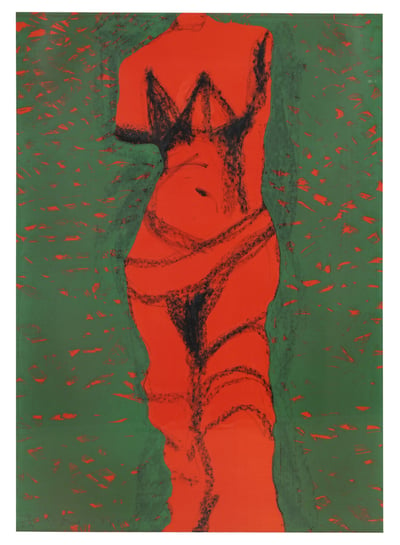
Jim Dine
Nine Views of Winter 2, 1985
Limited Edition Print
Woodcut
USD 5,000
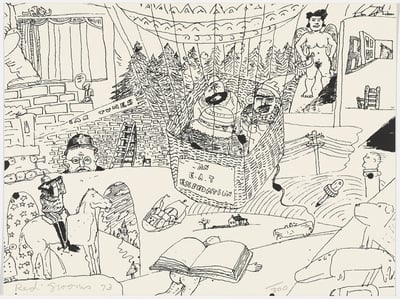
Red Grooms
Untitled from The New York Collection for Stockholm, 1973
Limited Edition Print
Screen-print
GBP 1,140
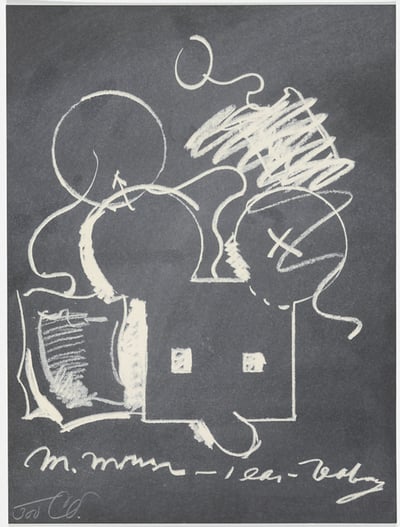
Claes Oldenburg
M.Mouse (with) 1 Ear (equals) Tea Bag Blackboard Version, 1973
Limited Edition Print
Mixed Media
GBP 2,220
Related Articles
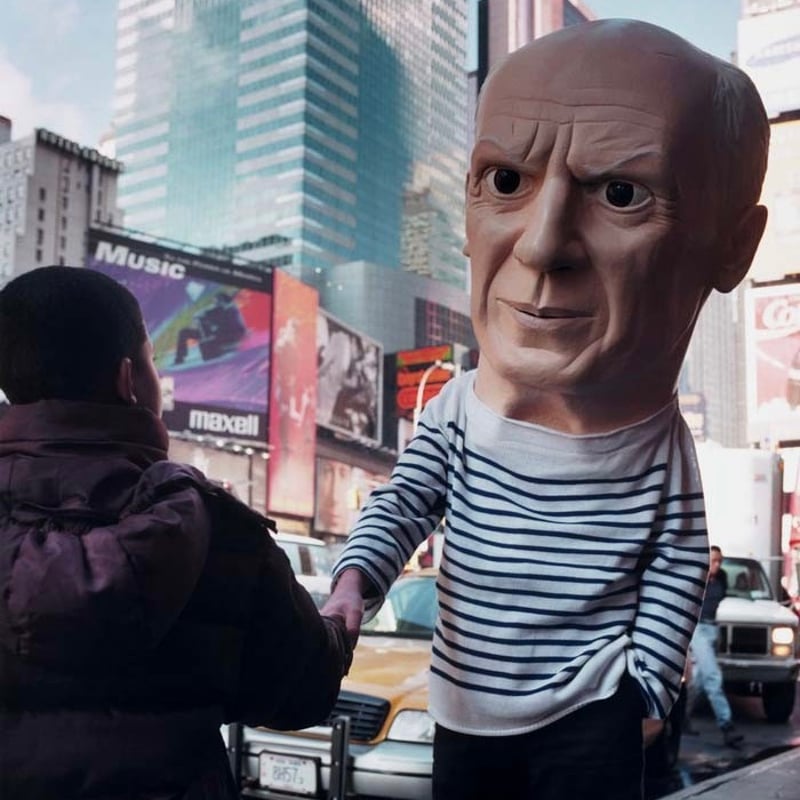
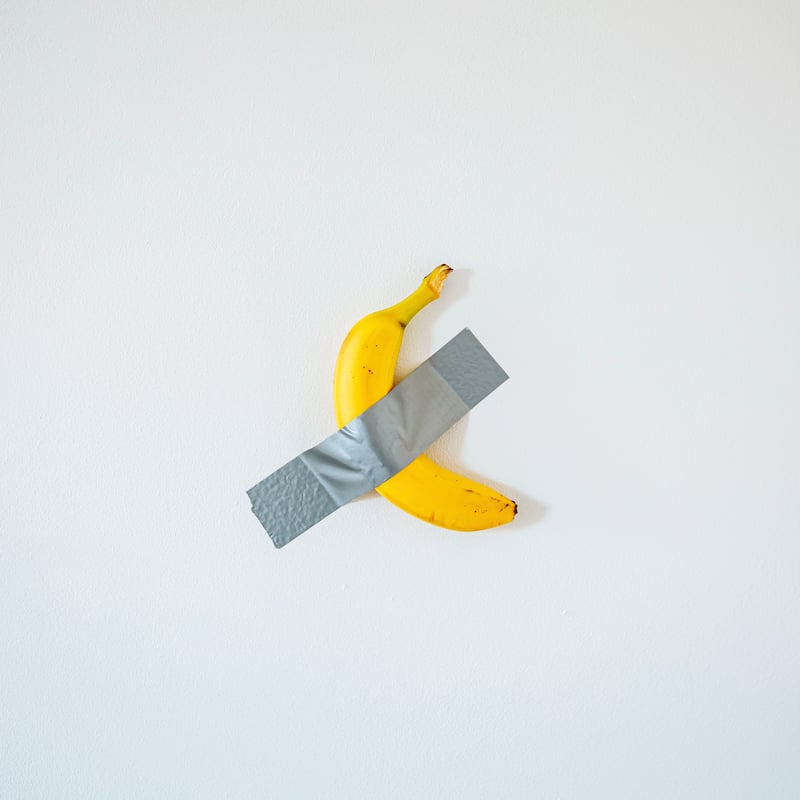
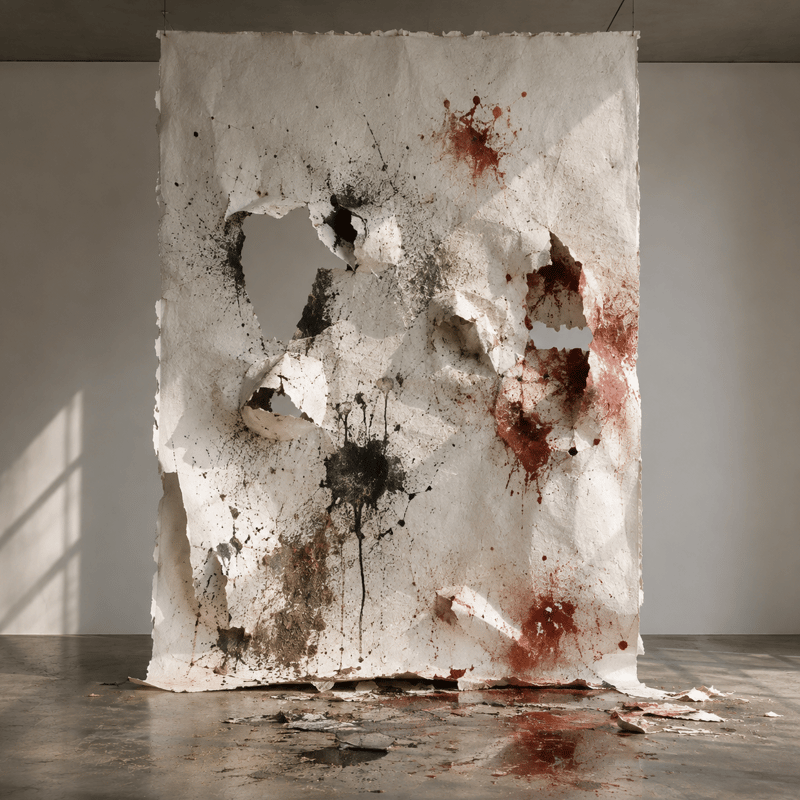
Gutai was a group of Japanese radical artists who formed the Gutai Art Association in 1954. The word Gutai translates to embodiment. The group was known for creating art on the spot for live audiences, often incorporating their own physical movements. Their performances included actions like throwing paint, piercing paper, and rolling in mud, emphasizing the direct interaction between the body and the material.

Site-Specific Art is a form of artwork created to exist in a particular location, with the artist considering the site as an integral part of the creative process. Robert Irwin was a key figure in promoting this art form in California. Site-Specific Art emerged as a reaction against modernist objects, which were often portable, commodified, and confined to museum spaces. In contrast, Site-Specific Art is inherently tied to its location, challenging the traditional notions of art as a transportable and marketable commodity.
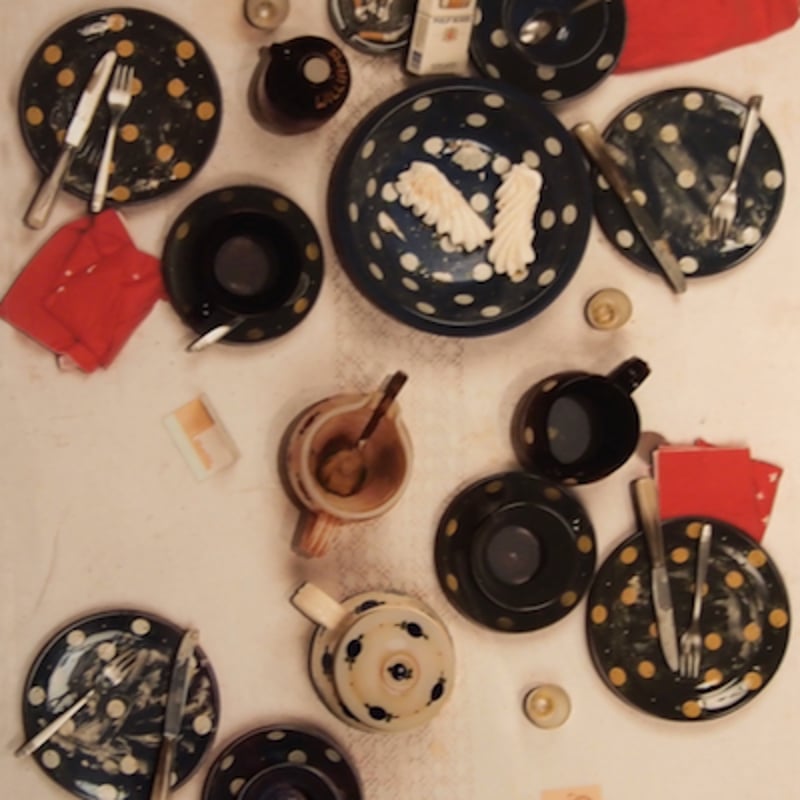
Nouveau Réalisme is an artistic movement founded in 1960 by art critic Pierre Restany and painter Yves Klein during a collective exhibition at a gallery in Milan. Restany wrote the original manifesto in April 1960, proclaiming the movement. In October of that year, nine artists, including Martial Raysse, Yves Klein, Daniel Spoerri, Jean Tinguely, Arman, Pierre Restany, and three Ultra-Lettrists—Jacques de la Villeglé, François Dufrêne, and Raymond Hains—signed the declaration. In 1961, the movement expanded to include Mimmo Rotella, Niki de Saint Phalle, Gérard Deschamps, and César. The movement emphasized a return to reality in art, often incorporating everyday objects and exploring the boundaries between art and life.
Can't find your Answer?
Thank you! Your question has been sent — we'll get back to you shortly.
