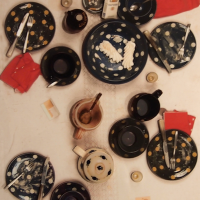
What is a photograph?
A photograph is an image captured with a camera. Traditionally, photographs were made by exposing film and then developing the image on light-sensitive paper using chemicals. Today, photographs can also be captured digitally and printed or displayed electronically. The process requires a camera, whether film or digital, and a photographer.
- Show All
- Established
- Discoveries
ARTWORKS RELATED TO PHOTOGRAPH

Vik Muniz
Portfolio, 2026
Photography
Photograph
USD 30,000

Francis Alys
Untitled (documenta 13), 2012
Photography
Photograph
EUR 590

Helmut Newton
Cyberwoman 3, 2000
Photography
Photograph
GBP 3,500 - 4,500

Javacheff Christo
Wrapped Monumento to Vittorio Emanuele, Piazza del Duomo, 1970
Limited Edition Print
Photograph
EUR 2,400

Javacheff Christo
Reichstag/Berlin Nacht, Wrapped, 1995
Limited Edition Print
Photograph
EUR 10,000

Javacheff Christo
The Pont Neuf Wrapped Reflecting Bridge PN-150, 1985
Limited Edition Print
Photograph
EUR 14,000

Damien Hirst
Blizzard H13-10 from Where The Land Meets The Sea, 2023
Limited Edition Print
Photograph
GBP 5,500 - 7,100

Damien Hirst
Colliding H13-9 from Where The Land Meets The Sea, 2023
Limited Edition Print
Photograph
GBP 7,500 - 9,700

Damien Hirst
Faneel H13-11 from Where The Land Meets The Sea, 2023
Limited Edition Print
Photograph
GBP 5,500 - 7,100
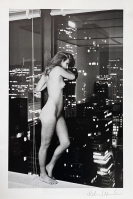
Helmut Newton
Patti Hansen over Manhattan 1977, 1978
Photography
Photograph
GBP 1,740
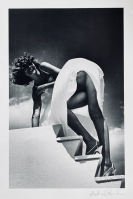
Helmut Newton
St Jean Cap Ferrat 1978, 1978
Photography
Photograph
GBP 3,000
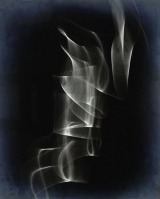
Thomas Ruff
Untitled #01, 2022/2023
Photography
Photograph
GBP 1,950
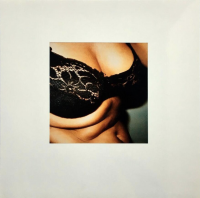
Tracey Emin
Self-Portrait - 12.11.2001, 2001
Photography
Photograph
Inquire For Price
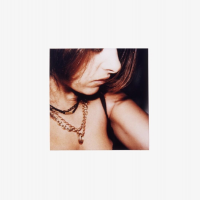
Tracey Emin
Self-Portrait - 12.11.2001, 2001
Photography
Photograph
Inquire For Price

Bert Stern
The Last Sitting. Marilyn in a Fur Hat, 1971/ 2001
Limited Edition Print
Photograph
USD 1,750

Ed Ruscha
GOD, 2010
Limited Edition Print
Photograph
EUR 6,000
Related Articles
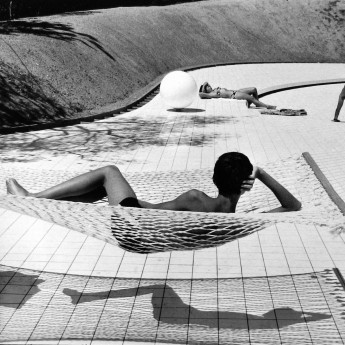
Art Movements - September 15, 2025
Documenting the Undocumented: Photography as Social Commentary
Explore how artists like Nan Goldin and Thomas Ruff use photography to challenge norms, reveal hidden truths, and reframe cultural narratives. Read More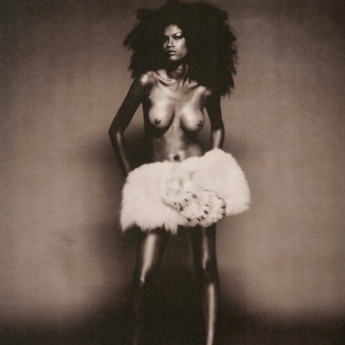

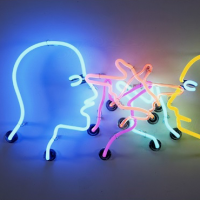
Process Art is an artistic movement and creative approach where the focus is on the act of creation rather than the final product. The term process in this context refers to the various stages of art-making, including gathering, sorting, associating, and organizing materials and actions. This movement emphasizes the artistic journey and the human expression involved in creating art, rather than the finished piece itself. Process Art is driven by inherent motivation, intentionality, and the rationale behind the actions, viewing the creative process as the true artwork.
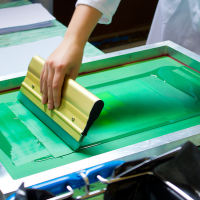
A limited edition print is one of a number of prints made at the same time from one printmaking plate. A fixed number are made and signed by the artist, indicating the printing order, using the format 1/10, meaning first of ten prints.