
United States
The contemporary art scene in the United States is a dynamic fusion of diverse traditions and avant-garde explorations, resonating across the global art spectrum. Institutions like the Museum of Modern Art in New York and the Los Angeles County Museum of Art are central to this discourse, spotlighting artists from different backgrounds and mediums. Notable figures such as Jeff Koons, known for his monumental public sculptures, and Kara Walker, recognized for her poignant silhouettes and murals, contribute to the vibrant US artistic landscape. Major events like Art Basel Miami further underline the country's role as a nexus of contemporary art. Dive into the robust and compelling art scene of the United States on Composition Gallery's website.
- Show All
- Established
- Discoveries
- Show All
Artworks Related to United States
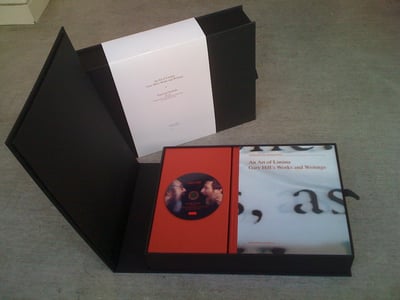
Gary Hill
Figuring Grounds, 1985
Digital Art
Video art
EUR 900
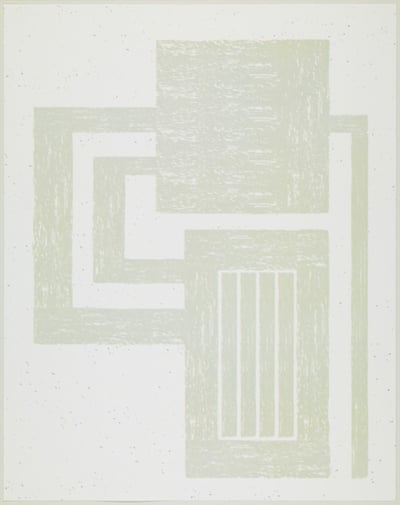
Peter Halley
Stack, 2015
Limited Edition Print
Mixed Media
EUR 3,500
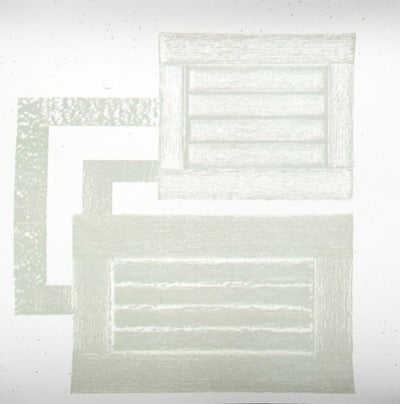
Peter Halley
Pure-Play, 2015
Limited Edition Print
Mixed Media
EUR 3,500
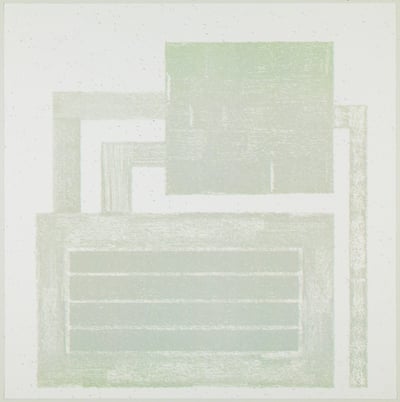
Peter Halley
Stop Word, 2015
Limited Edition Print
Mixed Media
EUR 3,500
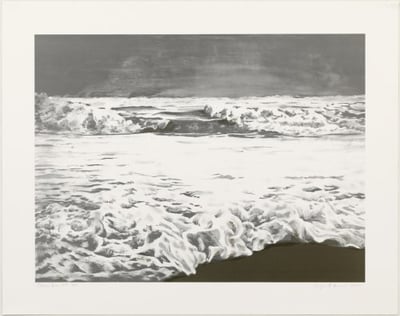
April Gornik
Storm sea, 2011
Limited Edition Print
Lithograph
Currently Not Available
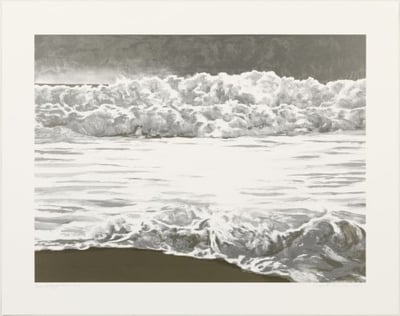
April Gornik
Sea edge, 2011
Limited Edition Print
Lithograph
Currently Not Available
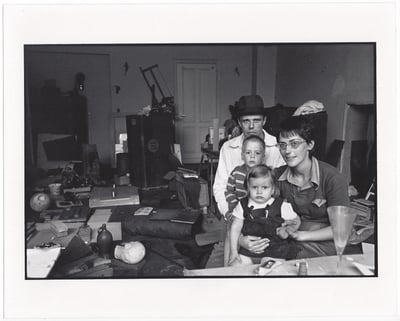
Leonard Freed
Joseph Beuys and his Family in his Home in Oberkassel, 1965
Photography
Gelatin Silver Print
USD 3,500
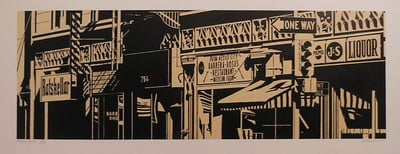
Robert Cottingham
Barrera-Rosa's, 1986
Limited Edition Print
Linocut
Currently Not Available
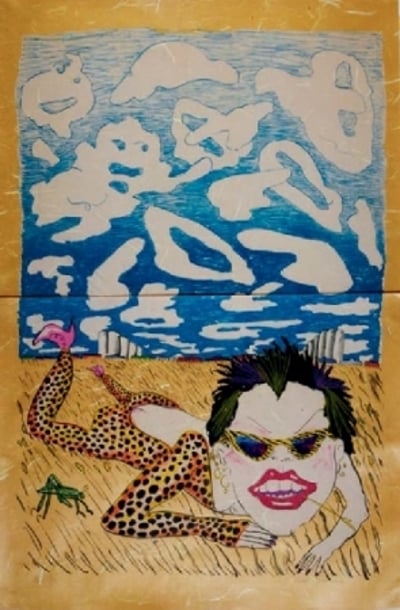
Red Grooms
Lorna Doone, 1979
Limited Edition Print
Lithograph
USD 1,200
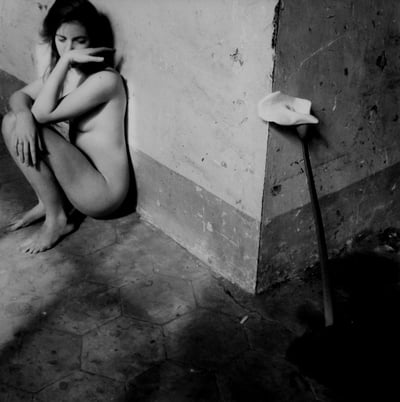
Francesca Woodman
Self portrait with flower, 1977-1978
Photography
Photograph
Currently Not Available
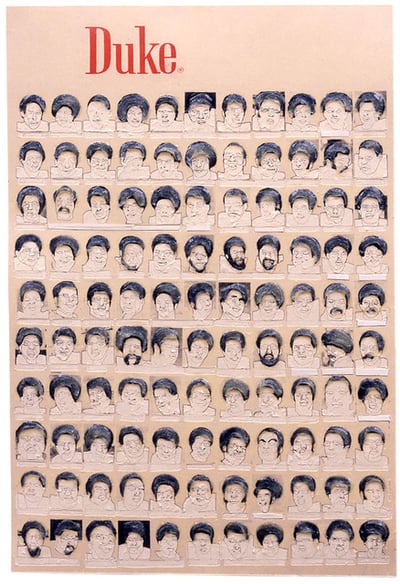
Ellen Gallagher
Duke, 2004
Photography
Photogravure
Currently Not Available

Man Ray
Noire et Blanche, 1933/85
Limited Edition Print
Mixed Media
Currently Not Available
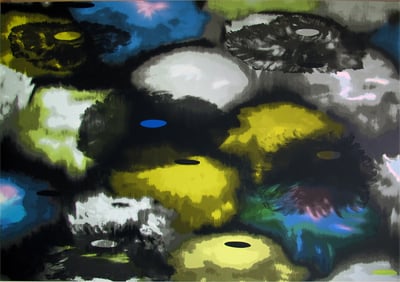
Ross Bleckner
Dream and Do I, 1997
Limited Edition Print
Screen-print
USD 3,400
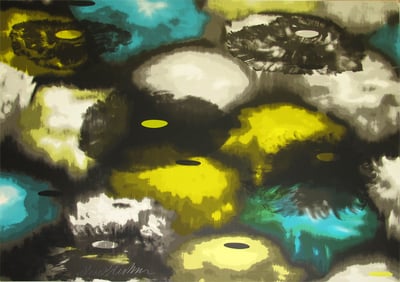
Ross Bleckner
Dream and Do II, 1997
Limited Edition Print
Screen-print
USD 3,400
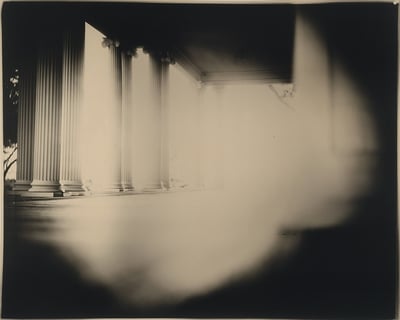
Sally Mann
Untitled (White Columns), 1998
Limited Edition Print
Lithograph
Currently Not Available
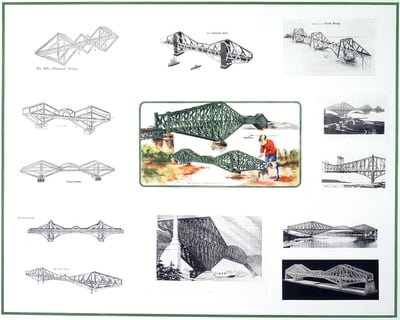
Chris Burden
Cantilever Bridges, 2000
Limited Edition Print
Aquatint
Currently Not Available
Related Articles
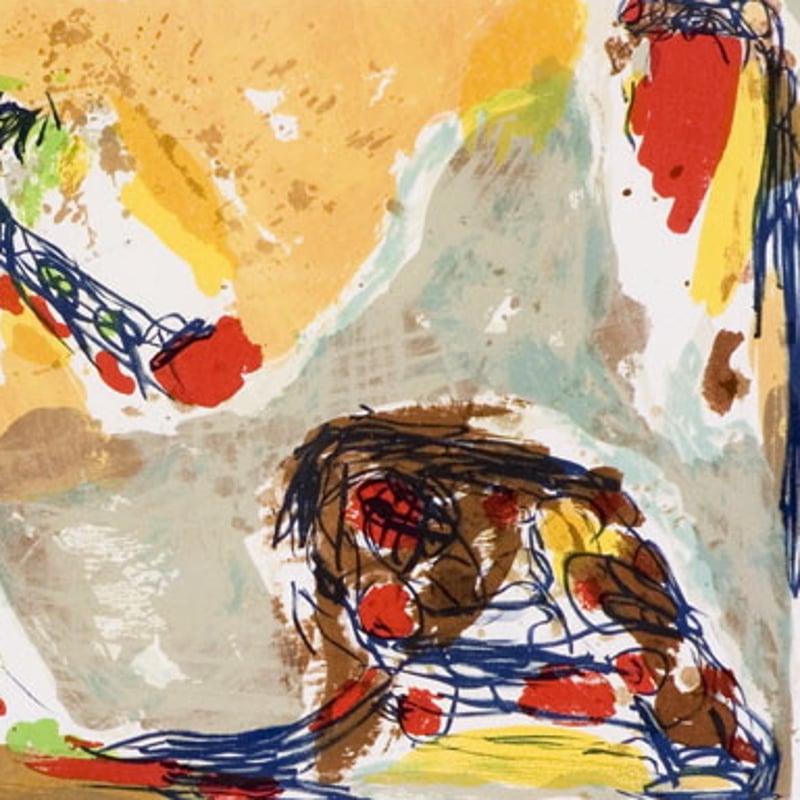
Situationism is a psychological theory that gained prominence in 1968, following the publication of a monograph by Walter Mischel that sparked the Person-situation debate. This theory argues that behavior is primarily influenced by external situational factors rather than internal traits or motivations, challenging the ideas of trait theorists like Raymond B. Cattell and Hans Eysenck, who emphasized stable personality traits. It is important not to confuse this with the Situationist International movement, an artistic and political movement founded by Asger Jorn, which focused on the critique of modern consumer society and the influence of environments on human behavior.

A replica is a copy of an artwork that is so precisely made that it is nearly indistinguishable from the original. Artists may create replicas of their own work, or replicas can be produced for educational purposes, preservation, or display when the original cannot be shown. While replicas aim to closely mimic the original, they are usually identified as reproductions rather than original works.

Acrylic sculpture refers to both a process and the resulting object. The artist begins by creating a sculpture from clay, plaster, or epoxy, which is then used to make a flexible mold. Melted acrylic is poured into the mold, and once it cures, the acrylic piece is hand-finished through sanding and polishing. Acrylic sculptures are valued for their clarity, durability, and ability to achieve intricate details.
Can't find your Answer?
Thank you! Your question has been sent — we'll get back to you shortly.
