
United States
The contemporary art scene in the United States is a dynamic fusion of diverse traditions and avant-garde explorations, resonating across the global art spectrum. Institutions like the Museum of Modern Art in New York and the Los Angeles County Museum of Art are central to this discourse, spotlighting artists from different backgrounds and mediums. Notable figures such as Jeff Koons, known for his monumental public sculptures, and Kara Walker, recognized for her poignant silhouettes and murals, contribute to the vibrant US artistic landscape. Major events like Art Basel Miami further underline the country's role as a nexus of contemporary art. Dive into the robust and compelling art scene of the United States on Composition Gallery's website.
- Show All
- Established
- Discoveries
- Show All
Artworks Related to United States
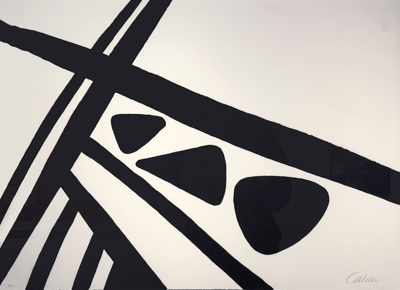
Alexander Calder
Iron Frame / Charpente de fer, 1969
Limited Edition Print
Lithograph
USD 6,900
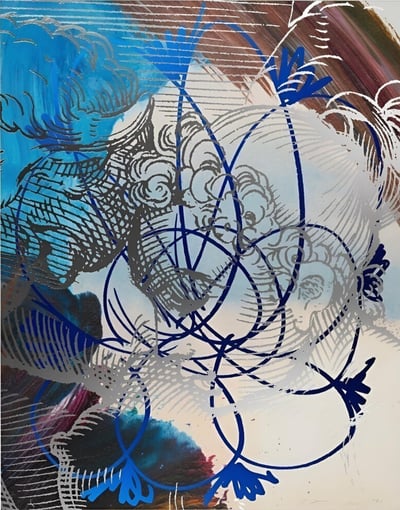
Jeff Koons
Carracci Flower, 2021
Limited Edition Print
Pigment print
GBP 14,000 - 16,000
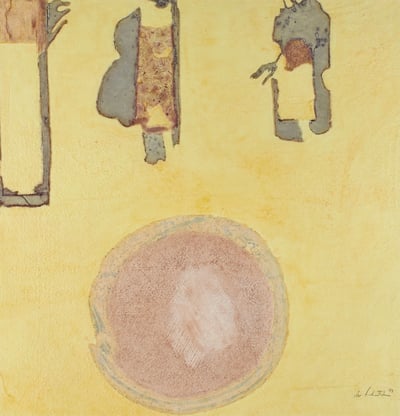
Helen Frankenthaler
Sirocco, 1989
Limited Edition Print
Mixed Media
GBP 13,000
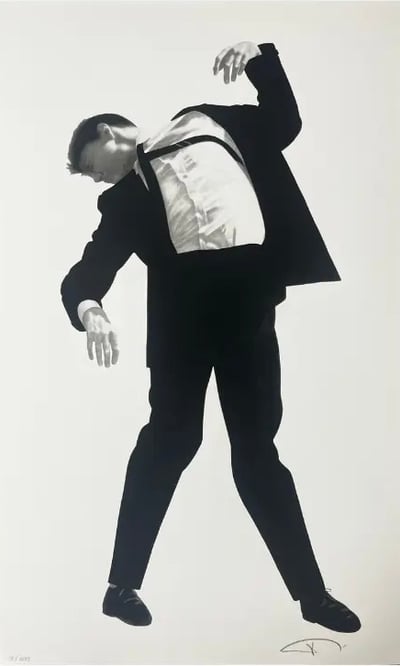
Robert Longo
Untitled (Eric, from Men in the Cities), 2025
Limited Edition Print
Silkscreen
EUR 3,000
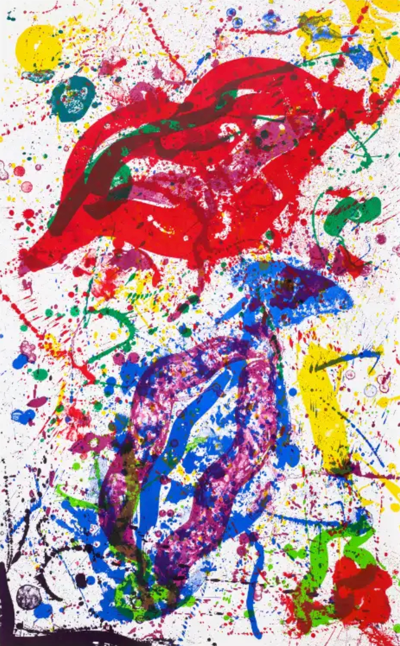
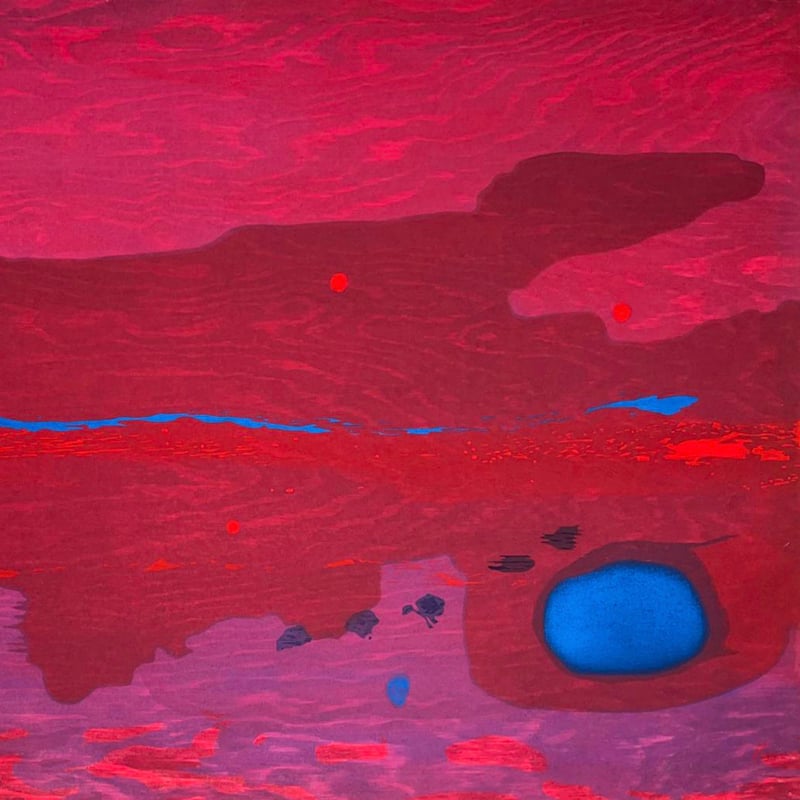
Sam Francis
Untitled (SF-329) (L. L278), 1988
Limited Edition Print
Lithograph
EUR 7,500 - 10,000
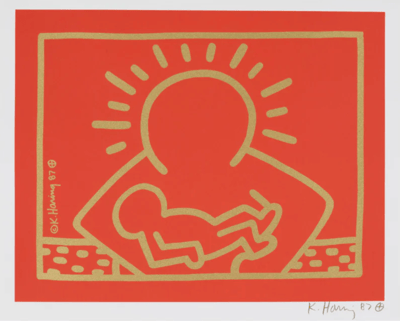
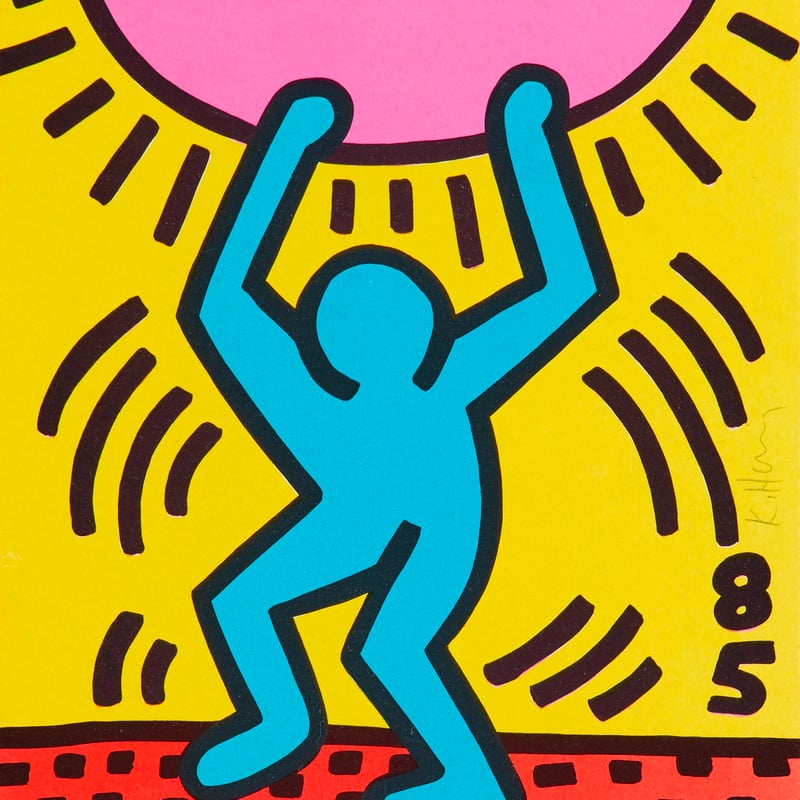
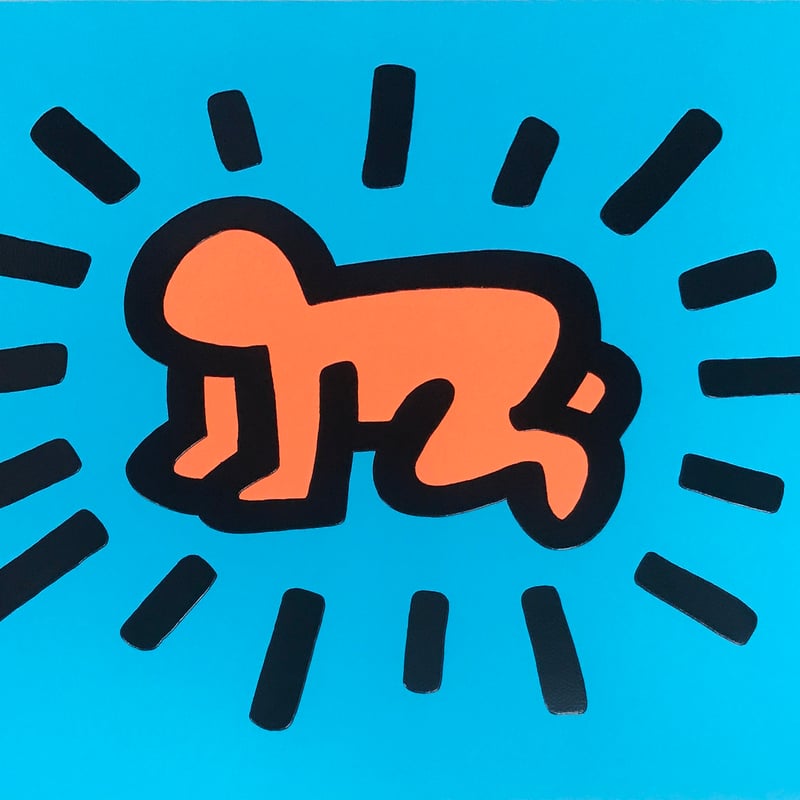
Keith Haring
A Very Special Christmas, 1987
Limited Edition Print
Screen-print
EUR 15,000 - 18,000
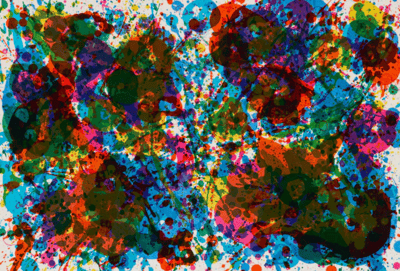
Sam Francis
Untitled (from the Fresh Air School portfolio), 1972
Limited Edition Print
Lithograph
EUR 1,850
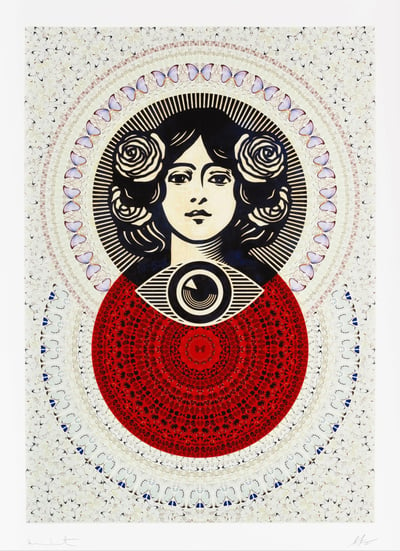
Shepard Fairey
Third Eye Butterfly Mandala (Cream) (Small), 2026
Limited Edition Print
Giclée printing
EUR 5,500 - 7,000
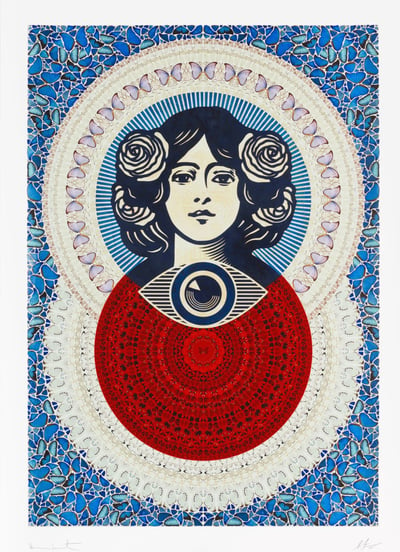
Shepard Fairey
Third Eye Butterfly Mandala (Blue) Small, 2026
Limited Edition Print
Giclée printing
EUR 5,500 - 7,000
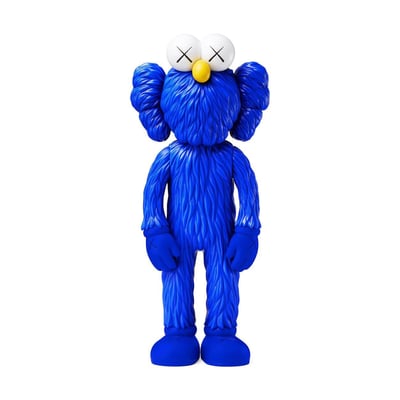
KAWS
BFF Blue (MoMA Exclusive), 2017
Sculpture / Object
Mixed Media
EUR 1,350
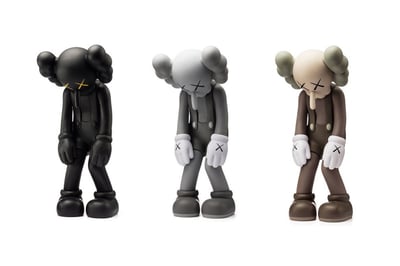
KAWS
Small Lies, 2017
Sculpture / Object
Mixed Media
EUR 2,400
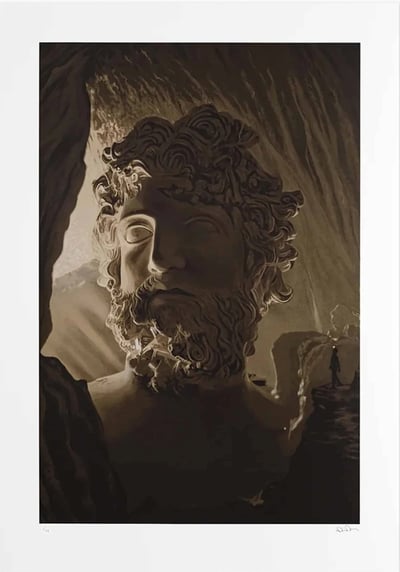
Daniel Arsham
Tropical Cave of Zeus, 2021
Limited Edition Print
Mixed Media
GBP 5,500 - 7,100
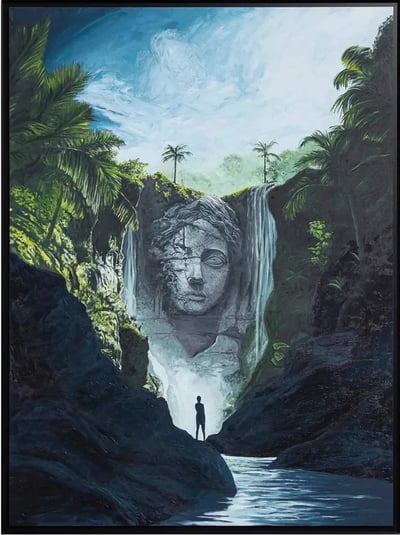
Daniel Arsham
Memory Waterfall, 2025
Limited Edition Print
Digital Print on paper
GBP 3,500 - 4,500
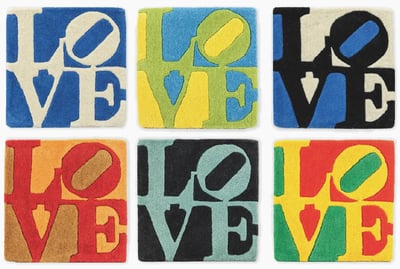
Robert Indiana
Collection of 6 Hand-Woven Love Tapestries, 2006
Tapestry
Mixed Media
GBP 3,360
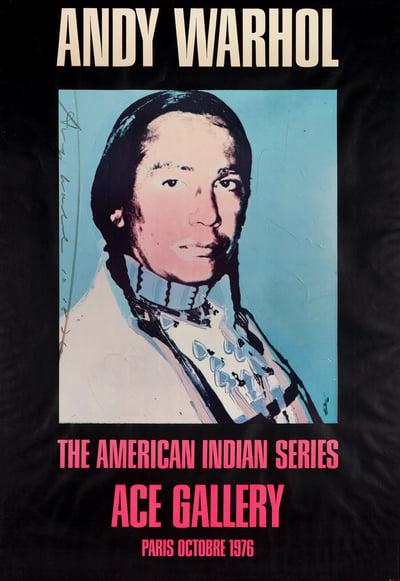
Andy Warhol
American Indian (Black), 1976
Limited Edition Print
Offset Print
USD 2,400
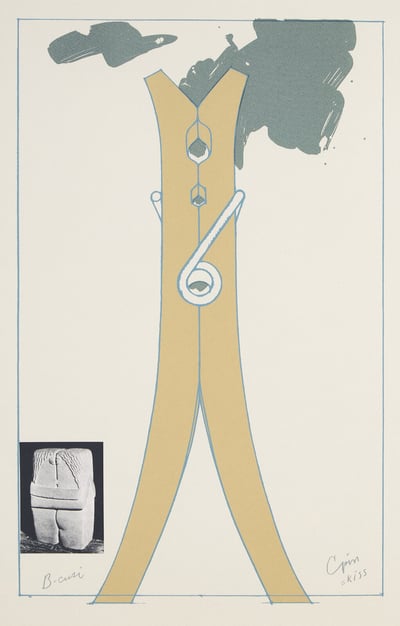
Claes Oldenburg
Proposal for a Colossal Structure in the Form of a Clothespin-Compared to Brancusi's Kiss, 1972
Limited Edition Print
Screen-print
Inquire For Price
Related Articles

Derived from the Latin word meaning flow, Fluxus is an international movement of designers, composers, and artists known for blending various artistic disciplines and media during the 1960s. The movement remains active in visual art, performance, design, architecture, urban planning, and other creative fields. Fluxus is sometimes referred to as nter-media and continues to play a pivotal role in expanding the definitions of what art can be.
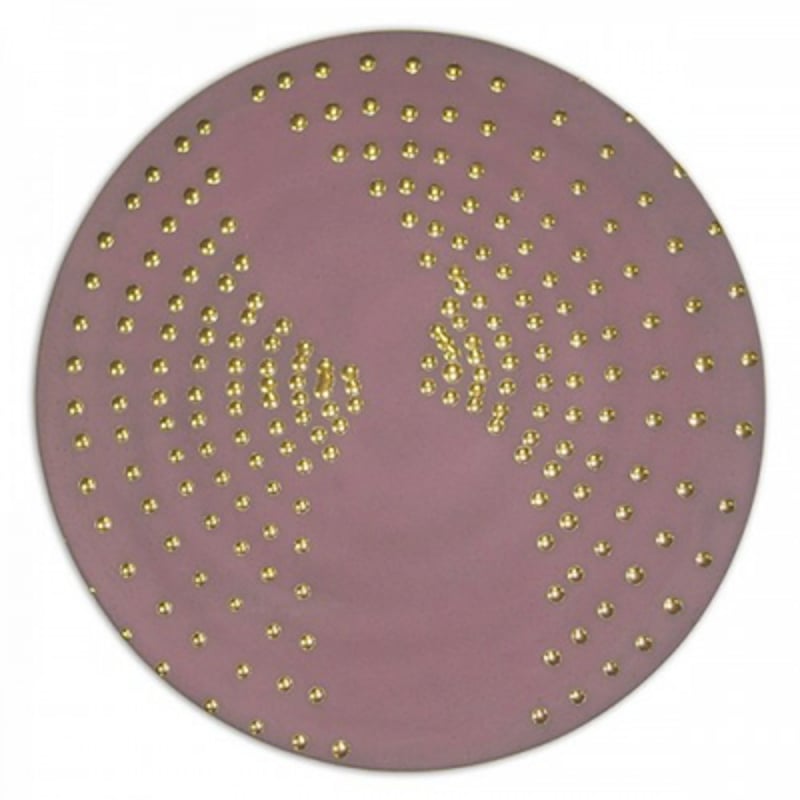
ZERO was an art movement founded by Otto Piene and Heinz Mack, aiming to develop into a large international and cross-border movement. The name ZERO originated from a magazine founded by Heinz Mack in 1957, which became a platform for the group's ideas. The magazine was published for several years before ceasing in 1967. The ZERO movement sought to create a new beginning in art, emphasizing light, space, and movement, and became influential in post-war European art.

A print proof refers to any test impressions made from a printing plate or block to check the image quality before the final print is completed. These proofs are used as quality checks to ensure that the details and alignment are correct. Different types of proofs, such as artist's proofs or trial proofs, serve specific purposes during the printmaking process.
Can't find your Answer?
Thank you! Your question has been sent — we'll get back to you shortly.
