
What is Process Art?
- Show All
- Established
- Discoveries
- Show All
Artworks Related to Process Art
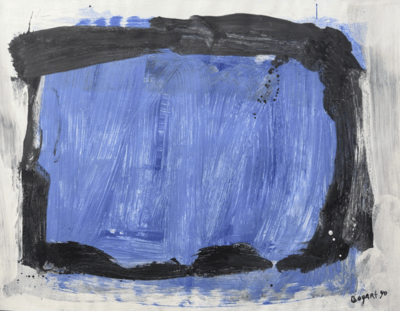
Bram Bogart
Composition abstraite, 1990
Drawing / Watercolor
Gouache
EUR 5,850
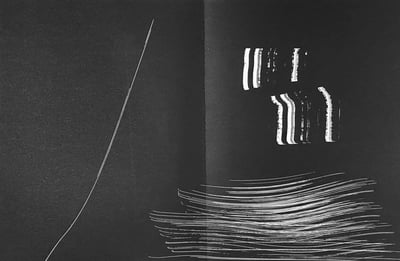
Hans Hartung
Lithograph X from Farandole, 1971
Limited Edition Print
Lithograph
USD 1,280
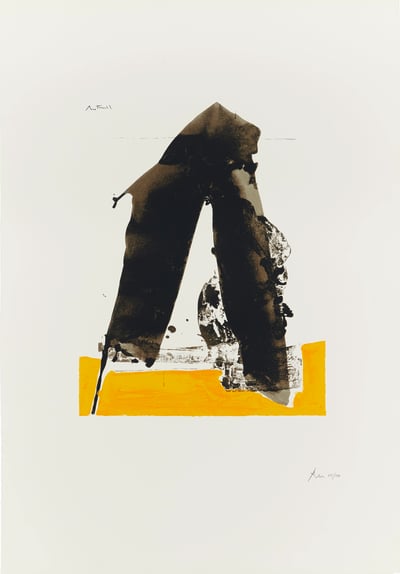
Robert Motherwell
Untitled 10 from The Basque Suite, 1970-71
Limited Edition Print
Screen-print
USD 2,650
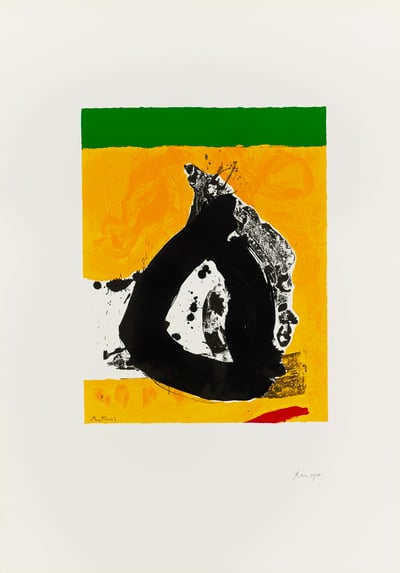
Robert Motherwell
Untitled 9 from The Basque Suite, 1970-71
Limited Edition Print
Screen-print
USD 2,650
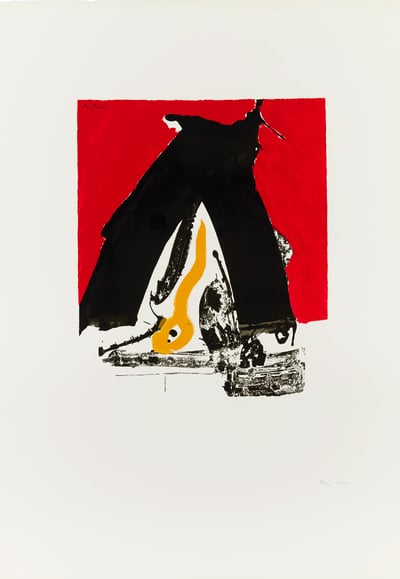
Robert Motherwell
Untitled 8 from The Basque Suite, 1970-71
Limited Edition Print
Screen-print
USD 2,650
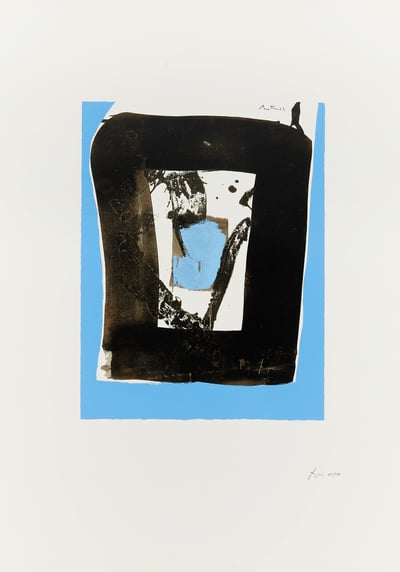
Robert Motherwell
Untitled 7 from The Basque Suite, 1970-71
Limited Edition Print
Screen-print
USD 2,650
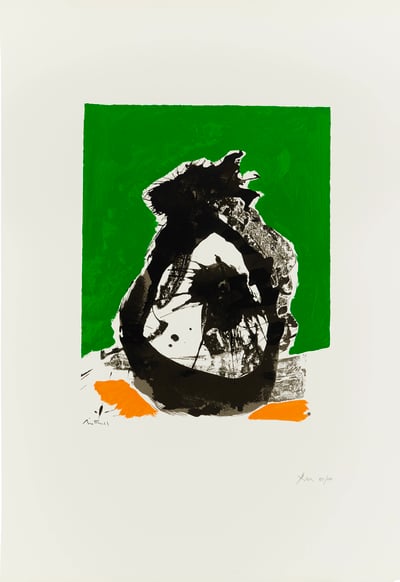
Robert Motherwell
Untitled 6 from The Basque Suite, 1970-71
Limited Edition Print
Screen-print
USD 2,650
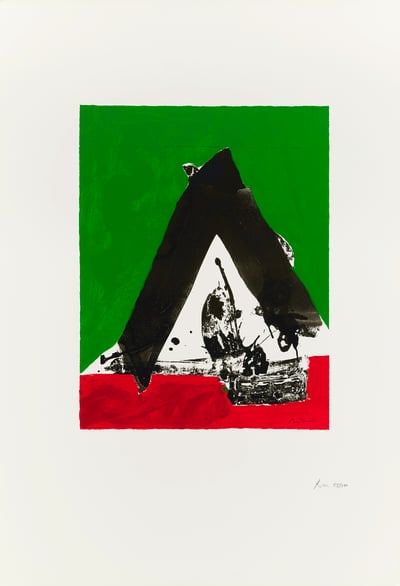
Robert Motherwell
Untitled 5 from The Basque Suite, 1970-71
Limited Edition Print
Screen-print
USD 2,650
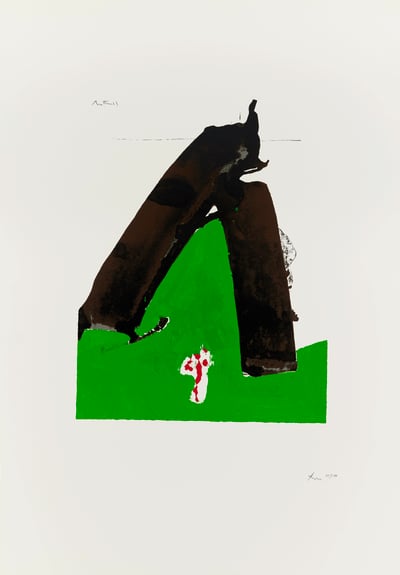
Robert Motherwell
Untitled 4 from The Basque Suite, 1970-71
Limited Edition Print
Screen-print
USD 2,650
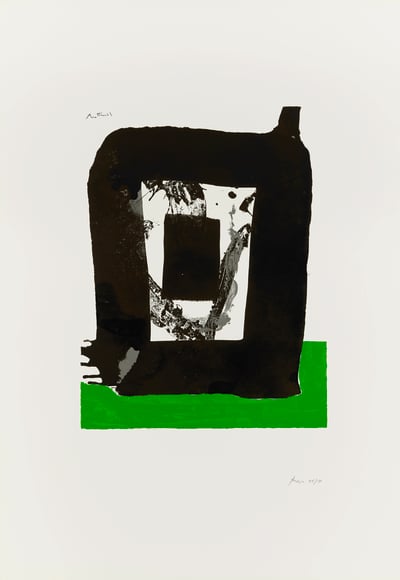
Robert Motherwell
Untitled 3 from The Basque Suite, 1970-71
Limited Edition Print
Screen-print
USD 2,650
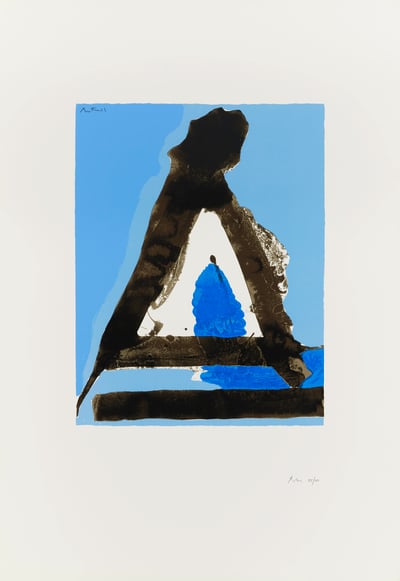
Robert Motherwell
Untitled 2 from The Basque Suite, 1970-71
Limited Edition Print
Screen-print
USD 2,650
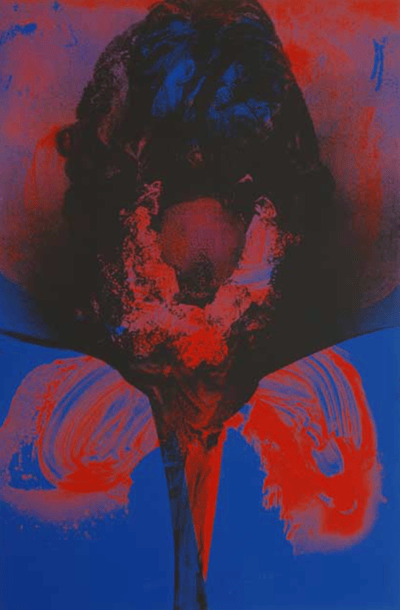
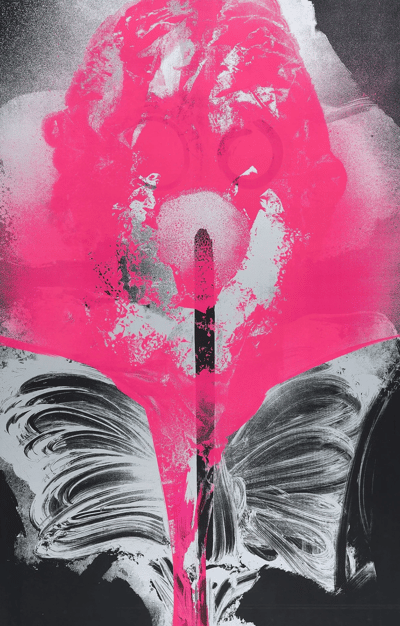
Otto Piene
Addis Abeba X, 1972
Limited Edition Print
Screen-print
EUR 3,400
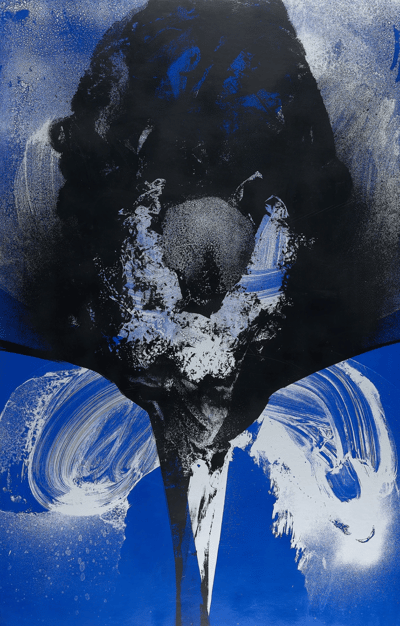
Otto Piene
Addis Abeba V, 1972
Limited Edition Print
Screen-print
EUR 3,300
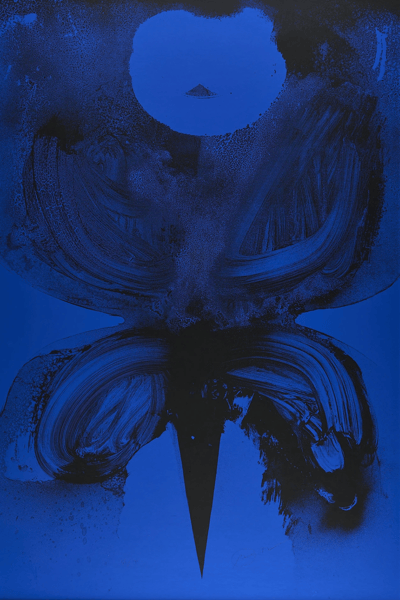
Otto Piene
Addis Abeba VI, 1972
Limited Edition Print
Screen-print
EUR 3,100
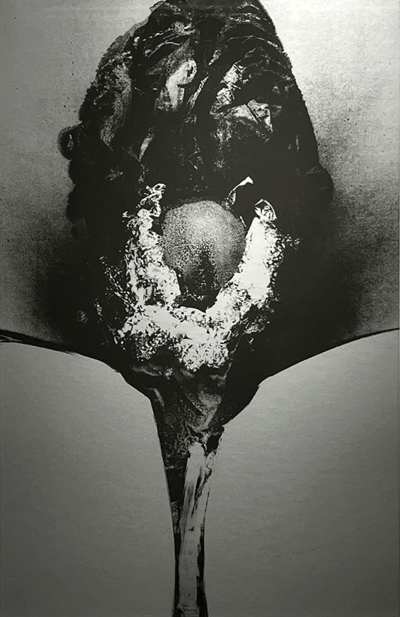
Otto Piene
Addis Abeba IX, 1972
Limited Edition Print
Screen-print
EUR 2,800
Otto Piene
Addis Abeba II, 1972
Limited Edition Print
Screen-print
EUR 2,800
Related Articles
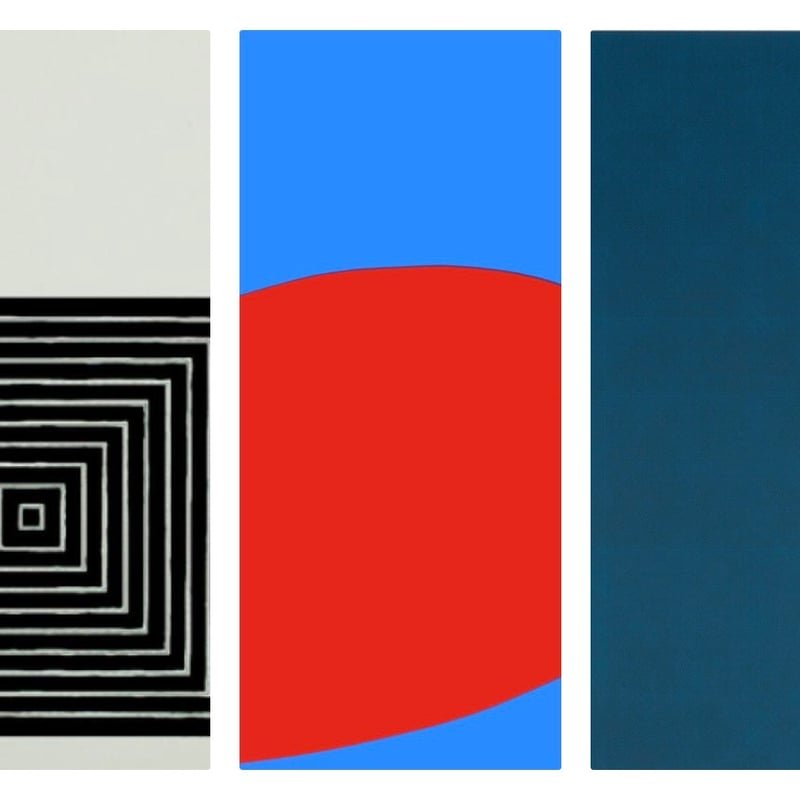

Pastel is an art medium in stick form made from powdered pigment and a binder. The pigments used in pastels are the same as those in other colored art media. The color effect of pastels closely resembles that of dry pigments, more so than any other medium. Artworks created with pastels are called pastel paintings, pastel drawings, or simply pastels. The term pastel can also refer to the process of creating art using pastel sticks.
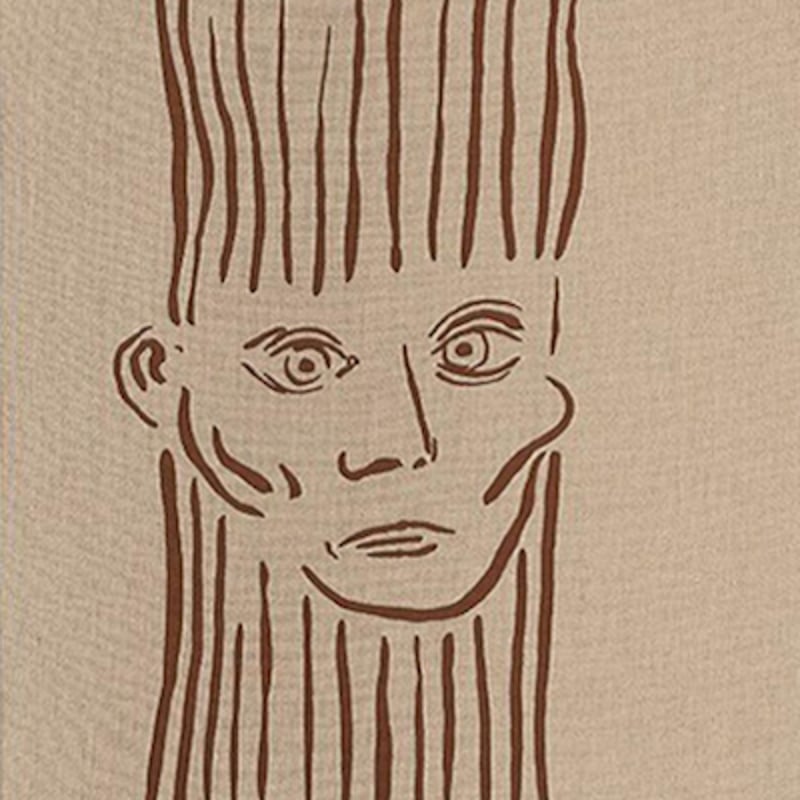
Figuration Libre is an art movement that is equivalent to the French Bad Painting and Neo-Expressionism in Europe and America. The term was coined by Ben Vautier and the Fluxus movement. In 1981, Robert Combas, François Boisrond, Hervé Di Rosa, and Rémi Blanchard formed the Figuration Libre group. The term can be interpreted as free style art, emphasizing spontaneity, freedom, and a rejection of traditional artistic conventions.

Woodblock printing is a technique that uses a carved wooden surface to create an image on materials such as paper or cloth. Ink or paint is applied thinly to the carved surface, which is then pressed against the material to transfer the image. This method has been historically significant in various cultures for producing prints and textiles.
Can't find your Answer?
Thank you! Your question has been sent — we'll get back to you shortly.
