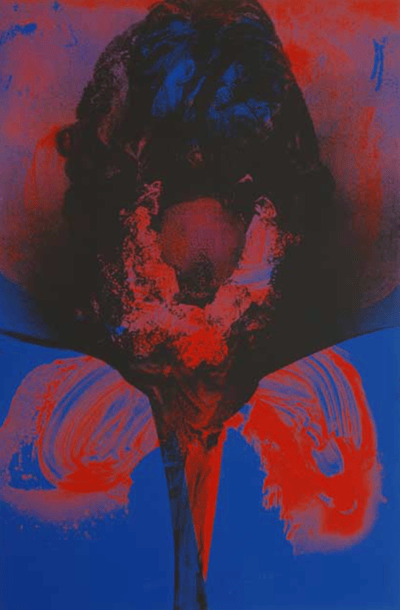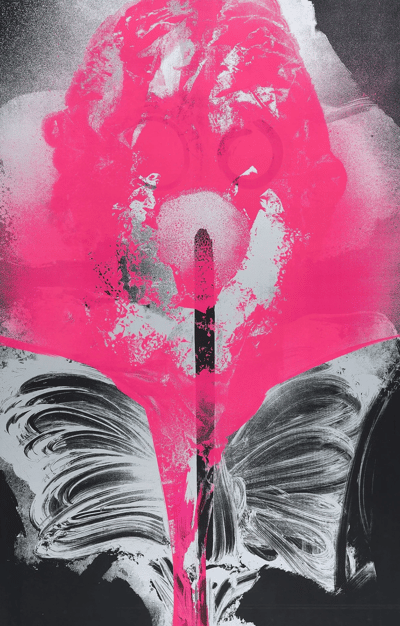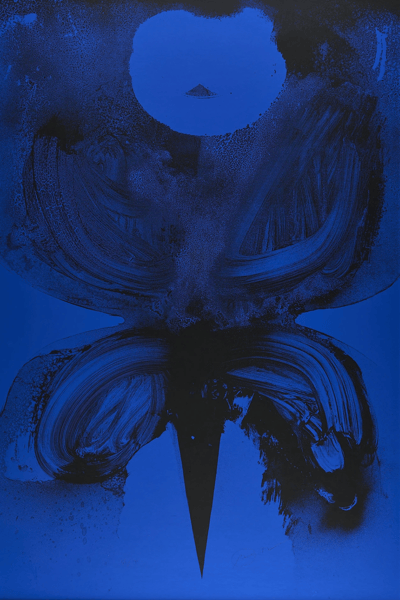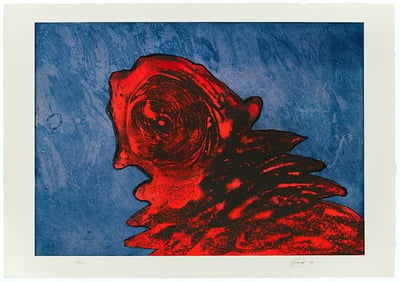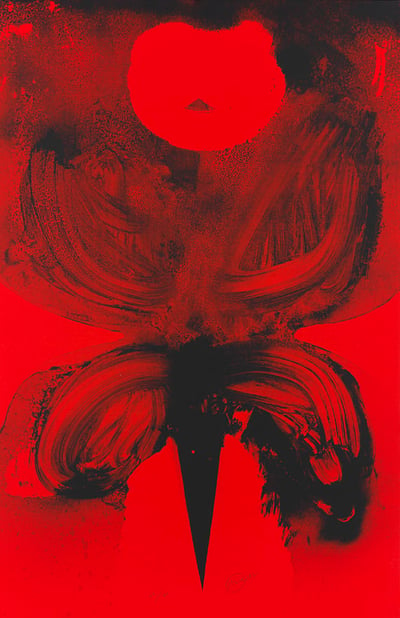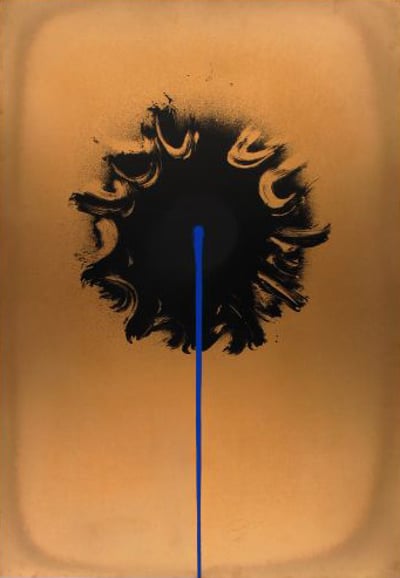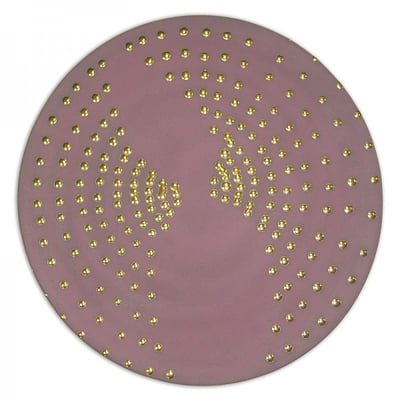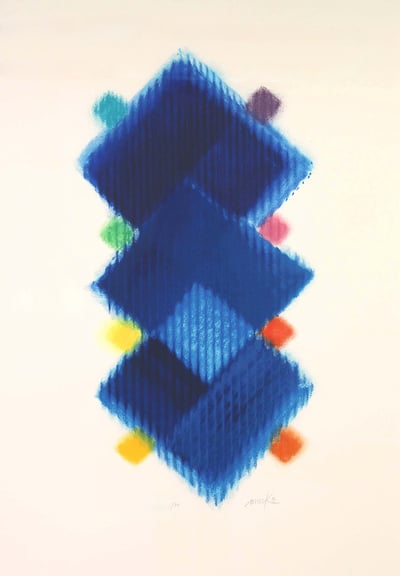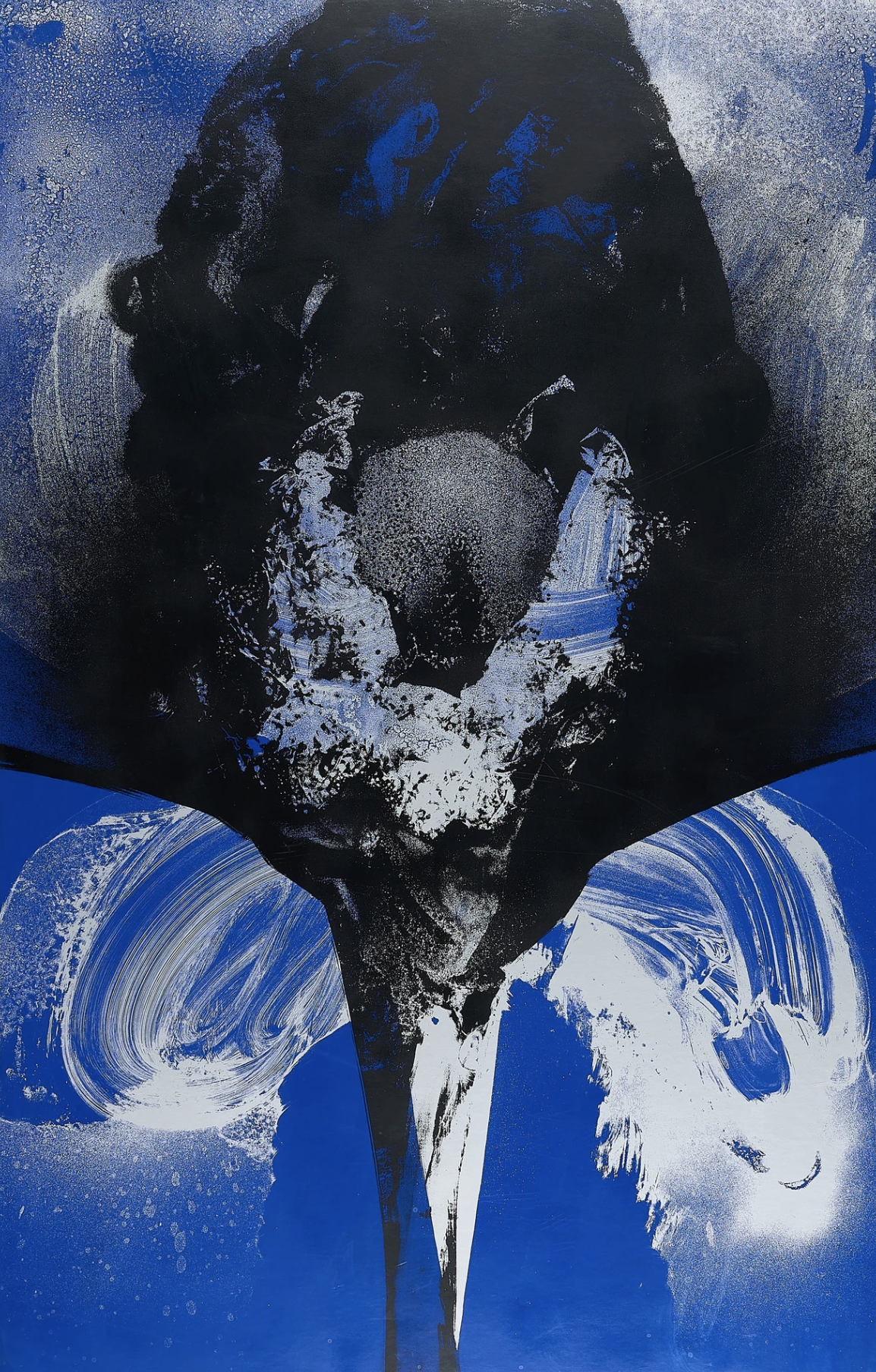
Color screen print, signed by the artist. - Printed by Siebdrucktechnik, Essen. - Published by Edition Merian, Krefeld. Literature: Galerie Rottluff (ed.): Otto Piene - Werkverzeichnis der Druckgrafik 1960-76, Karlsruhe 1977, cat. rais. no. 149-158.
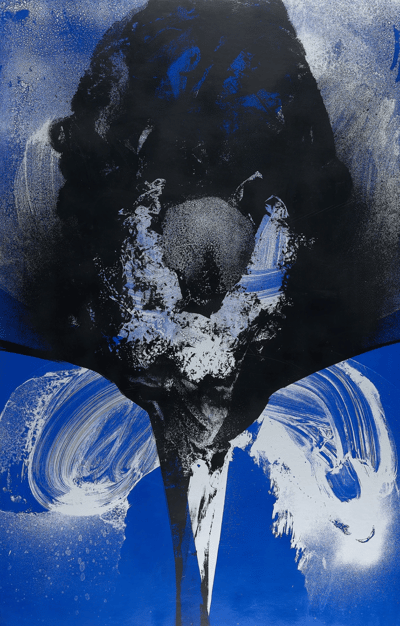
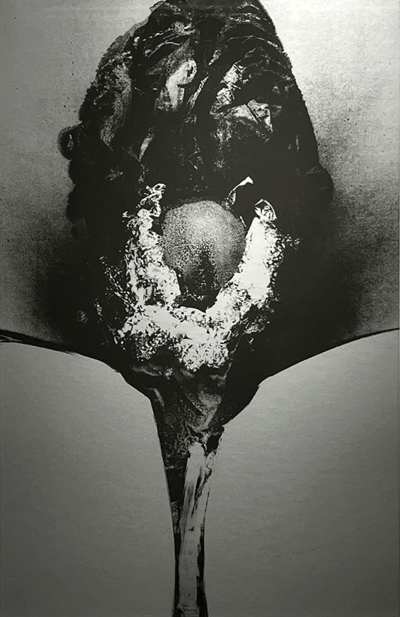
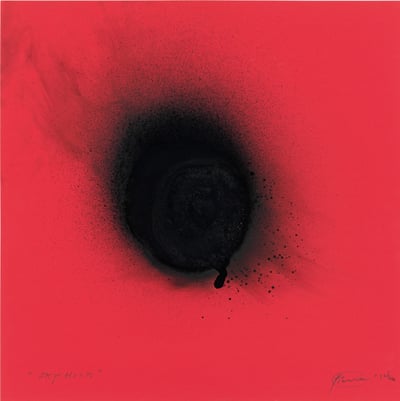
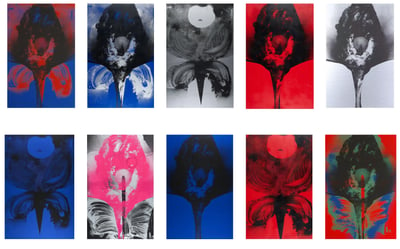
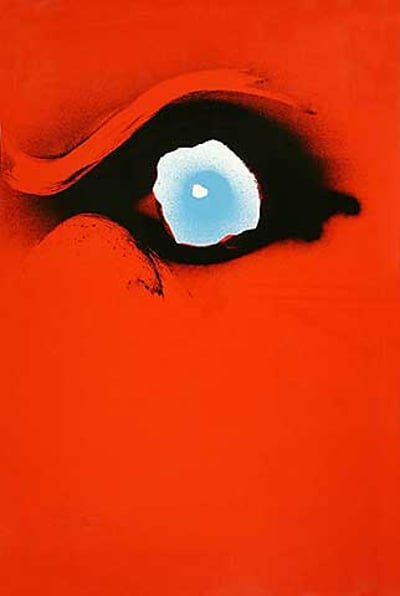
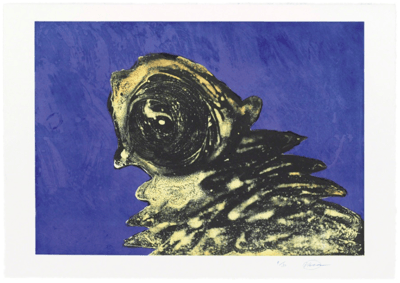
Addis Abeba VI plunges into brilliant cobalt blue, where a dense black mass crowns the composition around a softly stippled, glowing grey core. Below, broad white brushstrokes sweep outward in symmetrical wings, luminous against the saturated blue ground. Cooler and more nocturnal than its red and pink companions, the plate evokes a celestial bloom or burst of light in deep space. A signed 1972 screenprint by ZERO co-founder Otto Piene, printed by Siebdrucktechnik, Essen, it distils his lifelong fascination with light, energy and the cosmos into pure chromatic drama.
Otto Piene (Germany, 1928–2014) was a pioneering artist and co-founder of the ZERO movement, known for his innovative light and fire art. His works explored immateriality and energy, incorporating mediums like smoke, fire, and projections. Iconic pieces such as Light Ballet reflect his fascination with light as a transformative force in art.
Screen-printScreen printing is a technique where ink is transferred through a mesh onto a substrate, with areas blocked by a stencil to prevent ink from passing through. This method, also known as serigraphy or silkscreen printing, is commonly used to produce prints on posters, T-shirts, vinyl, stickers, wood, and other materials. The process is a type of stencil printing, allowing for vibrant, detailed designs on various surfaces.
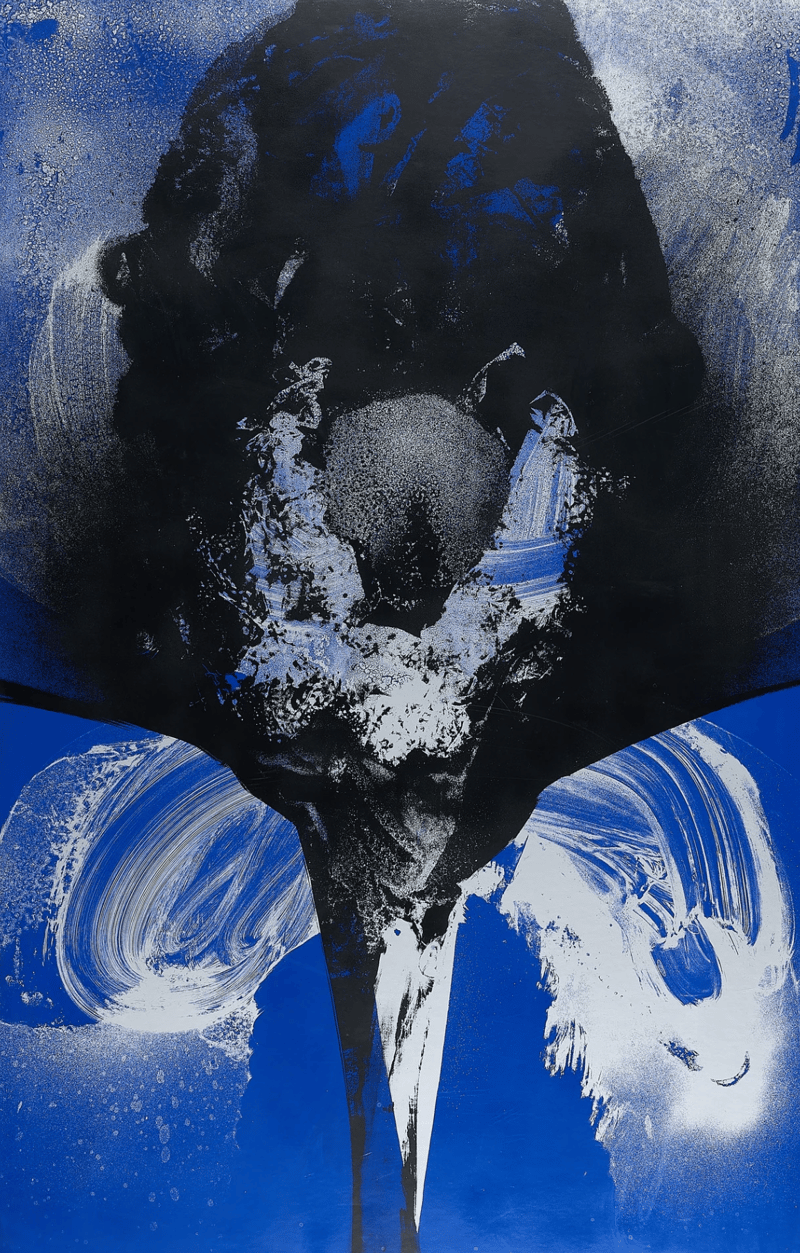
Color screen print, signed by the artist. - Printed by Siebdrucktechnik, Essen. - Published by Edition Merian, Krefeld. Literature: Galerie Rottluff (ed.): Otto Piene - Werkverzeichnis der Druckgrafik 1960-76, Karlsruhe 1977, cat. rais. no. 149-158.
Addis Abeba VI plunges into brilliant cobalt blue, where a dense black mass crowns the composition around a softly stippled, glowing grey core. Below, broad white brushstrokes sweep outward in symmetrical wings, luminous against the saturated blue ground. Cooler and more nocturnal than its red and pink companions, the plate evokes a celestial bloom or burst of light in deep space. A signed 1972 screenprint by ZERO co-founder Otto Piene, printed by Siebdrucktechnik, Essen, it distils his lifelong fascination with light, energy and the cosmos into pure chromatic drama.
Otto Piene (Germany, 1928–2014) was a pioneering artist and co-founder of the ZERO movement, known for his innovative light and fire art. His works explored immateriality and energy, incorporating mediums like smoke, fire, and projections. Iconic pieces such as Light Ballet reflect his fascination with light as a transformative force in art.
Light is my medium. Previously, paintings and sculptures seemed to glow. Now they do.
- Otto Piene
Otto Piene is a German artist who studied art at both the Kunstakademie Düsseldorf and the Academy of Art in Munich. He also studied philosophy at the University of Cologne and worked as a fashion lecturer for several years at the Fashion Institute in Düsseldorf. Otto Piene founded with Heinz Mack the group Zero, where later Gunther Uecker joined. He created his own unusual techniques to achieve stunning visual results. One of Otto Piene’s favorite techniques was to use stencil paintings on grids. In one series of paintings, he used the light from torches projected through the grids. In another, Otto Piene used different sources of fire, such as gas burners or candles, to add smoke to his work. Otto Piene did not limit his work to using only these techniques. Some of his pieces involved printing and he even experimented with both industrial design and kinetic sculpture performance. He designed a statue in the form of a mining lamp in 1999. The statue, called Das Geleucht, was on display in Germany until 2007.
Environmental art is a collective term that refers to a wide range of artistic practices and works that engage with historical and ecological themes. The term often encompasses ecological concerns, although it is not exclusively defined by them. Environmental art acknowledges and appreciates the early history of the environmental art movement, including works with activist themes and those celebrating the connection between nature and the artist through the use of natural materials.