What is minimalism?
- Show All
- Established
- Discoveries
- Show All
Artworks Related to Minimalism
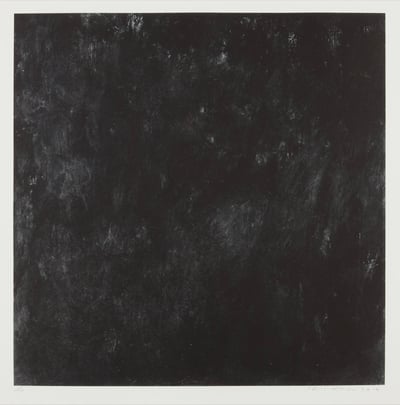
Idris Khan
Death of Painting, 2014
Limited Edition Print
Lithograph
GBP 3,000
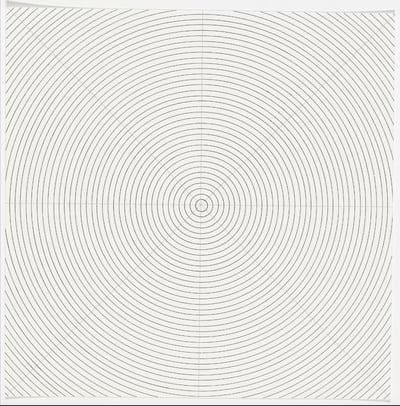
Sol LeWitt
Circles from The New York Collection for Stockholm, 1973
Limited Edition Print
Lithograph
GBP 3,300
Anish Kapoor
Untitled 02, 2007
Limited Edition Print
Etching
EUR 9,000
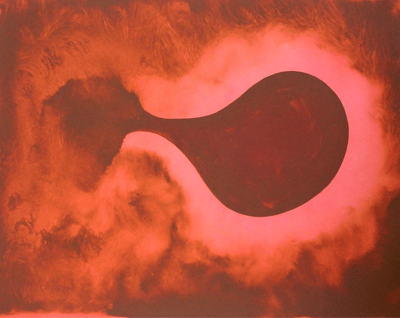
Anish Kapoor
Untitled 09, 2007
Limited Edition Print
Etching
EUR 9,000
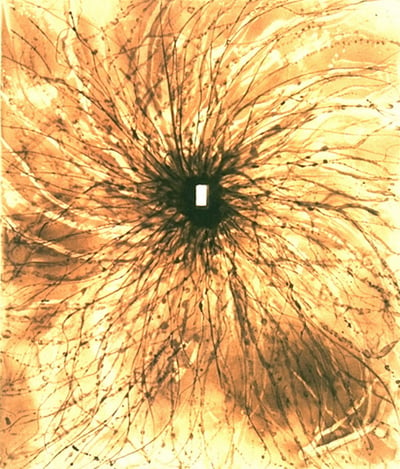
Anish Kapoor
Door, 1991
Limited Edition Print
Aquatint
EUR 9,000
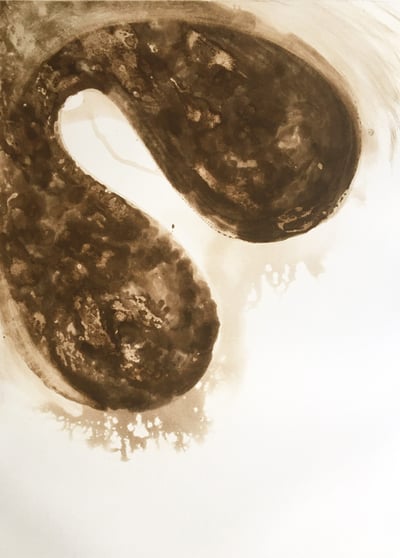
Anish Kapoor
Untitled (12), 1988
Limited Edition Print
Aquatint
EUR 11,500
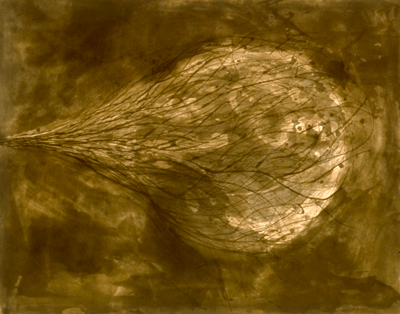
Anish Kapoor
Untitled (III), 1988
Limited Edition Print
Aquatint
EUR 11,500
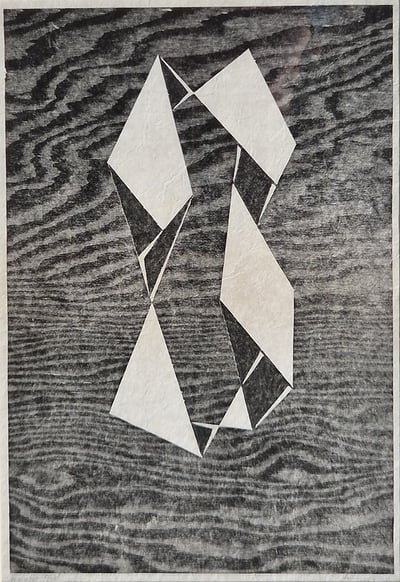
Josef Albers
Astatic (Danilowitz 116), 1944
Limited Edition Print
Woodcut
USD 10,200
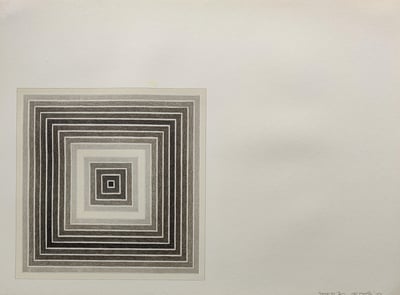
Frank Stella
Sharpesville, from Multicolored Squares I, 1972
Limited Edition Print
Lithograph
USD 7,000
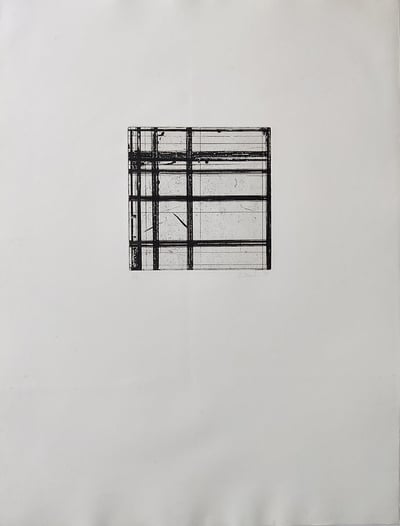
Brice Marden
Tiles, 1979
Limited Edition Print
Etching and Aquatint
USD 5,370
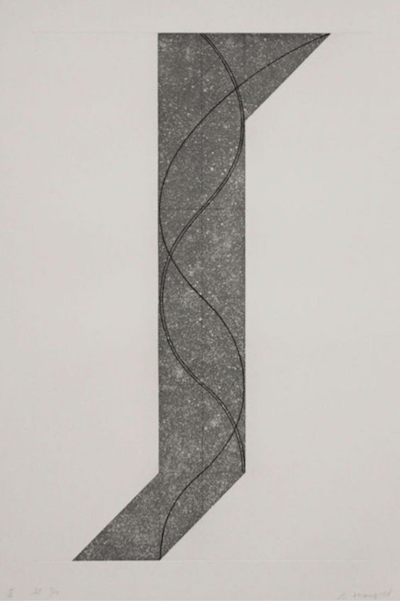
Robert Mangold
Untitled II, 2007
Limited Edition Print
Etching and Aquatint
USD 6,000
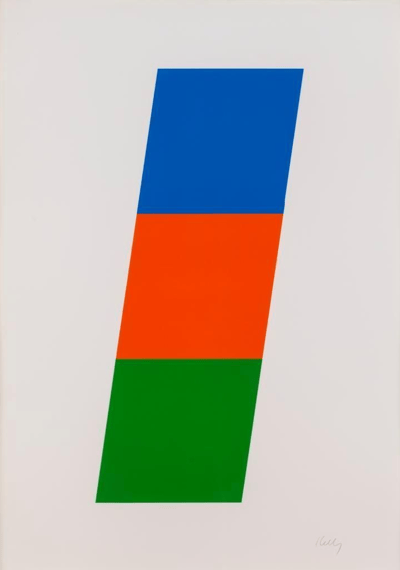
Ellsworth Kelly
Blue, Red-Orange, Green, 1970-1971
Limited Edition Print
Lithograph
USD 23,000

Vija Celmins
Comet, 1992
Limited Edition Print
Linocut
USD 32,500
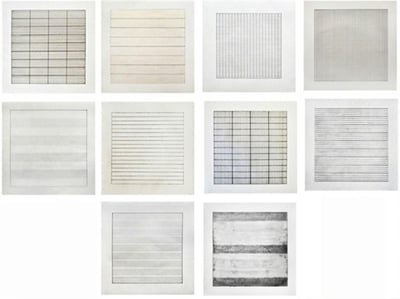
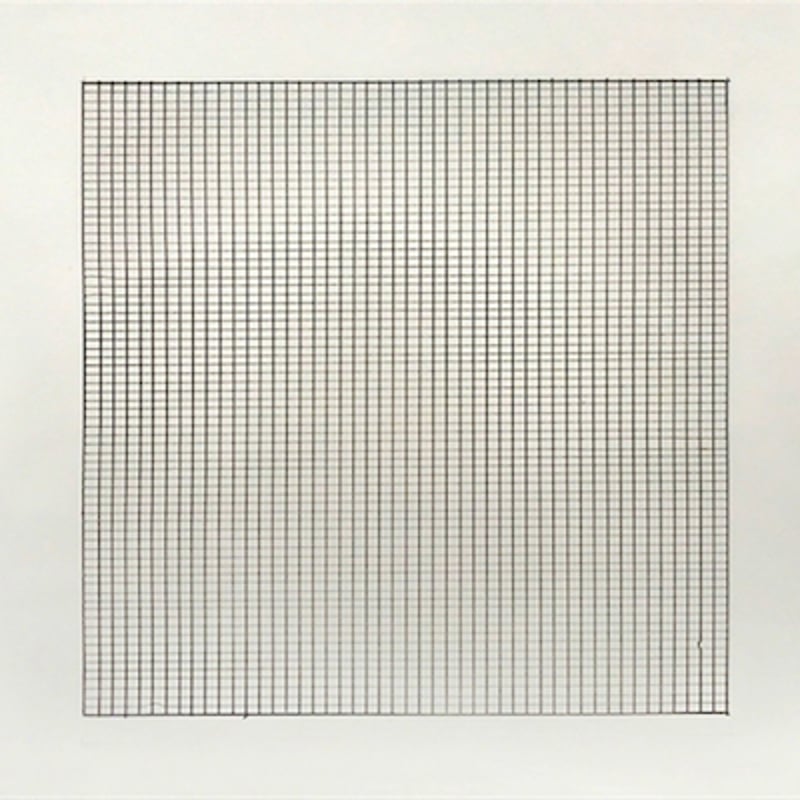
Agnes Martin
Untitled (from Paintings and Drawings: 1974-1990), 1991
Limited Edition Print
Lithograph
EUR 8,600
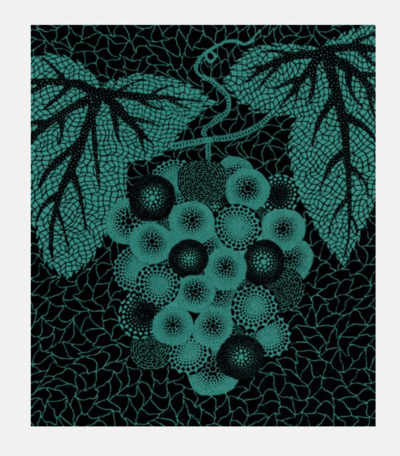
Yayoi Kusama
Grapes (Kusama 29), 1983
Limited Edition Print
Screen-print
GBP 30,000 - 40,000
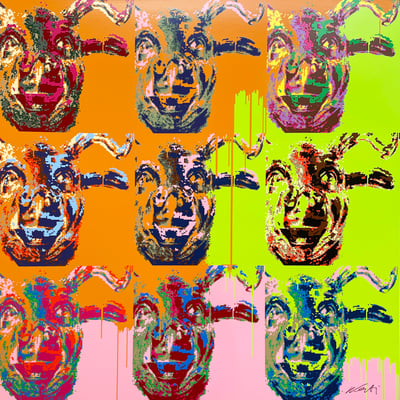
Weiwei Ai
Year of the Ox, 2021
Limited Edition Print
Screen-print
Inquire For Price
Related Articles

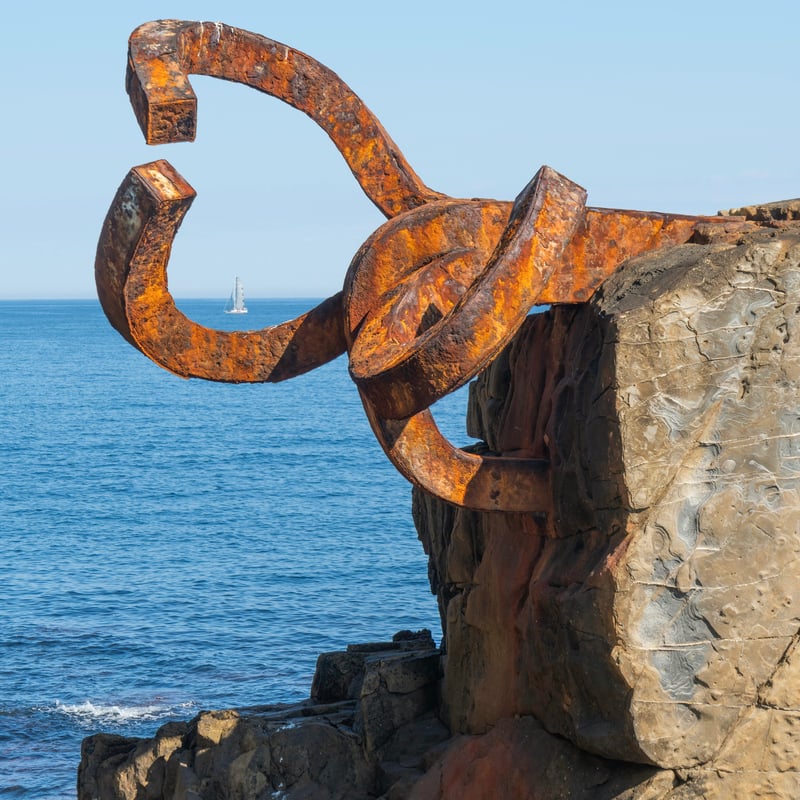


Site-Specific Art is a form of artwork created to exist in a particular location, with the artist considering the site as an integral part of the creative process. Robert Irwin was a key figure in promoting this art form in California. Site-Specific Art emerged as a reaction against modernist objects, which were often portable, commodified, and confined to museum spaces. In contrast, Site-Specific Art is inherently tied to its location, challenging the traditional notions of art as a transportable and marketable commodity.
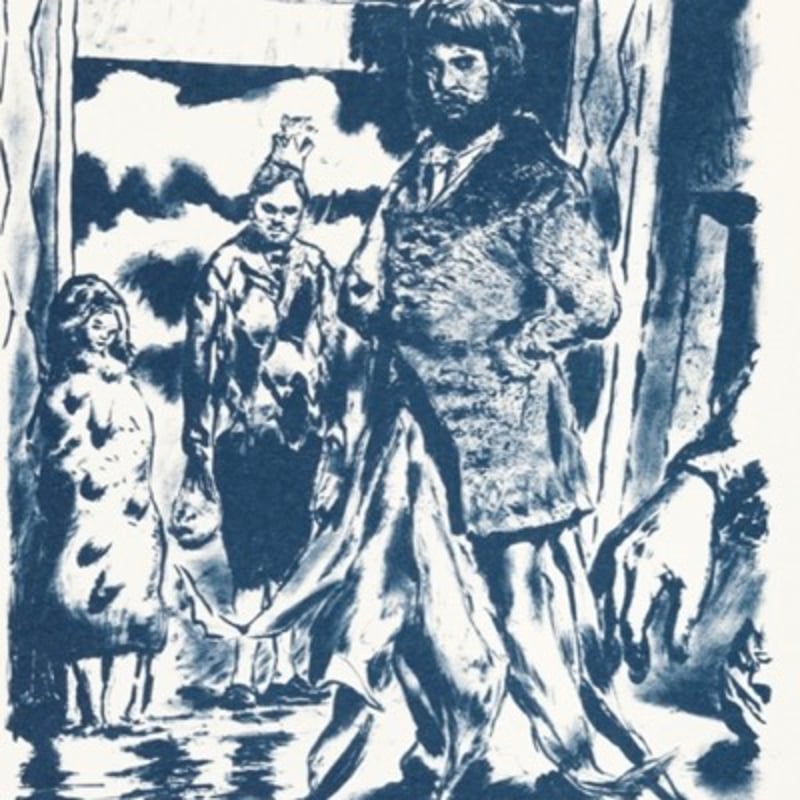
The New Leipzig School is a movement in modern German painting that represents the third generation of artists associated with the Hochschule für Grafik und Buchkunst Leipzig. This movement reflects the post-reunification landscape of Germany. Unlike the first generation of Leipzig painters, the third generation does not have clear, defined characteristics or messages. Instead, their work blends figurative and abstract elements, placing a strong emphasis on creativity and experimentation.

Épreuve d'Artist refers to the artist's proofs in a limited edition of prints. These are a small number of prints reserved by the artist for personal use and are typically marked with the abbreviation E.A. (épreuve d'artist) or AP (artist's proof). Artist’s proofs are usually identical to the regular edition but are often considered more valuable due to their limited quantity.
Can't find your Answer?
Thank you! Your question has been sent — we'll get back to you shortly.
