What is minimalism?
- Show All
- Established
- Discoveries
- Show All
Artworks Related to Minimalism

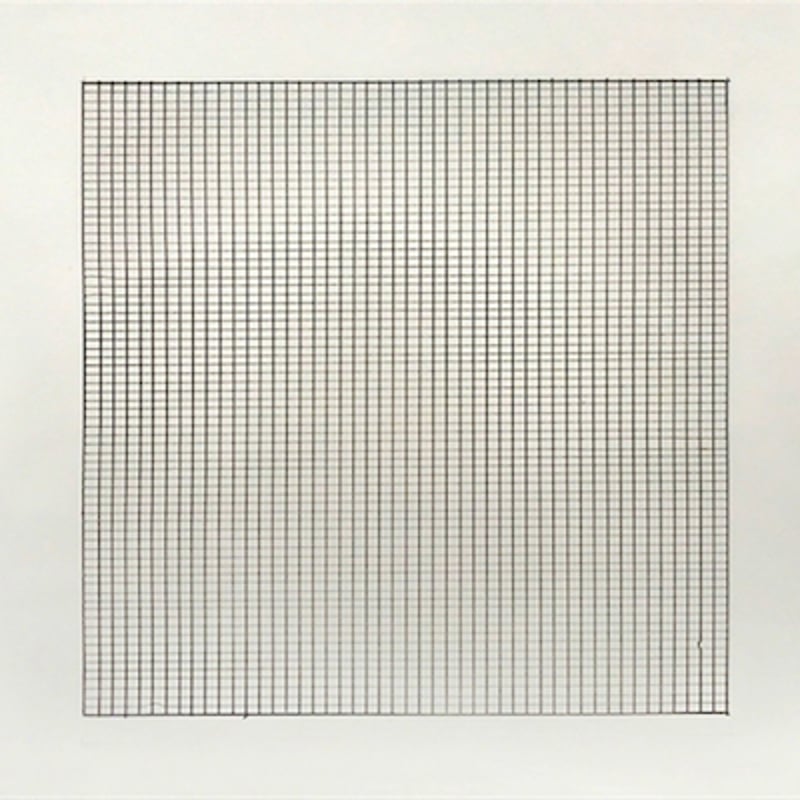
Donald Judd
Untitled (Schellmann 265/266), 1992-1993
Limited Edition Print
Woodcut
Inquire For Price
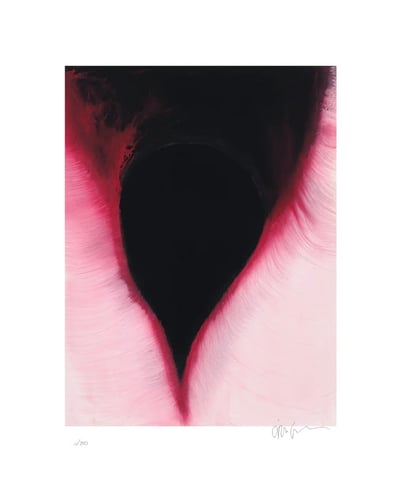
Anish Kapoor
The Dark, 2026
Limited Edition Print
Giclée printing
EUR 2,000
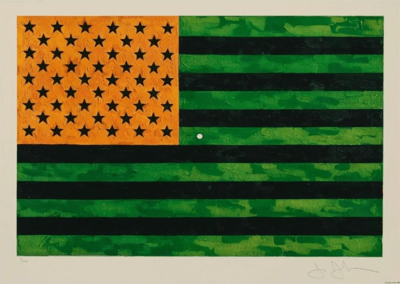
Jasper Johns
Flag (Moratorium), 1969
Limited Edition Print
Offset Print
GBP 34,000 - 42,000
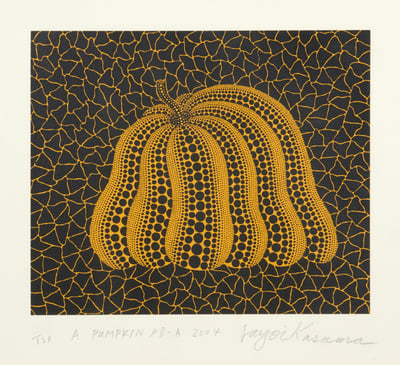
Yayoi Kusama
A Pumpkin YB-A (Kusama 325), 2004
Limited Edition Print
Screen-print
GBP 43,000 - 55,000
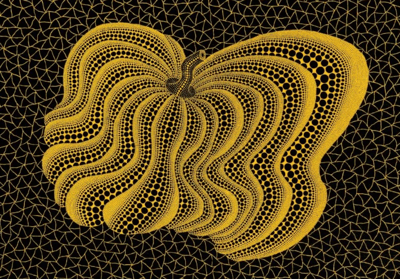
Yayoi Kusama
Dancing Pumpkin (YBL) (Kusama 320), 2004
Limited Edition Print
Screen-print
GBP 56,000 - 70,000
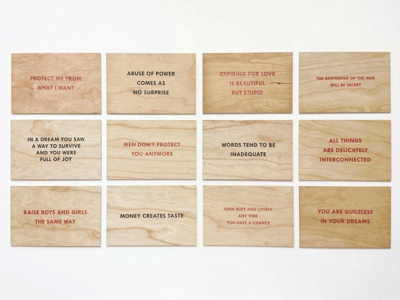
Jenny Holzer
Truisms (set of 12), 2018
Limited Edition Print
Screen-print
GBP 2,700
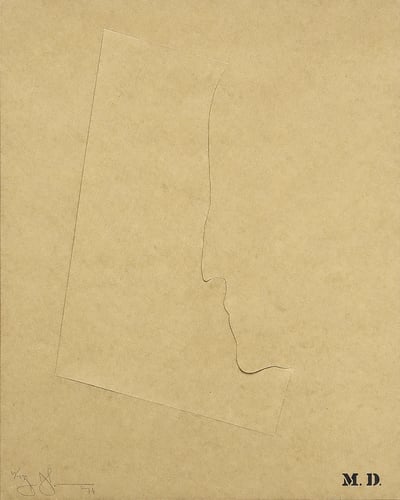
Jasper Johns
M. D., 1974
Limited Edition Print
Mixed Media
USD 4,750
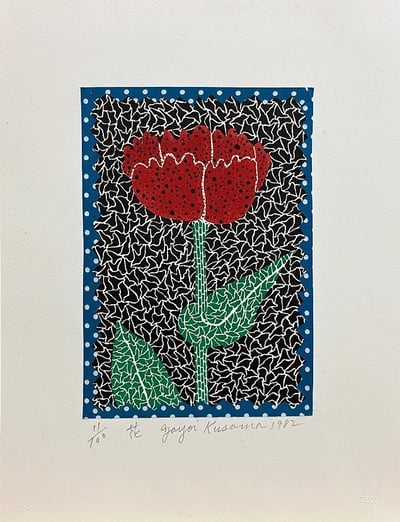
Yayoi Kusama
Flower, 1982
Limited Edition Print
Collage
USD 20,000 - 25,000
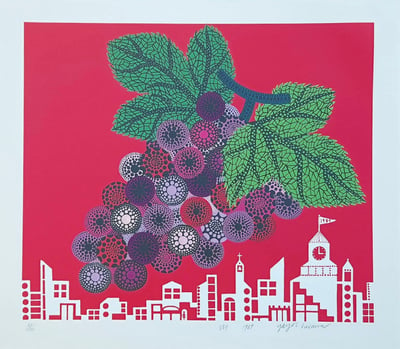
Yayoi Kusama
Grapes In The City, 1989
Limited Edition Print
Screen-print
USD 34,500 - 43,500
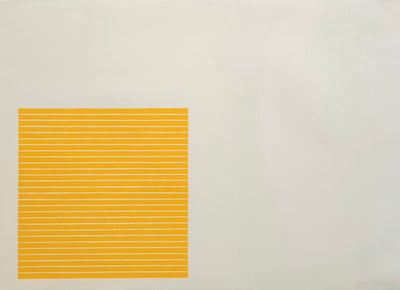
Frank Stella
Palmito Ranch, from Benjamin Moore Series, 1971
Limited Edition Print
Lithograph
Inquire For Price
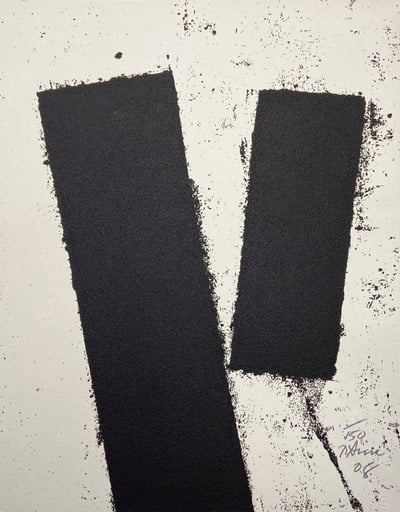
Richard Serra
Promenade Notebook Drawing for Obama, 2008
Limited Edition Print
Etching
Inquire For Price
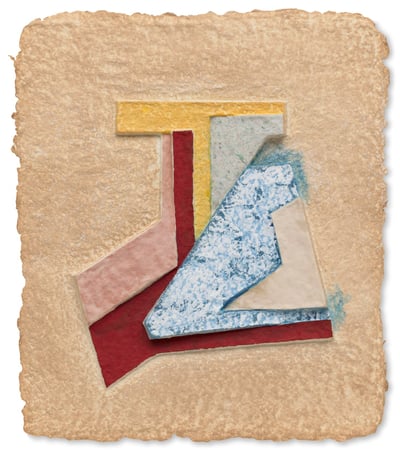
Frank Stella
Nowe Miastro (IV), from the Paper Relief Project, 1975
Drawing / Watercolor
Collage
USD 11,450
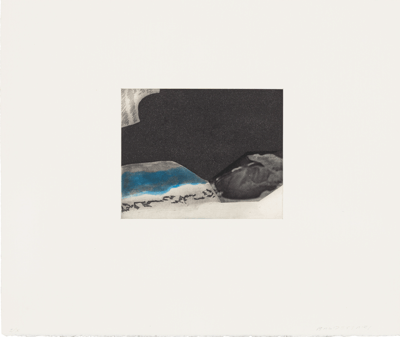
John Baldessari
Black Dice 9, 1982
Limited Edition Print
Etching and Aquatint
USD 850
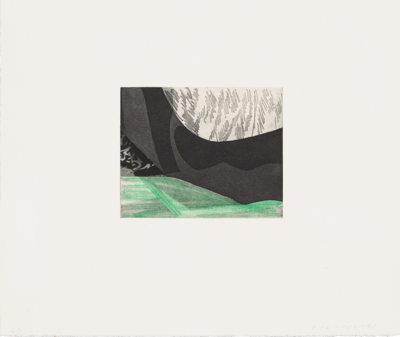
John Baldessari
Black Dice 8, 1982
Limited Edition Print
Etching and Aquatint
USD 850
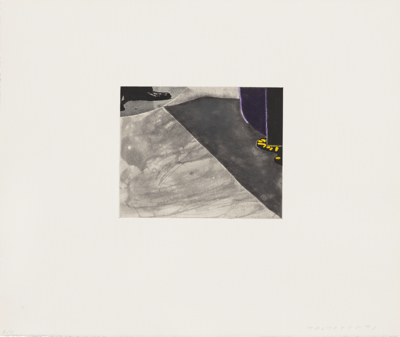
John Baldessari
Black Dice 7, 1982
Limited Edition Print
Etching and Aquatint
USD 850
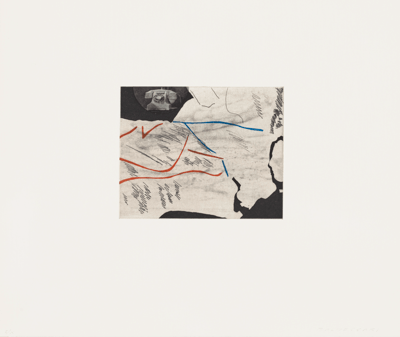
John Baldessari
Black Dice 6, 1982
Limited Edition Print
Etching and Aquatint
USD 850
Related Articles

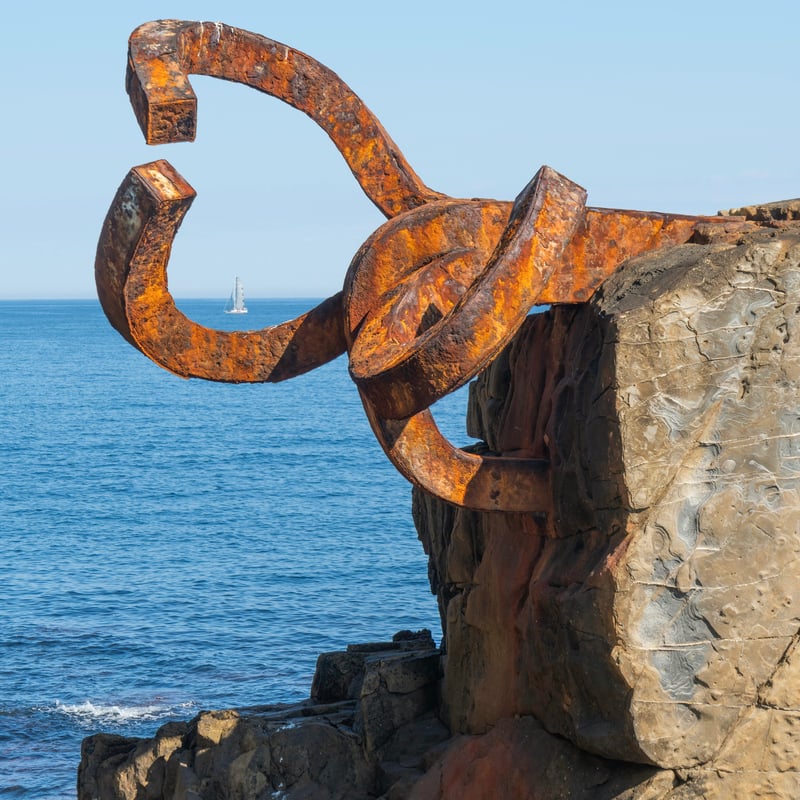

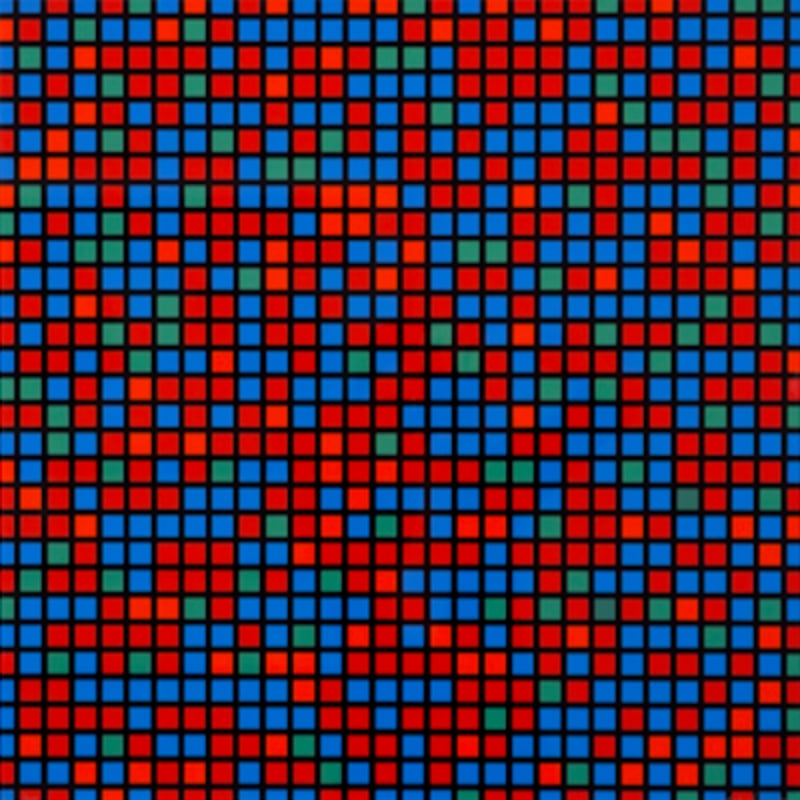
Geometric abstraction is a form of abstract art that uses geometric shapes arranged in a non-illusionistic space (though not always) and combined into non-representational (non-objective) compositions. Based on years of artistic research, some artists have proposed that geometric abstraction offers a solution to modern challenges by rejecting traditional illusionistic practices in favor of clarity and simplicity.
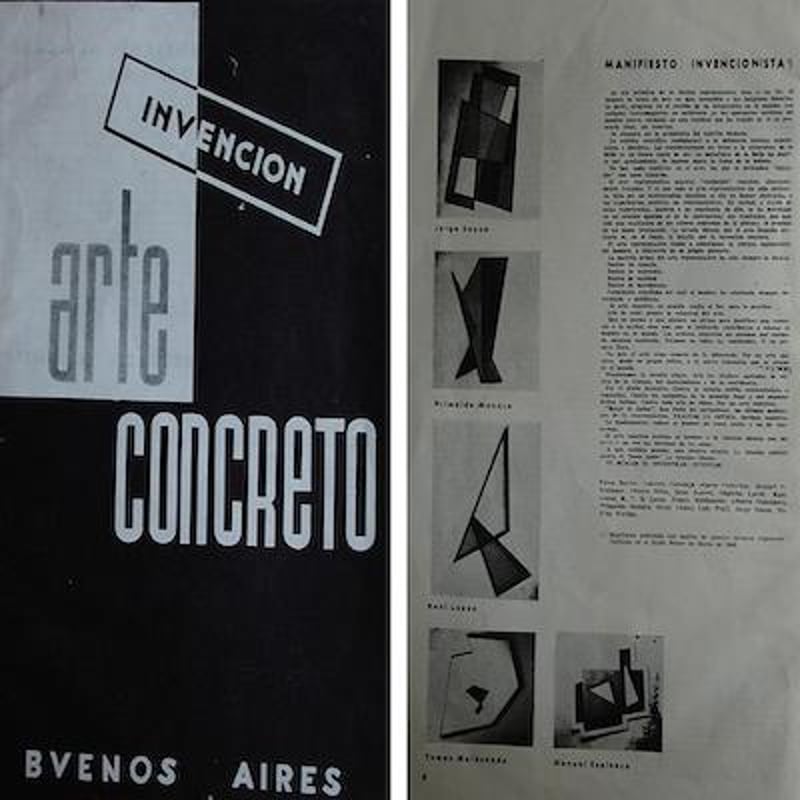
The Manifesto Invencionista was published in 1946, marking the beginning of the concrete art movement in Buenos Aires, Argentina. Written by artist Tomás Maldonado and published by the Asociación Arte Concreto-Invención, the manifesto announced the principles of Concrete Art. Concrete art is purely abstract, with no reference to visual reality, emphasizing geometric forms and the materiality of the artwork itself.

A body print is an art technique where the artist uses their body as a printing plate. This can be done by smearing grease, margarine, or oil on the skin, hair, and clothes, then pressing the body against a surface like paper. The oiled imprint is then dusted with pigment. Unlike a self-portrait, a body print explores two competing concepts of identity rather than capturing a likeness of the artist. The method emphasizes the physicality of the body while questioning the boundaries between self-representation and abstraction.
Can't find your Answer?
Thank you! Your question has been sent — we'll get back to you shortly.
