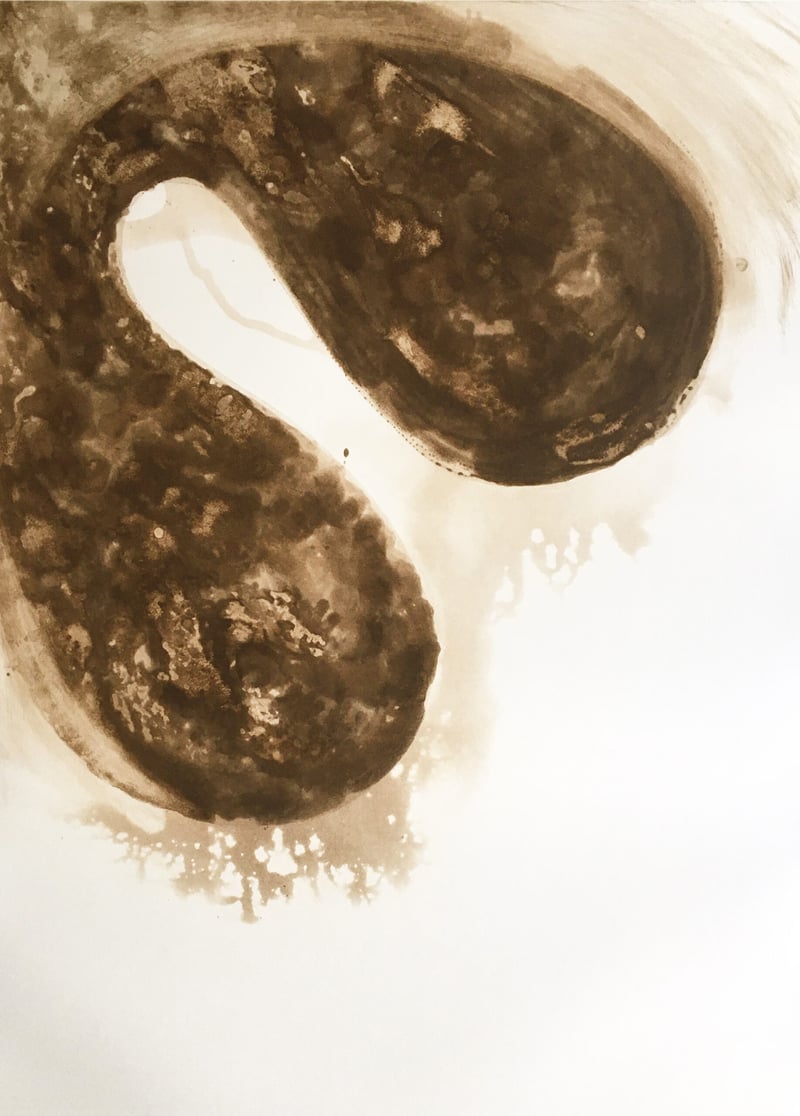
Untitled (12), 1988
Form
Medium
Size
- Inches
- Centimeters
Edition
Price
- USD
- EUR
- GBP
- CHF
- Authenticity Guaranteed
- Insured Shipping
- Online Since 2005
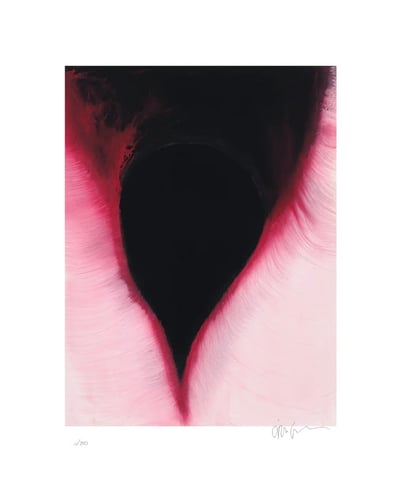
Anish Kapoor
The Dark, 2026
Limited Edition Print
Giclée printing
EUR 2,000
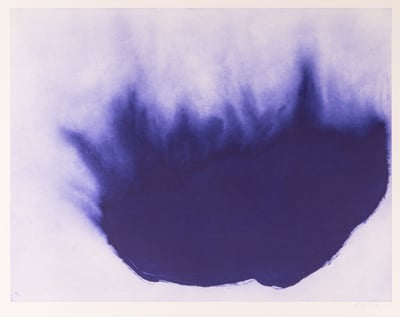
Anish Kapoor
Composition No 3, from 12 Etchings, 2007
Limited Edition Print
Etching
USD 15,000
Anish Kapoor
Untitled 02, 2007
Limited Edition Print
Etching
EUR 9,000
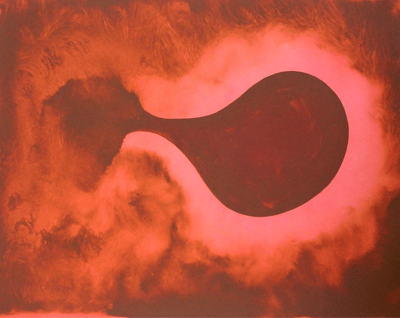
Anish Kapoor
Untitled 09, 2007
Limited Edition Print
Etching
EUR 9,000
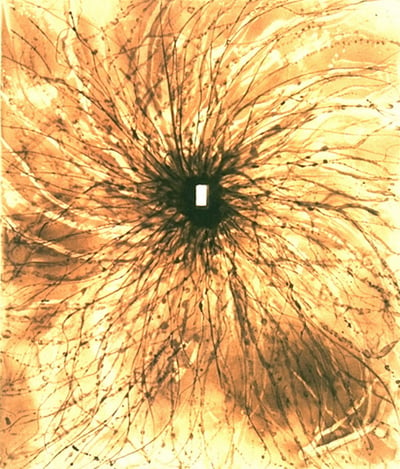
Anish Kapoor
Door, 1991
Limited Edition Print
Aquatint
EUR 9,000
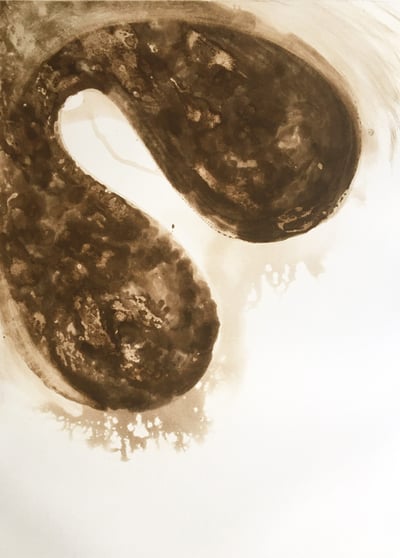
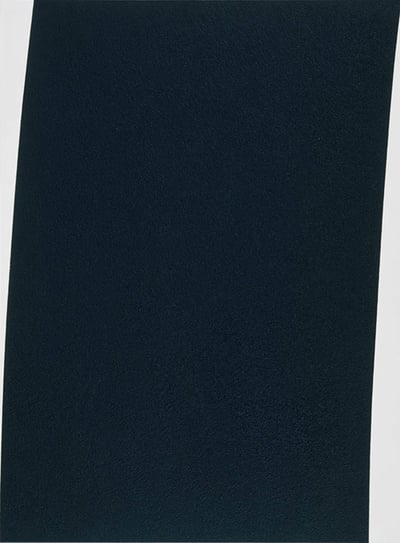
Anish Kapoor
Untitled (12), 1988
Limited Edition Print
Aquatint
EUR 11,500
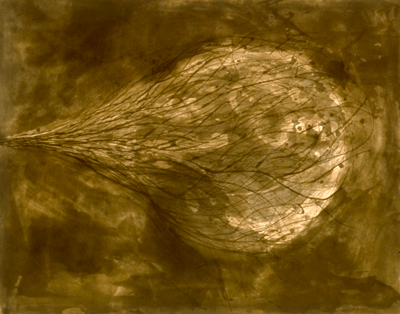
Anish Kapoor
Untitled (III), 1988
Limited Edition Print
Aquatint
EUR 11,500
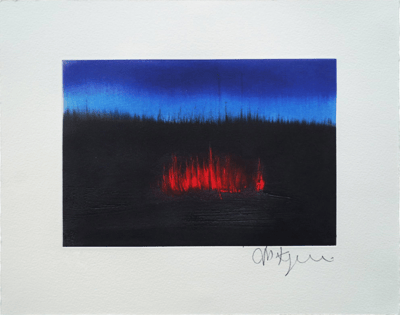
Anish Kapoor
Scorched Earth, 2021
Limited Edition Print
Etching
GBP 5,000 – 6,000
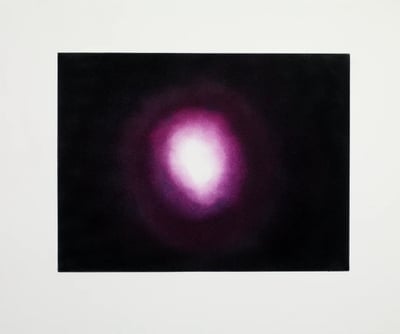
Anish Kapoor
Glow for Maggie, 2020
Limited Edition Print
Etching
EUR 5,000
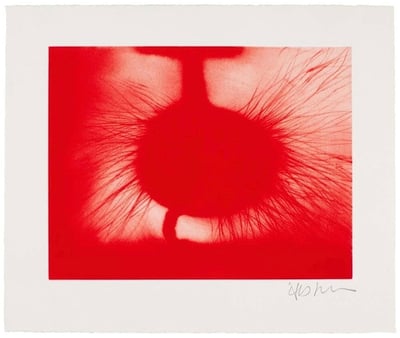
Anish Kapoor
Untitled (Red Pulse), 2014
Limited Edition Print
Etching
GBP 5,300
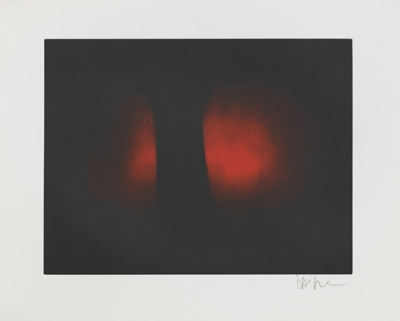
Anish Kapoor
Untitled (red on dark background), 2015
Limited Edition Print
Etching
GBP 5,300

Anish Kapoor
Breathing Blue, 2020
Limited Edition Print
Digital Print on paper
GBP 5,300

Anish Kapoor
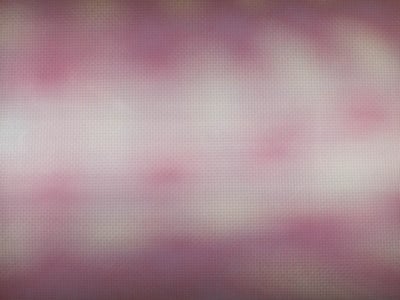
Moiré 1, 2015
Limited Edition Print
Etching
EUR 6,500
Anish Kapoor
Moiré 2, 2015
Limited Edition Print
Etching
EUR 6,500

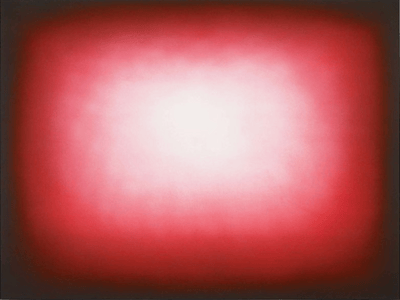
Anish Kapoor
Moiré 4, 2015
Limited Edition Print
Etching
EUR 6,500
Anish Kapoor
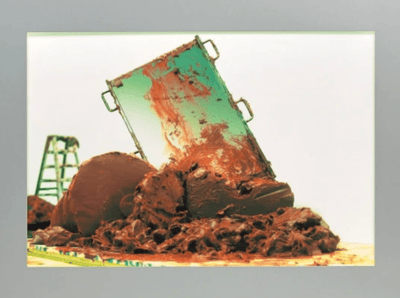
Red shadows 2, 2016
Limited Edition Print
Etching
Currently Not Available
Anish Kapoor
Svayambh, 2007
Limited Edition Print
Mixed Media
Currently Not Available

Anish Kapoor
Moire 3, 2015
Limited Edition Print
Etching
Currently Not Available
Related Artists
Related Articles
Popular, Art Movements - August 7, 2024
Art and Social Change: How Contemporary Artists Address Global Issues
Discover how contemporary artists drive social change! Explore impactful works addressing global issues like inequality, climate change, and human rights.Read More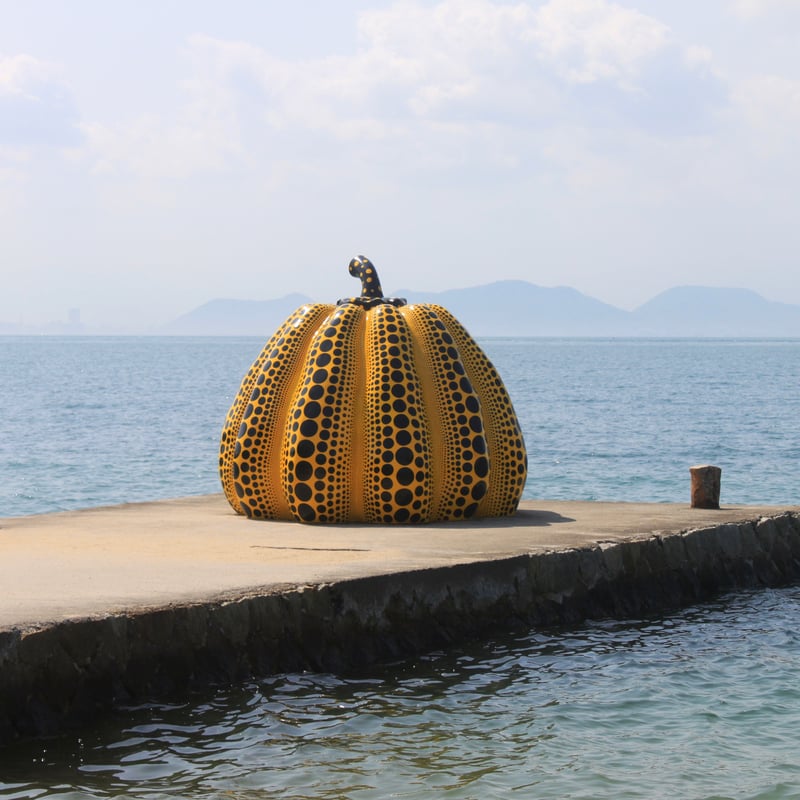
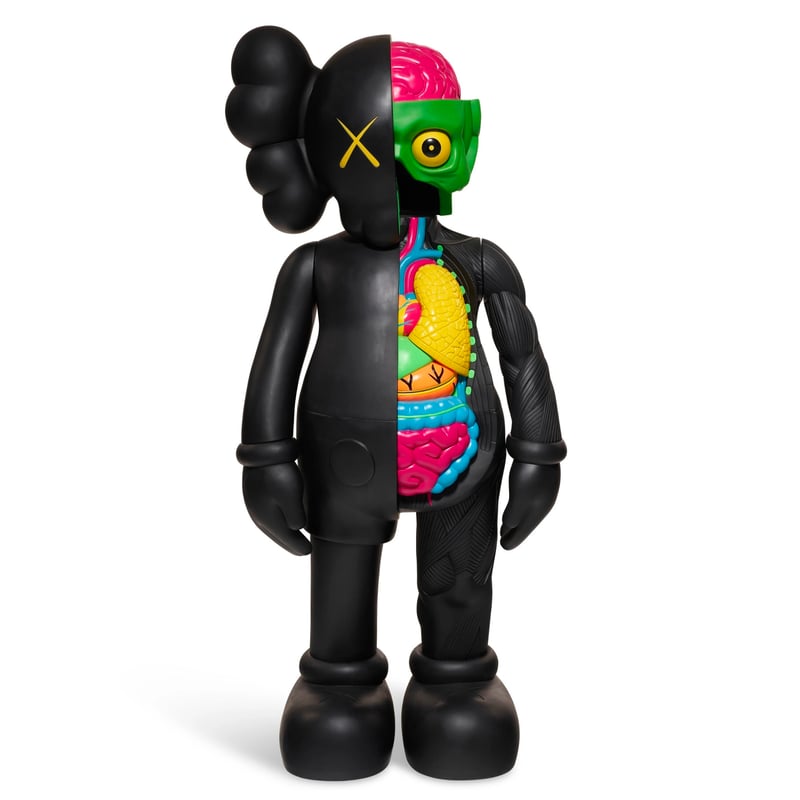
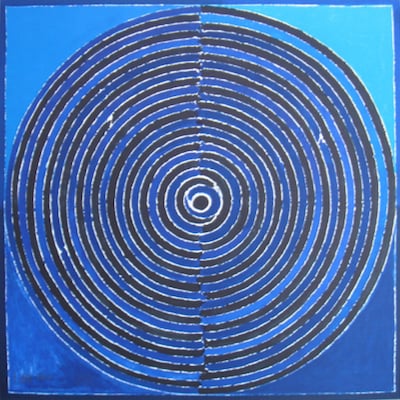
What is Contemporary art from India?
Contemporary art from India dates from 1985 to the present, marking the post-liberalization era. During this period, artists have felt free to create independently of traditional Hindu or social conventions. They often incorporate distinctly Indian materials and objects in their work, reflecting a blend of modern ideas and cultural heritage.
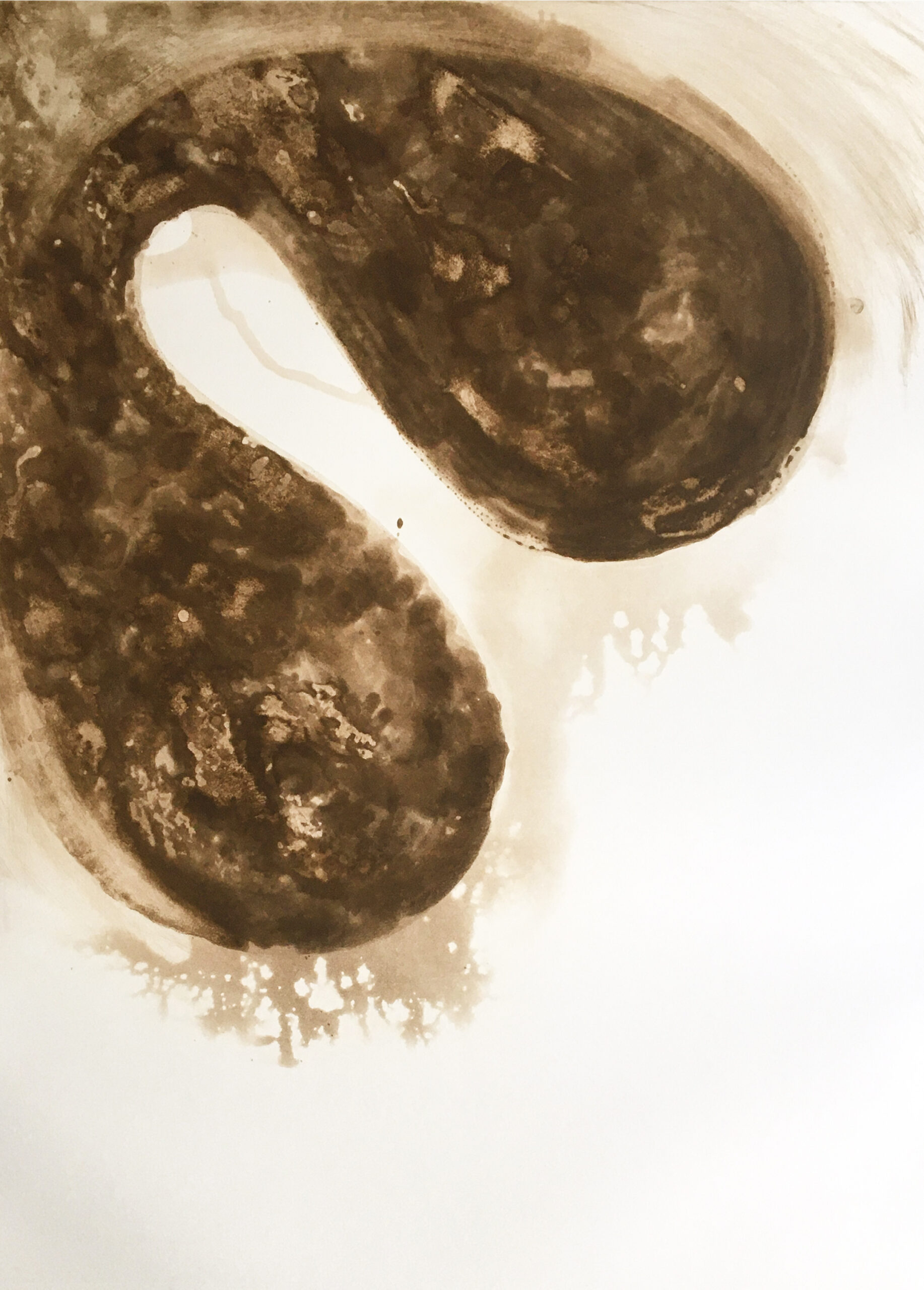
Anish Kapoor
Untitled (12), 1988
71 x 61 cm


