
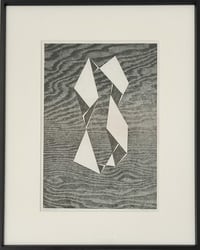

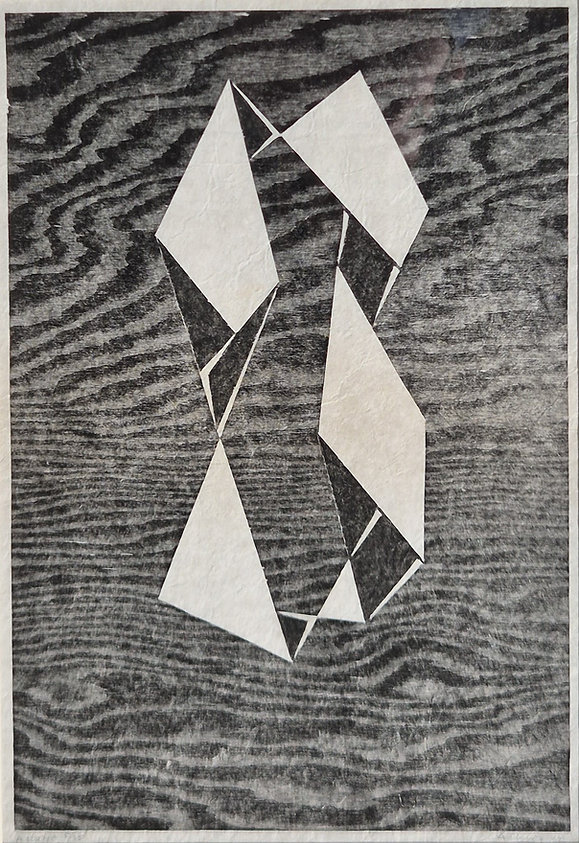
Astatic (Danilowitz 116), 1944
Form
Medium
Size
- Inches
- Centimeters
Edition
Price
- USD
- EUR
- GBP
- CHF
- Authenticity Guaranteed
- Insured Shipping
- Online Since 2005
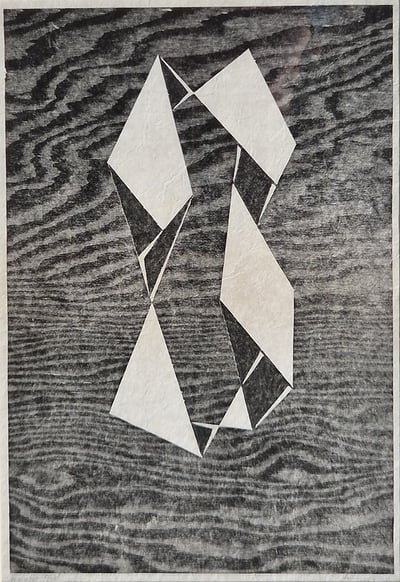
Josef Albers
Astatic (Danilowitz 116), 1944
Limited Edition Print
Woodcut
USD 10,200
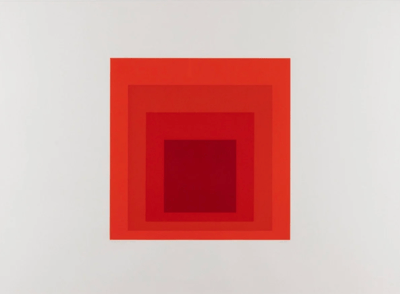
Josef Albers
JHM-I, 1973
Limited Edition Print
Screen-print
Inquire For Price
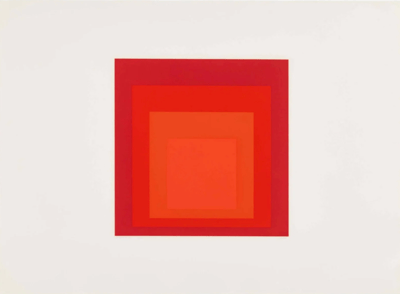
Josef Albers
JHM-II, 1973
Limited Edition Print
Screen-print
Inquire For Price
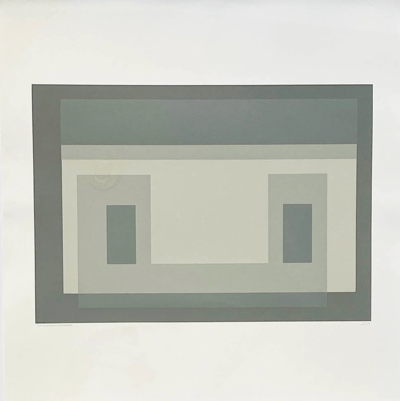
Josef Albers
Variants-III (from the Ten Variants Series), 1966
Limited Edition Print
Screen-print
Inquire For Price
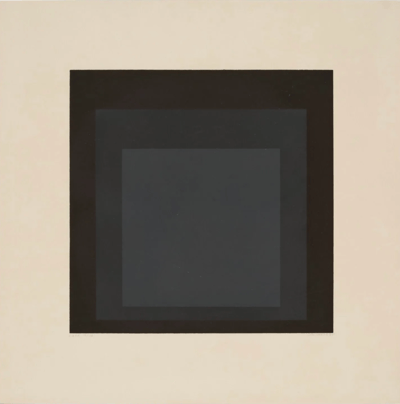
Josef Albers
Late, from Soft Edge-Hard Edge, 1965
Limited Edition Print
Screen-print
USD 10,000 – 15,000
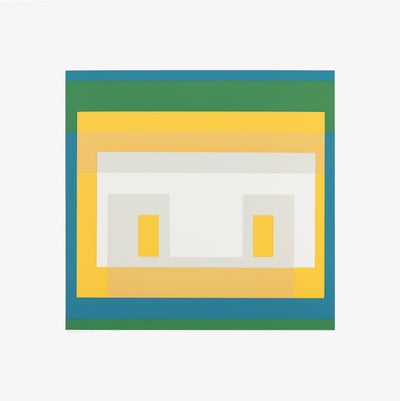
Josef Albers
Variants II, from Ten Variants, 1966
Limited Edition Print
Screen-print
USD 5,400
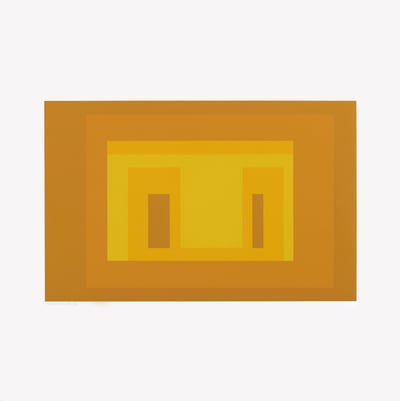
Josef Albers
Variants I, from Ten Variants, 1966
Limited Edition Print
Screen-print
USD 5,400

Josef Albers
Variants IV, from Ten Variants, 1966
Limited Edition Print
Screen-print
USD 5,400

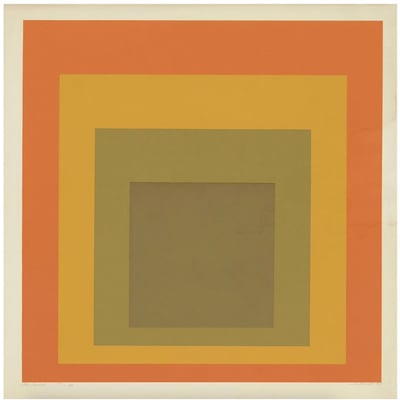
Josef Albers
GB 2 (From Homage to the Square), 1969
Limited Edition Print
Screen-print
Currently Not Available
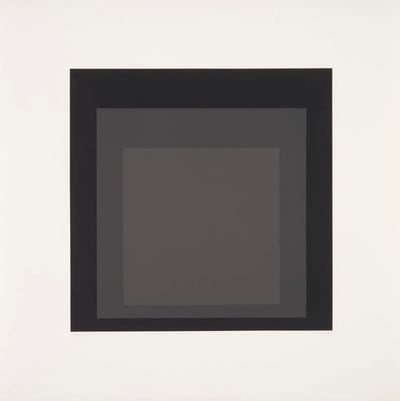
Josef Albers
Concord (From Dei Oberflache), 1965
Limited Edition Print
Screen-print
Currently Not Available
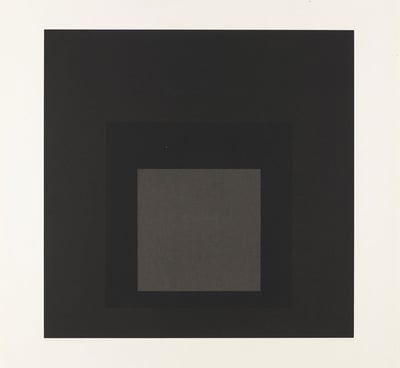
Josef Albers
Homage to the Square, 1970
Limited Edition Print
Screen-print
Currently Not Available
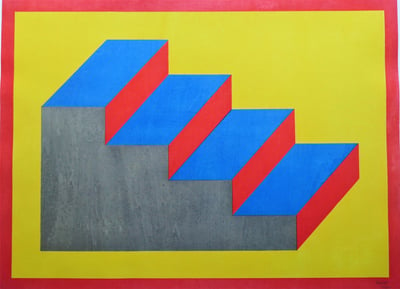
Josef Albers
Midnight + Noon I, 1964
Limited Edition Print
Lithograph
Currently Not Available
Related Artists

Related Articles
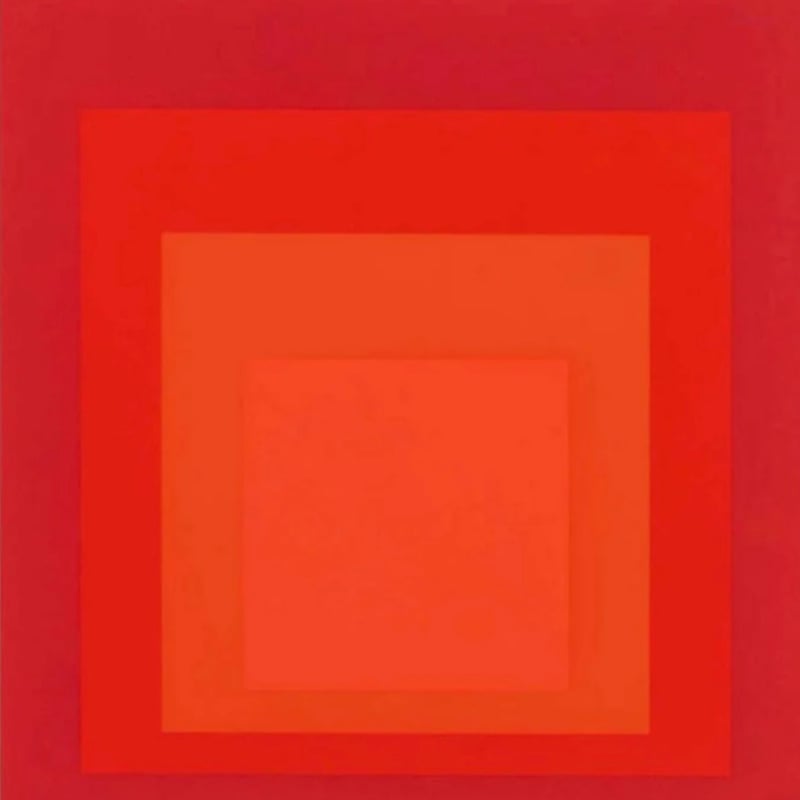
Popular, Artists - January 27, 2025
Josef Albers: Master of Color Interaction and Perception
Explore Josef Albers' groundbreaking work in color theory and perception. Discover how 'Homage to the Square' redefined art and continues to inspire today.Read More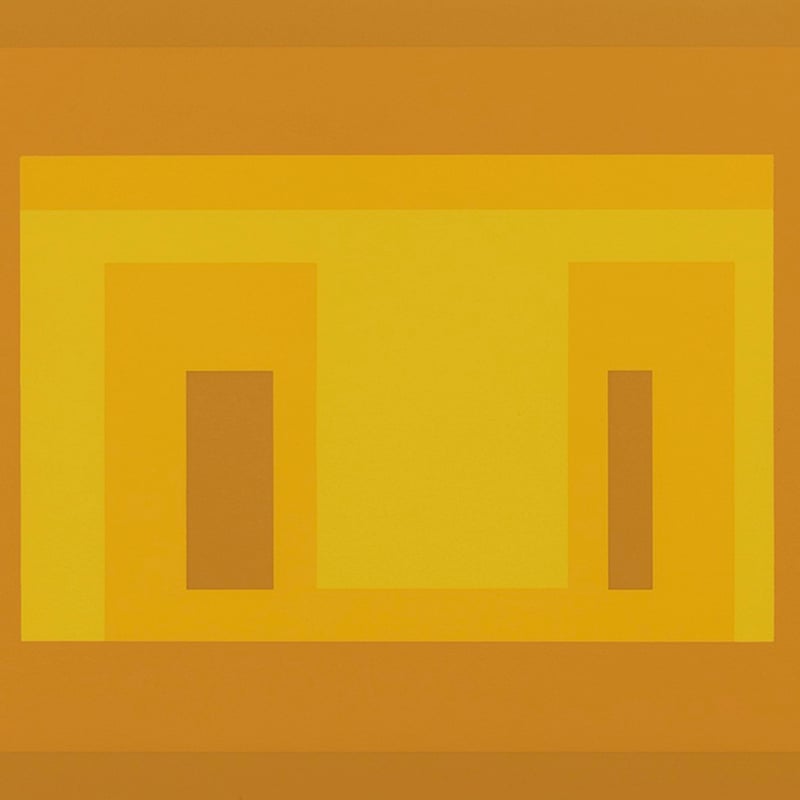
What is abstract art?
Abstract art uses form, shape, line, and color to create a visual experience without attempting to represent external reality. The composition exists independently of the world's visual references, focusing on expressing ideas and emotions through non-representational means.
Josef Albers
Astatic (Danilowitz 116), 1944
44.5 x 28.3 cm


