What is minimalism?
- Show All
- Established
- Discoveries
- Show All
Artworks Related to Minimalism
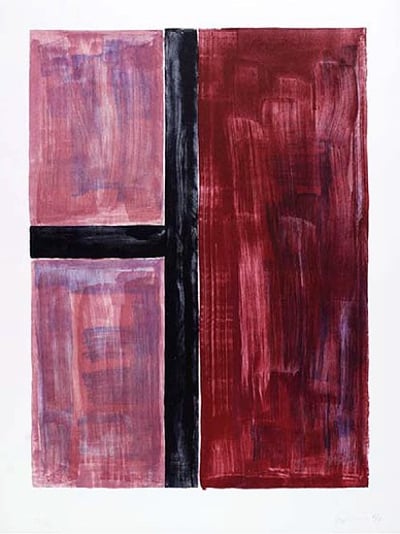
Gunther Forg
Ohne Titel (red squares), 2004
Limited Edition Print
Lithograph
EUR 1,600
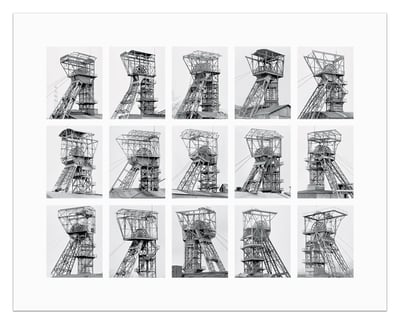
Bernd & Hilla Becher
Fördertürme, 2006
Limited Edition Print
Digital Print on paper
Currently Not Available
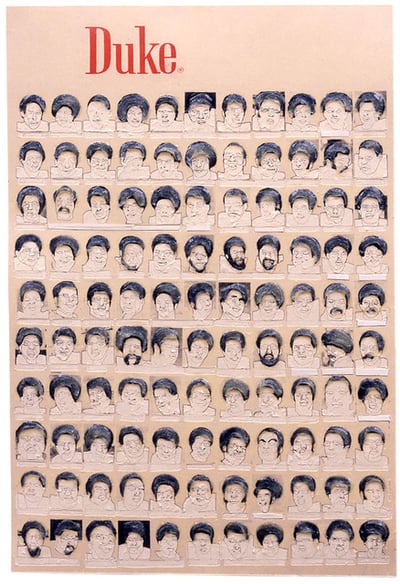
Ellen Gallagher
Duke, 2004
Photography
Photogravure
Currently Not Available
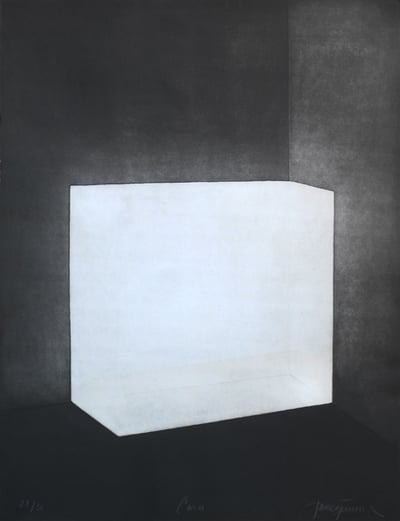
James Turrell
Carn, 1988
Limited Edition Print
Etching
Currently Not Available
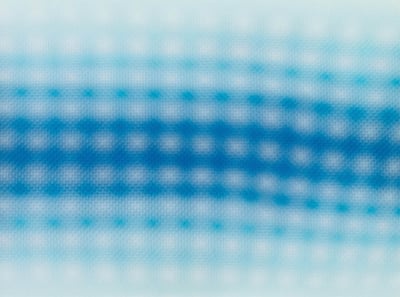
Anish Kapoor
Moiré 1, 2015
Limited Edition Print
Etching
EUR 6,500
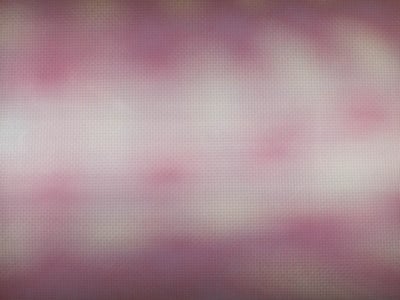
Anish Kapoor
Moiré 2, 2015
Limited Edition Print
Etching
EUR 6,500

Anish Kapoor
Moire 3, 2015
Limited Edition Print
Etching
Currently Not Available
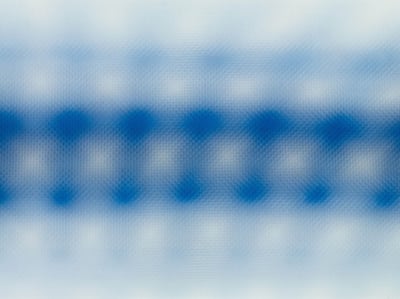
Anish Kapoor
Moiré 4, 2015
Limited Edition Print
Etching
EUR 6,500
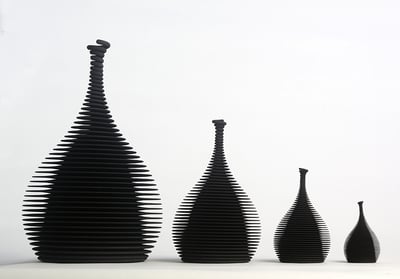
Ron Arad
4 Black Objects, 2012
Sculpture / Object
Mixed Media
EUR 12,000
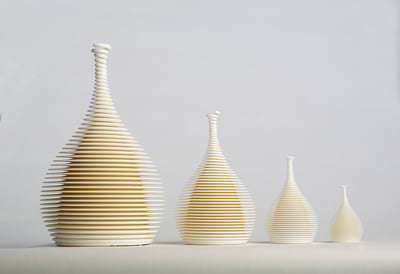
Ron Arad
4 White Objects, 2012
Sculpture / Object
Mixed Media
EUR 12,000
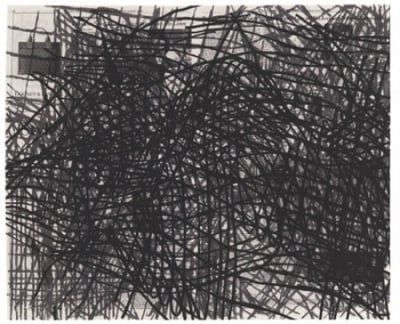
Terry Winters
Untitled (From the Doctors of the World portfolio) , 2001
Limited Edition Print
Digital Print on paper
Currently Not Available

Weiwei Ai
The artist activist - Art edition, 2014
Limited Edition Print
Mixed Media
Currently Not Available
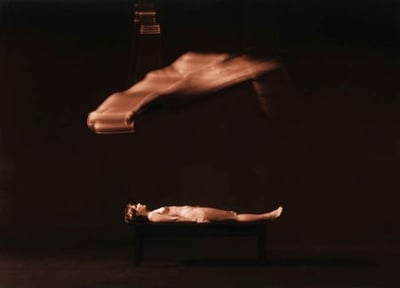
Jurgen Klauke
Bewusstseinserweiterung, 2001
Photography
C-Print
EUR 500
Related Articles

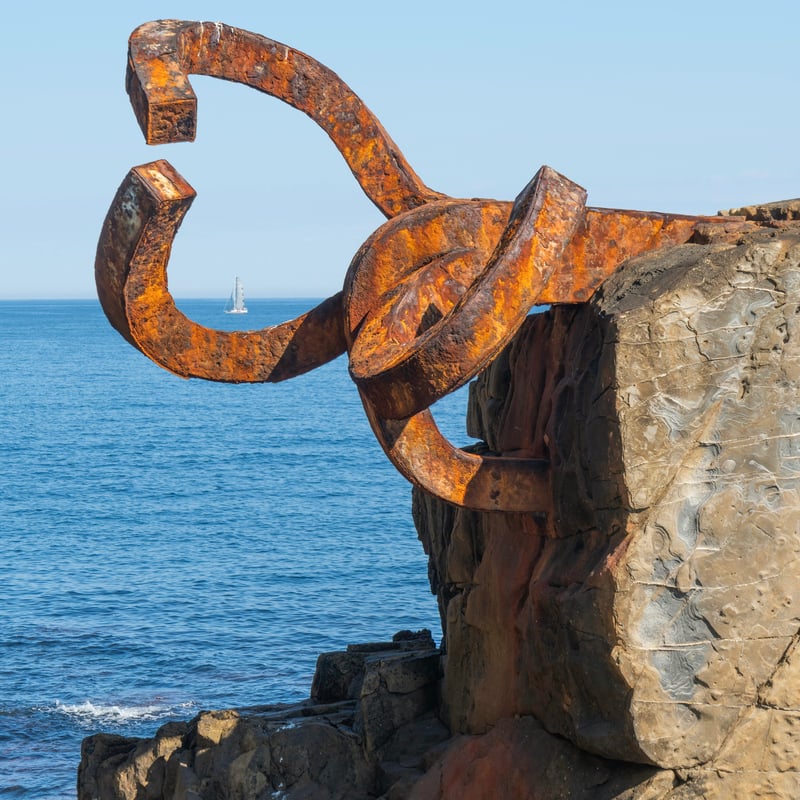

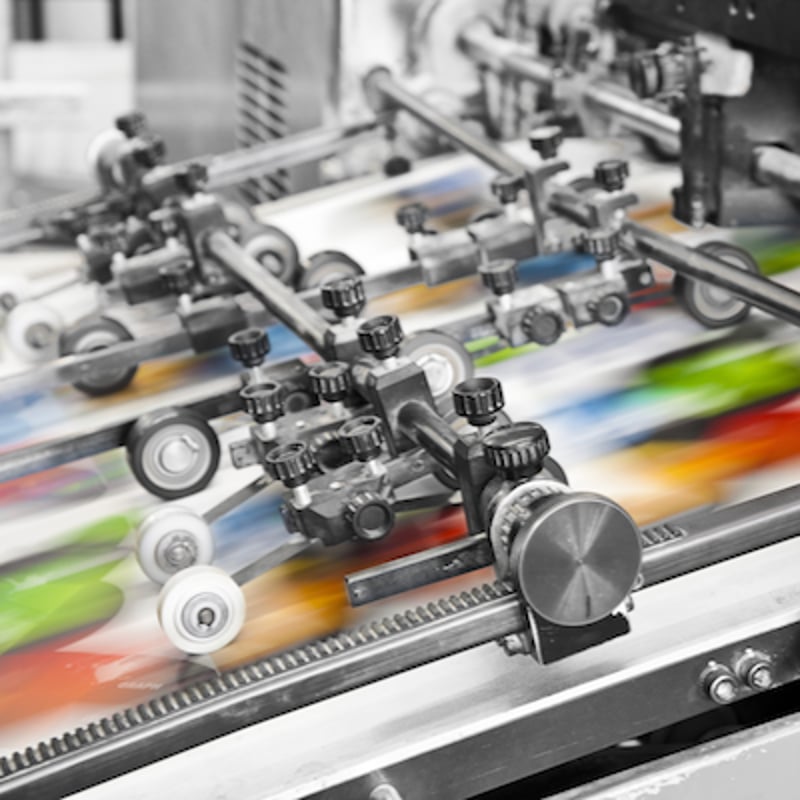
Offset lithography is a printing technique where the inked image is first transferred (offset) from a plate to a rubber blanket and then to the printing surface. This method combines the lithographic process, which relies on the repulsion of water and oil, to keep non-printing areas ink-free by attracting a water-based film. Offset lithography was originally developed to reduce costs in reproducing artwork and is widely used for high-volume printing due to its efficiency and ability to produce sharp, consistent images.
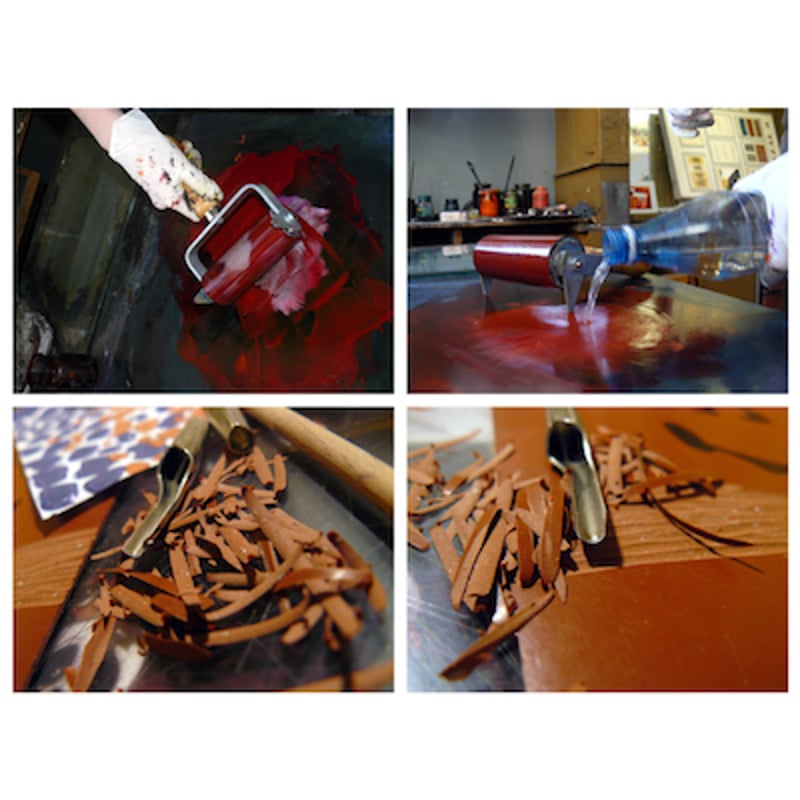
Linocut is a printmaking technique similar to woodcut, where a sheet of linoleum is used as the relief surface. The design is carved into the linoleum using a V-shaped gouge or chisel, creating raised areas that form a mirror image of the final print. Ink is applied to the raised areas with a roller, and the linoleum sheet is then pressed onto fabric or paper. The printing can be done by hand or with a press.
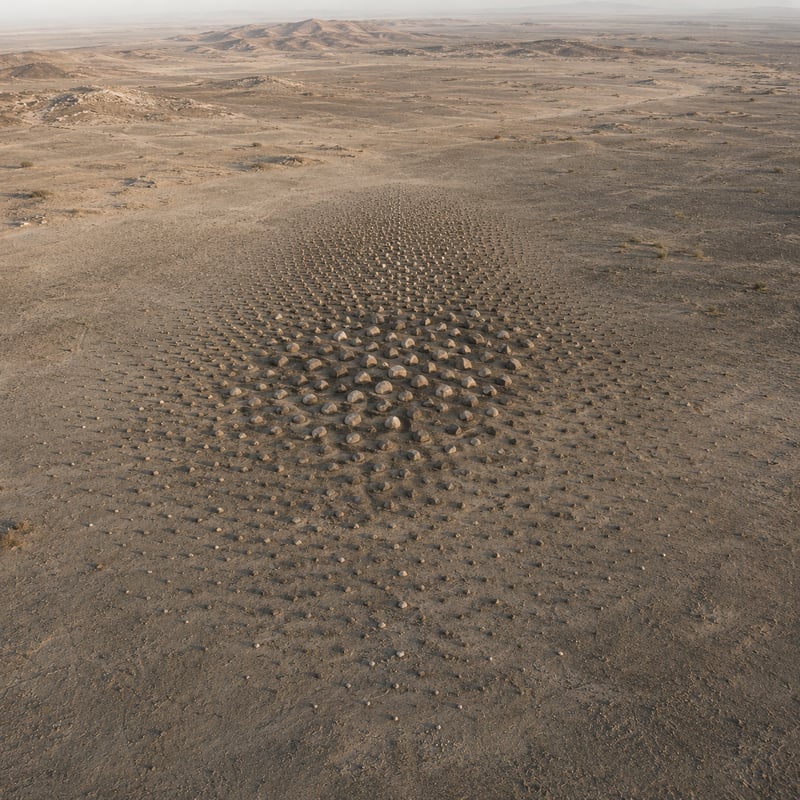
Earth art, also known as Land Art, emerged in the 1960s and 70s as part of the conceptual art movement. It involves creating artworks by sculpting the land or constructing structures in the landscape using natural materials like earth, rocks, or twigs. These works are often large-scale and emphasize the relationship between art and nature.
Can't find your Answer?
Thank you! Your question has been sent — we'll get back to you shortly.
