Etching with aquatint, on Somerset satin paper
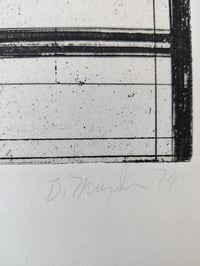
Hang signed and dated lower right.
Image size 20 x 20 cm.
Sheet size 75 x 57 cm.
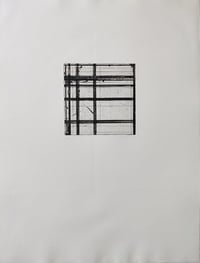
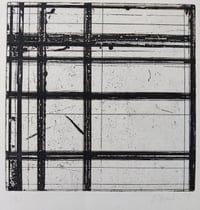
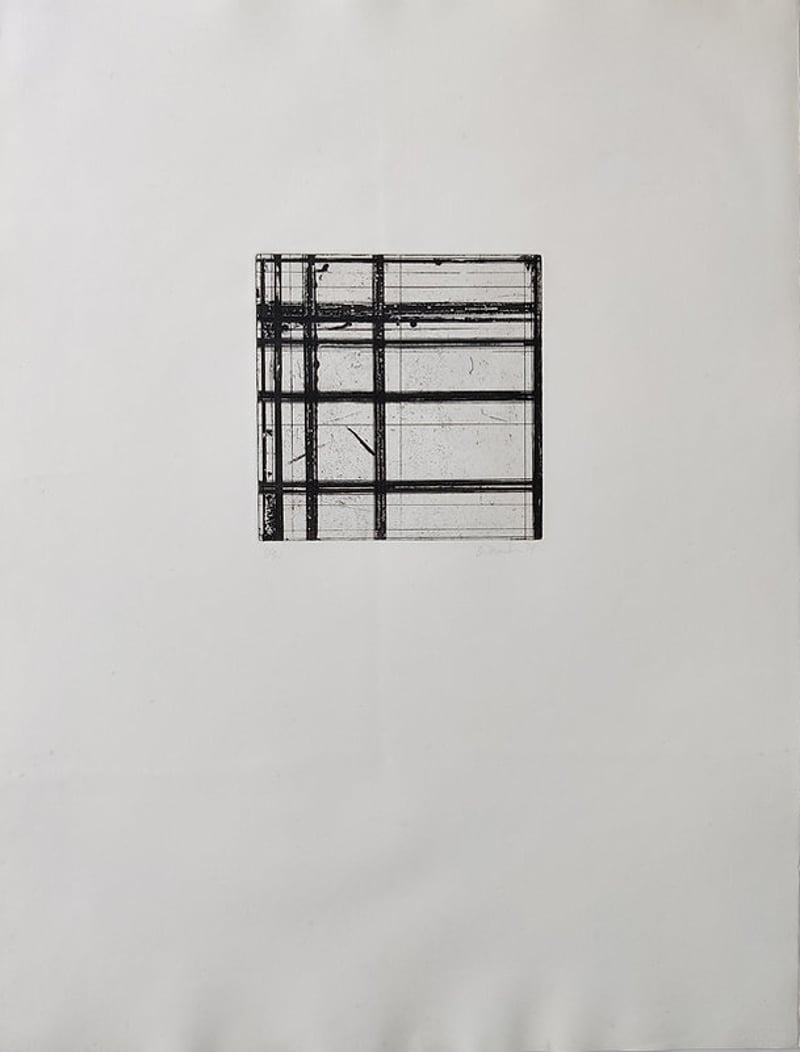
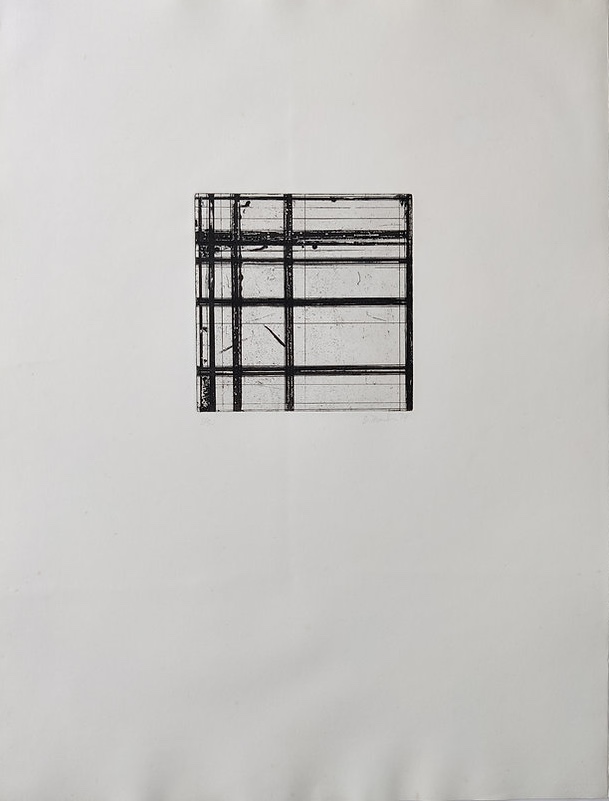
Brice Marden’s Tiles (1979) is an etching with aquatint on Somerset satin paper that reflects his quiet, meditative approach to abstraction. Centered within a large expanse of blank paper, a small square grid of intersecting black lines appears both structured and irregular, with subtle variations in density and texture. The composition evokes architectural frameworks or fragments of urban space, yet remains deliberately ambiguous. Marden’s restrained use of form and space emphasizes balance, repetition, and the physical trace of the artist’s hand. Created in an edition of 50, the work exemplifies his exploration of minimalism while introducing a tactile, almost calligraphic sensitivity to line.
Artwork Copyright © Brice MardenBrice Marden (USA, 1938–2023) was a celebrated painter known for his minimalist canvases and later gestural, calligraphic abstractions. His work bridged Western modernism and Eastern aesthetics, often using nuanced color palettes and meditative linework. Marden’s evolution of style made him a key figure in contemporary art for over five decades.
Artwork Copyright © Brice MardenTiles, 1979
Form
Medium
Size
- Inches
- Centimeters
Edition
Price
- USD
- EUR
- GBP
- CHF
- Authenticity Guaranteed
- Insured Shipping
- Online Since 2005
●Inventory 16771
●Signed
●Comes with gallery invoice and certificate
●Sell Us a Similar Artwork. Learn more.
Etching with aquatint, on Somerset satin paper
Hang signed and dated lower right.
Image size 20 x 20 cm.
Sheet size 75 x 57 cm.
Brice Marden’s Tiles (1979) is an etching with aquatint on Somerset satin paper that reflects his quiet, meditative approach to abstraction. Centered within a large expanse of blank paper, a small square grid of intersecting black lines appears both structured and irregular, with subtle variations in density and texture. The composition evokes architectural frameworks or fragments of urban space, yet remains deliberately ambiguous. Marden’s restrained use of form and space emphasizes balance, repetition, and the physical trace of the artist’s hand. Created in an edition of 50, the work exemplifies his exploration of minimalism while introducing a tactile, almost calligraphic sensitivity to line.
Artwork Copyright © Brice MardenBrice Marden (USA, 1938–2023) was a celebrated painter known for his minimalist canvases and later gestural, calligraphic abstractions. His work bridged Western modernism and Eastern aesthetics, often using nuanced color palettes and meditative linework. Marden’s evolution of style made him a key figure in contemporary art for over five decades.
Artwork Copyright © Brice Marden- Recently Added
- Price (Low-High)
- Price (High-Low)
- Year (Low-High)
- Year (High-Low)
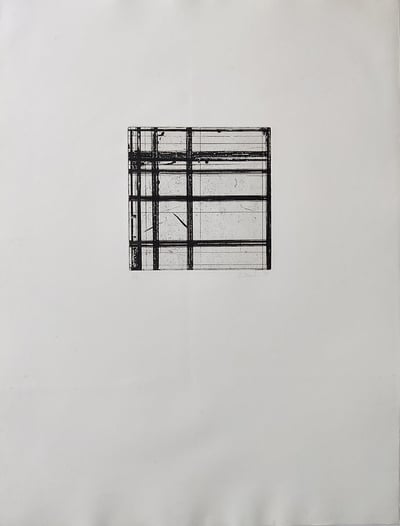
Brice Marden
Tiles, 1979
Limited Edition Print
Etching and Aquatint
USD 5,370
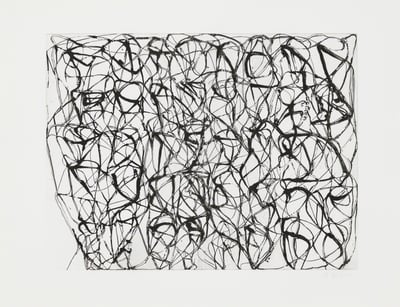
Brice Marden
Cold Mountain, 1991
Limited Edition Print
Etching and Aquatint
Currently Not Available
Related Artists
Related Articles
Popular, Collecting - March 17, 2026
Why Buy from Composition Gallery
Why buy from Composition Gallery? Since 2005, the gallery offers curated works, clear provenance, fair pricing, and secure international shipping for confident art collecting.Read More
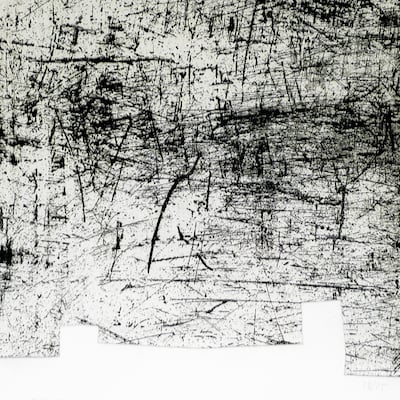
Artwork by Eduardo Chillida
What is abstract art?
Abstract art uses form, shape, line, and color to create a visual experience without attempting to represent external reality. The composition exists independently of the world's visual references, focusing on expressing ideas and emotions through non-representational means.
Brice Marden
Tiles, 1979
75 x 57 cm


