Details
Artist
Styles
22-color screenprint . - Published by Pace Editions, Inc. Year of the Ox by Ai Weiwei is a 2021 screenprint composed of 22 colors, produced in an edition of 58 and published by Pace Editions, Inc. Measuring 40 x 40 inches, the work presents a grid of vividly colored ox heads rendered in a pixelated, graphic style. Set against alternating neon and saturated backgrounds, each image varies in palette, recalling Pop Art seriality while referencing the Chinese zodiac. The repeated motif suggests both individuality and mass production, themes central to Ai’s practice. By merging cultural symbolism with bold contemporary aesthetics, the print reflects on identity, tradition, and the circulation of images in global visual culture.
Details
Artist
Styles
22-color screenprint . - Published by Pace Editions, Inc. Year of the Ox by Ai Weiwei is a 2021 screenprint composed of 22 colors, produced in an edition of 58 and published by Pace Editions, Inc. Measuring 40 x 40 inches, the work presents a grid of vividly colored ox heads rendered in a pixelated, graphic style. Set against alternating neon and saturated backgrounds, each image varies in palette, recalling Pop Art seriality while referencing the Chinese zodiac. The repeated motif suggests both individuality and mass production, themes central to Ai’s practice. By merging cultural symbolism with bold contemporary aesthetics, the print reflects on identity, tradition, and the circulation of images in global visual culture.
- Recently Added
- Price (low-high )
- Price (high-low )
- Year (low-high )
- Year (high-low )

Weiwei Ai
Study Of Perspective In Glass (set Of 6), 2020
Sculpture / Object
Glass
EUR 60,000

Weiwei Ai
3D Printing Of My Left Hand, 2022
Sculpture / Object
Mixed Media
GBP 21,000

Weiwei Ai
Glass Vase, 2023
Sculpture / Object
Glass
GBP 4,000 - 7,000

Weiwei Ai
Artist's Hand, 2017
Sculpture / Object
Resin
GBP 6,900

Weiwei Ai
BOMB, 2020
Limited Edition Print
Inkjet Print
Inquire For Price

Weiwei Ai
Hanging Man In Porcelain, 2009
Sculpture / Object
Mixed Media
Inquire For Price

Weiwei Ai
Year Of The Ox, 2021
Limited Edition Print
Screen-print
Inquire For Price
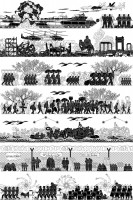
Weiwei Ai
The Odyssey, 2017
Limited Edition Print
Offset Print
EUR 1,550
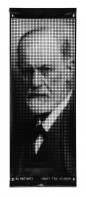
Weiwei Ai
Freud Banner, 2018
Limited Edition Print
Mixed Media
EUR 1,350
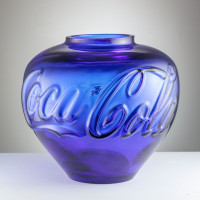
Weiwei Ai
Vase (Blue), 2024
Sculpture / Object
Glass
EUR 4,500
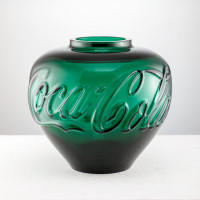
Weiwei Ai
Vase (Green), 2024
Sculpture / Object
Glass
EUR 4,500
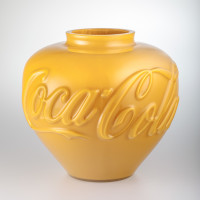
Weiwei Ai
Vase (Mustard), 2024
Sculpture / Object
Glass
EUR 4,500

Weiwei Ai
Private Listing
Limited Edition Print
Relief Printing
Request Info
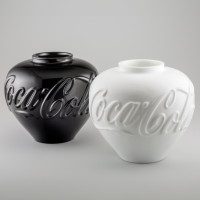
Weiwei Ai
Vases In Black And White (Set Of 2), 2024
Sculpture / Object
Glass
EUR 9,000
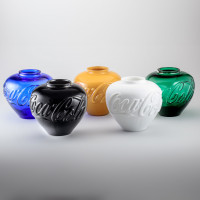
Weiwei Ai
Vases In Five Colours (Set Of 5), 2024
Sculpture / Object
Glass
EUR 17,000 - 22,000

Weiwei Ai
To Be Looked At..., 2024
Sculpture / Object
Metal
USD 6,600

Weiwei Ai
Free Speech, 2023
Limited Edition Print
Silkscreen
GBP 4,650

Weiwei Ai
Human Flow, 2023
Limited Edition Print
Mixed Media
GBP 4,650

Weiwei Ai
Cats (black), 2022
Limited Edition Print
Screen-print
GBP 3,850

Weiwei Ai
Cats (Pink), 2022
Limited Edition Print
Screen-print
GBP 3,950

Weiwei Ai
Pequi Tree, 2021
Sculpture / Object
Mixed Media
GBP 2,490

Weiwei Ai
Turquoise, 2015
Limited Edition Print
Mixed Media
GBP 9,500

Weiwei Ai
Middle Finger, 2023
Limited Edition Print
Silkscreen
USD 1,800

Weiwei Ai
Cedar Tree, 2023
Sculpture / Object
Metal
GBP 3,850

Weiwei Ai
History Of Bombs, 2020
Limited Edition Print
Offset Print
GBP 2,450

Weiwei Ai
Cats, Red, 2022
Limited Edition Print
Screen-print
GBP 3,350

Weiwei Ai
River Crabs (from Papercut Portfolio), 2019
Limited Edition Print
Mixed Media
USD 4,300

Weiwei Ai
The Papercut Portfolio, 2019
Limited Edition Print
Mixed Media
Currently Not Available

Weiwei Ai
The Artist Activist - Art Edition
Limited Edition Print
Mixed Media
Currently Not Available
Related Artists



Related Articles

Popular, Artists - February 17, 2025
Decoding Contemporary Iconography: Uncovering Hidden Symbols in Modern Art
Uncover hidden meanings in contemporary art. Explore the symbolism in works by Ai Weiwei, Banksy, Koons, Hirst, Haring, Kusama, and Magritte. Read More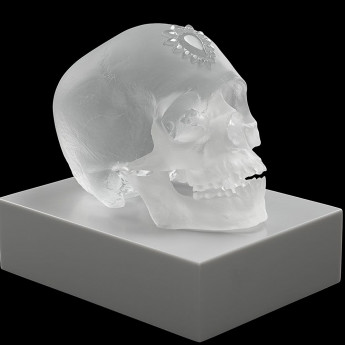
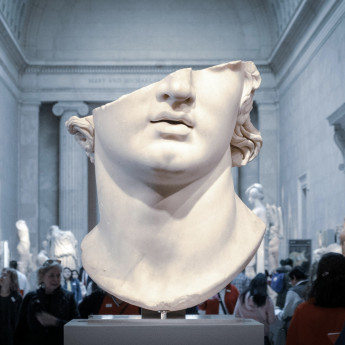

What is Shock Art?
Shock Art is an art movement that uses disturbing images, scents, or sounds to provoke a strong, often shocked, reaction from viewers. It is often regarded as a form of social commentary, with critics and supporters debating whether its impact is positive or negative. Shock Art frequently employs taboo, obscene, or outrageous elements to challenge societal norms and provoke critical thought.