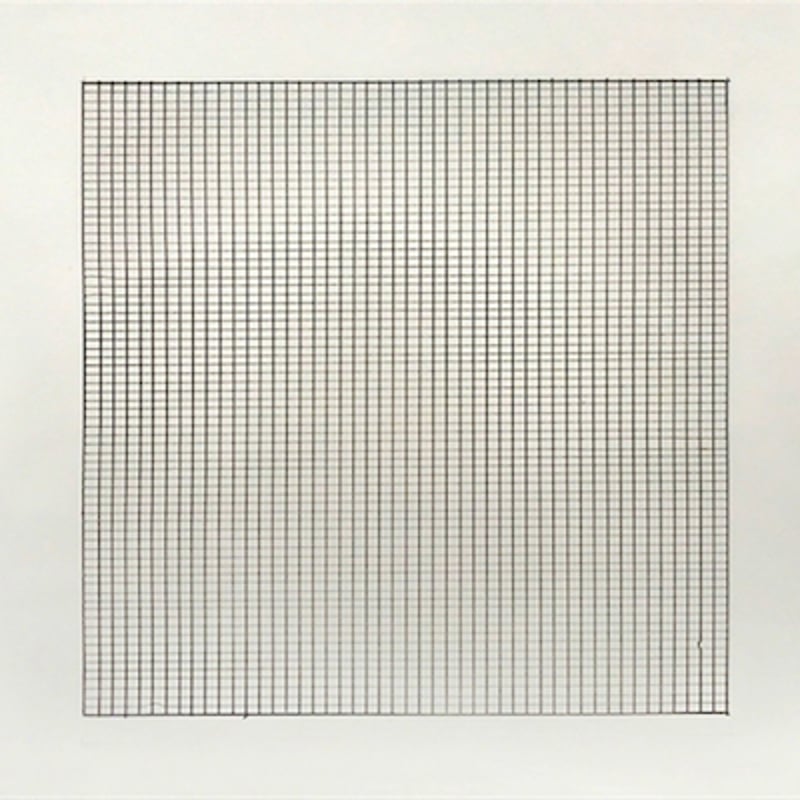
What is minimalism?
- Show All
- Established
- Discoveries
- Show All
Artworks Related to Minimalism
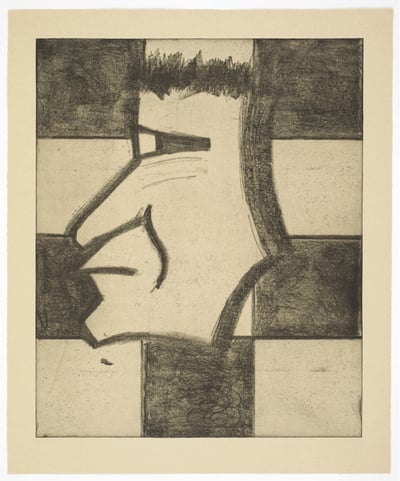
Joe Bradley
Untitled, 2018
Limited Edition Print
Etching
GBP 680
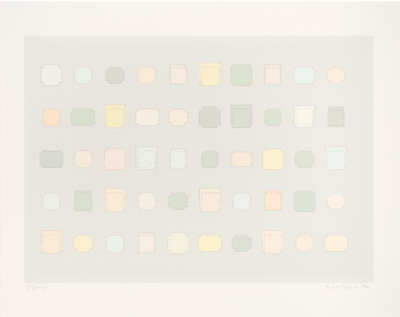
Rachel Whiteread
50 Spaces, 2021
Limited Edition Print
Screen-print
GBP 5,000 - 6,500
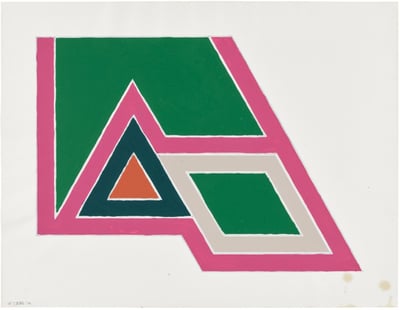
Frank Stella
Untitled (study for Sanbornville, from Eccentric Polygons), 1970
Drawing / Watercolor
Mixed Media
Inquire For Price
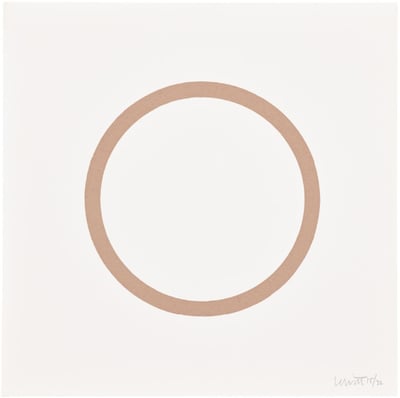
Sol LeWitt
Plate 1 (from Five Geometric Figures in Five Colors), 1986
Limited Edition Print
Screen-print
USD 1,200
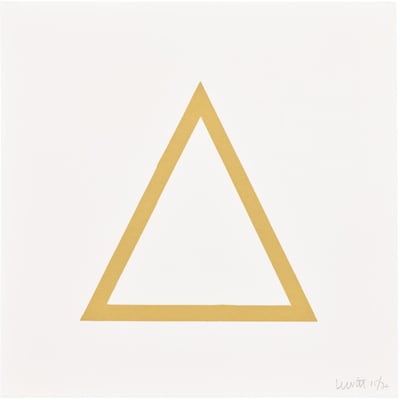
Sol LeWitt
Plate 7 (from Five Geometric Figures in Five Colors), 1986
Limited Edition Print
Screen-print
USD 1,200
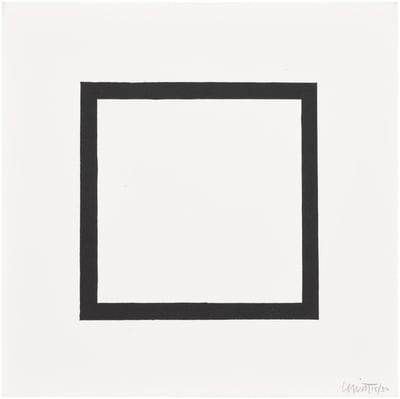
Sol LeWitt
Plate 7 (from Five Geometric Figures in Five Colors), 1986
Limited Edition Print
Screen-print
USD 1,200
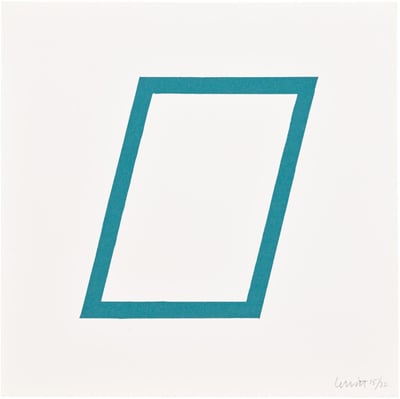
Sol LeWitt
Plate 15 (from Five Geometric Figures in Five Colors), 1986
Limited Edition Print
Screen-print
USD 1,200
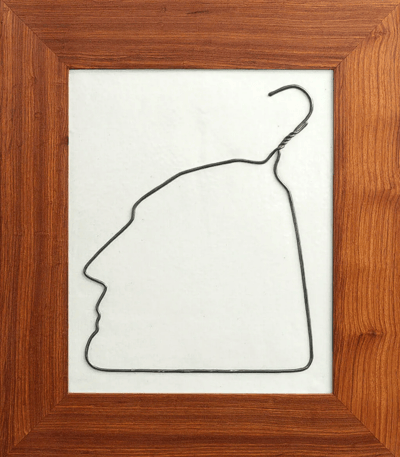
Weiwei Ai
Hanging Man in Porcelain, 2009
Sculpture / Object
Mixed Media
Inquire For Price
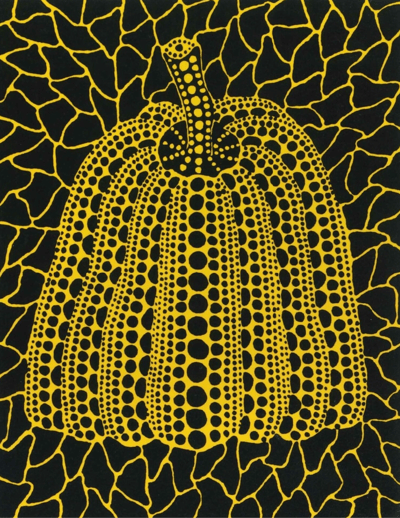
Yayoi Kusama
Pumpkin (S), 1992
Limited Edition Print
Screen-print
GBP 37,500
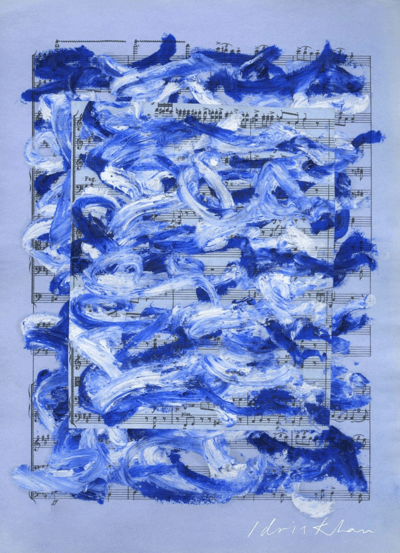
Idris Khan
Long Live Love, 2020
Limited Edition Print
Collage
GBP 2,500
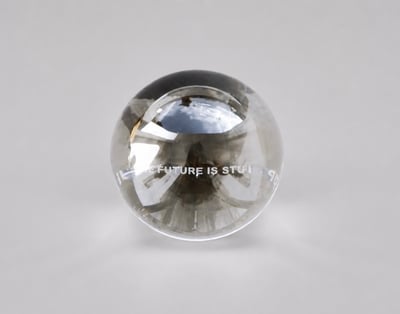
Jenny Holzer
The future is stupid, 2000
Sculpture / Object
Mixed Media
EUR 1,400
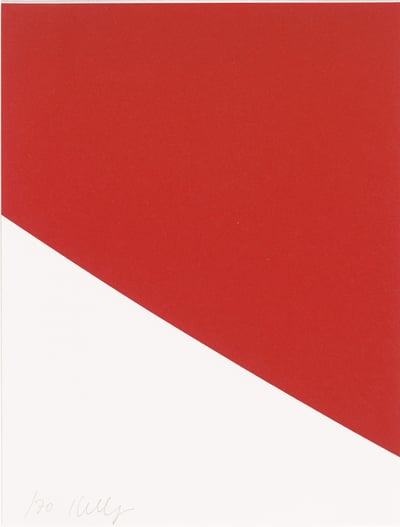
Ellsworth Kelly
Red Curve, 1999
Limited Edition Print
Lithograph
USD 16,000
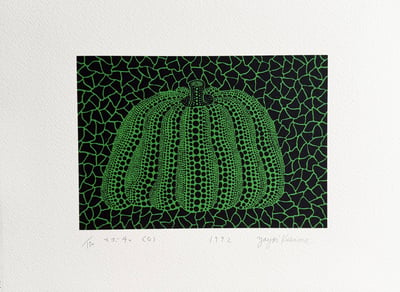
Yayoi Kusama
Pumpkin (G), 1992
Limited Edition Print
Screen-print
USD 45,750

Imi Knoebel
Rosa Trapez, 1998-2001
Painting
Mixed Media
Inquire For Price
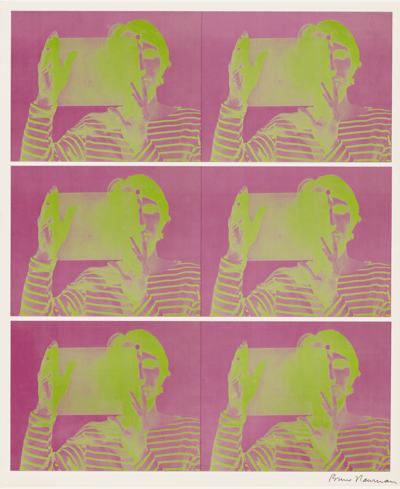
Bruce Nauman
Sequence, 1968
Limited Edition Print
Offset Print
EUR 2,700
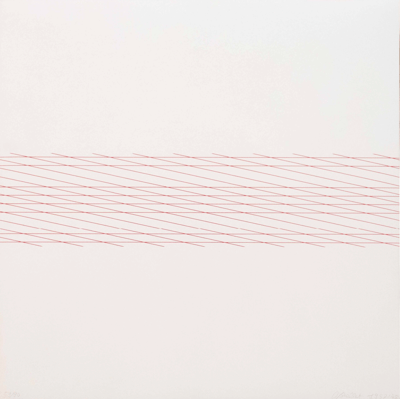
Francois Morellet
Trame, 1957-1975
Limited Edition Print
Silkscreen
EUR 1,800
Related Articles

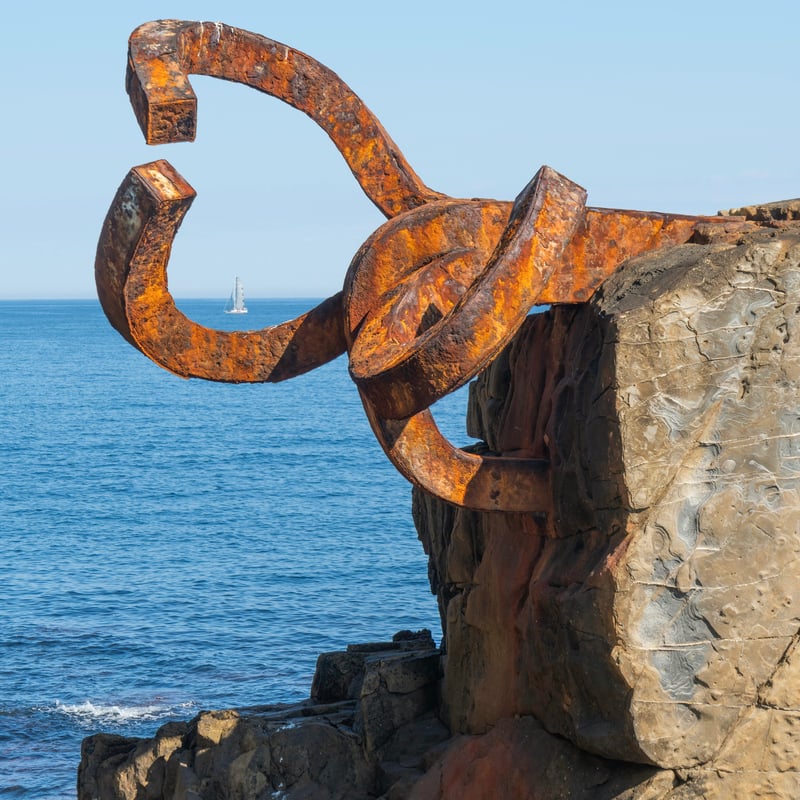


Multimedia refers to an art technique that combines multiple forms of media, such as visual, audio, and digital elements, into a single composition. This is different from mixed media, which involves combining various traditional art materials within one artwork. Multimedia art often integrates technology, like video, sound, or interactive components, allowing artists to create dynamic and immersive experiences. Artists may develop new personal techniques by blending these diverse media, contributing to their unique artistic style.
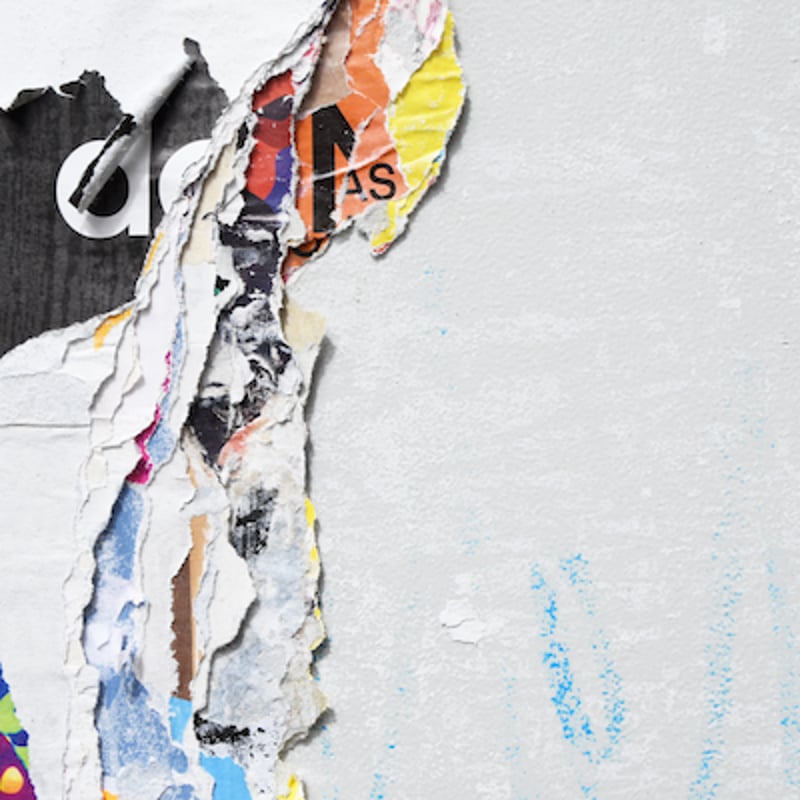
Décollage is an art technique involving the removal, cutting, or tearing away of parts of an original image. The term comes from the French word meaning to take off or to unstick. Artists use this method to challenge or replace existing values, often symbolically tearing away influences from media or conventional thinking.
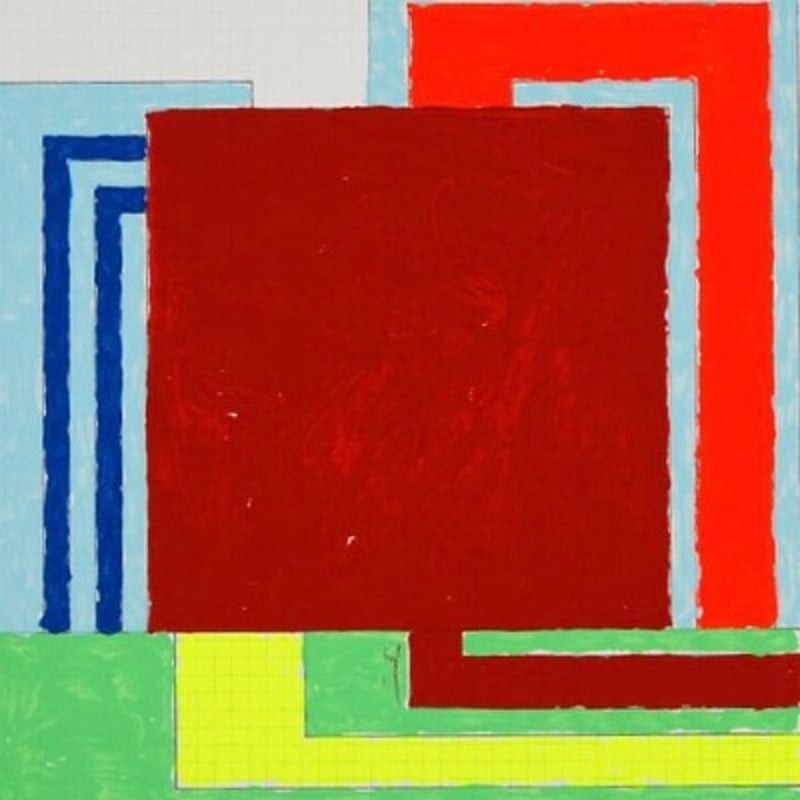
Known as Neo-Geo for short, this movement uses geometric objects and shapes to create abstract artwork as a metaphor for society. Inspired by various 20th-century art styles, including minimalism and pop art, Neo-Geo emerged in the 1980s as a response to the industrialization and commercialization of the modern world. The movement reflects on the impact of mass production, consumerism, and technology, often critiquing the superficiality of contemporary culture through its abstract, geometric compositions.
Can't find your Answer?
Thank you! Your question has been sent — we'll get back to you shortly.
