What is minimalism?
- Show All
- Established
- Discoveries
- Show All
Artworks Related to Minimalism
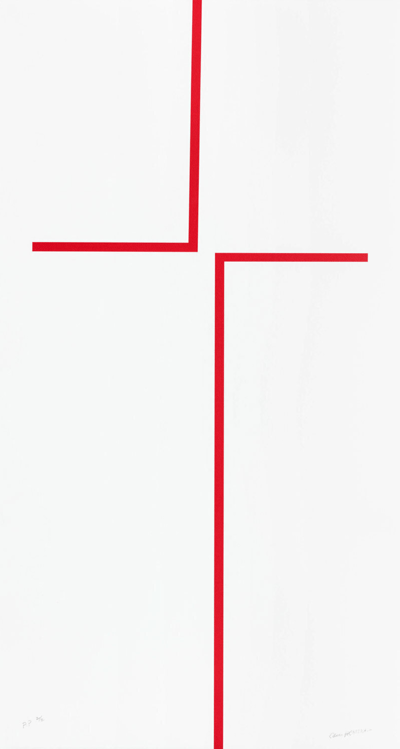
Carmen Herrera
The Way, 2017
Limited Edition Print
Lithograph
GBP 9,900

Jasper Johns
Knee, 1974
Limited Edition Print
Lithograph
USD 7,350
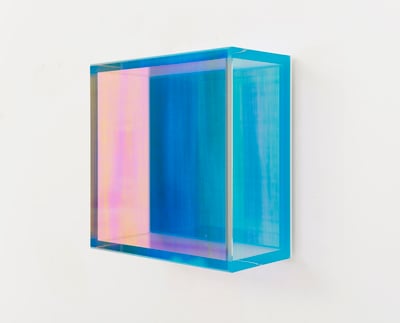
Regine Schumann
Color mirror turquoise Gent, 2023
Sculpture / Object
Acrylic sculpture
EUR 4,500
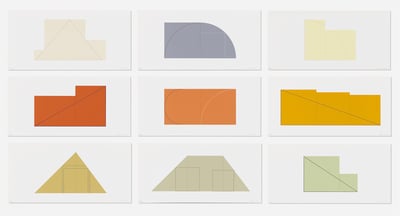
Robert Mangold
Multiple Panel Paintings, suite, 1992
Limited Edition Print
Screen-print
USD 13,200

Ellsworth Kelly
Black Variation I, 1973-75
Limited Edition Print
Lithograph
USD 22,000 - 27,000
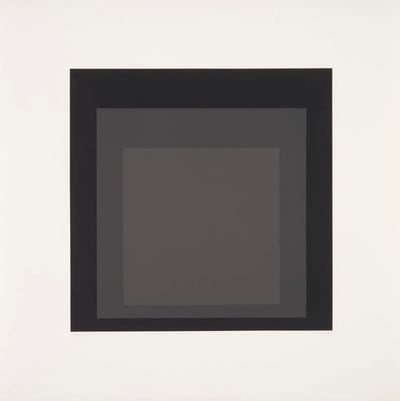
Josef Albers
Homage to the Square, 1970
Limited Edition Print
Screen-print
Currently Not Available
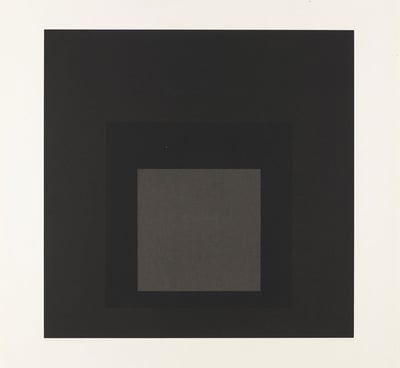
Josef Albers
Midnight + Noon I, 1964
Limited Edition Print
Lithograph
Currently Not Available

Josef Albers
Variants II, from Ten Variants, 1966
Limited Edition Print
Screen-print
USD 5,400

Josef Albers
Variants I, from Ten Variants, 1966
Limited Edition Print
Screen-print
USD 5,400

Josef Albers
Variants IV, from Ten Variants, 1966
Limited Edition Print
Screen-print
USD 5,400
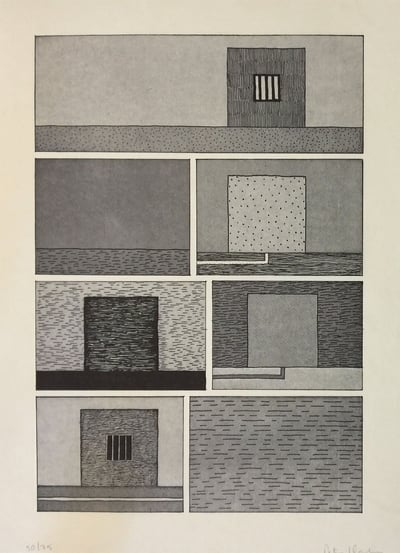
Peter Halley
Untitled (from the BAM III Portfolio), 1991
Limited Edition Print
Lithograph
USD 3,100
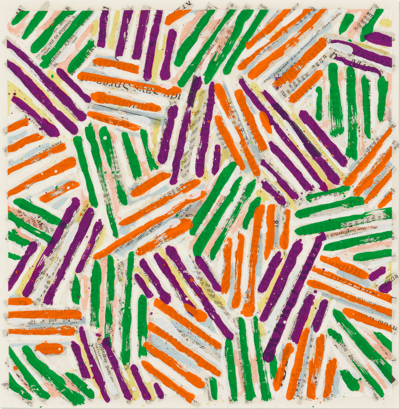
Jasper Johns
Cross Hatch, 1977
Limited Edition Print
Screen-print
Currently Not Available
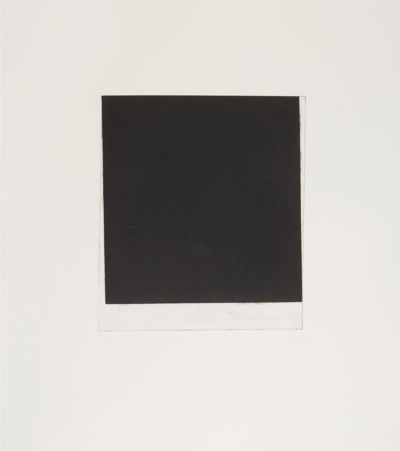
Ellsworth Kelly
Wall, 1976-1979
Limited Edition Print
Etching and Aquatint
USD 6,790
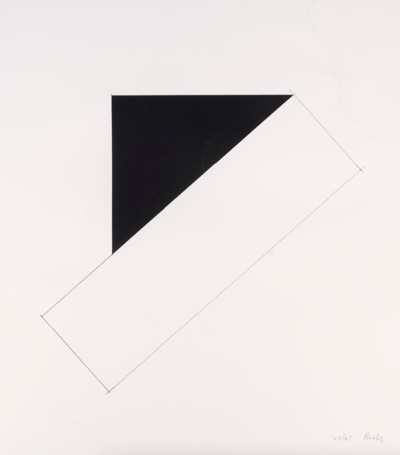
Ellsworth Kelly
Jacmel, 1978-1980
Limited Edition Print
Screen-print
USD 8,500
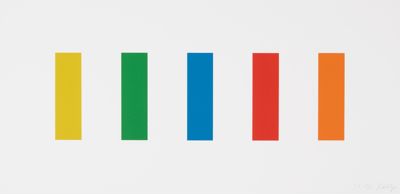
Ellsworth Kelly
Dartmouth, 2011
Limited Edition Print
Lithograph
Currently Not Available
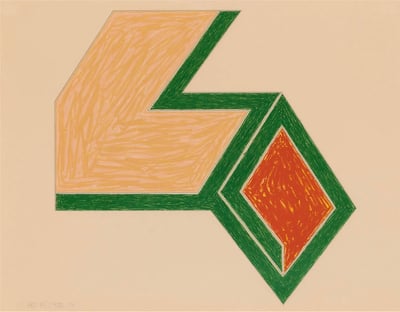
Frank Stella
Effingham, 1974
Limited Edition Print
Mixed Media
Inquire For Price
Related Articles

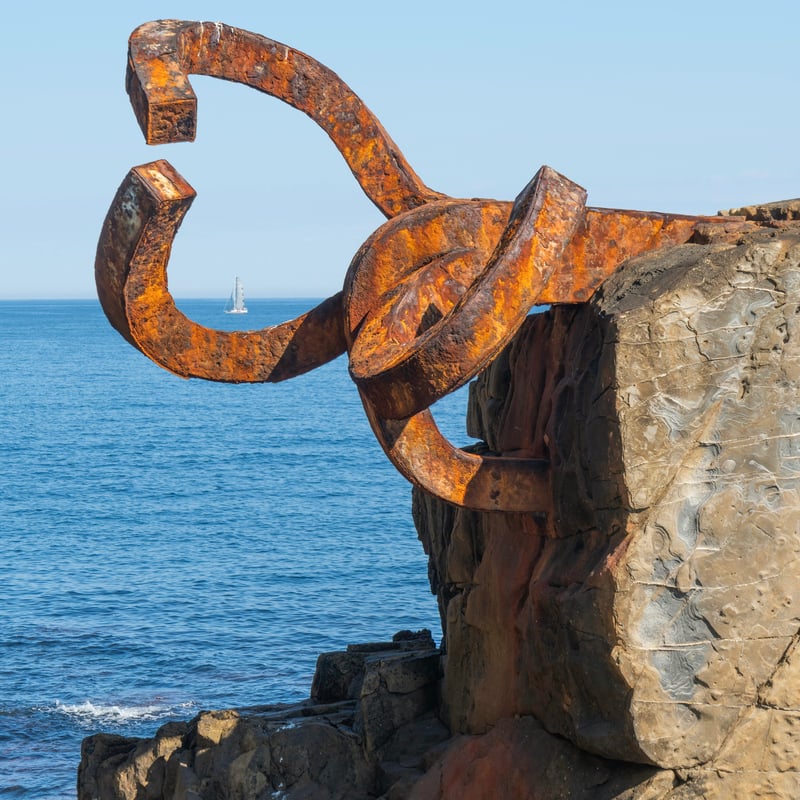

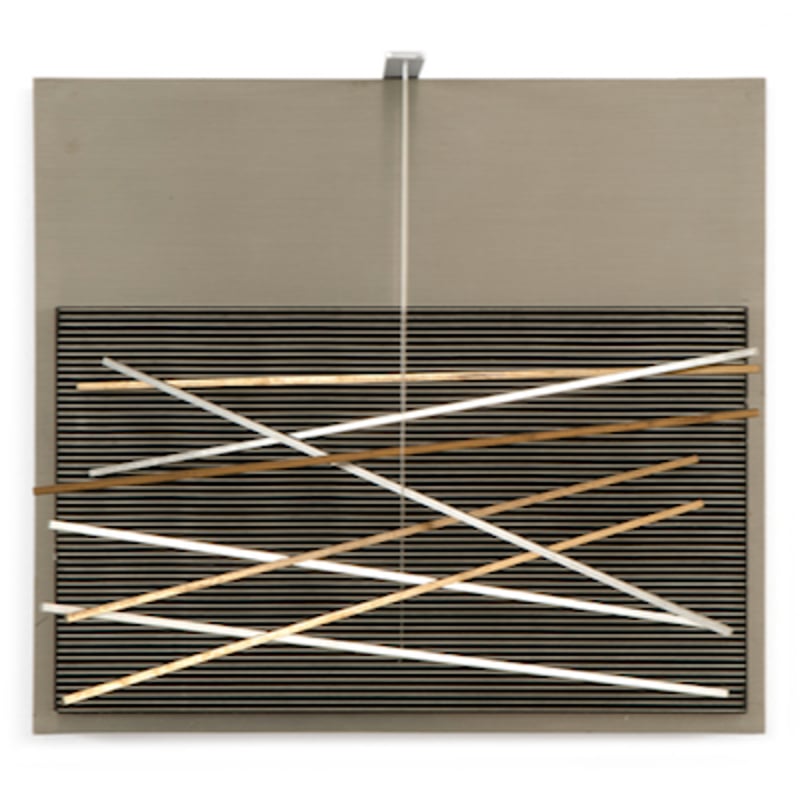
Kinetic art is an international movement that emerged in the 1920s and gained prominence in the 1960s, referring to art that involves both apparent and real motion. It encompasses any medium that includes movement, either relying on actual motion for its effect or being perceived as moving by the viewer. Early examples include canvas paintings designed to create optical illusions of movement. Today, kinetic art often refers to three-dimensional figures and sculptures, such as those operated by machines or those that move naturally. The movement covers a variety of styles and techniques that frequently overlap.
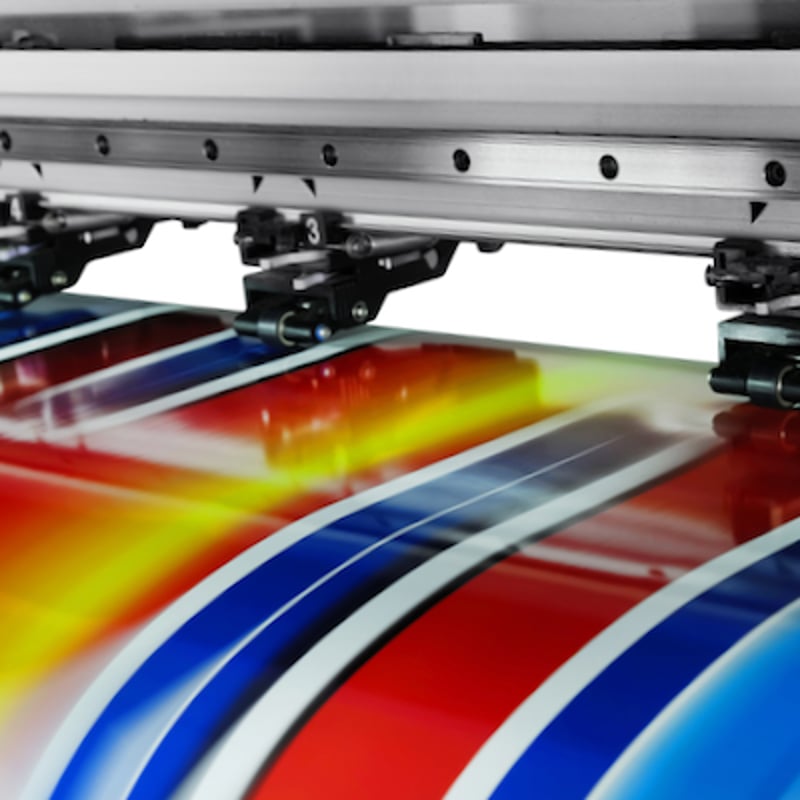
An inkjet printer creates prints by spraying millions of tiny ink droplets onto paper. This type of printing is generally inexpensive because the ink is relatively affordable. Artists can use computers to create digital art, which can then be printed in color using inkjet technology.
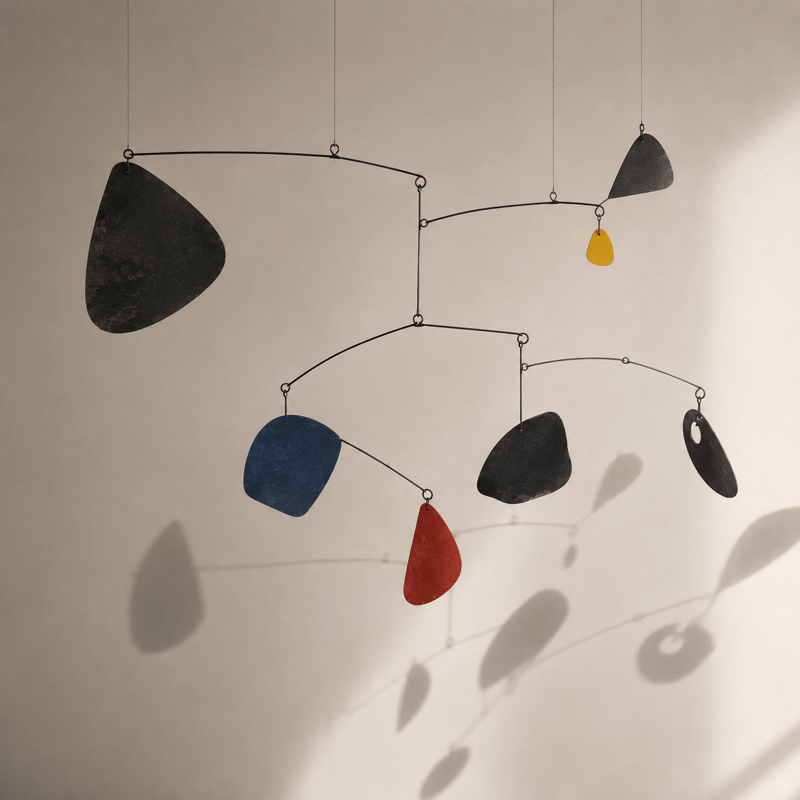
A mobile is a type of kinetic sculpture consisting of an ensemble of balanced parts that hang freely and move independently or as a whole when influenced by air currents or touch. Typically made of wire and colorful metal shapes, mobiles are designed to create dynamic visual effects through their motion.
Can't find your Answer?
Thank you! Your question has been sent — we'll get back to you shortly.
