
What is a screen-print?
- Show All
- Established
- Discoveries
- Show All
Artworks Related to Screen-print

Andy Warhol
The Witch (F. & S. II.261), 1981
Limited Edition Print
Screen-print
USD 50,000 - 60,000

Alexander Calder
McGovern for McGovernment , 1972
Limited Edition Print
Screen-print
USD 1,850
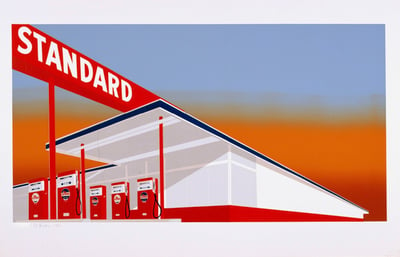
Ed Ruscha
Standard Station, 1966
Limited Edition Print
Screen-print
Currently Not Available

Donald Sultan
Wallflowers (black on grey), 2018
Limited Edition Print
Screen-print
USD 9,000 - 12,000
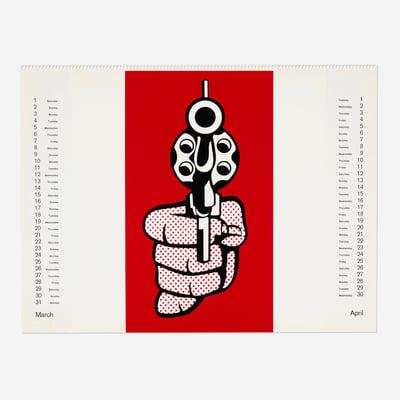
Roy Lichtenstein
Pistol (from Banner, Multiples Calendar, 1968
Limited Edition Print
Screen-print
USD 4,600

Andy Warhol
Mick Jagger (F & S II.145), 1975
Limited Edition Print
Screen-print
Inquire For Price

Andy Warhol
Mao (F & S II.95), 1972
Limited Edition Print
Screen-print
Inquire For Price
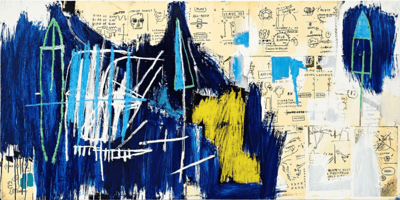
Jean-Michel Basquiat
Odours Of Punt, 1983-2024
Limited Edition Print
Screen-print
Inquire For Price
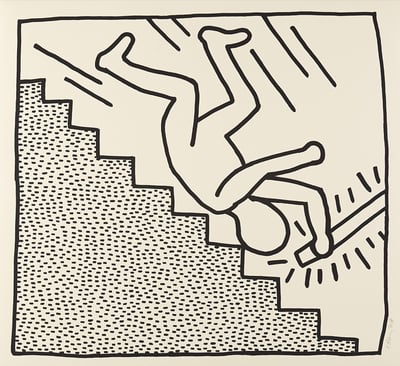
Keith Haring
Untitled (Plate 16) from The Blueprint Drawings, 1990
Limited Edition Print
Screen-print
USD 35,000 - 45,000
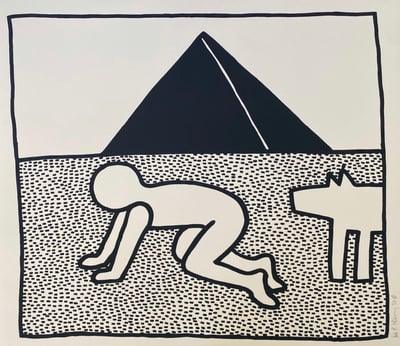
Keith Haring
Untitled (Plate 17) from The Blueprint Drawings, 1990
Limited Edition Print
Screen-print
USD 35,000 - 45,000
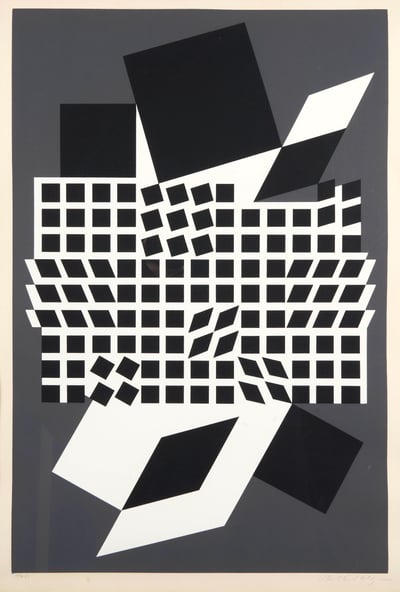
Victor Vasarely
OETA, 1959
Limited Edition Print
Screen-print
USD 1,000
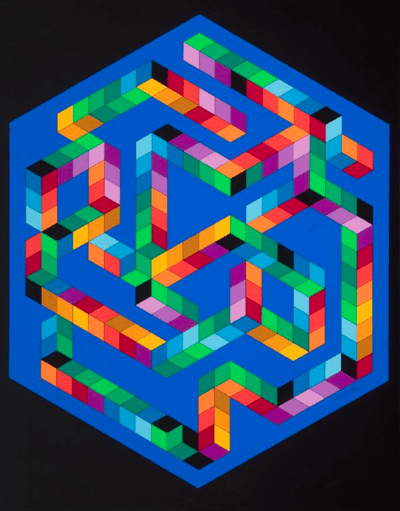
Victor Vasarely
Babel 3, 1978
Limited Edition Print
Screen-print
USD 950

Victor Vasarely
Silver Composition, 1980
Limited Edition Print
Screen-print
Currently Not Available

Victor Vasarely
Viva, 1974
Limited Edition Print
Screen-print
USD 1,100

Victor Vasarely
Kraft und Natur I, 1972
Limited Edition Print
Screen-print
Currently Not Available

Alex Katz
Grey Ribbon, 1990
Limited Edition Print
Screen-print
USD 5,500
Related Articles



Colour Field Painting is an abstract style characterized by large areas of a single color or simple, solid colors. The term was first used in the 1950s to describe the work of three American Abstract Expressionist painters—Barnett Newman, Mark Rothko, and Clyfford Still. Their work emphasized the emotional power of color and the creation of vast, meditative spaces through expansive color fields.
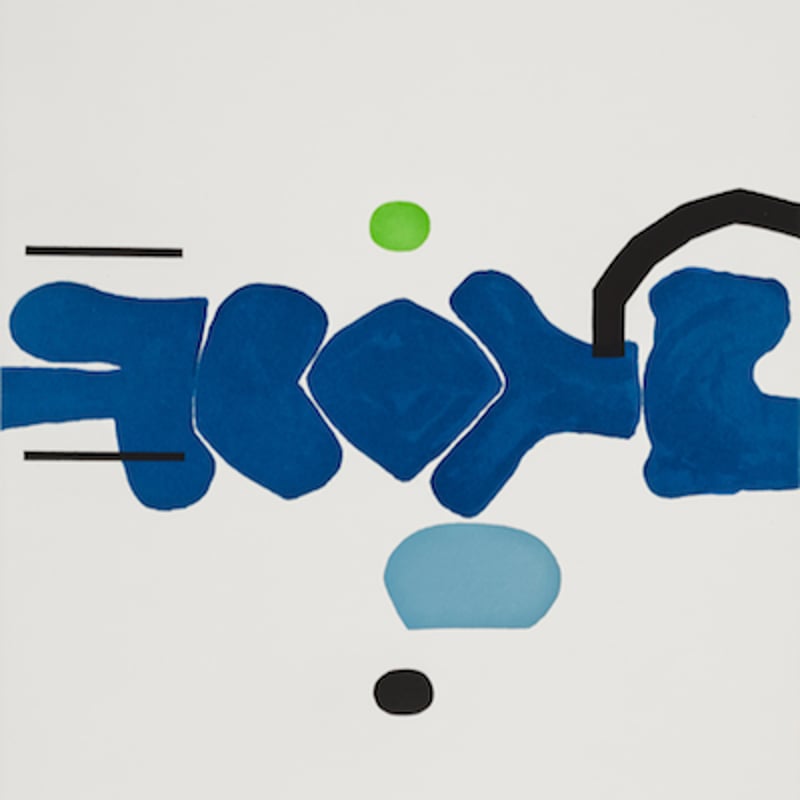
Constructivism is an architectural and artistic philosophy of Russian origin that emerged as a rejection of the idea of autonomous art. The movement advocated for art to serve practical social purposes. Since its inception in 1919, Constructivism has evolved and significantly impacted 20th-century art movements, influencing major trends such as De Stijl and Bauhaus.
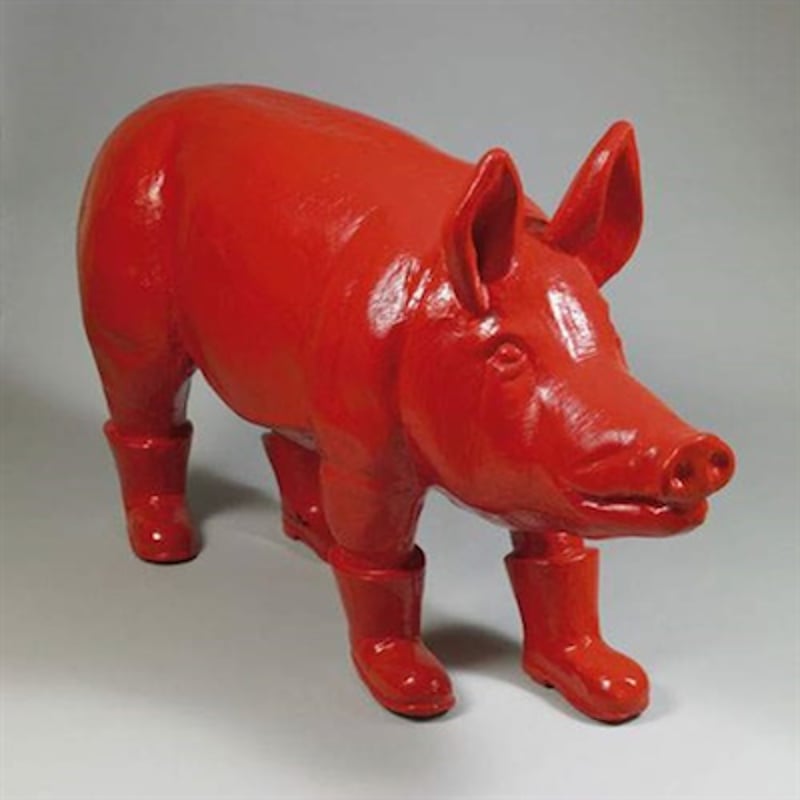
Kitsch is a term used to describe cheap, commercial, sentimental, or vulgar art and objects commonly associated with popular culture. The word is borrowed from German, where it originally means trash. Since the 1920s, kitsch has been used to denote the opposite of high art, often implying that the work lacks sophistication or artistic merit.
Can't find your Answer?
Thank you! Your question has been sent — we'll get back to you shortly.
