
What is a screen-print?
- Show All
- Established
- Discoveries
- Show All
Artworks Related to Screen-print
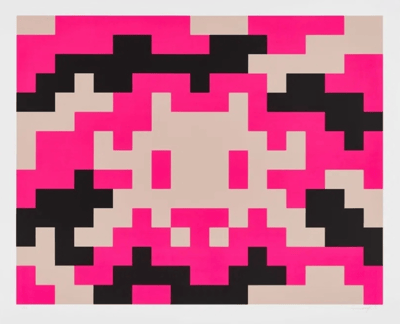
Invader
CAMO XXL-3C-M1, 2024
Limited Edition Print
Screen-print
GBP 16,000 - 20,000
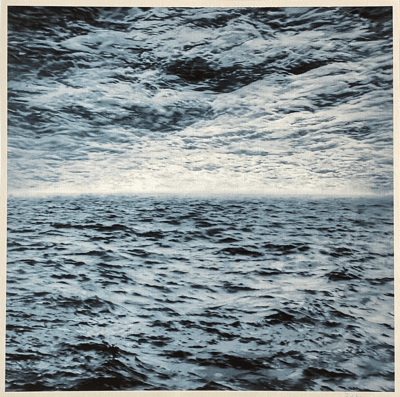
Gerhard Richter
Seascape, 1968
Limited Edition Print
Screen-print
GBP 12,000 - 17,000
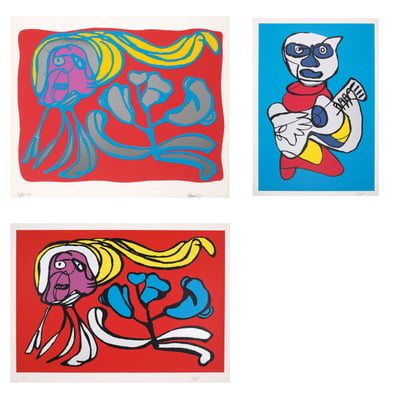
Karel Appel
A Group of 3 Screenprints, 1975 / 1978
Limited Edition Print
Screen-print
USD 2,810

Keith Haring
The Story of Red and Blue #5, 1989–90
Limited Edition Print
Screen-print
USD 4,500
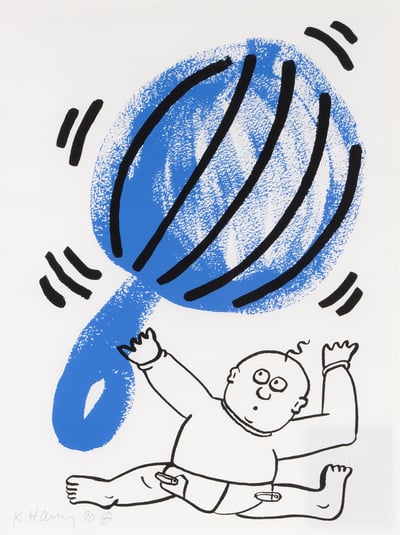
Keith Haring
The Story of Red and Blue #2, 1989-1990
Limited Edition Print
Screen-print
USD 4,500

Julian Opie
Woman taking off man's shirt, 2003
Limited Edition Print
Screen-print
USD 1,950
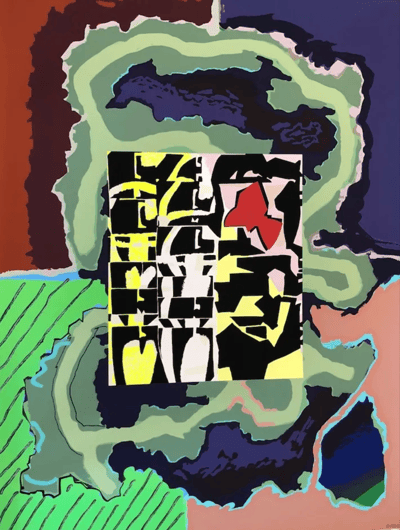
Luis Gordillo
Untitled (Chromatic Core), 2012
Limited Edition Print
Screen-print
EUR 7,200
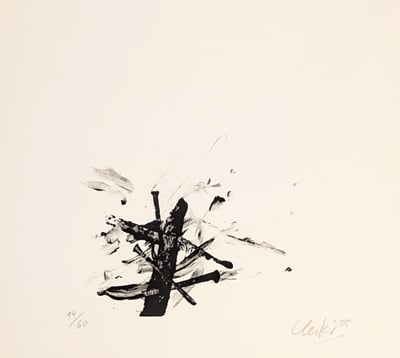
Gunther Uecker
Sarajewo 6, 2005
Limited Edition Print
Screen-print
Currently Not Available

Roy Lichtenstein
Composition II, 1996
Limited Edition Print
Screen-print
USD 80,000 - 90,000

Andy Warhol
Tomato Soup, II.46 from Campbell's Soup I, 1968
Limited Edition Print
Screen-print
USD 150,000 - 170,000

Andy Warhol
$ (9), II.285, 1982
Limited Edition Print
Screen-print
USD 200,000 - 250,000
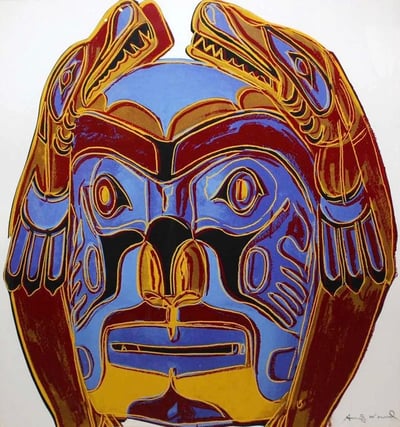
Andy Warhol
Cowboys and Indians: Northwest Coast Mask, II.380, 1986
Limited Edition Print
Screen-print
USD 39,700

Andy Warhol
Mao (F & S II.96), 1972
Limited Edition Print
Screen-print
USD 45,000 - 55,000
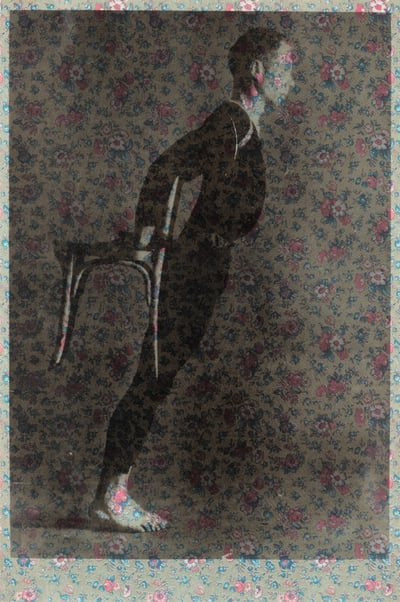
Andy Warhol
Merce Cunningham, 1974
Limited Edition Print
Screen-print
USD 14,000
Roy Lichtenstein
Private Listing
Limited Edition Print
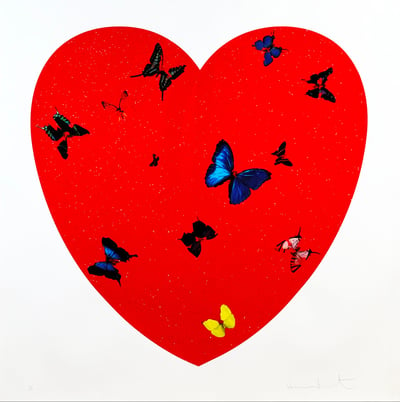
Damien Hirst
All You Need Is Love Love Love, 2010
Limited Edition Print
Screen-print
GBP 30,000 - 38,000
Related Articles


Bronze is a metal alloy made primarily of copper and tin, with a typical modern composition of 88% copper and 12% tin. Over time, bronze develops a patina, a surface color that often turns deep green due to oxidation. Large bronze objects, such as sculptures, are typically made in foundries. Bronze is valued for its durability and has been widely used throughout history for art, tools, and weapons.
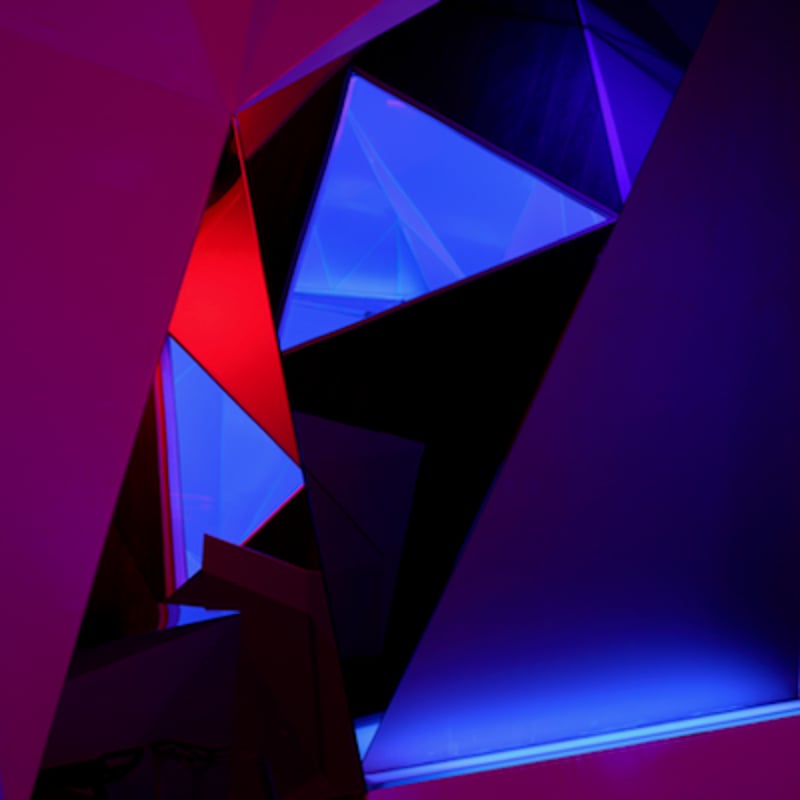
Light art refers to artworks that use light as the primary medium. These can include sculptures or installations that interact with the natural or urban environment. Light art can be suspended, in relief, ground-based, permanent, or temporary. There are two main types of light art: one displayed indoors in galleries and another exhibited outdoors. Light art has been used throughout human history, from ancient times to contemporary public installations.
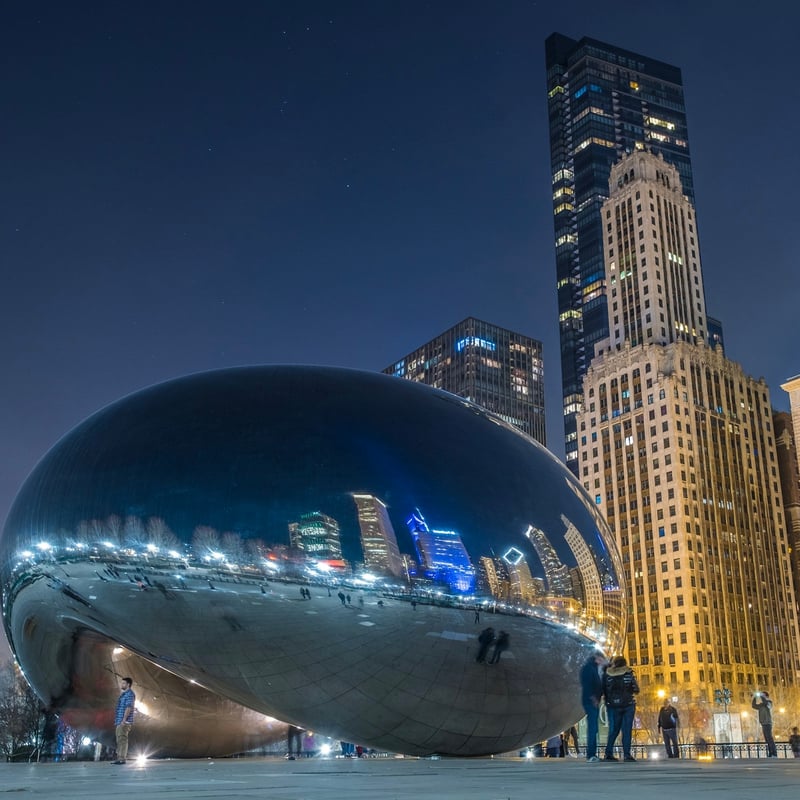
New British Sculpture is the name referring to the work produced by a group of sculptors, installation artists, and other creators who exhibited together in London during the 1980s. This group included artists like Richard Deacon, Richard Wentworth, and Tony Cragg. Tim Woods helped define this movement by identifying four major themes: the blending of kitsch and pop culture, the use of UK urban waste in a bricolage style, the assignment of new meanings to everyday objects, and a playful approach using wit and humor.
Can't find your Answer?
Thank you! Your question has been sent — we'll get back to you shortly.
