What is Bronze?
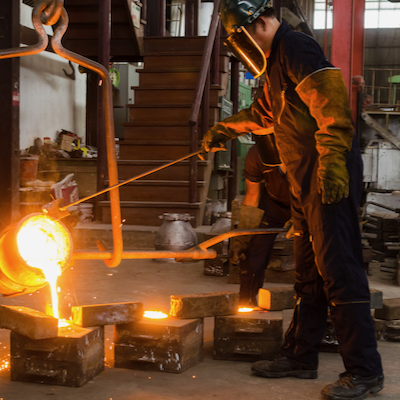
Bronze is a metal alloy made primarily of copper and tin, with a typical modern composition of 88% copper and 12% tin. Over time, bronze develops a patina, a surface color that often turns deep green due to oxidation. Large bronze objects, such as sculptures, are typically made in foundries. Bronze is valued for its durability and has been widely used throughout history for art, tools, and weapons.
- Show All
- Established
- Discoveries
ARTWORKS RELATED TO BRONZE

Fernandez Arman
Ofelia, 1996
Sculpture / Object
Bronze
Inquire For Price

Man Ray
Masque, 1971
Sculpture / Object
Bronze
USD 9,750

Tracey Emin
Holding On To You, 2015
Sculpture / Object
Bronze
GBP 35,000 - 45,000

Julian Opie
Handbag, 2020
Sculpture / Object
Bronze
GBP 10,000 - 12,000

Livia Canestraro
Standing Woman,
Sculpture / Object
Bronze
EUR 15,000
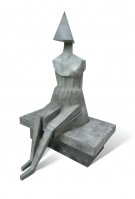
Lynn Chadwick
Little Girl III, 1987
Sculpture / Object
Bronze
Inquire For Price
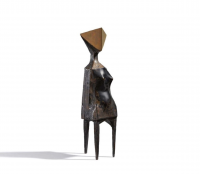
Lynn Chadwick
Little Girl, 1970
Sculpture / Object
Bronze
Inquire For Price
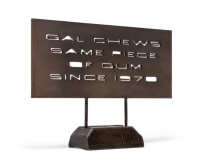
Ed Ruscha
Gal Chews Same Piece of Gum, 2021
Sculpture / Object
Bronze
Inquire For Price

Stephan Balkenhol
Private Listing
Sculpture / Object
Bronze
Request Info
Stephan Balkenhol
Private Listing
Sculpture / Object
Bronze
Request Info

Arnaldo Pomodoro
Torre a spirale, studio 1, 1985
Sculpture / Object
Bronze
Currently Not Available

Manolo Valdés
Las Damas De Barajas, 2006
Sculpture / Object
Bronze
EUR 23,890

Tracey Emin
The Wedding, 2019
Sculpture / Object
Bronze
GBP 13,000 - 17,000
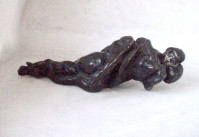
Eva Claessens
A Hug III, 2023
Sculpture / Object
Bronze
USD 7,800
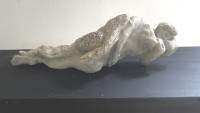
Eva Claessens
A Hug (horizontal), 2023
Sculpture / Object
Bronze
USD 4,800

Julian Opie
Cap: Boston Statuette, 2020
Sculpture / Object
Bronze
USD 17,500
Related Articles

Collecting - March 25, 2025
Understanding Editioned Sculptures: What Collectors Need to Know
Explore the value of editioned sculptures, from bronze to electric art. Learn how edition size, material, and artist impact collectability. Read More

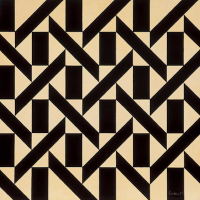
Grupo Ruptura was an organization formed in Brazil by artists who sought to break away from traditional naturalist painting in favor of geometric abstract art. In the early 1950s, the group published the Ruptura Manifesto, advocating for new art for a new country. The manifesto emphasized a departure from the past and a commitment to innovation, aligning with the modernist vision of Brazil as a forward-looking nation.

Arte Nucleare was the name of an artist group founded in Milan in 1951. The group aimed to create art that responded to the dangers and technologies of the nuclear age. Their works often utilized automatic techniques and depicted devastated landscapes and mushroom clouds, reflecting the anxieties of a world on the brink of nuclear catastrophe.