
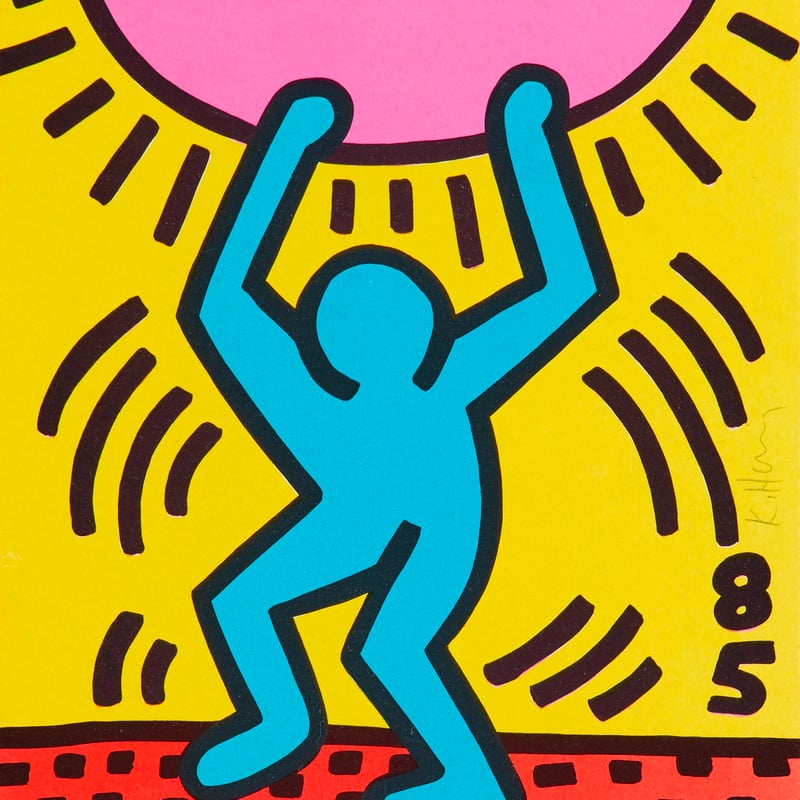
United States
The contemporary art scene in the United States is a dynamic fusion of diverse traditions and avant-garde explorations, resonating across the global art spectrum. Institutions like the Museum of Modern Art in New York and the Los Angeles County Museum of Art are central to this discourse, spotlighting artists from different backgrounds and mediums. Notable figures such as Jeff Koons, known for his monumental public sculptures, and Kara Walker, recognized for her poignant silhouettes and murals, contribute to the vibrant US artistic landscape. Major events like Art Basel Miami further underline the country's role as a nexus of contemporary art. Dive into the robust and compelling art scene of the United States on Composition Gallery's website.
- Show All
- Established
- Discoveries
- Show All
Artworks Related to United States
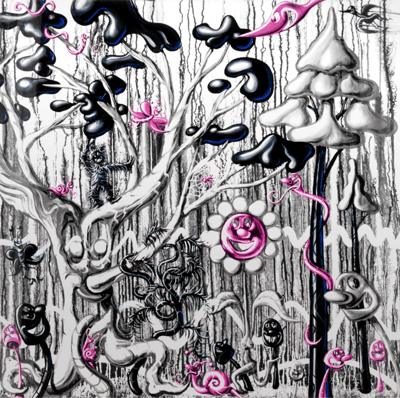
Kenny Scharf
Furungle 1, 2021
Limited Edition Print
Mixed Media
USD 5,790
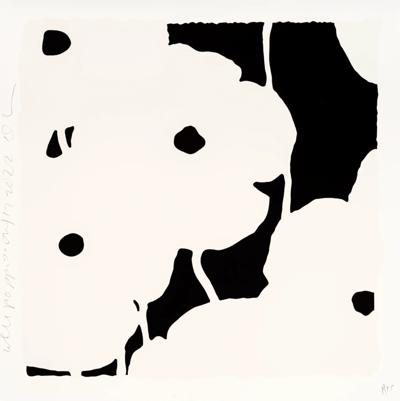
Donald Sultan
White Poppies, Sept 7, 2022, 2022
Limited Edition Print
Silkscreen
USD 4,250
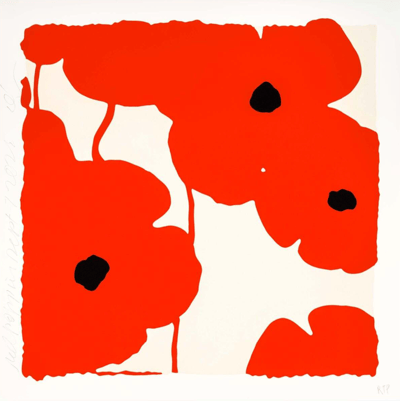
Donald Sultan
Red Poppies, Sept 7, 2022, 2022
Limited Edition Print
Silkscreen
USD 4,250
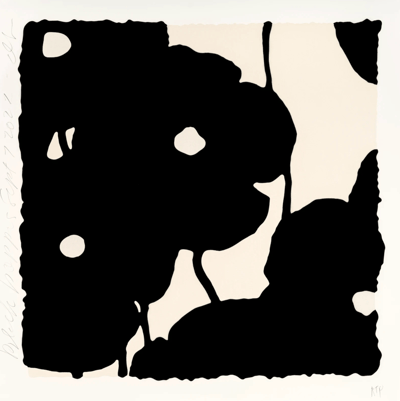
Donald Sultan
Black Poppies, Sept 7, 2022, 2022
Limited Edition Print
Silkscreen
USD 4,250
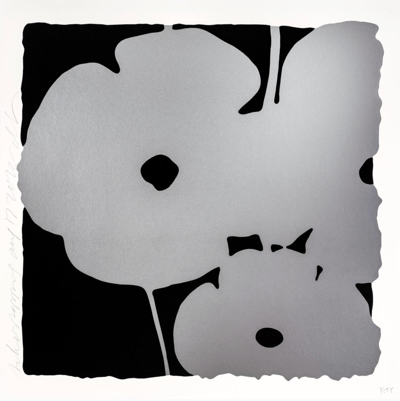
Donald Sultan
Silver Poppies, Sept 7, 2022 (against black), 2022
Limited Edition Print
Silkscreen
USD 4,250
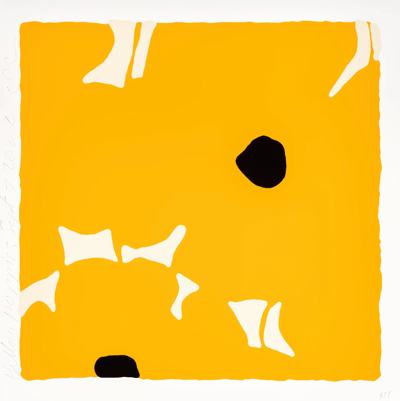
Donald Sultan
Yellow Poppies, Sept 7, 2022, 2022
Limited Edition Print
Silkscreen
USD 4,250
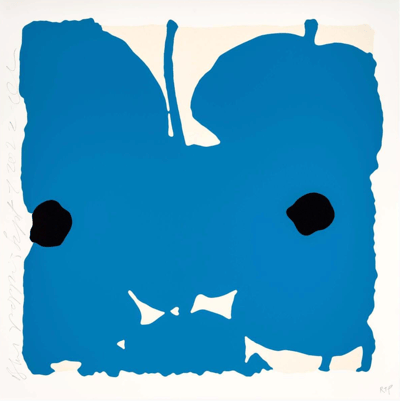
Donald Sultan
Blue Poppies, Sept 7, 2022, 2022
Limited Edition Print
Silkscreen
USD 4,250
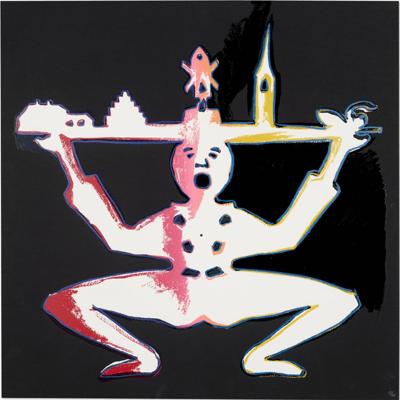
Andy Warhol
Hans Christian Andersen (Clown with Tablet on his Head), 1987
Limited Edition Print
Screen-print
USD 14,600
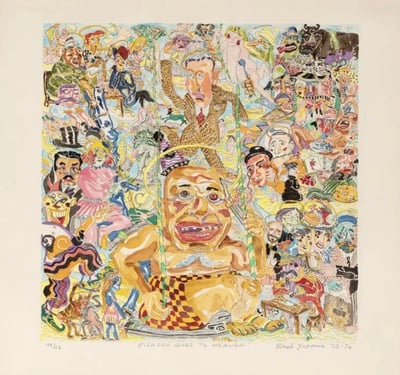
Red Grooms
Picasso Goes to Heaven on a Swing II, 1973-76
Limited Edition Print
Etching
Inquire For Price
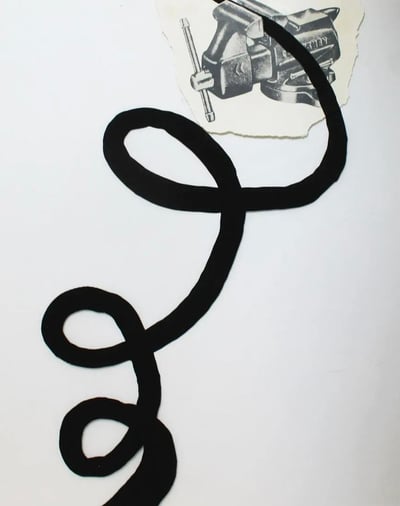
Jim Dine
Tool Box V, 1966
Limited Edition Print
Screen-print
USD 1,350
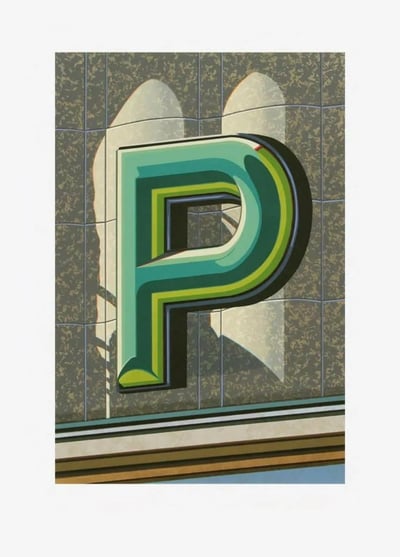
Robert Cottingham
The Letter P, 2001
Limited Edition Print
Lithograph
USD 1,100
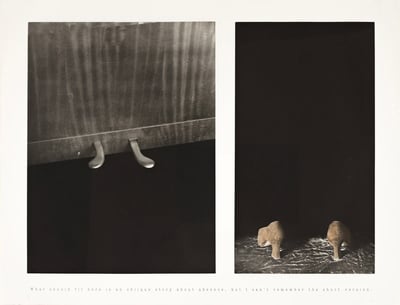
Lorna Simpson
Untitled (B/W diptych), 1993
Limited Edition Print
Screen-print
USD 13,000
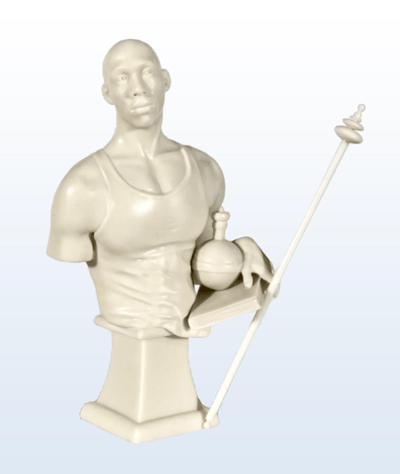
Kehinde Wiley
St. Francis of Adelaide, 2007
Sculpture / Object
Mixed Media
EUR 28,000
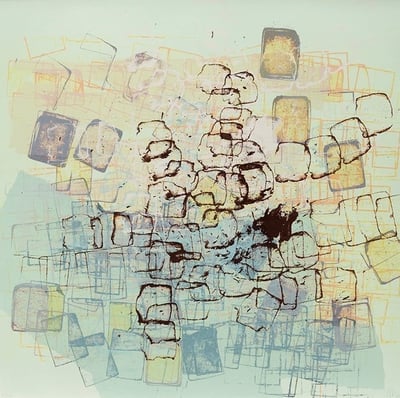
Mark Bradford
630C-MB03, 2003
Limited Edition Print
Lithograph
Currently Not Available
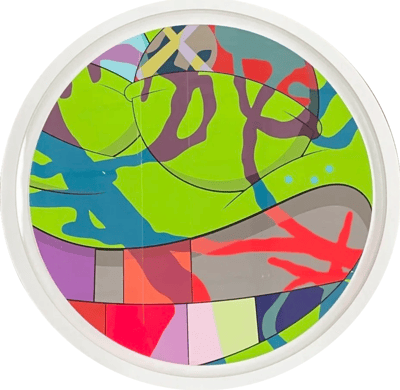
KAWS
The News 2, 2017
Limited Edition Print
Serigraph
USD 11,150
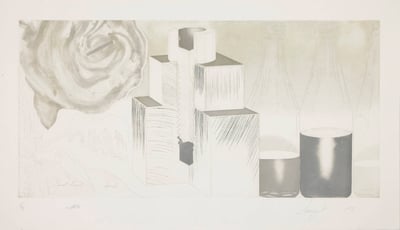
James Rosenquist
Just Desert Israel 2nd State, 1979
Limited Edition Print
Intaglio
Inquire For Price
Related Articles
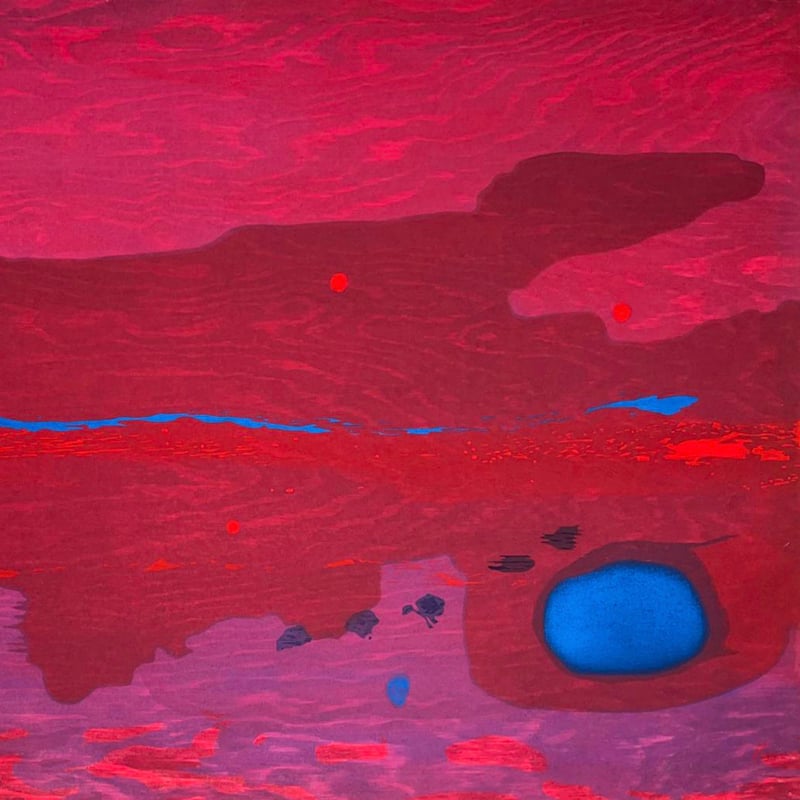
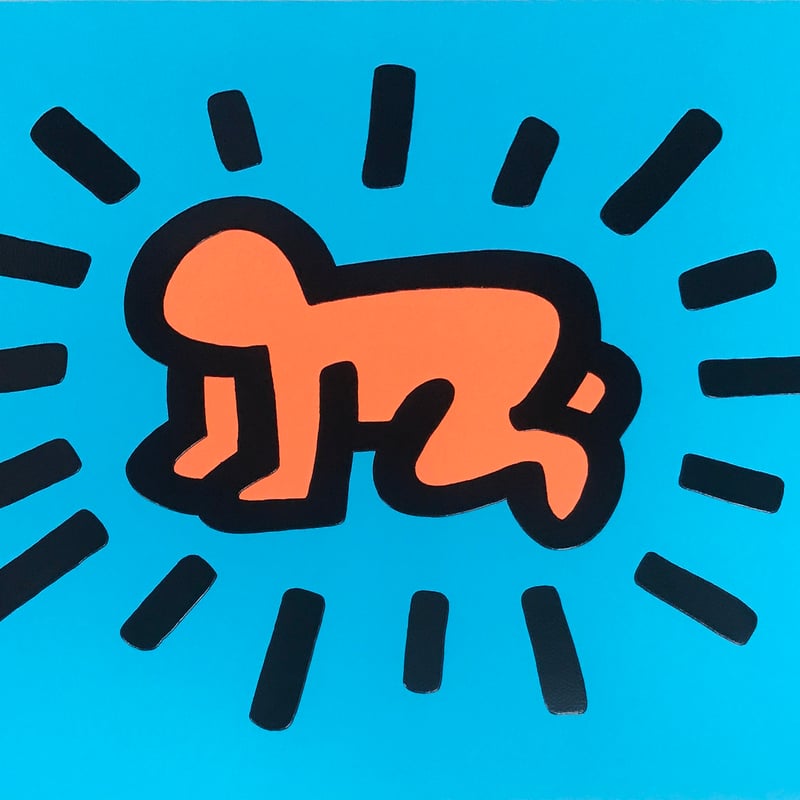
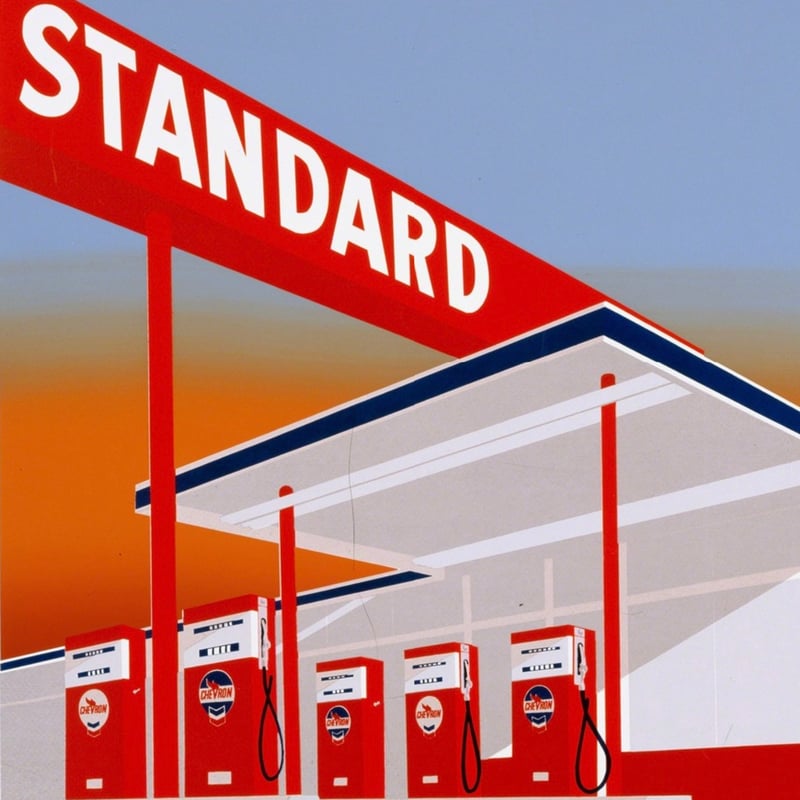
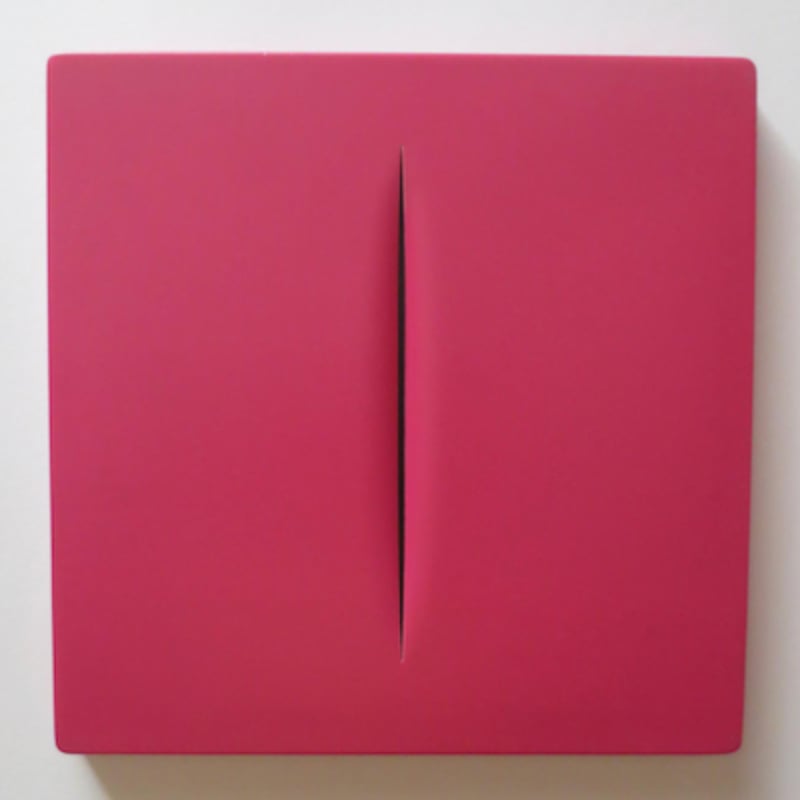
Spatialism is an art movement that originated in Italy in 1947, founded by Lucio Fontana with the intention of synthesizing sound, color, movement, and space into a new form of art. The movement's central ideas were outlined in Fontana's first manifesto, published in 1947, where he introduced the concept of spatial art to capture the spirit of the post-war era. His ideas were further developed in five subsequent manifestos. Although Fontana's ideas were sometimes considered vague, his influence was significant, as he was one of the first European artists to emphasize art as a performance and gesture.
Digital print on canvas is a technology used to create fine art prints by reproducing digital photographs or artwork on canvas. The digital images are sent to professional printers that accurately capture variations in color and detail, resulting in high-quality canvas prints.

Site-Specific Art is a form of artwork created to exist in a particular location, with the artist considering the site as an integral part of the creative process. Robert Irwin was a key figure in promoting this art form in California. Site-Specific Art emerged as a reaction against modernist objects, which were often portable, commodified, and confined to museum spaces. In contrast, Site-Specific Art is inherently tied to its location, challenging the traditional notions of art as a transportable and marketable commodity.
Can't find your Answer?
Thank you! Your question has been sent — we'll get back to you shortly.
