
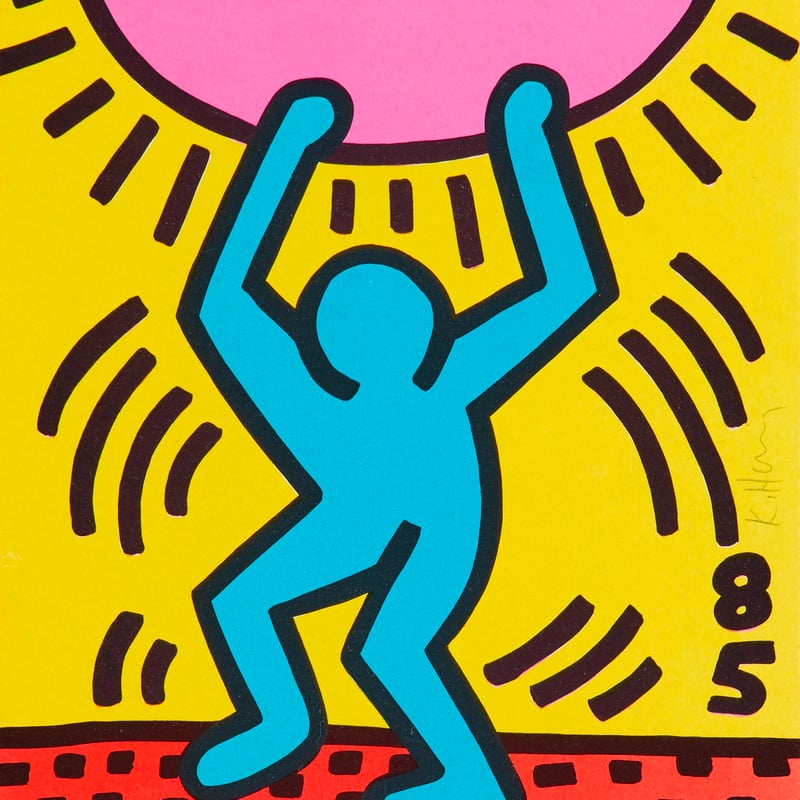
United States
The contemporary art scene in the United States is a dynamic fusion of diverse traditions and avant-garde explorations, resonating across the global art spectrum. Institutions like the Museum of Modern Art in New York and the Los Angeles County Museum of Art are central to this discourse, spotlighting artists from different backgrounds and mediums. Notable figures such as Jeff Koons, known for his monumental public sculptures, and Kara Walker, recognized for her poignant silhouettes and murals, contribute to the vibrant US artistic landscape. Major events like Art Basel Miami further underline the country's role as a nexus of contemporary art. Dive into the robust and compelling art scene of the United States on Composition Gallery's website.
- Show All
- Established
- Discoveries
- Show All
Artworks Related to United States
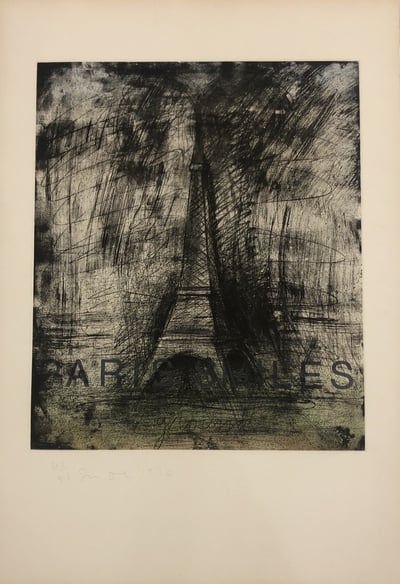
Jim Dine
Paris Smiles in Darkness, 1976
Limited Edition Print
Etching
EUR 4,500
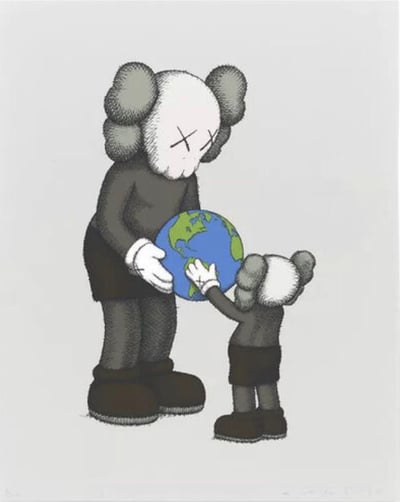
KAWS
The promise , 2023
Limited Edition Print
Silkscreen
Currently Not Available
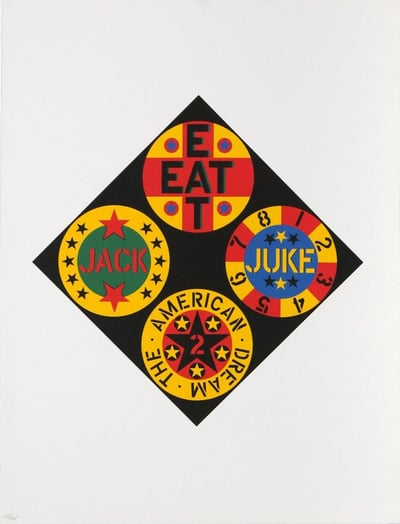
Robert Indiana
Black Diamond, 1997
Limited Edition Print
Serigraph
USD 2,100
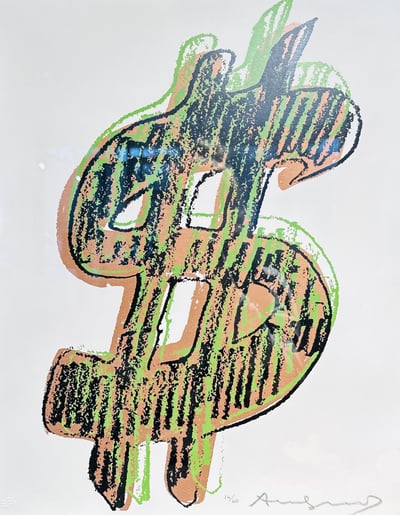
Andy Warhol
Single Dollar Sign (FS II. 278), 1982
Limited Edition Print
Screen-print
EUR 120,000 - 140,000
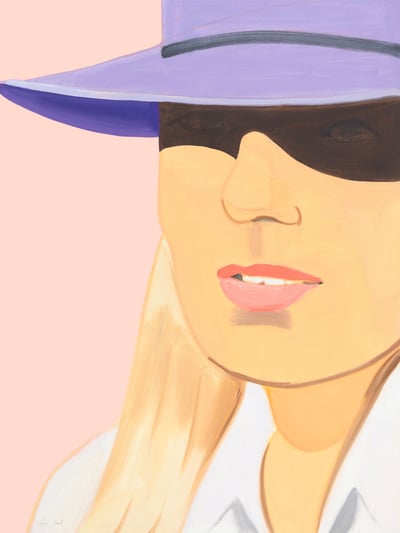
Alex Katz
Sunrise 1, 2022
Limited Edition Print
Pigment print
EUR 21,300
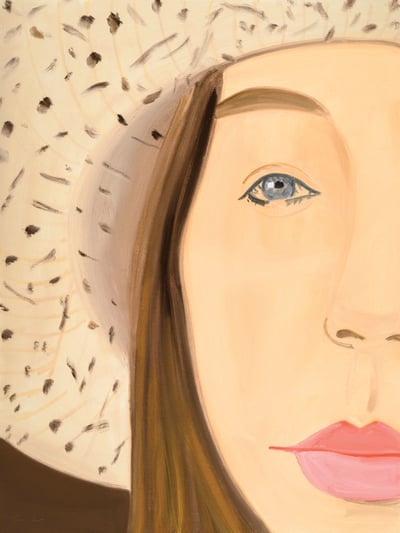
Alex Katz
Straw Hat 2, 2022
Limited Edition Print
Pigment print
EUR 25,900
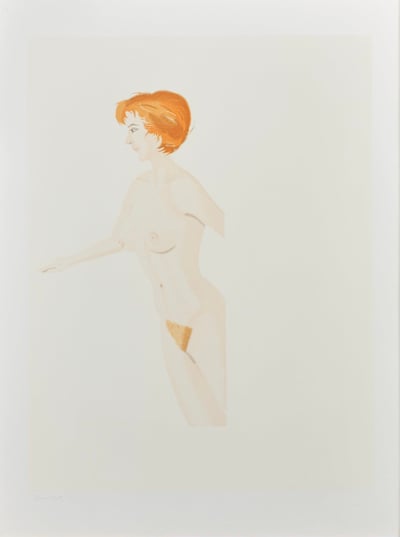
Alex Katz
Snow Leopard, 1991
Limited Edition Print
Mixed Media
EUR 6,600
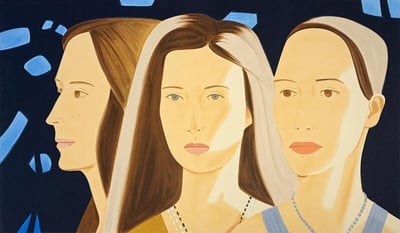
Alex Katz
Trio, 2017
Limited Edition Print
Screen-print
EUR 29,500
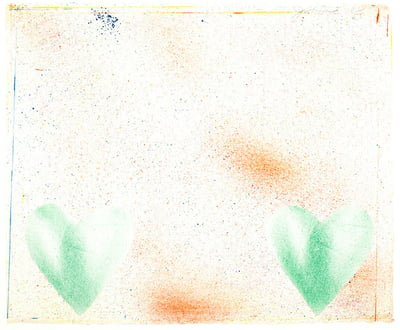
Jim Dine
Dutch hearts, 1970
Limited Edition Print
Mixed Media
EUR 1,875
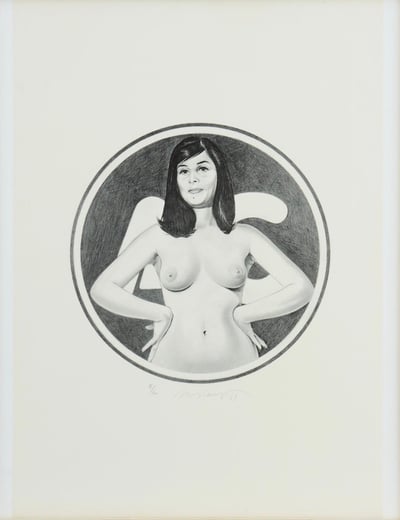
Mel Ramos
Kvinna, 1969
Limited Edition Print
Lithograph
EUR 1,450
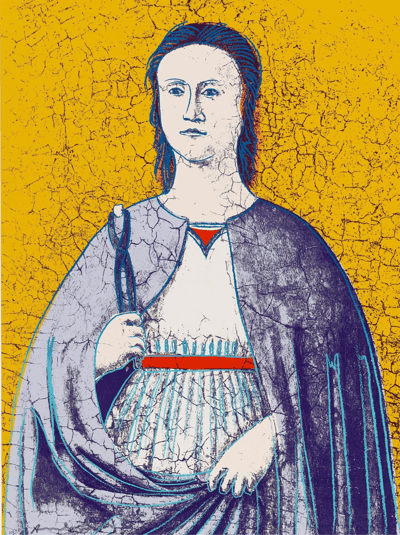
Andy Warhol
Saint Apollonia, II.333, 1984
Limited Edition Print
Screen-print
USD 23,500
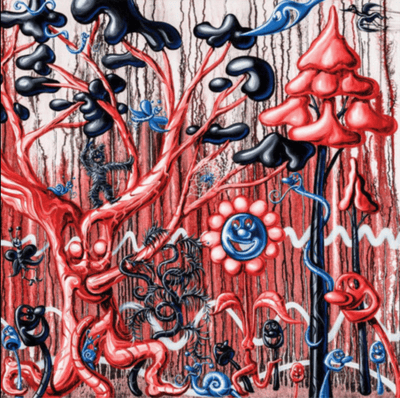
Kenny Scharf
Furungle 6, 2021
Limited Edition Print
Mixed Media
USD 5,790
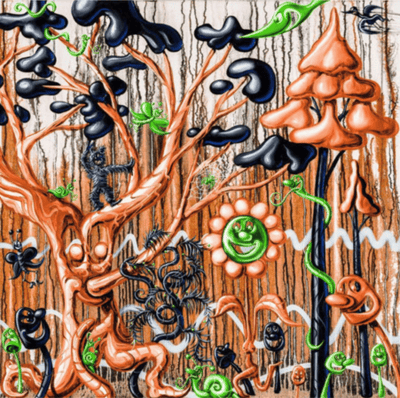
Kenny Scharf
Furungle 5, 2021
Limited Edition Print
Mixed Media
USD 5,790
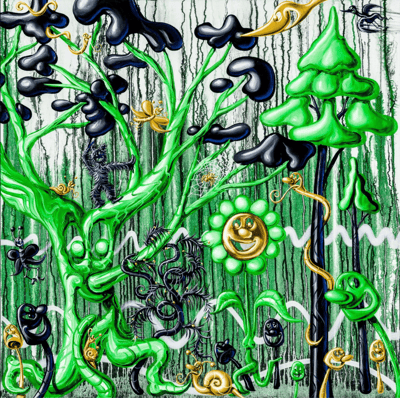
Kenny Scharf
Furungle 4, 2021
Limited Edition Print
Mixed Media
USD 5,790
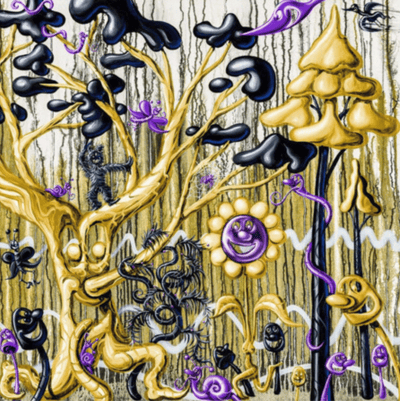
Kenny Scharf
Furungle 3, 2021
Limited Edition Print
Mixed Media
USD 5,790
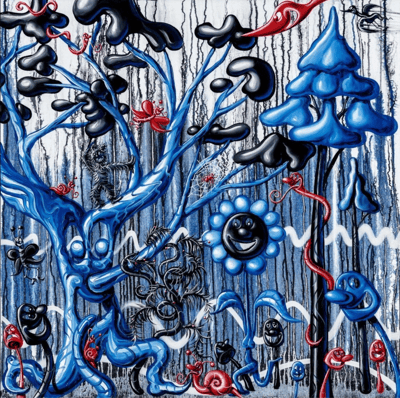
Kenny Scharf
Furungle 2, 2021
Limited Edition Print
Mixed Media
USD 5,790
Related Articles

Futurism was an early 20th-century art movement that sought to capture the energy and dynamism of the modern world. The movement was launched by Italian poet Filippo Tommaso Marinetti, who published the Manifesto of Futurism on February 20, 1909. Futurism denounced the past and passionately embraced technology, industry, and the speed of modern life.
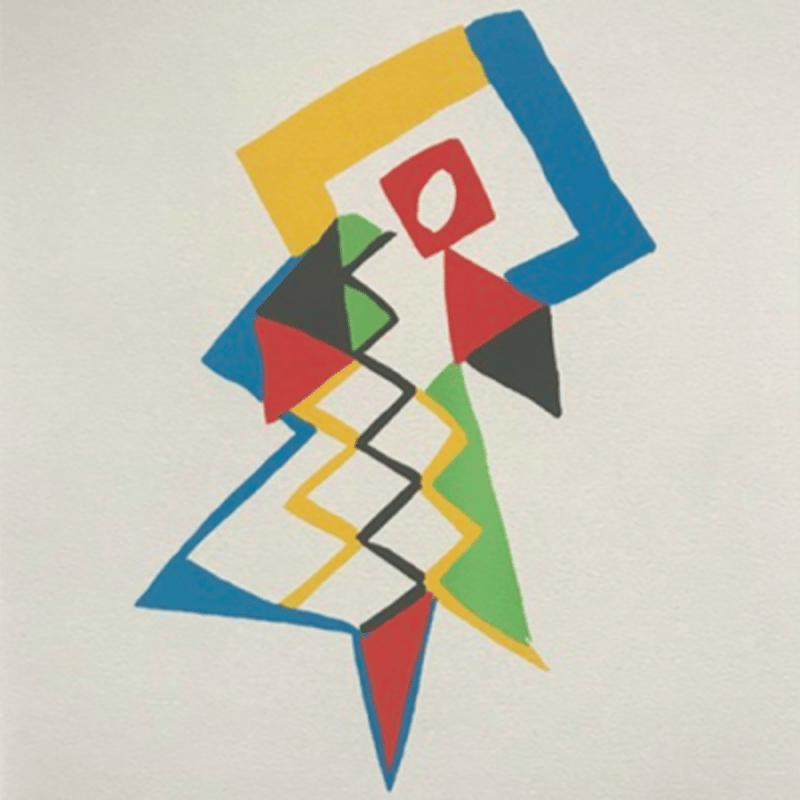
Orphism is an abstract style of painting influenced by Cubism, developed by Sonia and Robert Delaunay. The term was coined around 1912 by French poet Guillaume Apollinaire to differentiate the Delaunays' work from Cubism, emphasizing their focus on vibrant color and light. The name Orphism is inspired by the Greek musician Orpheus, symbolizing the movement's lyrical and harmonious qualities.

Art Informel is a French term referring to the gestural and improvisational techniques common in abstract painting during the 1940s and 50s. It encompasses various styles that dominated these decades, characterized by informal, spontaneous methods. Artists used this term to describe approaches that moved away from traditional structures and embraced more expressive, unstructured techniques.
Can't find your Answer?
Thank you! Your question has been sent — we'll get back to you shortly.
