
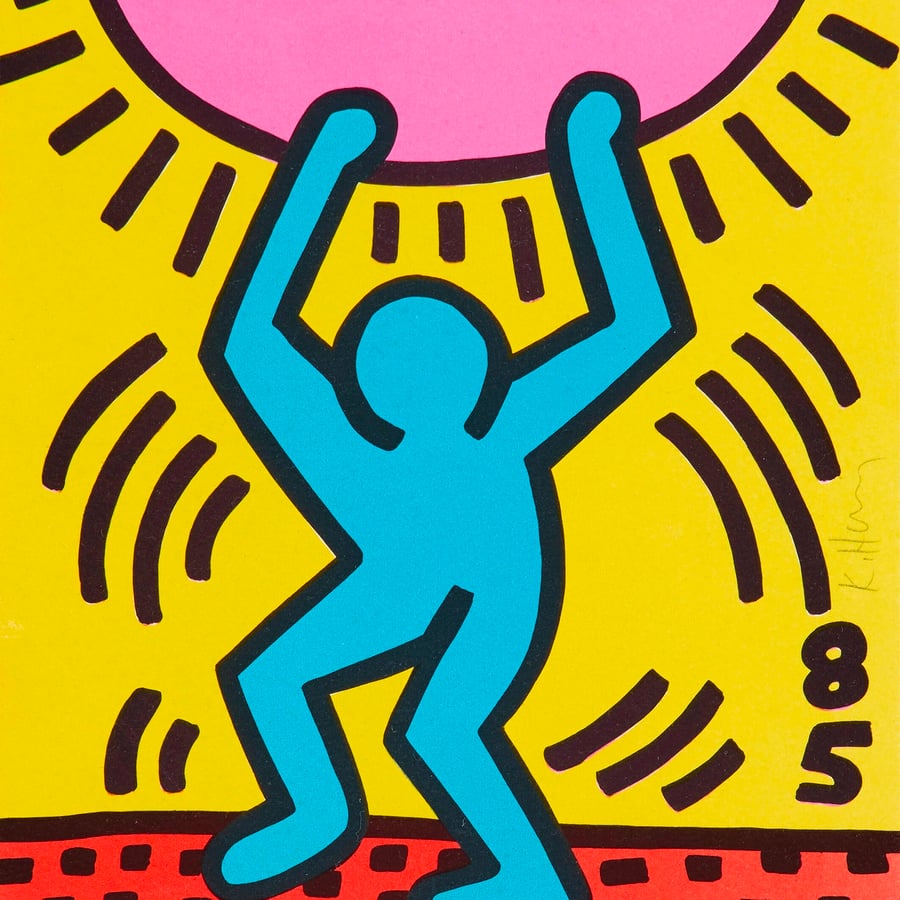
United States
The contemporary art scene in the United States is a dynamic fusion of diverse traditions and avant-garde explorations, resonating across the global art spectrum. Institutions like the Museum of Modern Art in New York and the Los Angeles County Museum of Art are central to this discourse, spotlighting artists from different backgrounds and mediums. Notable figures such as Jeff Koons, known for his monumental public sculptures, and Kara Walker, recognized for her poignant silhouettes and murals, contribute to the vibrant US artistic landscape. Major events like Art Basel Miami further underline the country's role as a nexus of contemporary art. Dive into the robust and compelling art scene of the United States on Composition Gallery's website.
- Show All
- Established
- Discoveries
- Show All
Artworks Related to United States
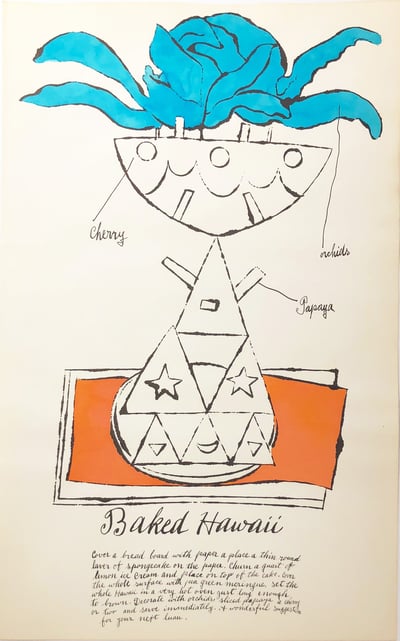
Andy Warhol
Wild Raspberries IV.137A, 1959
Limited Edition Print
Offset Print
USD 8,900
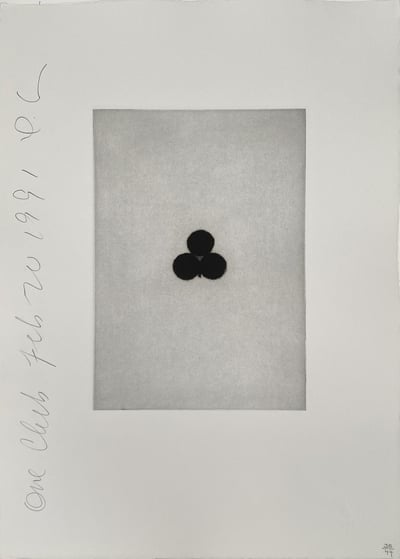
Donald Sultan
Playing Card (One of Clubs), 1990
Limited Edition Print
Aquatint
USD 1,100
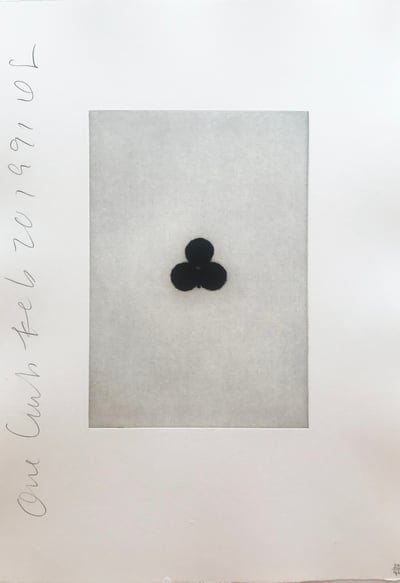
Donald Sultan
Playing Cards (Ace of Clubs), 1990
Limited Edition Print
Aquatint
USD 1,250
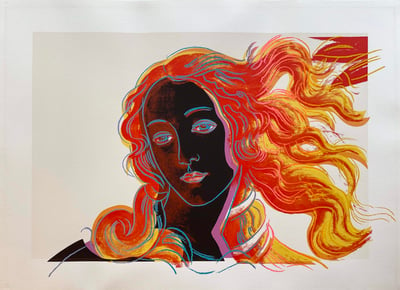
Andy Warhol
Details of Renaissance Paintings (Sandro Botticelli, Birth of Venus, 1482), II.318, 1984
Limited Edition Print
Screen-print
Inquire For Price
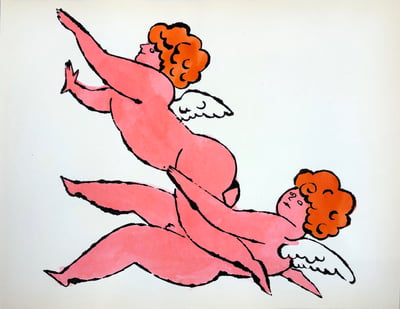
Andy Warhol
In The Bottom of my Garden IV.90A, CA. 1956
Limited Edition Print
Lithograph
Inquire For Price
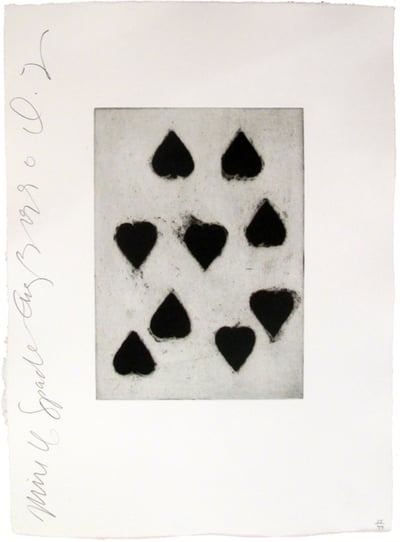
Donald Sultan
Playing Cards (Nine of Spades), 1990
Limited Edition Print
Aquatint
USD 1,100
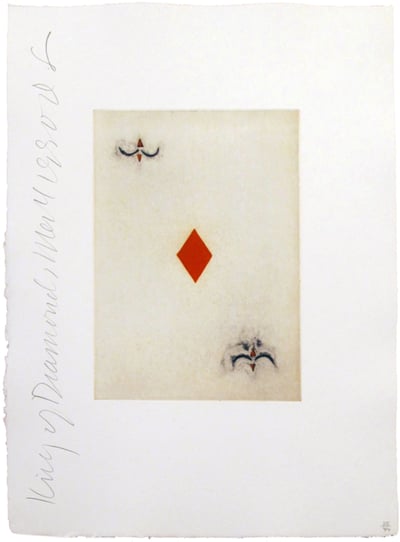
Donald Sultan
Playing Cards (King of Diamonds), 1990
Limited Edition Print
Aquatint
USD 1,450
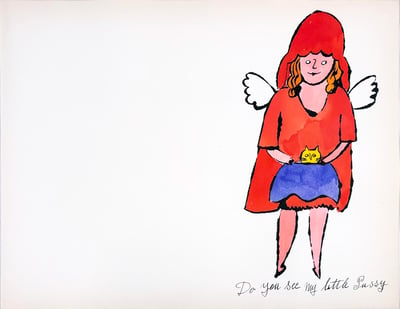
Andy Warhol
In The Bottom of my Garden IV.104A, CA. 1956
Limited Edition Print
Lithograph
USD 4,800
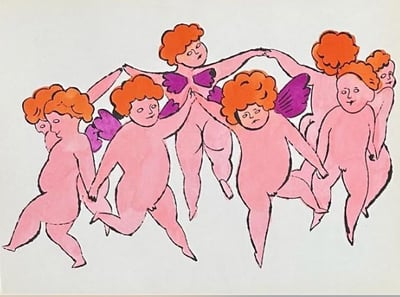
Andy Warhol
In The Bottom of my Garden IV.97A, CA.1956
Limited Edition Print
Lithograph
Inquire For Price

Donald Sultan
Playing Card (Five of Clubs), 1990
Limited Edition Print
Aquatint
USD 1,100
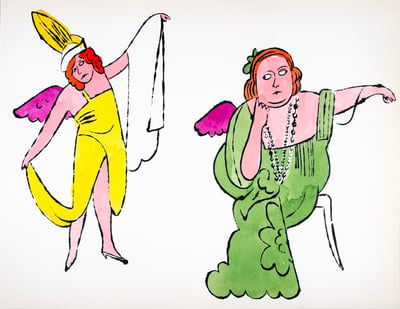
Andy Warhol
In The Bottom of my Garden IV.99A, CA. 1956
Limited Edition Print
Lithograph
Inquire For Price
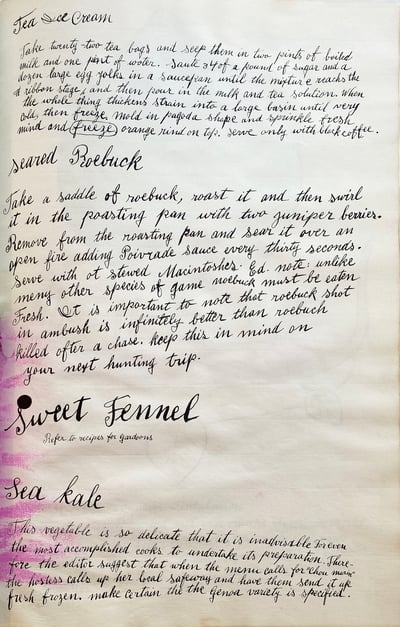
Andy Warhol
Wild Raspberries IV.135A, 1959
Limited Edition Print
Offset Print
Inquire For Price
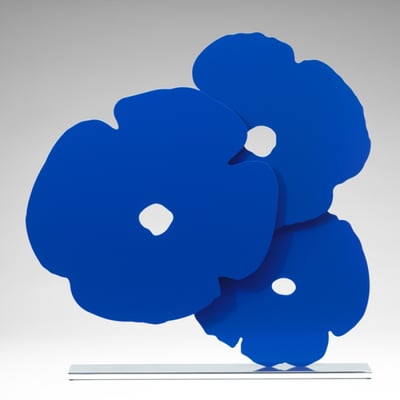
Donald Sultan
Blue Poppies, 2015
Sculpture / Object
Mixed Media
USD 19,950
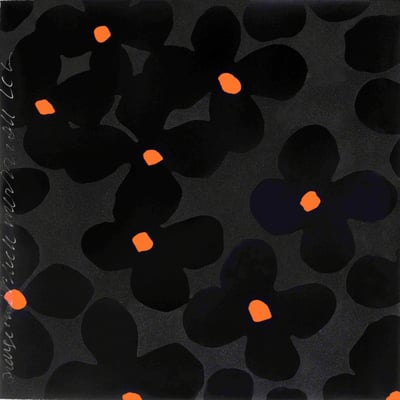
Donald Sultan
Orange and Black, March 22, 2011, 2011
Limited Edition Print
Silkscreen
USD 4,850
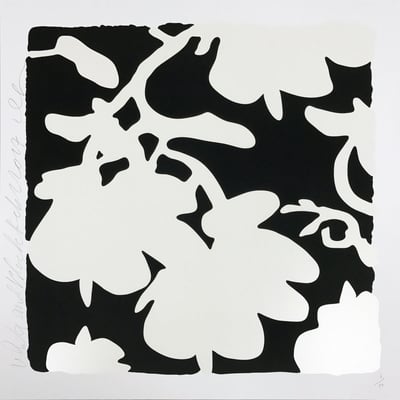
Donald Sultan
Lantern Flowers - White/Black background, 2017
Limited Edition Print
Silkscreen
USD 3,750
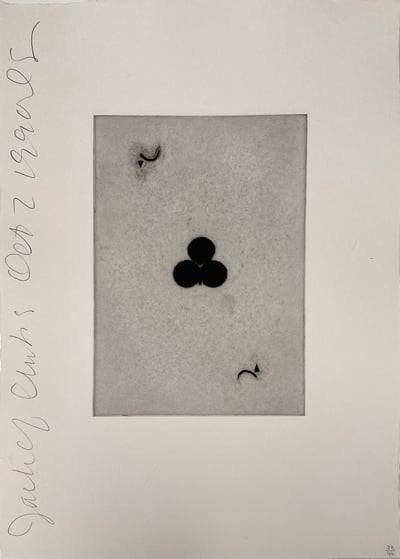
Donald Sultan
Playing Card (Jack of Clubs), 1990
Limited Edition Print
Aquatint
USD 1,100
Related Articles
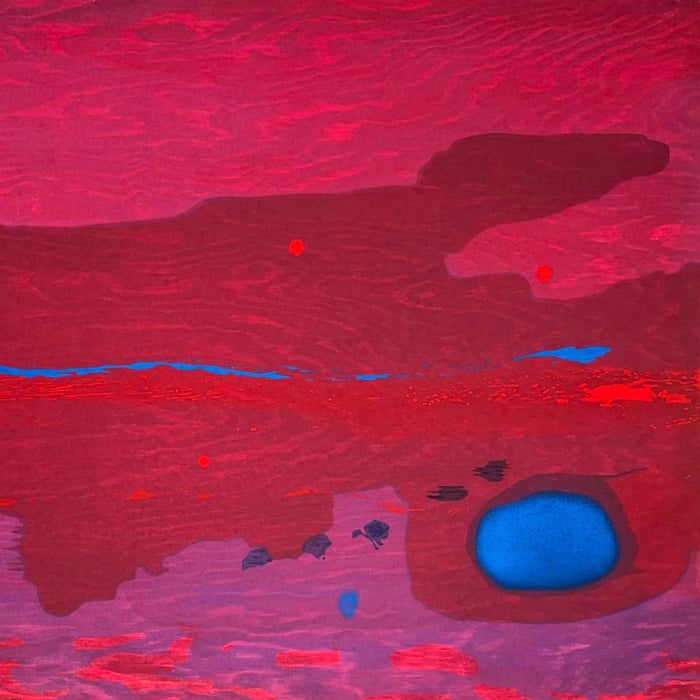
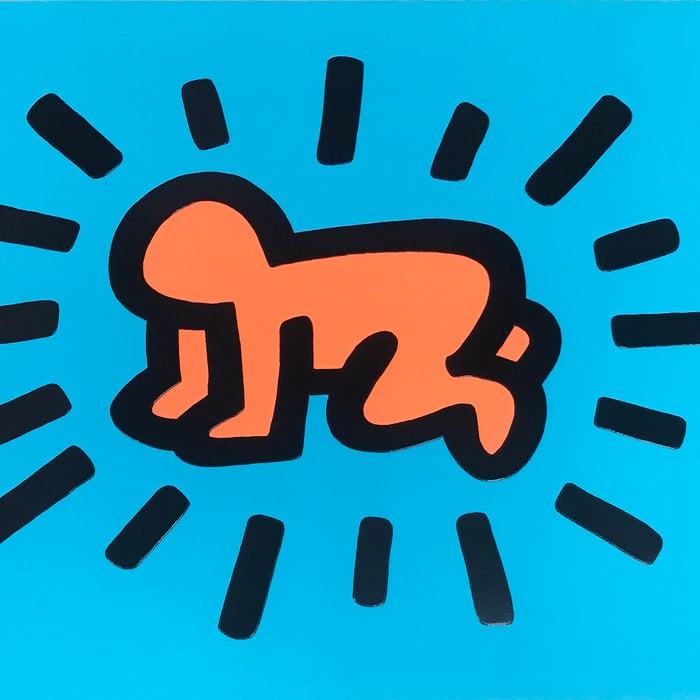
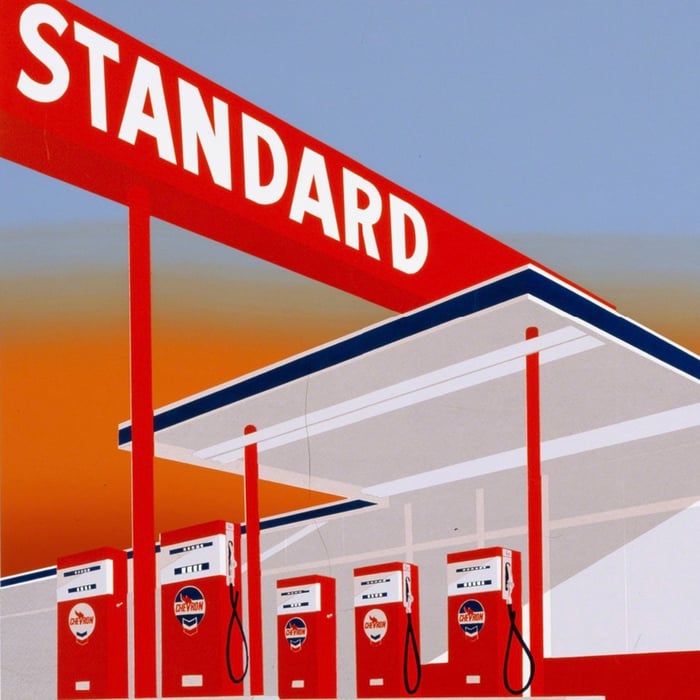

Transavanguardia is the Italian version of Neo-Expressionism, referring to an art movement that emerged in Italy and other parts of Western Europe during the 1970s and 1980s. The term translates to beyond the avant-garde. Transavanguardia arose as a reaction against the dominance of conceptual art, reintroducing emotion and reviving painting as a primary medium. The movement marked a return to mythic imagery and figurative art, celebrating a rediscovery of traditional forms and themes in a contemporary context.

Colored pencils consist of a core made from various colored pigments mixed with a binder, encased in wood. They can also be found as solid pigment sticks without the wooden casing. When drawing, the pigment is transferred to a surface, allowing for lines and shading in different thicknesses.
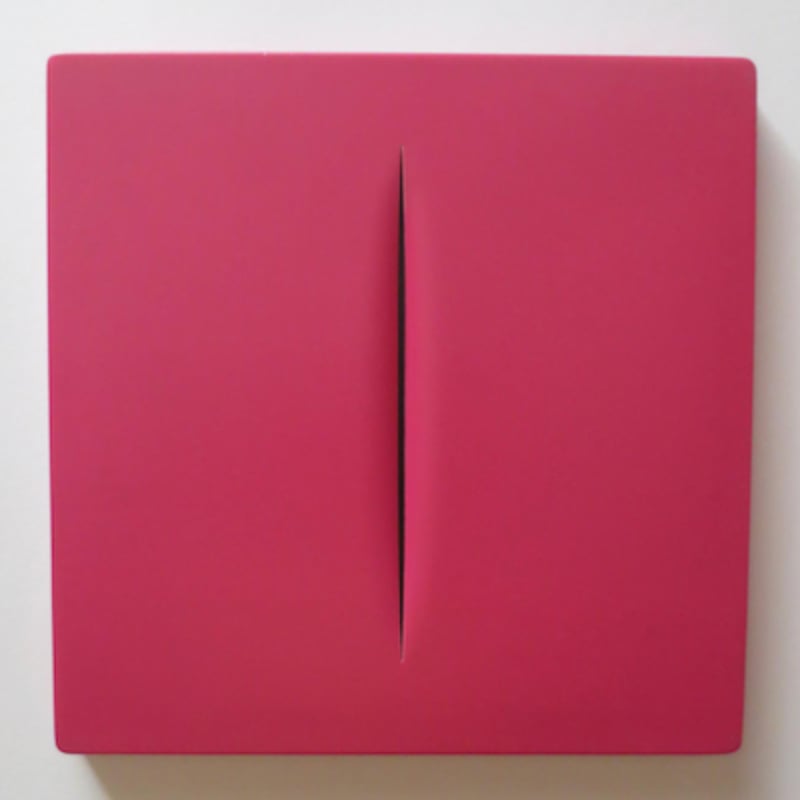
Spatialism is an art movement that originated in Italy in 1947, founded by Lucio Fontana with the intention of synthesizing sound, color, movement, and space into a new form of art. The movement's central ideas were outlined in Fontana's first manifesto, published in 1947, where he introduced the concept of spatial art to capture the spirit of the post-war era. His ideas were further developed in five subsequent manifestos. Although Fontana's ideas were sometimes considered vague, his influence was significant, as he was one of the first European artists to emphasize art as a performance and gesture.
Can't find your Answer?
Thank you! Your question has been sent — we'll get back to you shortly.
