
United States
The contemporary art scene in the United States is a dynamic fusion of diverse traditions and avant-garde explorations, resonating across the global art spectrum. Institutions like the Museum of Modern Art in New York and the Los Angeles County Museum of Art are central to this discourse, spotlighting artists from different backgrounds and mediums. Notable figures such as Jeff Koons, known for his monumental public sculptures, and Kara Walker, recognized for her poignant silhouettes and murals, contribute to the vibrant US artistic landscape. Major events like Art Basel Miami further underline the country's role as a nexus of contemporary art. Dive into the robust and compelling art scene of the United States on Composition Gallery's website.
- Show All
- Established
- Discoveries
- Show All
Artworks Related to United States

Andy Warhol
Flash - November 22, 1963, II.41, 1968
Limited Edition Print
Screen-print
USD 13,200

Andy Warhol
After the Party, II.183, 1979
Limited Edition Print
Screen-print
USD 40,000 - 50,000

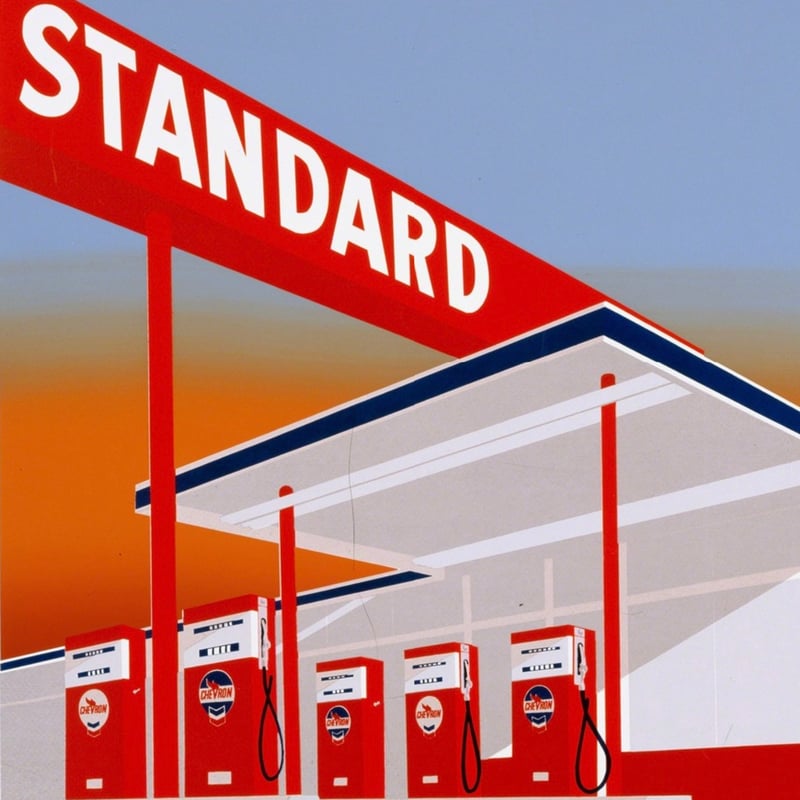
Ed Ruscha
Zoot Soot, 2013
Limited Edition Print
Mixed Media
USD 12,000
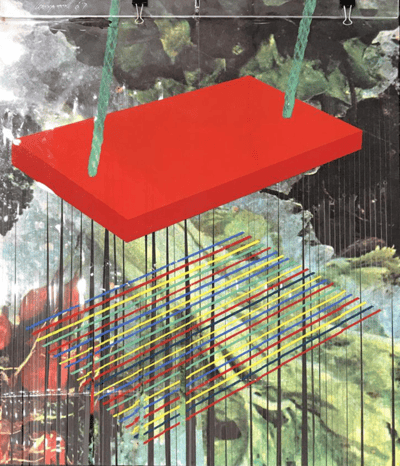
James Rosenquist
Sketch for Forest Ranger, 1967
Limited Edition Print
Silkscreen
USD 1,500
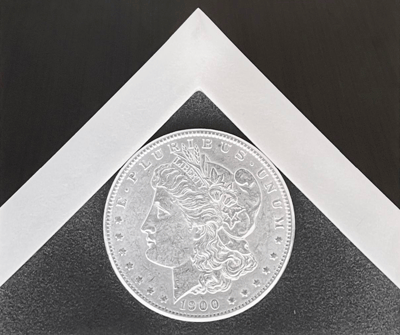
Robert Mapplethorpe
Silver Dollar, 1988
Limited Edition Print
Gelatin Silver Print
USD 10,200

Roy Lichtenstein
Untitled Plate (Waterlily), 1990
Ceramics
Plate
USD 2,500

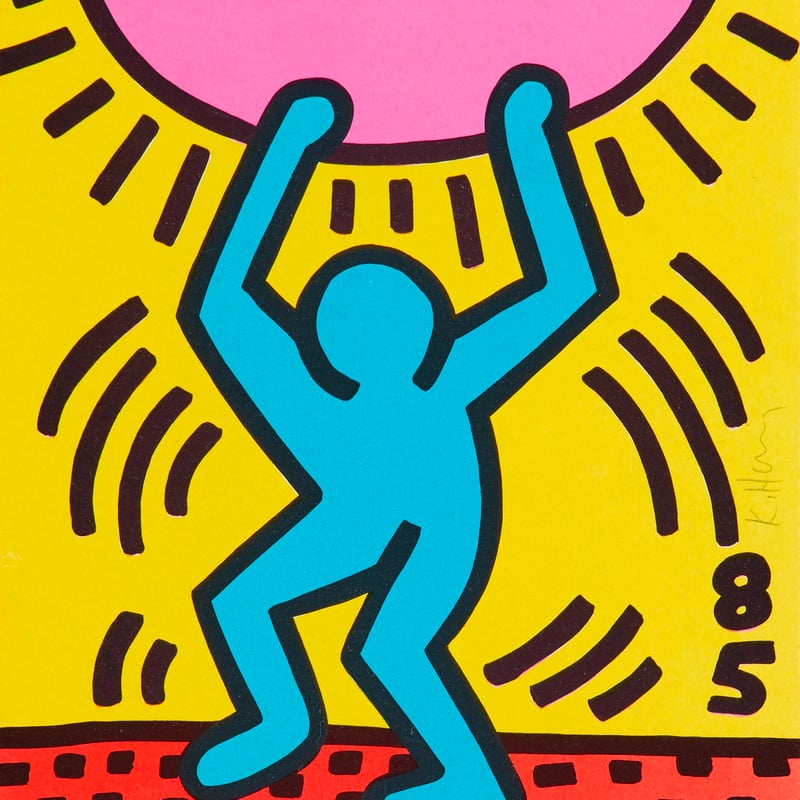
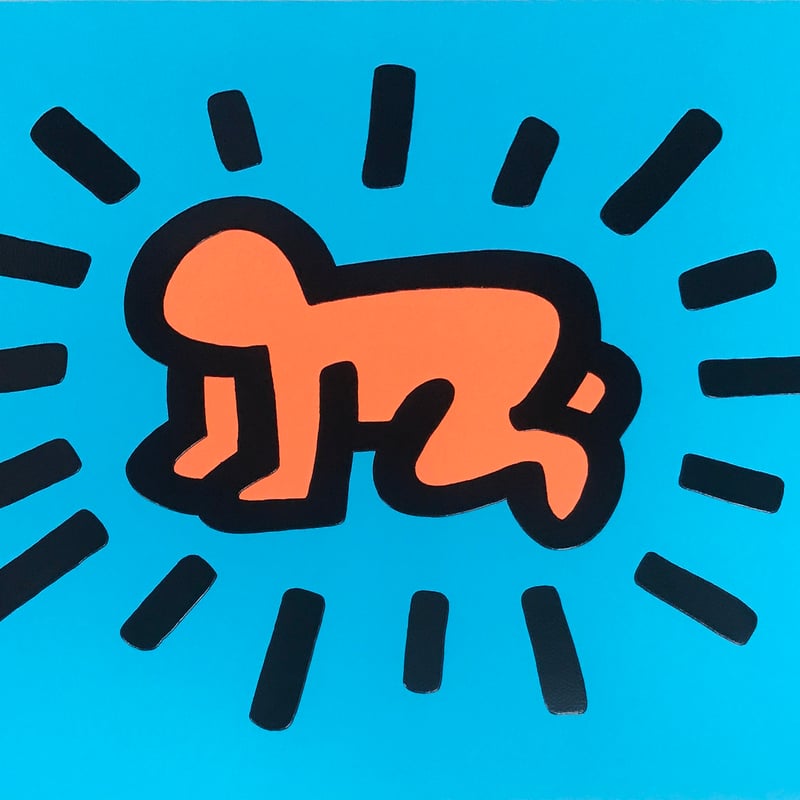
Keith Haring
Pop Shop II (D), 1988
Limited Edition Print
Silkscreen
USD 45,000 - 50,000
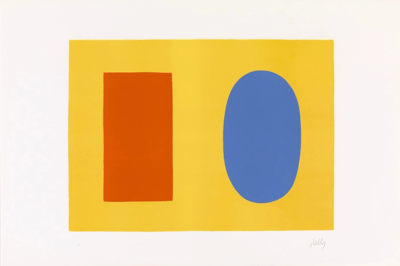
Ellsworth Kelly
Orange and Blue over Yellow, 1964-65
Limited Edition Print
Lithograph
USD 20,000 - 25,000
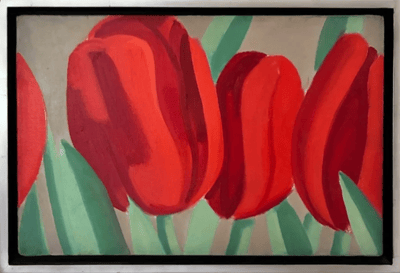
Alex Katz
Red Tulips, 1967
Painting
Oil on canvas
Inquire For Price
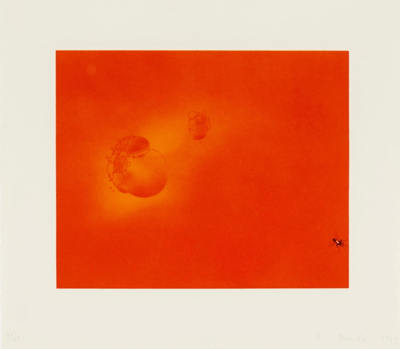
Ed Ruscha
Boiling Blood, Fly, 1969
Limited Edition Print
Lithograph
Inquire For Price
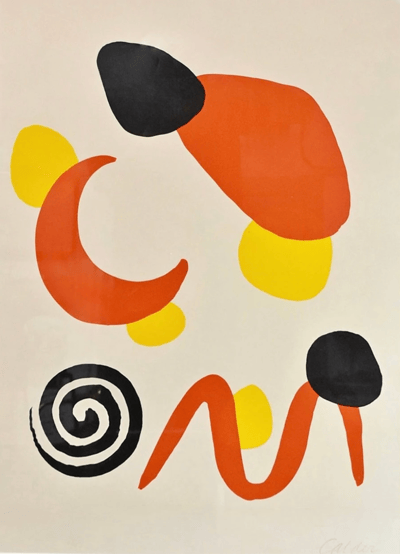
Alexander Calder
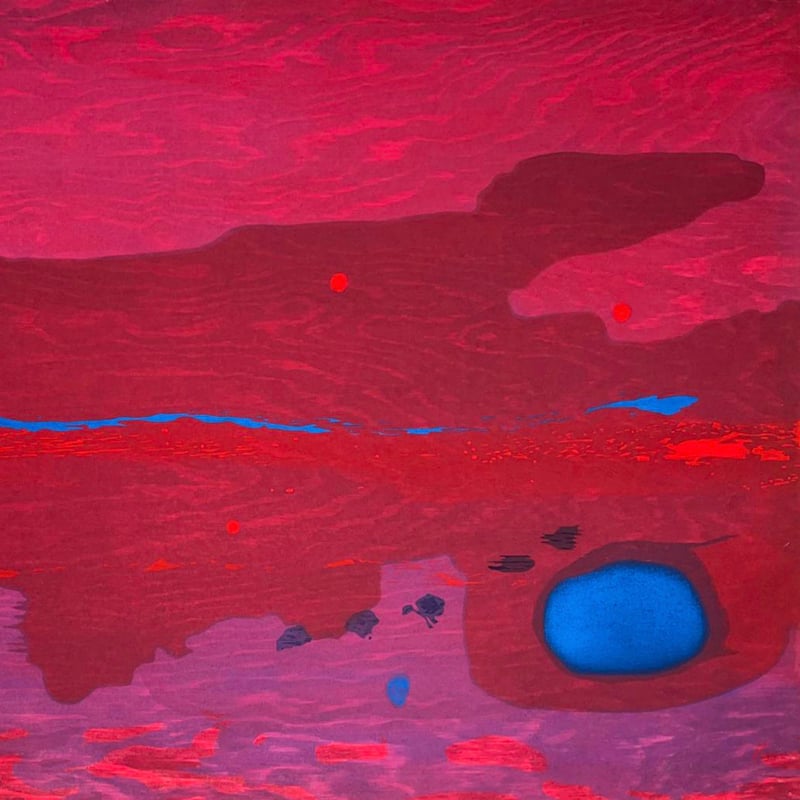
Red Moon and Swirl, 1965
Limited Edition Print
Lithograph
Currently Not Available
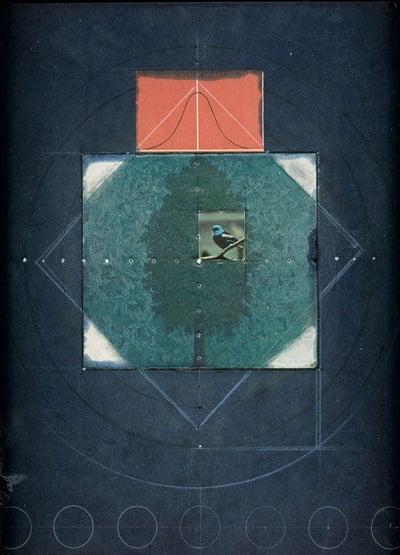
Joseph Cornell
Untitled (2C-38E), 1969
Drawing / Watercolor
Collage
Inquire For Price

Ed Ruscha
Sea of Desire, 1984
Limited Edition Print
Lithograph
USD 30,000 - 40,000

Kenny Scharf
Mouse Eats Cheese Underwater, 1993
Drawing / Watercolor
Mixed Media
Inquire For Price
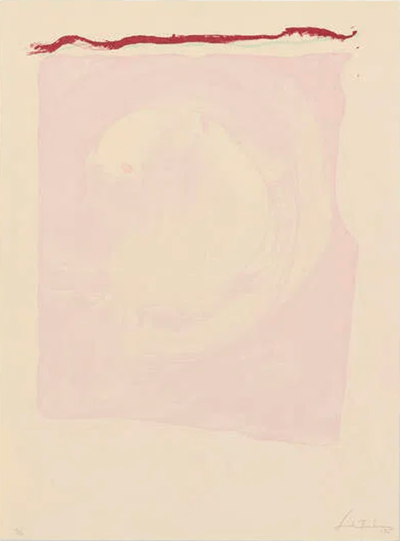
Helen Frankenthaler
Reflections IX, 1995
Limited Edition Print
Lithograph
USD 7,150

Robert Indiana
AMOR, 1994
Limited Edition Print
Etching and Aquatint
USD 21,000
Related Articles

Tansaekhwa, also known as monochrome painting, is a movement in Korean art that began in the mid-1970s. These artworks are characterized by the manipulation of painting materials, such as pushing paint, soaking the canvas, ripping paper, or other techniques that alter the medium. Tansaekhwa emphasizes texture, materiality, and the physical process of creating the artwork.
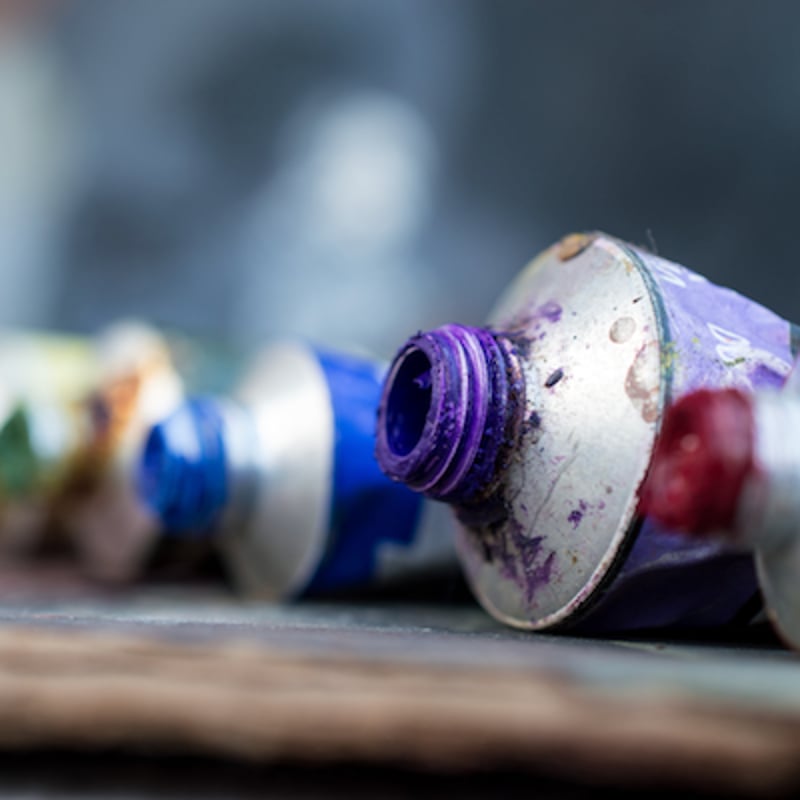
Tempera is a paint traditionally made by mixing colored pigments with egg yolk. It dries quickly and is highly durable, with some examples dating back to 100 AD still in existence. Modern tempera paint often uses glue size as a binder instead of egg yolk. Tempera is known for its bright colors and fine, detailed application, making it popular for panel paintings and icons.

Transavanguardia is the Italian version of Neo-Expressionism, referring to an art movement that emerged in Italy and other parts of Western Europe during the 1970s and 1980s. The term translates to beyond the avant-garde. Transavanguardia arose as a reaction against the dominance of conceptual art, reintroducing emotion and reviving painting as a primary medium. The movement marked a return to mythic imagery and figurative art, celebrating a rediscovery of traditional forms and themes in a contemporary context.
Can't find your Answer?
Thank you! Your question has been sent — we'll get back to you shortly.
