
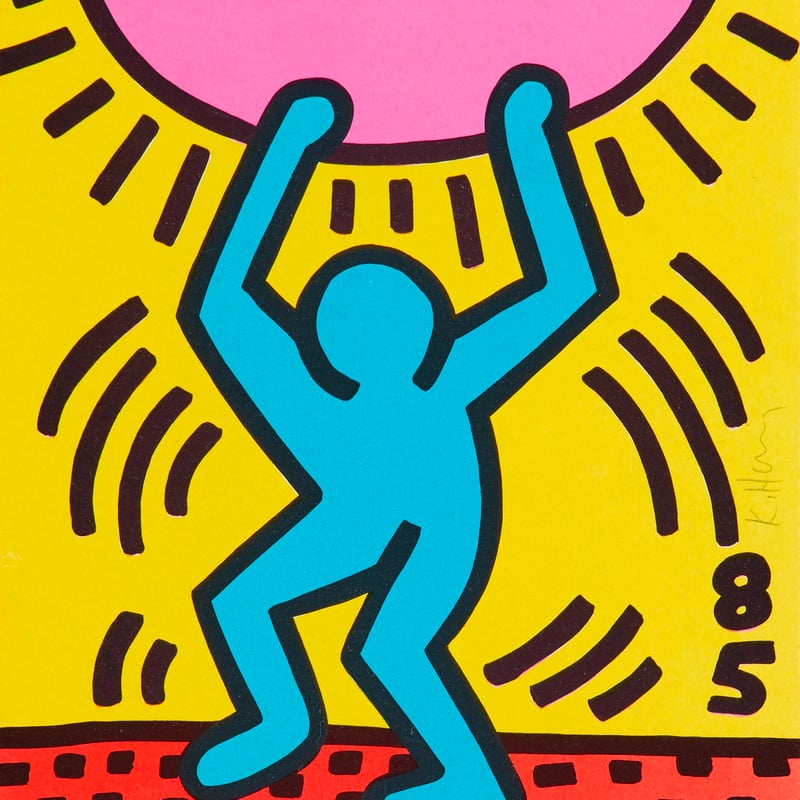
United States
The contemporary art scene in the United States is a dynamic fusion of diverse traditions and avant-garde explorations, resonating across the global art spectrum. Institutions like the Museum of Modern Art in New York and the Los Angeles County Museum of Art are central to this discourse, spotlighting artists from different backgrounds and mediums. Notable figures such as Jeff Koons, known for his monumental public sculptures, and Kara Walker, recognized for her poignant silhouettes and murals, contribute to the vibrant US artistic landscape. Major events like Art Basel Miami further underline the country's role as a nexus of contemporary art. Dive into the robust and compelling art scene of the United States on Composition Gallery's website.
- Show All
- Established
- Discoveries
- Show All
Artworks Related to United States
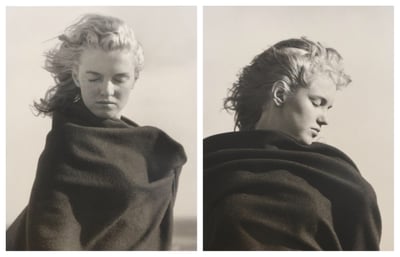
Andre de Dienes
Marilyn Monroe (Set of 2), 1946
Photography
Gelatin Silver Print
USD 3,000
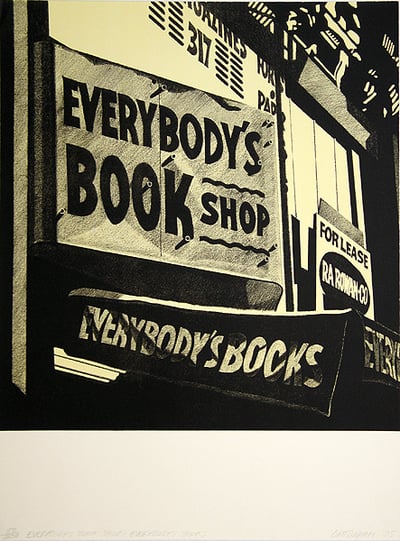
Robert Cottingham
Switzerland Everybody´s bookshop, 1975
Limited Edition Print
Lithograph
EUR 1,200
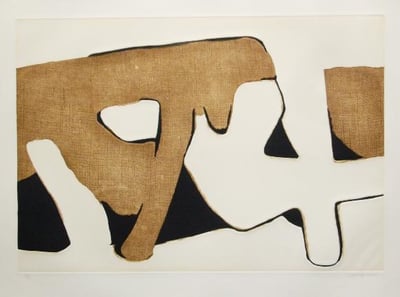
Conrad Marca-Relli
Composition XIV, 1977
Limited Edition Print
Etching and Aquatint
EUR 1,560
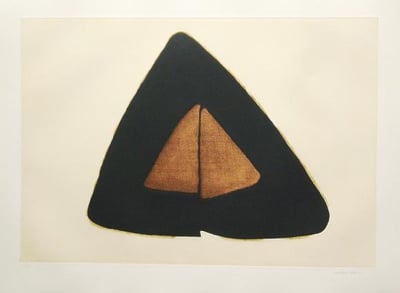
Conrad Marca-Relli
Composition VIII, 1977
Limited Edition Print
Etching and Aquatint
EUR 1,560
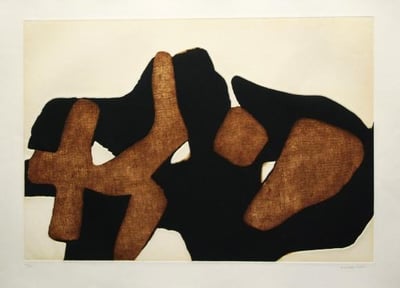
Conrad Marca-Relli
Composition IV, 1977
Limited Edition Print
Etching and Aquatint
EUR 1,560
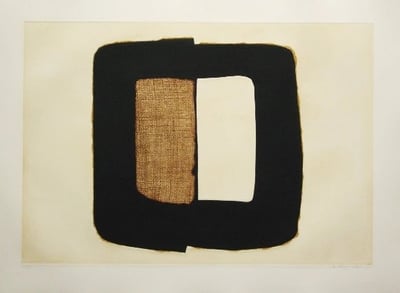
Conrad Marca-Relli
Composition III, 1977
Limited Edition Print
Etching and Aquatint
EUR 1,560
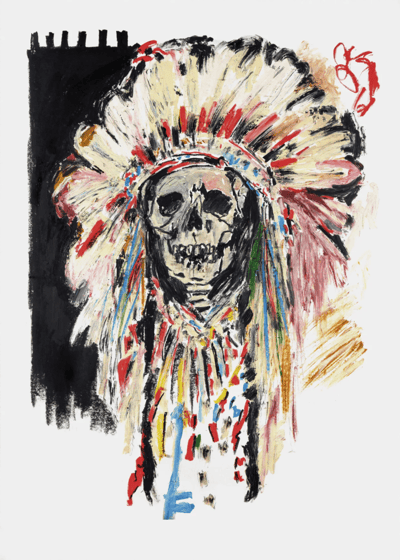
Wes Lang
For the good times, 2020
Limited Edition Print
Archival Print
Currently Not Available
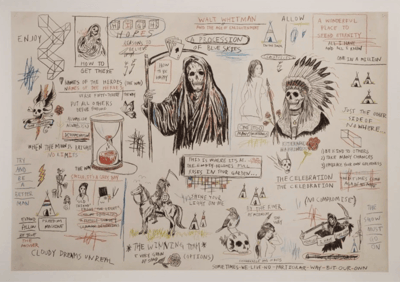
Wes Lang
Standing on the moon, 2013
Limited Edition Print
Archival Print
Currently Not Available
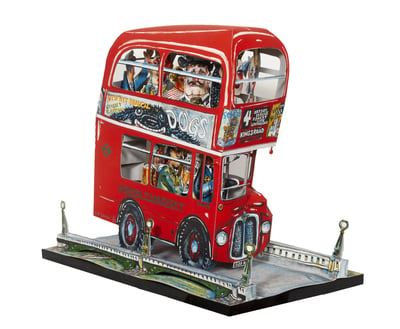
Red Grooms
London Bus, 1983
Sculpture / Object
Lithograph
Currently Not Available
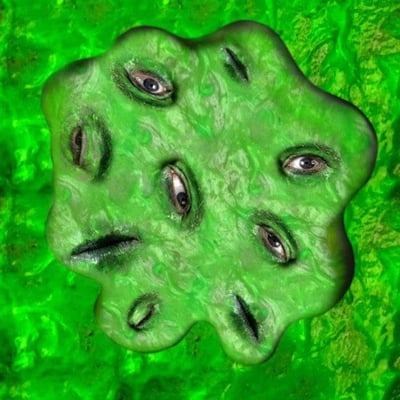
Tony Oursler
“Studio (self-Portrait in Green)”, 2005
Limited Edition Print
Digital Print on paper
Currently Not Available
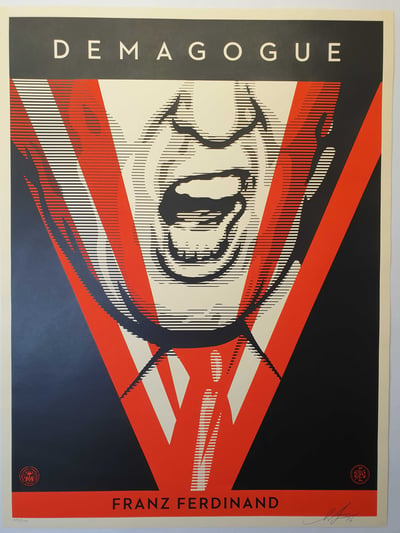
Shepard Fairey
Demagogue, 2016
Limited Edition Print
Offset Print
Currently Not Available
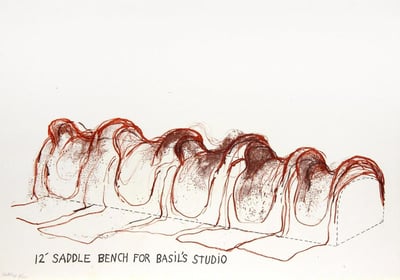
Jim Dine
12' Saddle Bench for Basil's Studio, 1968
Limited Edition Print
Lithograph
Inquire For Price
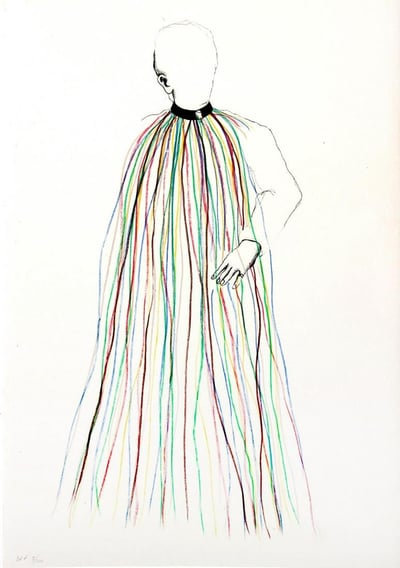
Jim Dine
Dorian Gray in Multi-Colored Vinyl Stripe Cape, 1968
Limited Edition Print
Lithograph
USD 1,430

Alex Katz
Lauren, 2017
Limited Edition Print
Digital Print on paper
Inquire For Price
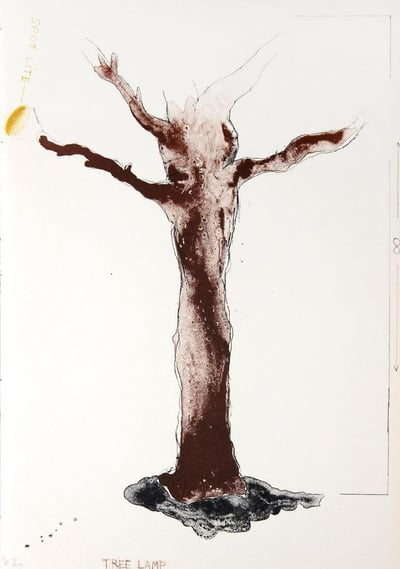
Jim Dine
Tree Lamp, 1968
Limited Edition Print
Lithograph
Inquire For Price
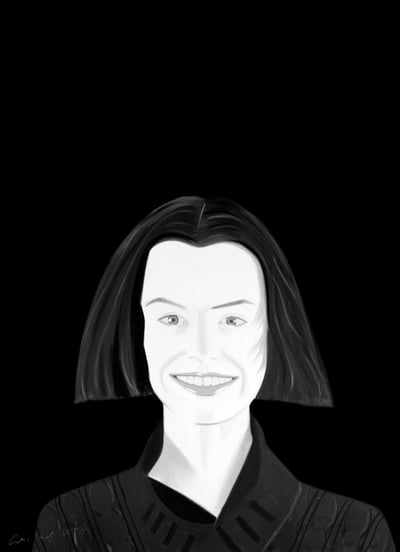
Alex Katz
Katryn, 2017
Limited Edition Print
Digital Print on paper
Inquire For Price
Related Articles
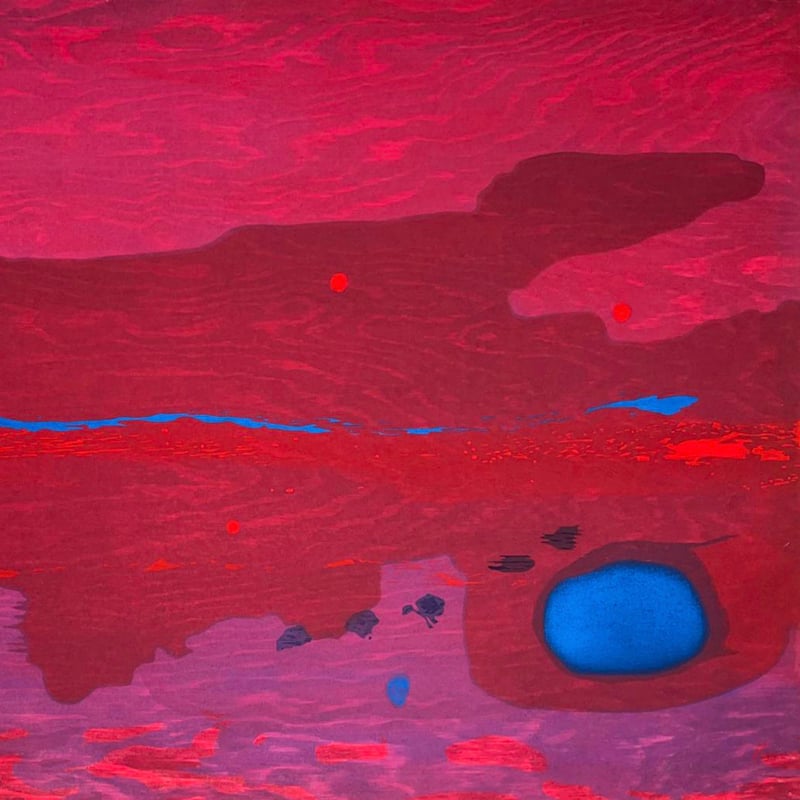
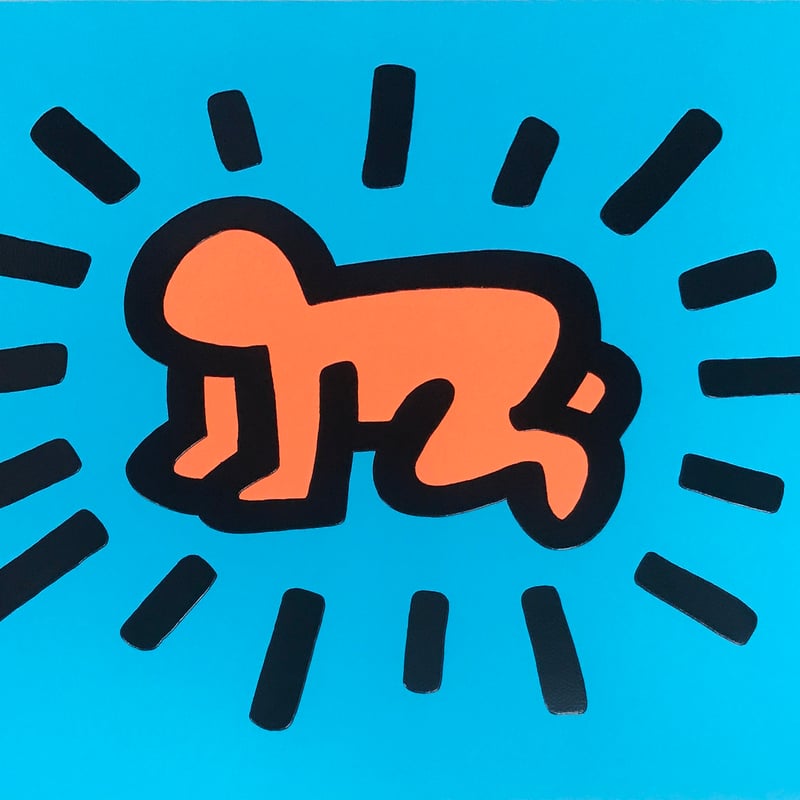
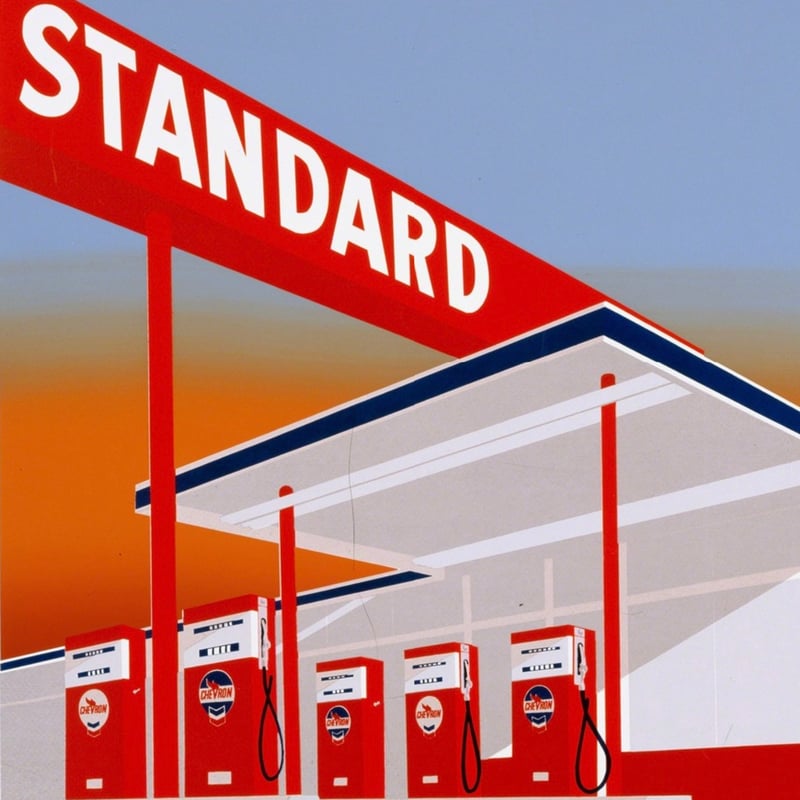
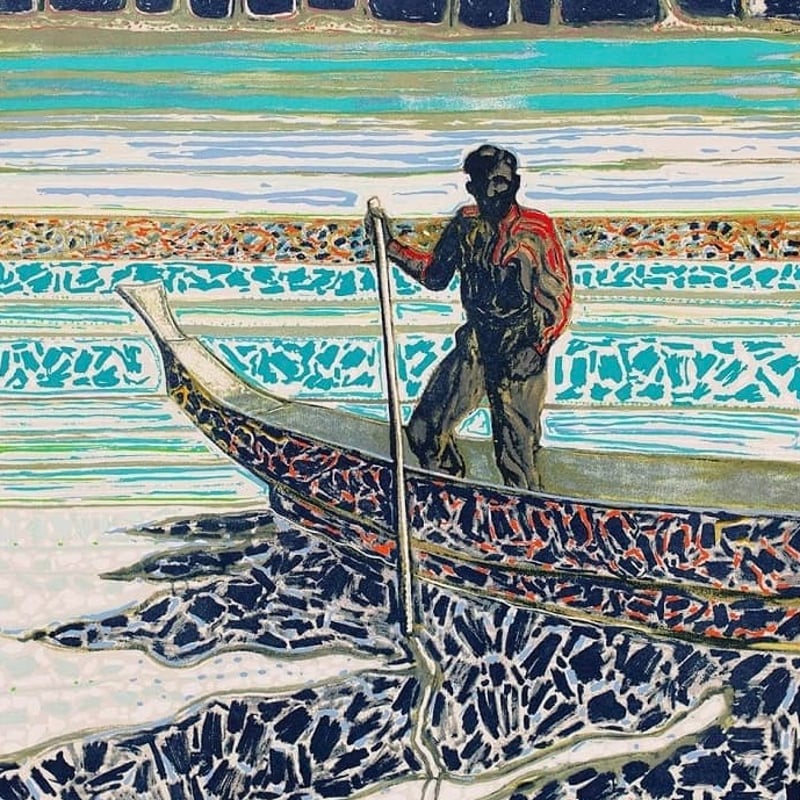
Stuckism is an art movement that promotes figurative painting over conceptual art. It was founded in 1999 by Charles Thomson and Billy Childish with an initial group of 13 artists in Britain. The movement has since expanded to 52 countries with 233 groups worldwide. Several manifestos, issued by Thomson and Childish, advocate for the spirit of modernism and the creation of spiritual art, regardless of medium, subject matter, or style. Stuckism emphasizes the importance of genuine expression and rejects the dominance of conceptual art in the contemporary art scene.

Colour Field Painting is an abstract style characterized by large areas of a single color or simple, solid colors. The term was first used in the 1950s to describe the work of three American Abstract Expressionist painters—Barnett Newman, Mark Rothko, and Clyfford Still. Their work emphasized the emotional power of color and the creation of vast, meditative spaces through expansive color fields.

New Topographics is a term coined in 1975 by curator William Jenkins to describe a group of photographers whose work focused on formal black-and-white images of urban and industrial landscapes. Jenkins initially described their aesthetic as banal, but the photographers themselves argued that their compositions were as significant as those of natural landscapes, emphasizing the beauty in everyday, man-made environments.
Can't find your Answer?
Thank you! Your question has been sent — we'll get back to you shortly.
