
What is Process Art?
- Show All
- Established
- Discoveries
- Show All
Artworks Related to Process Art
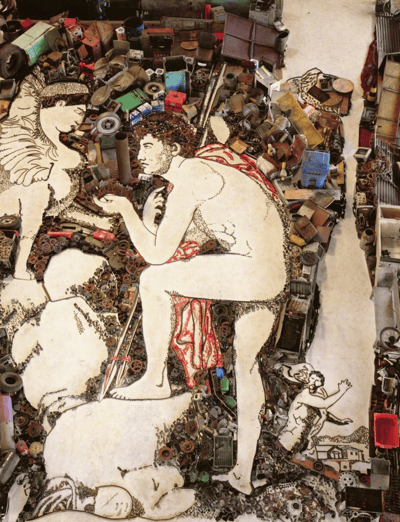
Vik Muniz
Oedipus and Sphinx, after Jean Auguste Dominique Ingres (Pictures of Junk), 2006
Photography
C-Print
Currently Not Available
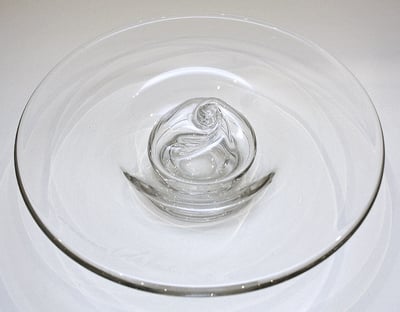
Gunther Uecker
Jahresteller, 1975
Sculpture / Object
Glass
EUR 1,620

Robert Rauschenberg
Happiness, 1994
Limited Edition Print
Lithograph
USD 3,700

Jacob Kassay
Untitled 6/10 (Radikal), 2013
Limited Edition Print
Lithograph
EUR 5,500

Jacob Kassay
Untitled 7/10 (Radikal), 2013
Limited Edition Print
Lithograph
EUR 5,500

Jacob Kassay
Untitled 4/10 (Radikal), 2013
Limited Edition Print
Lithograph
EUR 5,500

Jacob Kassay
Untitled 8/8 (La Opinión), 2013
Limited Edition Print
Lithograph
EUR 5,500

Jacob Kassay
Untitled 7/8 (La Opinión), 2013
Limited Edition Print
Lithograph
EUR 5,500

Jacob Kassay
Untitled 6/8 (La Opinión), 2013
Limited Edition Print
Lithograph
EUR 5,500

Jacob Kassay
Untitled 4/8 (La Opinión), 2013
Limited Edition Print
Lithograph
EUR 5,500

Jacob Kassay
Untitled 3/8 (La Opinión), 2013
Limited Edition Print
Lithograph
EUR 5,500

Jacob Kassay
Untitled 2/8 (La Opinión), 2013
Limited Edition Print
Lithograph
EUR 5,500
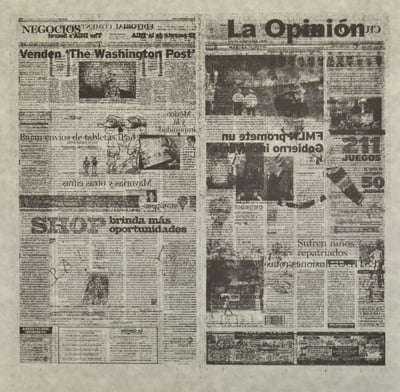
Jacob Kassay
Untitled 1/8 (La Opinión), 2013
Limited Edition Print
Lithograph
EUR 5,500

Jacob Kassay
Untitled 6/7 (Le Monde), 2013
Limited Edition Print
Lithograph
EUR 5,500

Jacob Kassay
Untitled 5/7 (Le Monde), 2013
Limited Edition Print
Lithograph
EUR 5,500
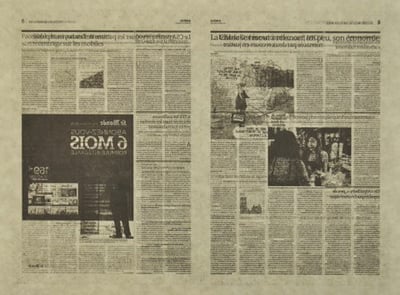
Jacob Kassay
Untitled 2/7 (Le Monde), 2013
Limited Edition Print
Lithograph
EUR 5,500
Related Articles
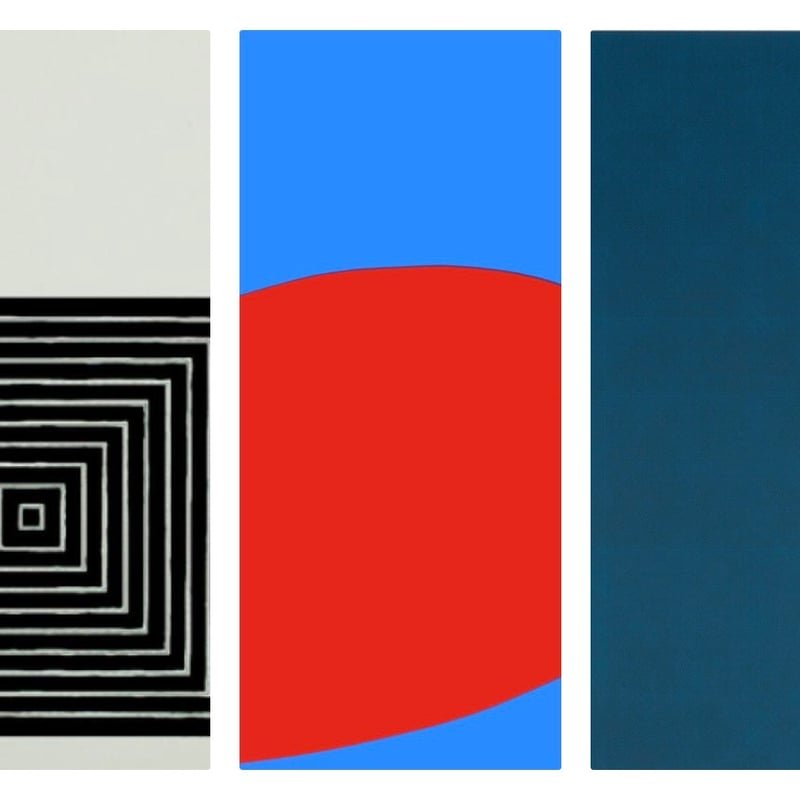

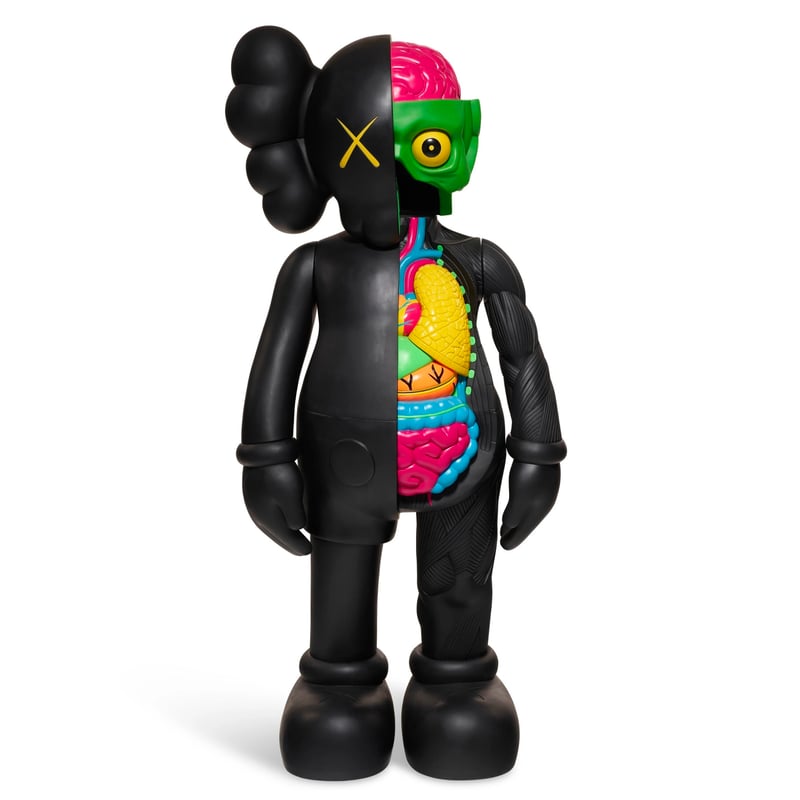
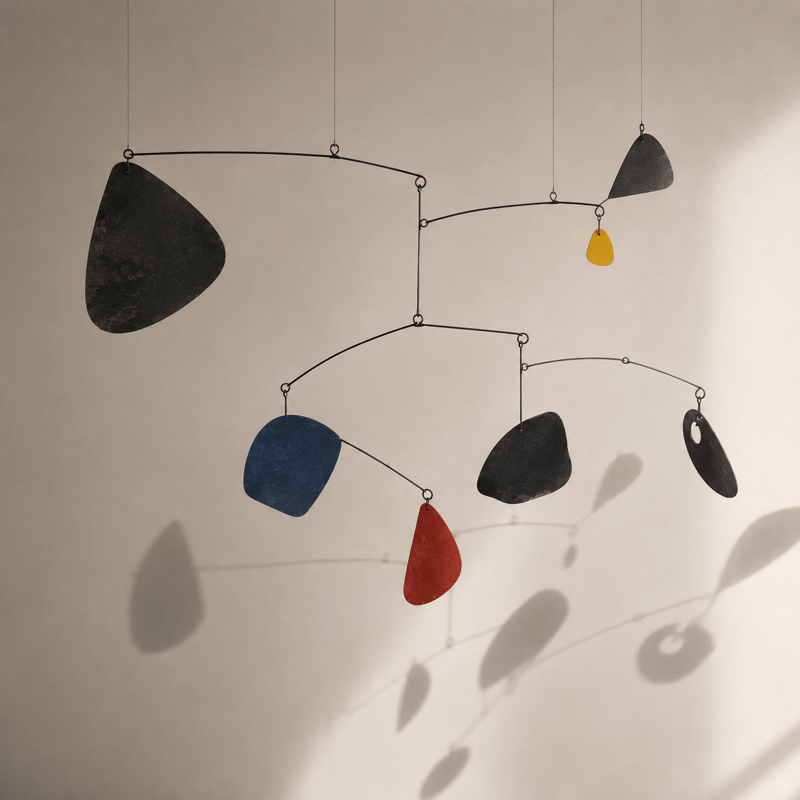
A mobile is a type of kinetic sculpture consisting of an ensemble of balanced parts that hang freely and move independently or as a whole when influenced by air currents or touch. Typically made of wire and colorful metal shapes, mobiles are designed to create dynamic visual effects through their motion.

Superflat is an art movement founded by Takashi Murakami, heavily influenced by anime and manga. The term Superflat refers to the flattened forms found in Japanese animation, graphic art, fine arts, and pop culture, as well as the perceived superficiality of Japanese culture. Murakami's movement, which he self-proclaimed, is considered postmodern and critiques both the depth and shallowness of contemporary Japanese society. Superflat has been highly influential in bridging the gap between high art and popular culture.

Queer Aesthetics refers to an art movement that emerged in the 1980s, focusing on themes of homosexuality, lesbianism, and broader issues of identity and gender. This movement gained momentum in the context of the AIDS crisis and the feminist movement, challenging traditional representations of sexuality and gender. Queer Aesthetics often explores the fluidity of gender and identity, as seen in the works of artists like Nan Goldin, who is known for her photography of individuals with ambiguous or non-conforming gender presentations.
Can't find your Answer?
Thank you! Your question has been sent — we'll get back to you shortly.
